Welcome to Paws for GDUI News You Can Use! – VOL. VI, NO. 3, June 2026 – A Publication of Guide Dog Users, Inc.

A Publication of Guide Dog Users, Inc.

President: Sarah Calhoun

Editor: Andrea Giudice

Co-editor and GDUI Immediate Past President: Penny Reeder

Guide Dog Users, Inc. (GDUI) A special interest affiliate of the American Council of the Blind (ACB) since 1972

https://guidedogusersinc.org/

Toll-Free: 866.799.8436

***

From the editor- Hello fellow GDUISters

Here it is, hot off the press, well from my computer, the June 2026 Paws for GDUI News You Can Use! Speaking of hot… lots of this issue is dedicated to dealing with the hot weather and our guides. Of course, there are lots more. Book and film recommendations; technology updates; news from NLS; shopping ideas; yummy recipes; cool Apps; helpful blogs and webinar; informative announcements; member submissions; tributes; and so much more! I really had fun compiling this issue, and I learned a lot too! *smile* 

I encourage everyone to remember how easy it is to get involved- share a favorite podcast; blog; webinar; an interesting, silly, absurd, or touching tidbit from your local paper; something you wrote yourself or written by someone else; a helpful app or other resource; even a yummy recipe. Remember, submissions about guide dogs, or blindness/visual impairment are not the only topics of interest to us  GDUISters!

Sending cyber hugs and wags,

Andrea and Super T

*****

Canine Contemplations

Toto’s Topics-I want to tell you about something my Mom does to help her keep her t-shirts, and so many other things sorted. I can’t tell you how many times I have heard Mom express her frustration at how difficult it is to know which t-shirt is which. She says that of all her clothes they are the most similar feeling and the hardest to label because they have sayings and funny pictures that the pre-made clothing labels simply can’t handle. So, she uses packing cubes. I know, these sound like rigid, space inefficient devices, however, quite to the contrary, they are wonderfully flexible! Mom learned about them from my uncle Nicholas who travels lots for work, and fun! They are actually pouches, of varying sizes, that close with zippers. They are made to keep clothes in a suitcase organized. Mom puts t-shirts by category in each packing cube and then labels it in braille. She also uses the same system for gift bags, and all her holiday specific clothing, accessories, dish towels, and my collars. So, all the fourth of July stuff is in one packing cube, all together, and neatly labeled. Same goes for all the guide dog themed t-shirts, happy birthday gift bags Etc. Mom says she was so happy the day she discovered packing cubes! She uses them for pretty much everything… except packing her suitcase! *Big doggie smile*

Winnie’s Wisdom- Well, as storage seems to be the topic dejour- here is a trick, and I truly mean trick, my Mom uses. She is in the habit of using zip top bags to organize, and I mean organize everything! She puts cords; chargers; the print manuals that some times still come with appliances and electronics; greeting cards she wants to keep distinguished from one another; and anything that needs to stay together. She “labels” the bag by brailling the contents on an index card and placing that in the bag so she can read it through the plastic, or open the bag if she has difficulty reading it from the outside. Sometimes she tapes it to the front of the bag so she doesn’t have to take time to open or reach inside. She also *always* puts liquids in zip top bags before putting them in her backpack! I mentioned earlier that this is a trick, that is because she also packs my food and treats in the same type of bag whenever she is packing meals for me and so each time, I hear a zip top bag being opened I believe it is time for a treat or meal- alas, more often than not, it is not! *Sad doggie face* 

*****

For Your Calendar-

(Some of the items listed here are expanded upon later in this issue, a few may be quite truly nipping at your heels, and others may not be happening for a month of Sundays!)

6/1-30/26- Dog Licensing month

6/4/26- Non-member registration opened for 2026 ACB Conference and Convention

6/21-27/2026- Deaf/Blind Awareness Week

6/25/2026, 6:00PM (Eastern)- Webinar on Recognizing Neurological Emergencies in Pets

6/27/2026- Helen Keller’s birthday!

6/27/2026, 7:00 PM, ET – New York premiere of documentary “Possibilities”, at Carnegie Hall and streaming nationally

7/6/26, 11:59 PM, CT Pre – registration closes for 2026 ACB Conference and Convention

7/24-31/26 – 65th annual ACB Conference and Convention

7/26/2026, 5:00- 6:15 PM, CT – GDB reception at ACB Convention (In-person only)

7/29/2026, 5:00 – 7:00 PM, CT – The Seeing Eye: Guiding the Way Forward

8/8/2026 1:00 PM,ET – GDUI Board meeting

9/26/2026, 1:00 PM, ET  – GDUI Board meeting

10/5-7/2026 – M-Enabling Summit 

10/18/2026, 5:00 PM,ET – GDUI Annual Membership meeting

11/21/2026, 1:00PM, ET – GDUI Board meeting

1/17-24/2027 – 52nd international  Ski for Light

Recurring events-

Every second Thursday (monthly), 7:00 PM, ET — Get to Know the Many Faces of BARD (virtual)

Every Third Thursday (monthly) — NLS- Smart Speaking to the Smart Speaker (virtual)

Every Last Tuesday (monthly)–  NLS- That All May eRead Program (virtual)

*****

Calendar Event- Get your Guide, and any other dogs, licensed!

Keep your Pup out of the paws of the Popo!

By the book. Did you know that guide dogs are not exempt from local animal control or public health requirements? They’re also subject to the same licensing rules that are applied to all other dogs. However, in many states the licensing fee is waived for service animals. Check to see if your state provides an exemption.

https://www.animallaw.info/topic/table-state-assistance-animal-laws

******

Calendar Event- You’re Invited! Webinar on Recognizing Neurological Emergencies in Pets

[Schwarzman Animal Medical Center- https://www.amcny.org/usdan-institute-for-animal-health-education/]

Neurologic signs in dogs and cats can be concerning for pet owners to witness. Seizures, weakness, loss of balance, collapse, or unusual behavior may occur suddenly and can be difficult for owners to interpret.

Join us on Thursday, June 25 at 6PM ET on Zoom as Dr. Zoe Daniels, a board-certified veterinary neurologist at AMC, discusses common neurologic warning signs in dogs and cats, when veterinary evaluation may be recommended, and what pet owners should know if these signs occur.

This webinar will help pet owners better understand neurologic signs and feel more prepared should an emergency arise.

Please email UsdanInstitute@amcny.org with any questions

Register for the “Recognizing Neurological Emergencies” Webinar- https://app.glueup.com/event/recognizing-neurological-emergencies-in-dogs-and-cats-182087/

*****

Calendar Event- Join us, on June 27, at Carnegie Hall for the documentary film, “Possibilities,” 

Presented by the American Foundation for the Blind

Join the American Foundation for the Blind (AFB) as we celebrate the 146th birthday of Helen Keller with the New York premiere of its award-winning documentary film “Possibilities.” Taking place on the evening of Saturday, June 27th, this event is one you don’t want to miss.

“Possibilities” is a documentary film celebrating the legacy of Helen Keller as told through the shared stories of 21st-century voices. Held at the world-renowned Carnegie Hall in the intimate setting of Zankel Hall, this special evening will celebrate the power of storytelling, accessibility, and human potential through the first full-length documentary film produced with open audio description for all audiences. 

  • When: Saturday, June 27, 2026, 7:00 PM to 9:00 PM
  • Where: Zankel Hall at Carnegie Hall, New York City

Following the screening, guests are invited to stay for a live panel discussion featuring director Bill Sarine and voices from the documentary, who will share insights into the making of the film and the stories that inspired it.

Tickets are on sale now and can be purchased online, in person at the Carnegie Hall box office at 57th Street and Seventh Ave, or by phone at 212.247.7800. 

Click here.

Join us for an unforgettable evening honoring vision, resilience, and possibility in one of the world’s most iconic cultural venues.

Access the trailer and learn more about the film here 

We look forward to welcoming you!

Additionally- (for those of us, like this editor, who can’t be there live, Possibilities Streams Nationwide Beginning June 27!

Available on the following-

Additional streaming platforms may be announced as they become available.

Apple TV users can pre-order Possibilities now!

https://tv.apple.com/us/movie/possibilities/umc.cmc.3jqjqrjvgobfhmltxvw9nkpfs

***

The 2026 GDUI Drawing for Plush Guide Dogs in Harness!

Greetings to all GDUI Members and Friends,

It’s that exciting time of year again! Hava has once again blessed us with five very special four-footed friends Ruffles, Snickers, Valor, Lewis, and Kelly. Each sporting a beautiful tan 100% leather harness and ready to become a cherished part of your family.

We invite you to take this opportunity to enter the drawing for your favorite faithful companion.
Entries are 3 for $5 or 7 for $10.

You can enter in any of the following ways:

Purchasing tickets online at 2026 Plush Pups Drawing – Guide Dog Users, Inc. (GDUI) (various payment methods available; does not require a PayPal account)

Purchasing tickets over the phone by calling Office Manager Lynn at 866-799-8436

Or by purchasing tickets in the Bark-A-Lounge (sponsored by Nestlé Purina)

Entry sales will close on July 28th at 10:00 PM Central Time, and the drawing will be held July 29th, during the final session that begins at 1pm Central Time.

Read on to meet these five wonderful pups who could soon become part of your family! 

Ruffles is a very stylish yellow Labrador lady who stands 9 inches tall and 15 inches long. She’s posed in a cheerful play-bow position, front paws down and tail high, as if ready to dash into action.

Ruffles is a very stylish yellow Labrador lady who stands 9 inches tall and 15 inches long. She’s posed in a cheerful play-bow position, front paws down and tail high, as if ready to dash into action. Ruffles is a girl completely devoted to duty. She loves being right by your side, always alert and eager to help. When it’s time to rest, she curls up happily in her kennel for a peaceful snooze. But the moment she hears the words “Let’s go to work!” she’s up in an instant, wide awake and ready to slip into her harness. 

Snickers is an incredibly sweet female chocolate Labrador who stands 9 inches tall and measures 15 inches from the tip of her nose to the tip of her tail.

Snickers is an incredibly sweet female chocolate Labrador who stands 9 inches tall and measures 15 inches from the tip of her nose to the tip of her tail. She’s posed in a playful bow, her front paws stretched forward and her tail raised high, as if inviting you to join in a game. Snickers takes her job as a guide very seriously—her ears perk at every sound, always alert and ready to help. But once the harness comes off, her serious side melts away. There’s nothing she loves more than curling up close for some warm, cozy cuddle time with her favorite person. 

Valor is a very handsome male German Shepherd with a sleek black coat interlaced with warm tan markings. He stands 11 inches tall and 17 inches long, poised in a relaxed standing position with his head held proudly high.

Valor is a very handsome male German Shepherd with a sleek black coat interlaced with warm tan markings. He stands 11 inches tall and 17 inches long, poised in a relaxed standing position with his head held proudly high. Valor has a bit of a playful side; his strong prey drive makes those darting squirrels quite the distraction but with a gentle word, he quickly refocuses on his guide work. Once he’s in the zone, Valor shows just what a steady, confident, and devoted worker he is. 

Lewis is a debonair male black Labrador Retriever who stands 9 inches tall and 15 inches long. He’s posed in a cheerful play-bow, front paws stretched forward and tail lifted high, full of energy and enthusiasm.

Lewis is a debonair male black Labrador Retriever who stands 9 inches tall and 15 inches long. He’s posed in a cheerful play-bow, front paws stretched forward and tail lifted high, full of energy and enthusiasm. Lewis likes to think of guiding as his very own superpower—and what a saint of a Labrador he is! He loves to chase and play with his favorite ball, but the moment he sees his harness come out, he springs to his feet, tail wagging, and leaps right into it, eager and proud to get to work. 

Kelly is a beautiful female Golden Retriever who stands 12 inches tall and measures 17 inches from the tip of her nose to the tip of her tail. Her silky golden coat shines as she stands ready, tail gently wagging.

Kelly is a beautiful female Golden Retriever who stands 12 inches tall and measures 17 inches from the tip of her nose to the tip of her tail. Her silky golden coat shines as she stands ready, tail gently wagging. Kelly is a happy go lucky girl who radiates cheer wherever she goes, but when it’s time to work, her focus sharpens. Ears forward and head high, she becomes all business calm, confident, and completely devoted to the job at hand.

Each of these five amazing pups comes with their very own working harness, crafted from 100% leather with real metal fittings—just like those used by real guide dogs. They’re ready to bring joy, companionship, and plenty of smiles to their new homes!

When you enter the drawing, you’re not just taking a chance on bringing one of these lovable pups home you’re also supporting the important work of Guide Dog Users, Inc. and helping guide dog teams across the country. 

So don’t miss out, enter today, make a difference, and you just might take home your new best friend!

*****

The passing of eric Loori Founder of Freedom Guide Dogs for the Blind 

May 28, 2026

It is with profound sadness and heartbreak that we share the passing of our founder, Eric Loori, early this morning.

This sudden and tragic loss is deeply felt throughout our entire Freedom family and beyond. Eric was more than the founder of Freedom Guide Dogs. He was the heart behind the mission, a visionary leader, a mentor, a friend, and an inspiration to so many whose lives he touched.

Our hearts, prayers, and thoughts are with Sharon, his beloved wife; their daughters, Holly and Anna; their son, Emmett, and Emmett’s wife, Sammie; along with the rest of their family and everyone who knew and loved Eric.

Eric dedicated his life to changing the lives of others with compassion, kindness, and unwavering purpose. His impact on the blind and visually impaired community, on our organization, and on each of us personally cannot be measured. He truly was the best.

As we grieve together, we also honor the incredible legacy he leaves behind,  one that will continue through every life changed by Freedom Guide Dogs.

We ask that you keep the Loori family in your prayers during this unimaginably difficult time.

With love and sorrow,

All of us at Freedom Guide Dogs

Ashleigh Pace

Breeding and Puppy Program Manager

From GDUI

GDUI mourns the sudden passing of Eric Loori, co-founder of Freedom Guide Dogs for the Blind and its Executive Director for an amazing 34 years. The school was started by Eric and his wife Sharon. It was only the second school to train exclusively at home.

Eric impacted the lives of many guide dog users including members of GDUI. He helped innumerable blind and visually impaired people gain confidence and independence. He was a kind and compassionate man who loved his work and personally trained many guide dog teams.

GDUI sends heartfelt condolences to Eric’s family, Freedom Guide Dogs’ staff, and all those who worked and trained with him. He will be missed. 

*****

The Day I Taught a Human Pup

by: Boaty Skilled Professional Guide Dog Extraordinaire

From: https://theanthonycorona.substack.com/p/the-day-i-taught-a-human-pup

I will tell you a story my pack loves to hear, even though I tell it with extra tail wags every single time.

It was a long platform kind of day. The kind where the wind smells like faraway places and the ground hums before the train even arrives. Dad, also known as Anthony, and I were sitting on a bench. I was in harness, focused, ears tuned like tiny satellites.

Dad was on his phone.

Now listen. I love my dad. But that phone talks more than a parrot who drank coffee. Jabber jabber jabber. Voiceover, he calls it. I call it The Endless Talking Rectangle. I sometimes wonder if it needs a nap.

Anyway, I was working. Even when we sit, we work. That is part of being a guide dog. You stay ready. You stay steady. You stay the goodest of good boys.

Then came a mom with two small humans. One was about seven, full of school knowledge and brave eyes. The other was a tiny baby strapped to the mom’s chest. I tilted my head.

That looks uncomfortable, I thought. For the mom. For the baby. For everyone involved. But I am a professional, so I returned to my post.

The mom pointed at me. She said to the girl, Go say hi to the doggie.

My ears flicked. Dad’s head tilted just a little. He was listening now.

The girl did not move. She said, Mommy, we learned in school that you are not supposed to talk to them or pet them when they are working. They have a harness. That means they are doing a job.

I liked this human pup immediately.

The mom said, It is okay honey, they are just sitting there.

I could feel Dad straighten a little beside me.

The girl said, No mommy, that is not okay. The dog is helping him. We should not distract him.

Back at home, when I told this part, Puppy Gabe rolled onto his back and said, Wait, the small human trained the big human!

Posh gave a soft huff and said, Finally, someone with sense.

Parker wagged so hard he bumped the water bowl and said, Did you get snacks though! This is important.

Yes, Parker, patience. There are always snacks if you play your paws right.

Back on the platform, Dad spoke. His voice was warm, like sunshine on a nap spot.

He said, Your little girl is right.

The mom blinked. The girl stood taller.

Dad asked, What is your name!

The girl said, I am Ali.

Dad smiled. I could hear it in his voice. He said, Ali, do you want to play a little game with me and my guide dog!

Now listen closely. This is where I become not just a professional, but an artist.

Ali said, Yes! like a firecracker.

Dad reached into his bag and took out Charlie Bear treats. Ah yes. The golden coins of my kingdom.

He told Ali, Watch this. Boaty, sit.

I sat like a statue carved from very handsome marble.

Ali giggled.

Dad said, Down.

I melted into a perfect down, chin proud, tail still.

Ali held a treat in her small hand. I could smell it. I could taste the future.

Dad said, Up.

I rose smoothly, eyes forward, waiting.

Dad said, Heel.

I stepped into position beside him, shoulder aligned, the way we practiced at Guide Dog school and every day since.

Then Dad said, Visit.

Now this is special. When I first came home, Dad taught me this command. It means I can politely leave my working position for a moment to say hello, to share a little love, and then return to duty.

I stepped toward Ali. Gently. Carefully. She placed her hand on my head.

Good boy, she whispered.

She gave me the treat.

Victory.

Puppy Gabe interrupted me at this point in the retelling and said, Did you get more than one treat!

I lifted my nose and said, Of course I did. I am a professional.

Posh said, And did you return to heel without being told twice!

I said, Naturally.

Parker said, I would have eaten all the treats and then the bag.

Yes, Parker. That is why you are not in charge.

Back on the platform, Dad showed Ali a few more commands. Sit, down, up, heel, visit. Each time, I followed perfectly. Each time, Ali gave me a treat and a giggle.

The mom watched quietly now. Learning.

Dad said, You see, Ali knows something very important. When I am working, Boaty is helping me stay safe. But with permission and the right moment, we can share a little kindness too.

Ali nodded like a tiny professor.

Then the train came. The ground hummed. The air shifted.

I returned to heel. Focused. Ready.

As we boarded, Ali waved and said, Bye Boaty!

I wagged once. Professional, but friendly.

And that, my dear pack, is how I taught a human pup and her mom that respect and kindness can walk together, just like a guide dog and his dad.

Puppy Gabe sighed and said, I want to go on a train.

Posh said, I want more stories.

Parker said, I still want the treats.

I curled up, proud and sleepy, and said, Tomorrow, I will tell you about the time Dad dropped a whole sandwich.

Now that is a legend.

******

Are there any uses for dog hair?

From: https://groups.google.com/a/guidedogusersinc.org/g/leadership/c/yPlPZR4RtVE/m/gwaP3ej5AwAJ?utm_medium=email&utm_source=footer]

Yes, surprisingly, dog hair can actually be useful. It’s not just waste. Here are the most practical ways people use it:

  1. Natural fertilizer

Dog hair breaks down slowly and adds nitrogen to soil. You can:

  • Mix it into compost
  • Bury small amounts in garden soil
  • Use it around plants as a slow-release nutrient

Just avoid large clumps, as they can mat and block water.

  1. Pest deterrent

The scent of dog hair can keep certain animals away.

  • Scatter it around gardens to deter deer, rabbits, and squirrels
  • Works best when refreshed regularly
  1. Bird nesting material

Birds often collect soft fibers for nests.

  • Put small amounts outside in spring
  • Don’t use chemically treated or flea-medicated hair
  1. Oil spill absorption (less common at home)

Dog hair absorbs oil well.

  • It’s been used in environmental cleanups
  • At home, it can soak up greasy spills in a pinch
  1. Crafting and yarn (if you’re adventurous)

Dog hair can be spun into yarn, sometimes called “chiengora.”

  • Can be knitted into hats, mittens, or scarves
  • Works best with long-haired breeds
  1. Stuffing material

Cleaned dog hair can be used for:

  • Pet beds
  • Pillows (less common, but doable)

What I would NOT recommend:

  • Don’t burn it indoors (smells strong and unpleasant)
  • Don’t leave large piles in your yard (can clog drainage or attract pests)

If shedding is heavy, it may also be seasonal (spring/fall coat change), but excessive shedding can sometimes point to diet or health issues. If the amount of shedding seems unusual, a quick check with your vet is a good idea.

******

Do Dogs Like Hugs? How to Tell If Your Pup’s a Fan

Find out if they’re up for affection or prefer their personal space.

By Lindsay Boyers. Reviewed by Kelly Gold, DVM, Aug. 7, 2025

[Advice from chewy.com

You love your dog, so it’s natural to want to wrap them up in a big, heartfelt hug. But do dogs enjoy hugs the same way humans do? While some pups may welcome a warm squeeze, others might find it confusing, uncomfortable, or even stressful. 

  • Dogs don’t instinctively interpret hugs as affection.
  • Some dogs enjoy hugs, while others feel trapped or anxious.
  • Relaxed body language signals comfort; stiffness or avoidance signals stress.
  • Never force a hug—let your dog initiate closeness.

Is It OK to Hug Your Dog? It’s OK to hug your dog if they like it. Just like humans, dogs have varying levels of comfort with hugs. While you see hugging as a way to show affection, your dog might not interpret it the same way.  

“Dogs do not inherently understand hugs the way humans do,” says Samuel Varon, DVM, a companion-animal veterinarian and owner of Broadway Animal Hospital

 in Sacramento, California. “While some dogs may tolerate or even enjoy the physical closeness, others may feel uncomfortable or stressed.” Whether a dog enjoys hugs often depends on their personality and past experiences, including how well they’ve been socialized. Some dogs are naturally more comfortable with close contact, while others feel trapped or anxious when held too tightly, according to Bethany Hsia, DVM, co-founder of CodaPet. That’s why it’s crucial to let your dog set the pace. Hugging should be something that happens on their terms, and if your dog isn’t into it, it’s best to respect their personal space. 

But how can you tell if your dog likes a good squeeze as much as you do? They’ll usually give you 

signs that they feel secure and relaxed.  

  • Relaxed Body Language- Relaxed body language is one of the clearest ways to tell that your dog is comfortable with affection, says Dr. Varon. When a dog is at ease, their muscles

are loose, their eyes are soft, and they may wag their tail. They might also blink slowly or have an open mouth with a relaxed tongue. 

  • Leaning Into You- Dogs who enjoy hugs will often push into the contact rather than pull away, according to Dr. Hsia. Leaning into you can also be a dog’s way of seeking more affection, especially if paired with other relaxed body cues like soft eyes or a wagging tail. 
  • Gentle Licking- In dog language, licking is a social behavior that strengthens bonds and helps them express affection. So gently licking your hands or face might be your dog’s way of trying to show that they’re a big fan, according to Dr. Varon. However, dogs sometimes also lick as a sign of submission, so it could also be a polite way of saying “please stop.” Pay attention to the rest of their body language for context about what your dog’s lick means. 
  • Nuzzling or Resting Their Head on You- If your dog rests their head on you or nuzzles against you, it’s a subtle sign they’re enjoying the moment and trust you deeply, according to Dr. Hsia. An even stronger sign is if they seek out hugs and physical affection on their own. 

How Can You Tell If Your Dog Hates Hugging? On the flip side, some dogs will show clear signs that they’re not comfortable with a snuggle, and that’s OK too. Their 

body language speaks volumes, so keep an eye out for these 

stress signals-

  • Tense muscles or rigid posture 
  • Turning away 
  • Avoiding eye contact or showing the whites of their eyes  
  • Whining, whimpering, or growling 
  • Pinning their ears back 
  • Tucking their tail 
  • Trying to escape 

If your dog is showing any of these signs, you should respect their boundaries, Dr. Hsia says.  

5 Reasons Your Dog Might Not Want a Hug- If your pup pulls away or stiffens up when you go in for a squeeze, it’s not personal—there’s usually a reason behind it. Here are a few that might explain why your dog needs their space. 

  • Anxiety- Some dogs are naturally anxious, and being held too tightly can make them feel trapped or overwhelmed. Dr. Hsia says many dogs experience anxiety in close quarters, and a hug, which restricts their movement, can trigger that stress response. Even dogs that normally enjoy closeness might feel uneasy if the hug feels too confining. If your dog tends to shy away from other forms of restraint (like having their nails trimmed or being picked up), they may also be less comfortable with hugging.
  • Confusion- Dogs don’t inherently understand what a hug means. While we see it as a gesture of love, dogs interpret body language very differently. In the wild, you never see dogs hugging, so when we wrap our arms around them, it can feel foreign or uncertain, according to Dr. Varon.
  • Bad Associations- If your dog has had negative experiences with being held or restrained (like at the vet or during grooming), they may associate hugs with fear or discomfort. Dogs learn from past experiences, so even if your hug is gentle, it might remind them of a time when they felt scared or helpless. Dr. Varon points out that dogs who haven’t been gently exposed to close physical contact at an early age are more likely to react negatively to hugs. 
  • Physical Pain- If your dog is injured or has joint pain, hugging could add to their discomfort. This is especially common in senior dogs or breeds prone to orthopedic issues, like German Shepherds and Labrador Retrievers. Hugging can also exacerbate pain in dogs with physical ailments, such as arthritis or injuries, according to Dr. Hsia. If your dog flinches, yelps, or pulls away during a hug, check with your vet to rule out pain as a possible cause. 
  • Personal Preferences- Just like people, dogs have their own personalities, likes, and dislikes. Some dogs simply don’t enjoy being hugged, and that’s OK. It doesn’t mean they don’t love you; they just prefer other forms of affection, like a belly rub. Every pup is different, and honoring their boundaries shows true love and respect.

Other Ways to Show Your Dog You Love Them- Dogs and hugs don’t always go hand-in-paw, but that doesn’t mean you can’t build a strong, affectionate bond in other ways. Here are some things you can do to show affection-

  • Pet them gently- Dogs often enjoy calm, soothing pets, especially on their belly or behind the ears.
  • Spend time together- Quality time can be just as meaningful as a hug and builds trust with your dog, says Dr. Varon. Playtime, walks, and training sessions all strengthen your bond. 
  • Give them positive reinforcement- Dog treats or dog toys during training sessions are great rewards for good behavior.
  • Respect their space- Allowing your dog to seek affection on their own terms helps them feel safe and loved. You can also give them a comfortable space to retreat to, like a cozy dog bed or hideaway tent.

FAQs About Dogs and Hugs-

Q- Do dogs feel affection when you hug them?  

A- When you hug a dog, they may not understand its meaning the way you do. But if they’re comfortable, they may feel affection through the physical touch. It all depends on the individual dog. 

Q: Do dogs like to cuddle? 

A- It’s OK to cuddle your dog if they enjoy it. If your pup thrives on closeness, they may even initiate snuggle time with you on the couch. Always be mindful of their body language to make sure they’re comfortable.

Q- Do dogs like to be kissed?

A- Dogs don’t understand kisses the way humans do, so it depends on the dog. Some pups may tolerate or even enjoy kisses if they’ve learned to associate them with positive attention. Others might find a kiss confusing or intrusive.

Q- Do dogs understand what a hug means?

A- Dogs can associate hugs with positive experiences, but they don’t inherently understand the emotional significance behind them. Instead of seeing hugs as a gesture of love, they’re more likely to interpret them based on how the hug feels to them—either safe and pleasant or confusing and restrictive.

Q- Do dogs hug each other?

A- Dogs don’t hug in the same way humans do, but they do show affection in other ways, such as leaning against each other, nuzzling, or licking. 

*****

A June Reminder: Be Kind! Be Brave! Be a Good Human!

As the sun shines brighter and June rolls in, it’s a perfect time to reflect on the kind of energy we’re putting into the world. This month, let’s remind ourselves of some simple but powerful words that carry deep meaning: kindness, bravery, honesty, respect, and decorum. These aren’t just words—they’re ways of being that shape our communities, our relationships, and our own sense of self.

Be Kind.

Kindness costs nothing but means everything. A kind gesture, a gentle word, a smile—they can all ripple outward more than we realize. Hold the door. Say thank you. Compliment someone. Be the person who chooses compassion even when it’s not convenient.

Be Brave.

Dare to wave at someone. Dare to speak up. Dare to be different. In a world that can often feel harsh or judgmental, being brave enough to be yourself—and letting others do the same—is a quiet act of revolution.

Be Honest.

Speak your truth with grace. Own your mistakes. Honesty builds trust, and trust builds strong families, friendships, and communities.

 Hold Yourself with Decorum.

Let’s bring back that word—decorum. It means showing up with dignity, grace, and self-respect. How you carry yourself matters. Walk tall. Speak with intention. Act with purpose.

Be Respectful.

Twice over, respect is essential. Respect others, even when you disagree. Respect yourself enough to set boundaries and to keep learning and growing. A respectful community is a strong one.

Smile. Acknowledge Others.

It’s easy to look down or away. But what if this month, we choose eye contact and smiles? What if we start by simply acknowledging each other as fellow human beings? We are all equal. We all belong here.

Be a Pillar in Your Community.

You don’t have to be loud to be a leader. Show up. Help out. Listen. Encourage. Support. Being a good human being means being present—not perfect, but present.

This June, let’s live out these words, not just speak them. Kindness. Bravery. Honesty. Respect. Let them guide us. Let them ground us. Let them remind us that we’re better together.

Dare to be a light. Dare to advocate for others. Dare to care.

Michelle Puzzo, Executive Director, UR Community Cares

860-430-4557

info@urcommunitycares.org

©2025 UR Community Cares, Inc. | 153 Spruce Street, Manchester, CT 

******

CT LAB Book List

Connecticut Library for Accessible Books (CT LAB), June 2026 

This year, the United States marks the 250th anniversary of the signing of the Declaration of Independence and the founding of the country. As we reflect on the founding ideals, and consider how they show up today, we offer two handfuls of books, mostly of the period and on the period, for your reading lists. For the books about the Revolutionary period, we are highlighting books published within the last ten years. Contact your Reader Advisor if you would like more books about this topic or to request an old favorite. 

*The British Are Coming: The War for America, Lexington to Princeton, 1775-1777

Written by Rick Atkinson. DB 95379

The Pulitzer Prize-winning author of An Army at Dawn: The War in North Africa (DB 54939) recounts the first twenty-one months of the American Revolution in this first volume of three. Describes principal battles, key figures, British perspective, and historical context for the conflict.

Download The British Are Coming from BARD.

*Rebels at Sea: Privateering in the American Revolution.

Written by Eric Jay Dolin. DB 110882

Largely missing from maritime histories of America’s first war is the ragtag fleet of private vessels that truly revealed the new nation’s character–above all, its ambition and entrepreneurial ethos. Privateers were privately owned vessels granted permission by the new government to seize British merchantmen and men of war. At a time when the young Continental Navy numbered no more than sixty vessels, privateers rushed to fill the gaps with nearly 2,000 vessels. In Rebels at Sea, Eric Jay Dolin contends that privateers were in fact critical to the American victory.

Download Rebels at Sea: Privateering in the American Revolution from BARD.

*An Indigenous Peoples’ History of the United States

Written by Roxanne Dunbar-Ortiz. DB 82383

A history of the United States exploring the perspective of its indigenous peoples. Dunbar-Ortiz analyzes how native tribes actively resisted national expansion and examines the systematic destruction of the lives and cultures of the native civilizations present in North America before European colonization.

Download An Indigenous Peoples’ History of the United States from BARD.

*African Founders: How Enslaved People Expanded American Ideals

Written by David Hackett Fischer. DB 110628

African Founders explores the little-known history of how enslaved people from different regions of Africa interacted with colonists of European origins to create new regional cultures in the colonial United States. The Africans brought with them linguistic skills, novel techniques of animal husbandry and farming, and generations-old ethical principles, among other attributes. This startling history reveals how much our country was shaped by these African influences in its early years, producing a new, distinctly American culture. Drawing on decades of research, Fischer recreates the diverse regional life that shaped the early American republic.

Download African Founders: How Enslaved People Expanded American Ideals from BARD.

*Roots: The Saga of an American Family

Written by Alex Haley. DB 53160

Seven generations of the author’s family, from 1767, when Kunta Kinte is captured in the Gambia, West Africa, and transported to Virginia as a slave. Chronicles Haley’s ancestors’ resettlement in Tennessee following the Civil War, reconstructs his birth in 1921, and describes his genealogical research, tracing his ancestry through the generations of slaves and freedmen, farmers and blacksmiths, lawyers and architects.

Download Roots: The Saga of an American Family from BARD.

*Indigenous Continent: The Epic Contest for North America

Written by Pekka Hämäläinen. DB 110928

Pekka Hämäläinen overturns the traditional, Eurocentric narrative, demonstrating that, far from being weak and helpless “victims” of European colonialism, Indigenous peoples controlled North America well into the 19th century. Native empires frequently decimated white newcomers in battle, forcing them to accept and even adopt Native ways. Indigenous peoples flourished due to sophisticated diplomacy and flexible leadership structures. In our myth-busting era, this restoration of Native Americans to their rightful place at the very center of American history will be seen as one of the most important correctives yet.

Download Indigenous Continent: The Epic Contest for North America from BARD.

*Liberty Is Sweet: The Hidden History of the American Revolution

Written by Woody Holton. DB 110158

Using more than a thousand eyewitness records, Liberty Is Sweet explores countless connections between the Patriots of 1776 and other Americans whose passion for freedom often brought them into conflict with the Founding Fathers. “It is all one story,” writes prizewinning historian Woody Holton. Holton describes the origins and crucial battles of the Revolution from Lexington and Concord to the British surrender at Yorktown, always focusing on marginalized Americans—enslaved Africans and African Americans, Native Americans, women, and dissenters—and on overlooked factors such as weather, North America’s unique geography, chance, misperception, attempts to manipulate public opinion, and (most of all) disease.

Download Liberty Is Sweet: The Hidden History of the American Revolution from BARD.

*Liberty’s Exiles: American Loyalists in the Revolutionary World

Written by Maya Jasanoff. DBC04004

For tens of thousands of colonists, the defeat of the English redcoats in 1783 and the birth of a new nation was cause for flight, not jubilation. This ambitious but also intimate history of loyalists chronicles their dispersal across the far-flung British Empire and traces the American influences they brought with them to Canada, the Caribbean, Sierra Leone, India, and beyond.

Download Liberty’s Exiles: American Loyalists in the Revolutionary World from BARD.

*We the People: A History of the U.S. Constitution

Written by Jill Lepore. DB 133309

Published on the occasion of the 250th anniversary of the nation’s founding, We the People offers a wholly new history of the U.S. Constitution. Harvard professor of history and law Jill Lepore explores the evolving meaning of the Constitution, tracing generations of interpretation and amendment efforts, and arguing that the founders envisioned a living, adaptable document—challenging modern originalism and advocating for democratic engagement in shaping constitutional change.

Download We the People: A History of the U.S. Constitution from BARD.

*Hamilton: The Revolution

Written by Lin-Manuel Miranda and Jeremy McCarter. DB 84175

An account of the creation of the hugely successful musical about an unlikely topic: founding father Alexander Hamilton. The show’s creator and cultural critic McCarter chronicle Hamilton from its start as a performance at the White House. Includes the full libretto with commentary from Miranda.

Download Hamilton: The Revolution from BARD.

*Common Sense and The Crisis

Written by Thomas Paine. DB 19603

In “Common Sense,” first appearing in 1776, the American patriot sees the Declaration of Independence as America’s moral obligation to the world. In the thirteen “Crisis” papers, written during the Revolutionary War, he supports and encourages the patriotic struggle against Great Britain.

Download Common Sense and The Crisis from BARD.

*The Last King of America: The Misunderstood Reign of George III

Written by Andrew Roberts. DB 111798

George III is frequently dismissed as a heartless and terrible monarch with limited redeeming qualities. Yet this unflattering characterization is rooted in the prejudiced and brilliantly persuasive opinions of eighteenth-century revolutionaries like Thomas Paine and Thomas Jefferson, who needed the king to appear evil to achieve their own political aims. After combing through never-before-published correspondence, award-winning historian Andrew Roberts paints a deft, nuanced portrait of the much-maligned monarch and outlines his accomplishments, almost universally forgotten. Roberts invites readers to see George III as he was, changing the view his reign and legacy.

Download The Last King of America: The Misunderstood Reign of George III from BARD.

*Revolution Song: A Story of American Freedom

Written by Russell Shorto. DB 93656

With America’s founding principles being debated today as never before, Russell Shorto looks back to the era in which those principles were forged. Drawing on new sources, he weaves the lives of six people into a seamless narrative casting fresh light on the range of experiences in colonial America on the cusp of revolution. While some of the protagonists-a Native American warrior, a British aristocrat, George Washington-play major roles on the field of battle, others-a woman, a slave, and a laborer-struggle no less valiantly to realize freedom for themselves. Through these lives we understand that the Revolution was, indeed, fought over the meaning of individual freedom, a philosophical idea that became a force for violent change. Revolution Song makes the compelling case that the American Revolution is still being fought today and that its ideals are worth defending.

Download Revolution Song: A Story of American Freedom from BARD.

*Complete Writings

Written by Phillis Wheatley. DB 59298

Definitive edition of famed eighteenth-century African American writer Phillis Wheatley’s complete poems and letters. Works of some less well-known contemporary poets–Lucy Terry, Jupiter Hammon, and Francis Williams–are included in appendixes. Critical introduction by editor Vincent Carretta.

Download Complete Writings from BARD.

*******

NLS Updates-

Talking Book Topic May-June 2026 – National Library Service for the Blind and Print Disabled (NLS) Library of Congress

  • Beginning in April, NLS released a second way to log into BARD, the Braille and Audio Reading Download service. Login.gov, a standard authentication service for accessing federal government systems, now appears as an option on the BARD log-in page. If you prefer, you may continue to use your existing BARD log-in credentials. If you do wish to use Login.gov, you may use your existing Login.gov account or create your first one. Information on creating an account is available at https://login.gov/create-an-account.
  • Talking Book Topics transitions to Duplication on Demand

Beginning in April, the distribution of Talking Book Topics (TBT) on cartridge shifted to Duplication on Demand, the system used for all other NLS audio magazines. This means TBT may arrive on a single cartridge combined with other magazines to which you subscribe. If you have any concerns about the status of your TBT subscription or want to request order forms, please contact your network library.

  • NLS Braille eReader software update

On March 12, NLS released an update to the software used by the HumanWare NLS Braille eReader. This software update addresses a bug that prevented some patrons from logging into BARD. You will be prompted to download it the first time your Braille eReader connects to WIFI. If you do not use Wi-Fi___33, your network library can distribute it to you on a physical cartridge. Please contact your network library with any questions. There is no software update for users of the Zoomax version of the NLS Braille eReader at this time.

  • Newsstand

The following announcements may be of interest to readers. The National Library Service for the Blind and Print Disabled reserves the right to publish announcements selectively, as space permits. The items mentioned below are not part of the NLS program, and their listings do not imply endorsement or support. Prices and details about listed items were correct at the time of listing but are subject to change.

Freedom Scientific training podcast available

Looking for step-by-step instructional demos for JAWS, ZoomText and other Freedom Scientific products? The Freedom Scientific Training Podcast is available from a variety of sources. Recent episodes have covered the JAWS Voice Assistant, Improving Your Gmail Experience and Using Layered Commands in JAWS and Fusion. For more information, visit www.freedomscientific.com/training/podcast. Freedom Scientific also offers free webinars, which can be accessed at www.freedomscientific.com/training/freewebinars/archivedwebinars External.

*******

Straight from the heart. 

(Pine Tree Guide Dog Users May 2026 Monthly News Update)

In a recent interview, Seeing Eye GDMI and Training Manager Jan Abbott reminded us what our dogs already know best—when love is real and when it isn’t. She said, “There’s a big difference between praise and genuine gratitude, and your dog can feel the difference. Our dogs give us unconditional love, and the best we can do for them is to try our best to reciprocate that love. When your praise comes from your heart and is not just spoken words, your dog will feel that love and appreciation. THAT is what brings them joy.”

*******

Indoor Enrichment Ideas for Dogs: Keep Your Dog Happy, Healthy, and Engaged All Season Long

[From: GDB’s Blog: No Bones About It- Posted: Monday December 15, 2025,

https://www.guidedogs.com/blog/indoor-enrichment-ideas]

Submitted by Bob DaCosta

[Editor’s note:  while this article specifically addresses winter, everything can be applied to summer!!! I have taken the liberty of adding, parenthetically, the seasonally appropriate words and phrases so as to make this list multi-seasonal..]

As the seasons shift and many of us spend more time indoors, whether due to winter(summer) storms, holiday schedules, or simply shorter (more bug-filled) days, you might find yourself wondering: Is there something more I can be doing for my guide dog right now? Absolutely. Dogs sense changes in our routines too, and while you’re skipping your usual commute or managing kids home from school, your guide dog may also be adjusting to the new rhythm of home life. To help you make the most of this snug (air-conditioned) indoor season, we’ve gathered some fun and practical enrichment activities to keep your dog entertained, mentally stimulated, and feeling their best. From training refreshers to cozy(relaxing) grooming sessions, here’s how to make home time rewarding for both of you.

  1. Break Out the Clicker- Cold (steamy)or rainy days are perfect for brushing up on behaviors and teaching new tricks. Clicker training keeps your dog mentally engaged and strengthens communication. Try practicing polite greetings, “stay out of the kitchen,” or refining their down-stay under a chair. You’ll be grateful for the refresher once you’re dining out again!
  2. Turn Mealtime into Playtime- If your dog finishes their meal in mere seconds, slow things down with an interactive food toy like a Buster Cube, puzzle feeder, or snuffle mat. These toys encourage problem-solving and keep your dog active as they roll and nudge their way to a full belly. (Pro tip: don’t add water to the kibble when using these toys.)
  3. Refresh Their Recall- Safe, off-leash recall is one of the most important skills for any dog. If you have a fenced yard or a spacious indoor area, winter(summer) is a great time to practice sit-stays and “come” cues. Bring plenty of kibble rewards—your goal is a pup who can’t wait to fly into your arms!
  4. Get Comfortable with Booties- Hot pavement in summer or icy sidewalks in winter—booties keep paws protected. Start practicing now so they’re not doing gymnastics when the season changes. Short, positive sessions (just a few minutes a few times a week) build confidence for both of you.
  5. Freeze a Kong for “Quiet Time.”- Need to hop on a meeting or enjoy a moment of peace? Prepare a frozen Kong “pupsicle.” Soak their meal in just enough water to absorb, stuff the Kong, seal with peanut butter, and freeze. This long-lasting treat is also great to have on hand for thunder- or weather-sensitive dogs.
  6. Practice Better Door Greetings- If jumping or excitement is an issue when guests arrive, use indoor time to build calmer greeting habits. Practice sit-stays, create a strategic tie-down spot, or teach your dog to go to their bed when the doorbell rings. A family member can step outside and ring the bell for realistic practice.
  7. Revisit Training Lectures- A cozy snow (blazingly sunny) day or quiet evening is ideal for refreshing your skills. Many commonly asked questions can be answered in GDB’s (not a GDB Grad, insert your school’s name/website here) online lectures and resources. Set aside some time to revisit your favorites. 
  8. Winter(summer) Grooming = Bliss- Seasonal shedding? It’s real! Regular grooming keeps your home cleaner and your dog more comfortable. Plus, grooming sessions are interactive bonding moments your guide dog will appreciate. A few extra minutes a day go a long way.
  9. Watch That Winter(summer) Waistline- Less activity during colder (hotter)months can mean extra pounds. If your routine has slowed, your dog’s may have too. Consider adjusting food amounts slightly or switching to a weight-control formula if appropriate. Small changes can help keep them fit all season.
  10. Catch Them Red-Pawed- If your dog has a knack for sneaking snacks from counters or coffee tables, set up controlled scenarios to help them learn better manners. Prevention is always best, but catching the behavior as it’s happening and redirecting appropriately can be highly effective.
  11. Rotate or Refresh Toys- Sometimes the best enrichment is simply novelty. Whether it’s a new chew toy or a rotation of old favorites, switching toys every week makes them feel fresh and exciting. Your dog will think they hit the jackpot.
  12. Play Indoor Games- Make the most of quieter indoor hours with hide-and-seek, obedience sessions, or fun cues that keep your dog thinking. Mental exercise can be just as satisfying as physical play, especially on chilly(sweltering) or stormy days.
  13. Share a Zen Moment- Nothing warms up a winter (cools down a summer) evening like a relaxing dog massage. Gentle rubs along their back, legs, and head help them unwind and give you a chance to check for bumps, scrapes, or sore spots. It’s a wonderful way to bond and de-stress together. To stay Warm (chill), Cozy, and Connected!

We hope these seasonal enrichment ideas inspire new ways to engage with your guide dog indoors. A little creativity goes a long way toward keeping your partner happy, healthy, and mentally sharp, no matter what the weather brings.

Let the indoor fun begin!

***

King Monty of the ICU

By Olivia Norman

It was March 12th, 2026, and the DC area was experiencing a dramatic cold front. Not your average temperature drop, but the kind which has you in shirt sleeves one moment and frantically trying to find your hat and gloves the next. 

Well, Olivia, why are you writing about the weather? Stick with me and I will explain. This type of temperature swing gets my lungs into serious trouble and often requires a visit by DC Fire and EMS and a trip to the Emergency room. This day sadly was no exception, and I felt helpless as my black lab, Monty, was left with friends, and I was rushed to Sibley Memorial Hospital in an ambulance. Once I got to the ER, it became apparent that I was sicker than I’d realized and that I did such a good job of getting sick this time that I needed a few days of ICU care for my issues to resolve. I’d somehow pictured the ICU as this scary place where everyone is sick or dying, but the modern ICU at this Hospital is a far cry from that. Once it became apparent I would be there for a while, I told my medical team how much I missed Monty. My attending and nurse came to my bedside and suggested that my friends bring him in during the day so he could spend his days with me and his nights with my friend. He told me in no uncertain terms that my dog was part of my recovery and they not only wanted him with me, but eventually they wanted me to walk the unit with him. I instantly agreed to the plan and, for the time I was there, Monty was the undisputed king of the ICU. My attending physician even went so far as to take him out himself at one point. By the third day, I was feeling up to a short walk around the unit and my nurse, Monty, and I walked together. Somehow Monty knew to take it slowly and it felt amazing holding that harness in my hand. Almost as magical as the first walk Monty and I took together on that freezing morning at The Seeing Eye in January, 2025. Monty handled the ICU beautifully, and I will always be grateful for my care team who went above and beyond the call of duty to make him at home. I believe that having him with me every day for eight to nine hours helped me recover faster, and I know my care team made that happen. John’s Hopkins Medicine, which owns Sibley has a policy which specifically states service animals are welcome, but that staff is not responsible for caring for them. Every time I have been at a John’s Hopkins Facility, and I’ve been there a lot, I have found staff willing to help me, but I will never forget how this specific care team recognized the bond between guide dog and handler. Not only did they take him out and spoil him within reason, but they truly saw us as a team and recognized he was integral to my recovery. I hope you never find yourself in an ICU, but, if you do, I hope you get the same level of care, and I can’t thank John’s Hopkins Medicine enough. Whether it’s holding my dog while I’m in a scanner, letting him in the ICU in the first place, and yes, giving him some turkey out of a sandwich once in the ER (because he hadn’t had any dinner), Monty and I are so thankful for how we are treated every time we walk through those doors, and it makes being a medically complex patient much less scary. 

*****

GDUI Member’s Book Released… “Blind Like Me: The Danny Kysor Story”

It is my pleasure to announce the release of my latest book, “Blind Like Me”; The Danny Kysor Story

It’s now available on Amazon as a Kindle book here

The audible version will be out very soon.

More about “Blind Like Me”

In “Blind Like Me,” Dan Kysor shares his personal journey navigating life with Lebers Congenital Amaurosis (LCA), a congenital eye disease that gradually led to total blindness in his 50s. With an outgoing spirit, Kysor recounts his experiences from childhood, including humorous anecdotes and the challenges of adapting to a world designed for the sighted. He explores the perceptions of blindness, both from the sighted world and within the blind community, drawing on personal stories and insights, such as his acquaintance with partially sighted Paralympian, Mike May. Through heartfelt recollections and excerpts from his mother’s book about raising a visually impaired child, Kysor offers a candid and engaging perspective on living beyond the limitations often associated with blindness, emphasizing adaptability, the power of other senses, and the importance of individual experiences.

*****

Another use for recycled Braille magazines… A short audio-described video

Blind Muse Foundation… Empowering inclusive digital expression through communication

[From: www.blindmuse.org]

The Blind Muse Foundation is dedicated to communication, education and connecting communities through one of a kind unique experiences that focus on educating

the sighted community about the blind and visually impaired community.

“The Shape of Touch” is a short documentary exploring connection through art, braille, and human experience. 

Brief Description: When retired carpenter and artist, Jonathan Hall, discovers discarded braille magazines in his apartment recycling bin, he transforms them into tactile works of art—including masks, a violin, and a sculpted gun. Then, he invites Christine, his blind neighbor who once owned the magazines, to experience the pieces through touch, uncovering hidden words, memories, and unexpected moments of discovery. 

Presented by Todd Tolson, Executive Director- todd@blindmuse.org

https://blindmuse.org/                                

*****

NBP has new Merch!!!

National Braille Press (NBP) has Lots to keep folks of all ages occupied for the summer! And a couple of gift ideas too!!

“Perfect Picnic Foods,” $18.00

https://shop.nbp.org/products/perfect-picnic-foods?

“Weight Loss Strategies for Every Body,” $18.00

https://shop.nbp.org/products/weight-loss-strategies-for-every-body?

“You Quack Me Up,” $16.00 

https://shop.nbp.org/products/you-quack-me-up?  

“Math Riddles for Smart Kids,” $15.00 

https://shop.nbp.org/products/math-riddles-for-smart-kids?

“Statue of Liberty Tactile,” $10.00 

https://shop.nbp.org/products/statue-of-liberty-tactile?

Magnet: “May your coffee be strong and your Monday be short,” $6.00

https://shop.nbp.org/products/magnet-may-your-coffee-be-strong-and-your-monday-be-short?

The Apple Watch: It Can Do So Much More Than Tell Time

By Judy Dixon

Braille (1 vol.), BRF or Word: $18.00

For over a decade, the Apple Watch has been a revolutionary piece of technology that has basically allowed users to wear a computer on their wrist. Among other things, the watch can make emergency calls; play music and podcasts; provide turn-by-turn directions; and perhaps most significantly, monitor and track health data such as sleep patterns, movement and exercise, and heart rate. Whether you’re a longtime user of the Apple Watch or curious to learn if it’s worth the hype, this book is sure to be informative. Technology writer Judy Dixon describes the hardware and layout of the three main screens (Watch Face, Control Center, and Smart Stack). She also walks the reader through the different watch models and accessories, what apps are already installed and how to install and remove other apps, how to pair the watch with your iPhone and enable VoiceOver, how to customize the watch and connect it to a braille display, and so much more. The book also includes two appendices that cover various gestures for the Apple Watch.

Link here.

****

The Cost of Confusion Around Service Animals

By: Anthony Corona, founder of the Sunday Edition family of podcasts 

and digital media content services

A few months ago, I wrote a social media post asking my sighted friends and family to share something deeply personal and deeply important to me. The post was about Guide Dog and service animal denial from rideshare companies like Uber and Lyft. At the time I was still frustrated and honestly hurt by conversations I had experienced where people minimized or outright questioned the reality that legitimate service animal handlers are regularly denied transportation, access, dignity, and equal treatment because of misinformation, fear, entitlement, and confusion surrounding service animals.

What struck me most afterward was the contrast in reaction. Recently I had also written about the importance of adding image descriptions to photographs and social media posts so blind and low vision people could be included in visual memories and celebrations. That post was met with warmth, curiosity, questions, and support. People shared it enthusiastically. But the conversation around service animals was different. There was skepticism. There were accusations that people like me were being overly dramatic. There were dismissive conversations. There was discomfort. And that discomfort points directly at the larger issue.

The problem surrounding service animals in this country is not caused by one thing alone. It is layered and complicated, like an overstuffed suitcase barely holding together at the zipper. First, there is still a shocking lack of public education surrounding what legitimate service animals actually are under the law. There is no federal certification for service animals.

There is no official national registration.

There is no government issued ID card.

Not for Guide Dogs.

Not for seizure alert dogs.

Not for diabetic alert dogs.

Not for PTSD service dogs.

Not for mobility dogs.

And emotional support animals are not the same thing under the Americans with Disabilities Act.

Yet there are countless companies online more than willing to sell people fake registrations, fake certifications, fake identification cards, fake vests, and fake paperwork designed to create the illusion of legitimacy. They profit from confusion. They profit from loopholes. They profit from people wanting convenience more than accountability.

My father once told me that if you spend five dollars to buy yourself a five-dollar bill, at least you exchanged value for value. That is not what is happening here. People are spending money on laminated cards and meaningless certificates that carry no legal standing whatsoever. These companies are not offering protection, legitimacy, or legal recognition. They are selling confusion wrapped in plastic sleeves and official sounding language.

And then comes the most uncomfortable layer of all.

Entitlement.

There are people who knowingly bend rules, exploit loopholes, or outright lie because they believe their pet should be exempt from standards everyone else must follow.

“Everybody loves him.”

“She is so well behaved.”

“He goes everywhere with me.”

“She helps my anxiety.”

And while I absolutely understand the emotional bonds people have with their pets, emotions alone do not transform an untrained animal into a legitimate service animal under the law.

Meanwhile legitimate service animal teams pay the price.

Every time an untrained pet enters a public space masquerading as a service animal, the risks increase for everyone involved.

There is risk to legitimate service animals who are highly trained and working.

There is risk to handlers navigating public spaces while depending on those animals for safety and independence.

There is risk to the entitled pet owner whose animal may react unpredictably in an overstimulating environment.

There is risk to innocent bystanders when situations escalate.

And those situations can go sideways very quickly.

A distracted dog can interfere with a Guide Dog actively navigating traffic.

An aggressive dog can injure a working service animal.

A frightened pet can bite someone.

A chaotic encounter can place disabled handlers directly into dangerous situations.

These are not hypothetical concerns.

These are real world consequences.

As someone who lost all of my sight rapidly at the age of 40, I cannot overstate what my Guide Dog means to my life. I hate reducing him to the phrase “mobility tool” because he is far more than that. He is intelligent, disciplined, affectionate, intuitive, and deeply bonded with me.

He is my partner. Together we navigate airports, traffic, crowded events, unfamiliar environments, and everyday life. He provides not only assistance but confidence, safety, and freedom.

And yes, he is legally recognized because of the tasks he performs and the rigorous training behind that partnership.

Not because of a vest bought online.

Not because of a fake badge.

Not because of a laminated card.

For many disabled people, service animals are not about convenience.

They are not fashion accessories.

They are not emotional status symbols.

They are often the difference between independence and isolation.

Between participation and exclusion.

Between saying yes to life or remaining trapped by barriers.

What many people fail to understand is that every fake registration, every dishonest claim, every entitled loophole weakens public trust and increases suspicion toward legitimate teams.

It creates more confrontations.

More denials.

More questioning.

More hostility.

And eventually it becomes harder for disabled people simply trying to exist equitably in the world.

So today I want to encourage readers to do more than simply nod in agreement and move on.

Share this article with your sighted friends, family members, coworkers, and colleagues.

Start conversations.

Ask questions.

Raise awareness.

Amplify accurate information.

Because accessibility is not only about ramps and captions and alt text.

It is also about honesty, accountability, and understanding how our choices impact other human beings.

Most importantly, it is about recognizing that disabled people should not have to constantly fight suspicion simply for existing alongside the tools, technology, and partnerships that help make independent life possible.

Yours,

Anthony Corona

He/Him

Host and Producer of Sunday edition

sundayeditionac@gmail.com

*****

From the Kennel Kitchen- Yummy!

  • Grilled Chicken Cobb Salad with Honey Dijon Dressing

[Contributed by: Guide Dogs of the Desert]

[From: Pine Tree Guide Dog Users May 2026 Monthly News Update]

A fresh, protein-packed dish featuring tender seasoned chicken, crisp greens, and classic Cobb toppings tossed in a sweet and tangy homemade dressing.

Salad Ingredients-

3 to 4 boneless, skinless chicken breasts (about one and a half pounds)

1 teaspoon sea salt

1/2 teaspoon black pepper

1/2 teaspoon garlic powder

1/2 teaspoon onion powder

1 tablespoon avocado oil (for grill)

8 cups chopped romaine, mixed greens, or spring mix

3/4 cup cherry tomatoes

1/2 red onion, thinly sliced

1 medium cucumber, peeled and sliced

1 large avocado, peeled and cubed

8 slices of bacon, cooked until crispy, then chopped or crumbled

6 hard-boiled eggs, diced in bite-size pieces

Dressing Ingredients-

3 tablespoons raw honey

1/4 cup Dijon mustard

2 tablespoons fresh lemon juice or white vinegar

1/4 cup avocado oil

1/4 teaspoon sea salt

Instructions-

Preheat the grill to medium heat. Brush the grill grates lightly with avocado oil to prevent sticking. Season the chicken breasts with sea salt, black pepper, garlic powder, and onion powder. Place the chicken on the grill and cook for 5 to 7 minutes per side, or until the internal temperature reaches 165 degrees Fahrenheit and the juices run clear. Remove from the grill and let the chicken rest for several minutes before slicing.

In a large bowl, arrange the chopped greens as the base. Top with cherry tomatoes, red onion, cucumber, avocado, bacon, and hard-boiled eggs. Add the sliced grilled chicken on top.

In a small bowl, whisk together the raw honey, Dijon mustard, lemon juice or white vinegar, avocado oil, and sea salt until smooth and well combined.

Drizzle the dressing over the salad just before serving, or serve it on the side. Toss gently if desired and enjoy.

•Grandma Marie’s Oven Baked Beer Pretzel Shrimp

By- Anthony Corona

“Now listen, sweetheart. If you do not have flour, you do not panic. You improvise. That is how half of my best recipes were born, usually five minutes before company walked through the door. This one here, it is crispy, cheesy, a little salty, and just fancy enough to make people think you worked a whole lot harder than you did!”

Ingredients-

1 pound shrimp, peeled and deveined

1 can or bottle of beer

1 cup crushed pretzels, not too fine, you want a little crunch

Half cup shredded cheddar cheese

2 cloves minced garlic

1 egg

Salt and pepper Optional

paprika, cayenne, or Old Bay if you are feeling bold

Olive

oil or cooking spray

Directions-

Step 1- Preheat your oven to 425 degrees. Line a baking sheet and give it a little oil so nothing sticks. Nothing worse than losing half your coating to the pan, that is just a tragedy!

Step 2- In a bowl, beat your egg with a splash of beer, just a splash now, do not drown it! Add the minced garlic, salt, pepper, and any seasoning you like. Grandma always said, “Season it like you love the people you are feeding!”

Step 3- In another bowl, mix your crushed pretzels and shredded cheddar cheese. This is your crust, your armor, your little crunchy crown!

Step 4- Pat your shrimp dry. Do not skip this! Wet shrimp will fight you every step of the way! Dip each shrimp into the egg and beer mixture, then press it right into that pretzel and cheese mix. Press it like you mean it, let it know who is in charge! Lay them out on your baking sheet nice and spaced, no crowding. Shrimp need their breathing room just like the rest of us!

Step 5- Give them a light spray or drizzle of oil. This is what helps them get that golden color that makes people hover around the oven. Bake for 10 to 12 minutes, flip them halfway through. When they are golden and crisp and smell like you should have made more, they are ready!

Step 6- Serve them hot with a squeeze of lemon if you have it, or a little dipping sauce on the side. 

Now here is the thing, if people start reaching for seconds before you sit down, take it as a compliment! Just move a little faster next time!

  • Grandma Marie’s Quick Pub Dip– 

In a small bowl mix-

Half cup mayonnaise

1 tablespoon mustard

1 tablespoon beer

A pinch of garlic or onion powder, if you like 

A little squeeze of lemon if you have it

Stir it up until smooth and give it a taste.

It should be creamy with just a little tang and a whisper of that beer flavor tying everything together.

Grandma always said, “A good dip should make you go back for one more even when you are full!”

Serving suggestion- Get yourself some good crusty Italian bread on the side, tear it apart, not sliced, torn. Food tastes better when it looks like you did not fuss over it too much. And if Gabriel is picking the wine, trust him! A crisp Chardonnay if you want it smooth and bright, or a bold red Zinfandel if you want something rich to stand up to that pretzel crunch.

Final note from Grandma Marie- A good meal does not have to be perfect. It just has to be made with a little care and maybe a cold drink nearby. The rest takes care of itself.

******

Pod Casts/Blogs/Apps/webinars- Check these out!

On the move. Join guide dog handler Mike May on his latest episode of People Make the Places podcast as he shares his experiences exploring Costa Rica, a country known for its rich biodiversity, vibrant culture, and relaxed “pura vida” lifestyle. The podcast highlights both the excitement of travel and the deeper insights gained from immersing in a new environment without sight.

VAL: Customizable Talking Chiming Alarm Clock for iOS and Mac

time announcements

iPhone, iPad

DEVELOPER- Quinton Williams

LANGUAGE- English

In-App Purchases- $3.99, 

Expected May 4, 2026

If you’ve ever tried to find a clock app that actually works the way you want, you’ve probably had to settle for less-than-ideal solutions. VAL changes

that.

VAL is a fully customizable talking and chiming clock for iPhone and Mac. 

Make Time Your Own- VAL supports a wide range of clock types, from spoken time announcements to traditional chimes. The app includes high-quality recordings from real clocks

— including rich Westminster chimes from a grandfather clock with tubular bells.

You can also import your own audio to create something completely personal: a favorite clock, a familiar voice, or a custom soundscape- VAL gives you full

control over how your time sounds.

Flexible Announcements- Choose announcements every 15, 30, or 60 minutes — or let each clock define its own schedule. Announcements continue even when the app is closed. Settings

are saved per interval so you can experiment freely without losing your setup.

Need the time instantly? – Tap Speak Now from inside the app, or assign the Speak Time shortcut to your Action Button or Back Tap for quick access anywhere.

Powerful Alarms- VAL’s alarms are built to cut through Focus and silent mode, while letting you use any compatible clock sound from your collection. Quiet hours are available

when you’d rather not be interrupted.

Smart Scheduling- Automatically switch between clocks based on time, date, or events. Wake up to one sound, wind down with another, or mark special occasions with custom

audio. Schedules and quiet hours can even follow local sunrise and sunset — calculated entirely on your device, with no network required.

Easy Sharing- VAL uses a custom file format to share configurations. Move setups between iPhone and Mac, or share them with others — whether it’s a single setting or

an entire clock collection.

Build Your Own Clocks- VAL supports 13 distinct clock methods — from simple digit-by-digit speech to syllable-level recordings that sound like natural conversation, classic Big Ben-style chimes, cuckoo clocks, and more. A full methods reference is built right into the app, so you have everything you need to craft a clock from

scratch.

Already using Steve’s Talking Clock on Windows? VAL is fully backward compatible with all of its clock methods, so any clock you use there will work seamlessly.

Whether you rely on spoken time, enjoy the tradition of real clock chimes, or want to build a sound experience that’s entirely your own — VAL is the clock

app for you.

Download once, and enjoy across both your iPhone and Mac.

•Scribe me, a Meta glasses companion 

From: Sunday Edition Tech Spotlight: Scribe Me A Glasses Companion MAY 28, 2026 

For more than six years, Sunday Edition has been introducing new technology to our community, testing everything from wearable devices and accessibility tools to upgraded apps, evolving AI platforms and mainstream consumer technology that unexpectedly opens new doors for blind and low vision users. We have watched the landscape evolve in real time. Some technology arrives with enormous hype and fizzles out quickly. Other tools quietly grow into something truly meaningful within our community. And every now and then, a combination of hardware and software comes along that genuinely makes us pause and say- “Wait a minute. This could become something very important.” That is where ScribeMe and the Ray-Ban Meta glasses enter the conversation. With all of the recent on again off again chaos surrounding ScribeMe and its sudden disappearance and return to the iOS App Store, we thought it was finally time to give this combination a real world whirl. I, Anthony, have personally been testing ScribeMe alongside the Meta glasses for approximately two months. To say I was frustrated when the app suddenly vanished from the App Store would be an understatement. Like many users within the blind and low vision community, I immediately started firing off emails looking for answers and hoping the app would return. Thankfully, it did. Now that ScribeMe is back, let us dive into practical applications, setup, VoiceOver navigation, environmental awareness, good prompting habits and some honest thoughts about where this technology shines and where it still has room to grow. Because while no accessibility technology is perfect, there are moments with this setup that genuinely feel like stepping a little closer to the future.

What Is ScribeMe- ScribeMe is an AI powered accessibility application designed to help blind and low vision users better understand and interact with the world around them. Using artificial intelligence, the app can-

Describe surroundings.

Identify objects.

Help locate items.

Read text.

Assist with environmental awareness.

Offer conversational visual assistance.

What makes the newer Live Assist feature especially interesting is that instead of repeatedly asking isolated questions every few seconds, users can begin an ongoing conversational interaction where the AI continuously interprets and describes the environment in real time. In simple terms, it transforms the Meta glasses from a smart gadget into something that feels much closer to a wearable accessibility companion. And honestly, there were moments during testing where I forgot I was using a phone app at all.

What You Need Before Getting Started- Before connecting ScribeMe to your Ray-Ban Meta glasses, make sure you have-

A pair of Ray-Ban Meta smart glasses.

An iPhone running VoiceOver.

The Meta View app already installed and paired with your glasses.

The ScribeMe app installed from the iOS App Store.

Bluetooth enabled on your iPhone.

A stable Wi Fi or cellular connection.

For blind VoiceOver users, I strongly recommend completely setting up and testing your Meta glasses through the Meta View app before introducing ScribeMe into the process. Think of Meta View as the foundation. Once that piece is stable, ScribeMe becomes the conversational accessibility layer sitting on top of it.

Pairing ScribeMe With Ray-Ban Meta Glasses Using VoiceOver Please note-

Apps evolve quickly and interfaces can change from update to update. Some button labels may differ slightly depending on your version of the app.

Step One- Open the Meta View app and confirm your glasses are already connected.

With VoiceOver running:

Open Meta View.

Flick right until VoiceOver announces your connected glasses.

Verify the battery percentage and connection status.

If the glasses are disconnected, reconnect them before continuing.

During my own testing, I found that starting with a stable Meta View connection prevented many of the hiccups that users sometimes blame on ScribeMe itself.

Step Two- Open the ScribeMe app.

When launching for the first time, the app may request:

Microphone access.

Camera permissions.

Bluetooth permissions.

Notification permissions.

Use VoiceOver flick gestures to navigate through each prompt.

Double tap Allow where appropriate.

Do not rush this section. Missing a permission can sometimes create strange behavior later on.

Step Three- Look for a button labeled something similar to:

Connect Glasses.

Meta Glasses.

Pair Device.

Live Assist.

Or Smart Glasses.

Because accessibility labels can shift between app updates, VoiceOver users may want to slowly explore the center and lower sections of the screen by touch.

Once located:

Double tap the connection option.

Step Four- The app may automatically detect nearby Meta glasses already paired through Meta View.

If prompted:

Select your glasses from the available device list.

VoiceOver should announce the device name.

Double tap to connect.

Step Five- Once connected, ScribeMe may announce that Live Assist is active or ready.

At this point, the glasses become your wearable camera and microphone system for environmental interpretation and conversational AI assistance.

Real World Use Cases

This is where the experience starts becoming genuinely exciting.

There is a huge difference between pulling out your phone every few seconds to snap a picture and casually asking a question while simply existing in your environment.

During testing, I found myself naturally asking things like:

“Help me locate the doorway.”

“What is sitting on this table?”

“Describe the room around me.”

“Where are my keys?”

“What objects are directly ahead of me?”

“What is on the kitchen counter?”

“Read this package label.”

“Describe the people standing nearby.”

“What is happening on the television?”

One moment that really stood out to me happened while searching for my Meta glasses case after I had absentmindedly set it down somewhere in the house. Instead of conducting the classic blind person scavenger hunt involving increasingly dramatic hand sweeping across every available surface while muttering negotiations with the universe under my breath, I simply asked the glasses for help locating the case. That sounds small until you experience how naturally it happens. Another genuinely useful moment came while preparing food. I asked ScribeMe to read the directions on a box of TGI Friday potato skins and within moments had the cooking instructions read back to me without needing to drag out another app or reposition my phone camera six hundred times like I was directing a documentary about frozen appetizers. And yes, because accessibility technology should absolutely be allowed to have a little personality, I even found myself asking which shade of blue polo worked best with my artfully distressed ripped jeans. The AI did surprisingly well. Apparently even the future wants me color coordinated.

Another fascinating use case is environmental orientation inside unfamiliar indoor spaces. While this technology is absolutely not a replacement for proper orientation and mobility skills, there were moments where hearing- “There appears to be an open doorway slightly to your left.” Or- “There is a couch directly ahead.” Created a subtle but meaningful increase in confidence and spatial awareness.

Good Prompting Matters- Like most AI systems, the quality of your prompts directly affects the quality of the responses. Specific questions generally work much better than vague ones. For example-

“Find my black keys on the kitchen counter.” Will usually produce better results than- “Where are my things?” Likewise- “Describe the objects on the coffee table.” Will often provide clearer information than- “What do you see?” During testing, I also noticed that slower and more deliberate head movements improved environmental interpretation significantly. Quick scanning motions sometimes confused the system or caused incomplete descriptions. Good lighting also dramatically improves accuracy.

Accessibility Thoughts And Limitations- As exciting as this technology is, realism matters. AI systems still make mistakes. And sometimes those mistakes can be oddly entertaining. During one testing session, ScribeMe confidently informed me that a large picture window was actually a patio door. On another occasion, it enthusiastically described a staircase that simply did not exist anywhere in the environment around me. Congratulations to the invisible staircase for apparently leading directly into another dimension. These moments are important reminders that AI still hallucinates, misinterprets and occasionally invents details out of thin air. Descriptions can occasionally be inaccurate. Busy environments may overwhelm the system. Connectivity issues can interrupt Live Assist sessions. Battery life drains more quickly during continuous usage. There are also privacy conversations worth having regarding wearable cameras and microphones in public spaces. And importantly- Apps like ScribeMe should be viewed as accessibility companions, not replacements for mobility training, situational awareness or human judgment. There will still absolutely be moments where services like Be My Eyes, Aira or assistance from another human being remain the better option. Still, there is something undeniably compelling happening here. For years, blind users were expected to adapt ourselves to inaccessible technology. Now we are witnessing mainstream technology slowly bending itself toward accessibility in ways many of us dreamed about years ago. And while there is still work to do, there are moments with ScribeMe and the Ray-Ban Meta glasses where the future feels very close indeed.

  • The Seeing Eye Advocacy App– [Available to everyone, regardless of which guide dog school you graduated from!]

The Seeing Eye Advocacy App has been updated and is live now for Apple and Android devices. Head to the App Store or Google Play to download the latest version. The new features include updated laws and educational resources, the ability to add favorites to the app home screen for quick reference, and a direct path to reporting discrimination at Federal, State and Provincial levels.

The State of Access Report Card– We’re launching something we’ve been working hard on: The Seeing Eye State of Access Report Card. Late last year, you took our state-specific survey and helped us spread it throughout the service dog community. The response was exactly what we hoped. We heard from handlers in all 50 states, Washington D.C. and Puerto Rico. That data helped to inform the press campaign we’re launching today.

For the first time, we’ve used real data to grade and rank every state on how well they protect the rights of handlers like you. It’s designed to spark conversation, drive change, and put the facts in the hands of the people who need them most. Each state received both a national ranking and letter grades across five categories. The number one ranked state earned an A minus overall, not an A. That’s intentional. Each state has room to improve, and we didn’t want any state to see a top ranking as a reason to stop making progress. The ranking tells you where the state lands relative to others, and the grades show where each state is excelling and where there is room for improvement.

To see the full report card, including where your state ranks, visit- https://seeingeye.org/access-advocacy/stateofaccess/#msdynmkt_trackingcontext=45e248c6-c1d3-4ee6-8ac4-67b657530100

A note for our Canadian graduates- While the app updates include all Canadian provinces and territories, the report card focuses on the U.S. However, you are very much on our minds. If this campaign is the success we’re hoping for, we plan to include Canadian provinces in a follow-up campaign.

This campaign is designed to be a resource for everyone with a stake in service dog handler rights and a roadmap for what meaningful progress looks like. Please join us in spreading the word about this important issue by sharing the campaign link with people in your community and sharing our social media posts if you’re active on social media.

With gratitude,

Dave Johnson, Director, Advocacy & Government Relations

The Seeing Eye

•Hadley-presents/

Listen in as we get the inside scoop from experts on a wide range of topics unique to vision loss.

https://hadleyhelps.org/podcasts/hadley-presents/home-based-tech-tools-what-really-helps-when-you-have-vision-loss

Tackling Paperwork and Forms with Vision Loss- https://hadleyhelps.org/podcasts/hadley-presents/tackling-paperwork-and-forms-vision-loss

Home-Based Tech Tools: What Really Helps When You Have Vision Losshttps://hadleyhelps.org/podcasts/hadley-presents/home-based-tech-tools-what-really-helps-when-you-have-vision-loss

Golfing with Vision Losshttps://hadleyhelps.org/podcasts/hadley-presents/golfing-vision-loss

*****

Life After Vision Loss & the Power of Accessible Prescription Labels

En-Vision America 

Pharmacy Solutions as Unique as You

https://www.envisionamerica.com/

Her Story, Her Voice: Life After Vision Loss & the Power of Accessible Prescription Labels

finding her independence after vision loss. Theresa made a shocking discovery: She had been taking her medication incorrectly — without even knowing it.

Tune into the video to learn how ScripTalk transformed her safety and restored her independence with prescription medications after vision loss.

https://www.youtube.com/watch?v=C5wi_ptoWAc

*****

PARTICIPATION RESEARCH OPPORTUNITIES

[Following are opportunities to participate in outside research studies, focus groups and/or surveys related to blindness and the guide dog lifestyle. Said opportunities are not affiliated with or endorsed by GDUI in any way, and the links will lead you to third-party sites that are not associated with our organization. Furthermore, we make no promises of current availability in any listed study, focus group or survey!]

  • The FAA is conducting a survey on accessibility for passengers with disabilities regarding evacuations

[now live: Please complete this survey here so your experiences can be included.

•BVI Market Research, in partnership with the University of Southern California (USC), is conducting research to support the development of a wearable navigation device designed to assist blind and visually impaired individuals with independent travel and wayfinding.

[We are seeking participants to complete the BVI Market Research Onboarding Questionnaire:

https://communications.guidedogs.com/e/896181/arch-onboarding-questionnaire-/23j33x/1920206781/h/70zW2pbFw47KrBpVShsDjhtZmqyb7bSrjkXJXlVvGoE] 

After completing this initial screener, participants will be directed to a short USC survey. While this specific USC survey is not compensated, individuals who qualify may be invited to participate in future research opportunities, many of which are compensated.

In addition, by joining the BVI Research participant database, individuals will-

*Be notified of future compensated research studies

*Occasionally be invited to uncompensated screeners used to identify candidates for larger, paid projects

*Have opportunities to contribute directly to the development of accessible technology TECH TIPS

•BlueRock Therapeutics Conducting CLARICO Clinical Study

CLARICO is a clinical study testing a potential new cell therapy for people with certain eye diseases, like retinitis pigmentosa, Usher syndrome, and cone-rod disease. The potential treatment aims to replace damaged eye cells to potentially restore vision.

To learn whether you are eligible, complete a pre-qualification checklist at this CLARICO site-  https://claricostudy.com/

Using a stem cell-derived therapeutic developed over more than a decade in Dr. David Gamm’s lab at UW-Madison, the company BlueRock Therapeutics (in July 2025) treated the first patient in a new Phase1/2 clinical trial aimed at a group of inherited retinal disorders (including RP and cone-rod dystrophy). The induced pluripotent stem cell (iPSC)-derived photoreceptor cell product OpCT-001 is designed to restore functional photoreceptors to patients with RP and other retinal diseases that lead to primary photoreceptor loss. 

•Student Developing Tactile Household Label System

Maher Siddiqui is a student currently working on a school design project focused on improving independence for individuals with visual impairments. As part of my research, I am developing a Tactile Household Label System to help users identify everyday items such as food containers, medication, and cleaning products more safely and easily.

To ensure that this solution is practical and genuinely useful, I am conducting primary research and would greatly appreciate input from visually impaired individuals or those who support them. The survey includes a few short questions about daily experiences, current challenges, and preferences for tactile solutions and will only take 2-3 minutes to complete.

To take the survey visit https://forms.office.com/Pages/ResponsePage.aspx?id=AMmUbCCnXEKuE9AmGtoJtPER0t1CtiZHrNQAy4yKjYhUNEtNTkE5TDRINUVPWUJMVzEwT1BNV0NMMy4u

If you have questions, send an email to dia14266@diaestudents.com

•Develop Accessible Audible Information Messages for Work Zones

Subject: Seeking participants who are blind or have low vision for a research study 

You can help determine the work zone audible messages to be used when sidewalk closures are required in work zones. Audible information devices are intended to provide information to pedestrians with visual disabilities that is equivalent to visual signage for notifications of sidewalk closures and to indicate a temporary path around a construction area, using a speech message. Such messages are required by PROWAG, but there are no requirements or guidance as to the nature of the messages. 

 Accessible Design for the Blind is looking for volunteers who are blind or have low vision, who cross streets independently, and are an adult at least 19 years of age, to participate by being interviewed. The interview will be conducted over the phone with a member of the research team. The interview will take about 45 to 60 minutes, you will be compensated with a $25 Amazon eGift card, and you will be entered into a drawing for one of two additional $125 Amazon eGift cards.      

 If you are interested in participating in this study, or if you have questions, please send an email to Speech.Messages@outlook.com and indicate that you would like to schedule a time to be interviewed.

•Experian Wants You on Its User Experience and Accessibility Research Panel

The customer experience research team at Experian, one of the three U.S. credit bureaus, would like you to join our user experience and accessibility research panel! By being part of this panel, you’ll be invited to participate in research projects where you can share your feedback on Experian’s digital products and services to make them more useful and accessible.

Participating in research projects with us is free, voluntary, and easy to do-

*You’ll complete a brief survey to join our participant panel. 

*You’ll receive emails informing you about upcoming research projects to apply for based on your survey answers.

*If chosen for a project, you’ll meet with an Experian researcher via Zoom on your phone or computer to explore the Experian app or website and provide feedback.

*You’ll receive monetary compensation for each research project you participate in.

Our goal is to make the Experian app and website more valuable and accessible to everyone, but we can’t do that without the voices of real people like you. If interested, please complete our panel sign-up survey here- https://survey.az1.qualtrics.com/jfe/form/SV_6WlsFhwu49BzNd4

*****

Calendar Event- Join Us at the M-Enabling Summit October 5-7

[From Dots and Dashes May 26, 2026]

ACB is proud to be a supporting organization for the 2026 M-Enabling Summit on October 5-7 in Arlington, Virginia! The M-Enabling Summit is the premier global event for digital accessibility leaders to share strategies, explore emerging technologies, and advance inclusive digital transformation.

Learn more and register now and save with Early Bird rates- https://www.m-enabling.com/

We hope you can join us at this year’s event!

*****

A Review of the Ray-ban Meta AI Glasses for People With Low Vision

[From: AccessWorld® Summer 2026, Issue 02- https://afb.org/aw/fall2025/meta-glasses-review]

Author Steven Kelley 

In the small group of professional certified vision rehabilitation therapists (CVRT), to which I belong, it is not uncommon for us to use the term “magic glasses.” These are the glasses some of our clients hope to find that will improve or restore their vision. It makes sense—in that for many of them, a new prescription once brought things back into focus. Vision loss from macular degeneration, glaucoma, diabetes, and other conditions is usually something that can be managed with proper care, but vision is not typically restored to what it once was. Still, the myth or hope for the magic glasses persists.

Take a pair of glasses, like the Ray-Ban Meta Glasses, add artificial intelligence (AI) to them, and it’s easy to see how these can only add to the hope that they might finally be the magic glasses those of us with acquired low vision have been waiting for. In my day job, I’ve received a lot of calls about the Meta glasses—where to buy them, and what they will do.

Let’s begin with a reality check. The Ray-Ban Meta glasses were designed for social media users (recall that Meta is the new name for the company that owns Facebook), to add pictures and videos to their social media accounts using a stylish pair of glasses equipped with a camera and speakers. Much of this is accomplished with a digital assistant, like Siri or Alexa, summoned with the built-in microphone (“Hey Meta!”). So, it’s important to note that the Meta glasses were not designed for low vision or blind users. The fact that some of the features happen to be handy for people with vision loss is purely by chance—a fortunate bit of synchronicity. This also explains why, compared to other smart glasses specifically designed for the visually impaired, they are reasonably priced—starting at less than $300, and often available locally at places like Target or LensCrafters. Another bonus of not being designed strictly as assistive technology is that they are stylish and customizable. The frames are well-built, look good, and can accept prescription lenses with a wide variety of glare filters. In addition to the tech features, these glasses can have very functional lenses built right in. 

How Do the Meta Glasses Work? One feature that attracts a lot of interest is the ability to talk to the glasses and get information with voice prompts, the way you might use a digital assistant like Alexa or Siri. While this is true, it’s important to note that the glasses must be connected to a smartphone or tablet. The Meta glasses themselves are simply a hands-free place to put a camera, speakers, and microphone—all the AI processing happens on the smart device in your pocket, backpack, or purse. As a result, using the Meta glasses begins with downloading the free Meta AI app from the Apple App Store or Google Play Store, installing it on your phone or tablet, and then connecting the glasses to your device via Bluetooth. The Meta glasses have a built-in rechargeable battery and a clever charging method. The case for the glasses doubles as a charging station. The case itself charges with a USB-C cable. Whenever the glasses are placed in the case, they recharge automatically. Once the case is fully charged, it can recharge the glasses multiple times before needing to be plugged into a wall outlet. When charged, the Meta glasses will run for about four hours of moderate use, and about five hours of continuous audio playback such as streaming music or podcasts.

Many of us are already familiar with AI, or artificial intelligence. We use it whenever we ask Siri, Alexa, or Google Assistant a question. Apps like Seeing AI, Google Lookout, or Be My Eyes AI all use artificial intelligence to identify objects or colors, recognize text, and describe the environment. The Meta

glasses use Meta AI to process voice prompts or images from the camera, located on the top left side of the frames. Once paired and connected by Bluetooth, users can issue voice prompts. For example, “Hey Meta, what time is it?” or “Hey Meta, what’s the weather today?” More importantly for those with vision loss, the glasses can be prompted to “look and describe” or “look and read.” For example, “Hey Meta, look and describe what’s in front of me.” “Hey Meta, look and read what’s in my hand.” In each case, the glasses respond with information. Follow-up questions can also be asked. For example, if Meta says there’s a car in front of you, you might then ask, “What color is the car?” or, “What model car is it?”

Meta does have a strong impulse to summarize text it reads. While this can be handy when sorting mail, if the goal is to read an entire document, the prompt “Hey Meta, look and read every single word” usually does the trick.

It is especially helpful for reading restaurant menus. Rather than listening to an entire menu from start to finish, Meta can quickly scan for certain items or summarize sections such as sandwiches, desserts, or price ranges—depending on your follow-up questions. For this writer, the ability to quickly search a menu truly conjured up the notion of “magic glasses.”

Hallucinations or Misbehavior- Experts on AI will tell you that sometimes it produces what are called “hallucinations.” This is often said with a chuckle, like the misbehavior of an impulsive child. The Meta glasses are not immune. Users can often point to examples where the AI insisted on summarizing instead of reading fully, made something up, or gave less-than-accurate information. For instance, when asked if there was a lamp in the room, Meta replied, “Yes, there’s a lamp on the table next to the bed.” It later said the lamp was several feet away. When asked again, it responded, “The lamp is slightly to the left.” In fact, the lamp was on the right of center. All things considered, the fact that the objects were described at all—with approximate distance—was still useful. But the key point is that Meta AI is not yet able to provide reliable navigation directions or replace tools like a white cane for orientation and mobility. Processing speed is fairly quick, but not instantaneous or accurate enough for something like street crossings.

A Brief Tour- As mentioned earlier, the Meta glasses are equipped with features you’d expect for creating or consuming media content. A camera sits above the left lens.

Inside the left arm, next to the hinge, is the on/off switch—push forward for on, back for off. Inside both arms, near the ear, are speakers with surprisingly good sound quality. On the outside of the right arm is a touchpad that performs several functions: swipe forward or back to adjust volume, tap to answer phone calls, and more. On the top front of the right arm is a small button that takes a picture when pressed. Long press to record a video, and press again to stop. Lastly, above the right lens is a small light that signals when a picture or video is being captured—helpful for those with vision to know when they’re on camera.

Integrated Apps- Because Meta AI is a product of Meta, it primarily interfaces with apps in the Meta ecosystem such as WhatsApp, Messenger, and Spotify. Notable exceptions, and perhaps concessions to users with vision loss, are Be My Eyes and AIRA. Both can be connected through the Meta AI app and used hands-free with the glasses. The one limitation is that Be My Eyes AI does not function with the glasses; only calls to volunteers are supported.

Final Thoughts- Ray-Ban is best known as a maker of sunglasses. I found that the Ray-Ban Meta glasses used for this review had an excellent polarized gray gradient tint, which made them terrific sunglasses even without the smart features. Most of the time, though, I wanted to use the AI functions indoors for reading. For many, a pair with clear lenses or a light tint for indoor glare would be ideal, perhaps with clip-on glare filters for outdoor use—flip them up when taking a picture. The camera on the left side took some getting used to. For photos, I often ended up missing part of the frame to the right. I also forgot to take off my hat on several occasions, leaving the brim in the shot. I confess, there were times—usually when using the glasses for reading—that I too thought of them as magical, with the exception of the on/off switch, which always seemed difficult to find or use with a fingernail. But for anyone who assumes the AI can handle navigation or provide instant descriptions for tasks like street crossings, the limitations will be disappointing. In addition, some people I spoke with assumed that because the glasses respond to voice prompts, they eliminated the need to learn how to use a smartphone. That’s not the case. Once the Meta AI app is downloaded and the glasses are connected to Bluetooth, it is possible to interact with them conversationally, but a basic level of comfort with a smartphone or tablet is still required. The Ray-Ban Meta glasses are an accessibility tool only by coincidence. That makes them more affordable and, in many ways, unaware of the needs of users with reduced vision. Still, for the price and convenience, they offer a great deal in object recognition, environmental description, and reading with optical character recognition (OCR).

Ray-Ban Meta AI glasses start at $299. The Meta AI app is a free download from the App Store or Google Play Store and runs on iOS 14.2 and above or Android 10 and above.

Meta does offer accessibility support by phone at 855-592-2237.

*****

Great News…LS&S Now Has the Ray-Ban Meta Glasses!!!

LS&S- The catalog of products for the visually impaired and hard of hearing.

Toll Free 800-468-4789

Ray-Ban Meta Glasses Wayfarer Gen 2, Large- (Clear), $379.00

SKU: 601166

Link here

Ray-Ban Meta Glasses Wayfarer Gen 2- (CLEAR or GREEN), $379.00

SKU- 601163

Link here

*****

Aira now works with AI glasses from Meta on your iPhone 

(Android coming soon).

If you own a pair of Meta AI glasses, you can now connect them directly in the Aira Explorer app and use them during Aira calls. This allows you to keep your hands free while moving through environments or completing tasks.

To get started:

  1. Make sure your Aira Explorer app, Meta AI app and your glasses firmware are up to date.
  2. Turn on your glasses and put them on.
  3. Connect your glasses in the Aira Explorer app under the More tab, AI Glasses
  4. Once paired tap Call Aira, accept permissions and the interpreter will see the live video from your glasses.

If you’d like help connecting your glasses, you can read our setup guide or listen to the setup guide at- https://www.youtube.com/watch?v=1T5TogX9uoM

If you need to contact us for any reason, email support@aira.io

or call us at-

USA and Canada: +1 800.835.1934

Australia: +61 1.800.765.096

New Zealand: +64 0.800.425.451

From, The Aira Team

*****

CSUN 2026: Focus on Fiscal Access

By Maia Scott

[From: Guide Dogs for the Blind, Alumni News 2026, Issue 2]

While perusing the Expo Halls at the 2026 CSUN Assistive Technology Conference felt sparse this year with fewer vendors, swag, and even guide dog teams, the takeaway theme for me this year feels rich with potential and possibilities.

To start with a general roundup, the smart glasses and wearables race is running strong with Agigga neck and neck with the likes of Meta who wasn’t there.  Other glasses touted haptic cues and other non-AI-driven tech.  Filling many booths, digital access companies promised to be the best ADA compliance management supporting large business web platforms.  And of course, blindness related hardware companies displayed the latest Braille and haptic displays, OCR readers and video magnifiers. 

Amidst the best in digital compliance and high-end hardware, some gems landmarked a throughline that got me excited.  This year, a series of offerings demonstrated dedication to creating technology that is affordable and easy to use.  The items mentioned below range from twenty-five to two hundred and fifty dollars.

  • Aira visual assistant service deserves a mention because it will soon have, thanks to Meta’s developer kit, a service available through Meta Glasses without having to jump through extra hoops to connect.  Note also that their list of airports, stores, and cultural attractions offering free service to visitors continues to expand.  And there’s always five minutes a day free anywhere.

https://aira.io/

  • Awarewolf Gear gets a shout out as the products are designed for rugged use by a blind hiker and adventurer.  If you like to hike with a cane (or you are simply hard on them) and don’t want your trusty go-to losing its luster between rocks, the Urban Explorer and more rugged All Terrain cane can fill in the gaps.  Both can easily change height for going up or downhill. 

https://awarewolfgear.com/

  • Be My Eyes, the OG crowd-sourced remote video assistance on Meta Glasses, showed up this year to share their expanding offerings on Meta Glasses.  Now, one can ask Meta to call a volunteer from among their growing list of companies offering video support through Be My Eyes.  This list may be referenced directly on their app. 

https://www.bemyeyes.com/

  • ExploraVist is a wearable device that can describe scenes, take photos and answer questions.  Through the app, you can save your images and descriptions together, among other things.  The smallish device can attach to your favorite glasses or lanyard.  While the wearable is still in development, the app available to explore now.  Wearable options can take the device off the face for those who feel like glasses thwart usable sight. 

https://exploravist.net/

  • Hable, makers of the Hable One smartphone Braille Input device, released a new product this year called SpeechLabel.  Their app can record and attribute information to their series of waterproof stickers to label products and buttons that can be sewn into clothing.  They also created a line of purely tactile stickers to add haptic cues to your life. 

https://www.iamhable.com/en-am/pages/stactiles

  • LumiVision showcased a “Mini” foldable, clip on alternative to wearable headsets that pairs with their app and service.  While I don’t find the app and service very fiscally accessible, I do feel the mini device could be useful for those who hold the phone up to eye level a lot while using favorite magnifier apps or zoomed camera for more than a moment.

https://www.lumivisionvr.com/store/p/lumivision-mini-vr-headset

  • Orbit Research continues to produce comparatively affordable hardware, including Braille display devices and a new recorder.  Additionally, they offer a Magna series of three, four, and five-inch portable handheld video magnifiers for quick reads on the go, complete with color and contrast options. 

https://www.orbitresearch.com/product/magna/

  • Solar Grove innovates battery and solar powered book player and recording devices that can serve BLV populations with limited resource access and those who prefer a more rugged device for outdoor use.  This year they featured the Sprout, a very simple device that can hold up to an hour of recorded content for distribution of materials.  LS&S sells their book readers. 

https://solargrove.solutions/

In conclusion, it feels like there’s a trend toward universal design in technology as a whole and toward creating assistive tech that doesn’t require government assistance or mortgaging your firstborn to acquire.  Hopefully, this list is generative with more to come.  For now, happy exploring, wish listing, and maybe even shopping. 

***

American Council of the Blind Partners with OneCourt to bring Tactile Broadcasts for Blind or Low Vision Sports Fans at Home

ALEXANDRIA, VA & SEATTLE 

[From: Dots and Dashes May 26, 2026]

American Council of the Blind and OneCourt are pleased to announce a special member benefit for ACB members to be among the first to experience tactile sports broadcasts at home or on the go.

ACB’s blind and low vision members can enjoy OneCourt’s patent-pending haptic tablet and All-Access subscription, powered by official NFL, NBA and MLB live data, to literally feel the game through vibrations – experiencing every pitch, dunk, and touchdown in real time, in this special member offer. OneCourt has proven its technology on the biggest stages in sport, partnering with Ticketmaster and major leagues for events like Super Bowl LX, the NBA All-Star Game, and the MLB All-Star Game. “Since launching in venues, fans have been asking when they can get OneCourt at home! It’s no surprise to us that they’re snapping up our first production batch,” said Jerred Mace, CEO of OneCourt.

“Our partnership with OneCourt represents an exciting step in ACB’s mission to champion true accessibility and inclusion,” said Scott Thornhill, Executive Director of the American Council of the Blind. “OneCourt’s technology is about more than just keeping up with the score—it’s about experiencing the pulse of the game in real time. We’re thrilled that our members now have the opportunity to enjoy this innovation.” 

The OneCourt at-home experience includes a tablet, smartphone app and an All-Access subscription that unlocks all football, basketball and baseball games, with plans to add more pro sports as available. Fans can access every game, or every team, with no blackout dates or games.

ACB members can use promo code ACB26 at checkout (https://www.onecourt.io/preorder) for one free month of the All Access subscription, while supplies last. 

At a time when the U.S. blind and low vision population is projected to double in the next 25 years to roughly 16 million Americans, making sports accessible to all is more important than ever. “We believe Sports are for Everyone. Having OneCourt available at home in this special ACB offer brings the game to so many more fans,” adds Mace.

Media Contacts-

Scott Thornhill, ACB Executive Director

202.467.5081, sthornhill@acb.org 

Jerred Mace, OneCourt Founder & CEO- help@onecourt.io

About OneCourt- OneCourt is a leading provider of accessible entertainment, having invented the tactile broadcast for sports fans with visual disabilities. Seattle-based and founded in 2021 at the University of Washington, OneCourt is driven by the belief that Sports Are for Everyone! Presently growing across five major U.S. sports, OneCourt provides tactile access in both venues and homes, with a global mission to make entertainment accessible by 2030. An NBA Launchpad portfolio company, OneCourt has been recognized in Forbes 30 Under 30, SXSW Pitch, MIT Sloan Sports Analytics conference, and as one of Sports Business Journal’s Top 10 Sports Tech Companies. For more information, visit- https://www.onecourt.io/

******

Ticks are back—and these tiny little terrors don’t mess around.

[From: https://extension.umaine.edu/ticks/prevention/

(Pine Tree Guide Dog Users May 2026 Monthly News Update]

The University of Maine Cooperative Extension Tick Lab reminds us that while you can’t totally avoid ticks, you can outsmart them with a few simple moves: protect yourself and your pets, do quick tick checks, and make your yard less inviting to unwanted hitchhikers. No single trick does it all, but a smart combo goes a long way toward keeping you and your dog bite-free and enjoying the great outdoors.

*****

Innosearch – Easier Shopping Online?

[From: AccessWorld® Summer 2026, Issue 02- https://afb.org/aw/summer2025/innosearch-review]

Author Deborah Kendrick 

I’ve been shopping online for so many years that I can’t even pinpoint when I started, but I can tell you that it used to be fun and easy. You could enter a search term, get results, and blithely arrow through them, reading detailed descriptions, prices, and other relevant details. Twenty or more years ago, with absolute confidence, I bought a wedding dress, a leather couch, loads of shoes and shirts, and more random items than I could possibly remember — with just a computer keyboard and my speech or braille output. Early online shopping, in other words, was shopping without the confusion and difficulty that would ultimately accompany the practice for blind and low vision consumers. As time and technology progressed, the online environment increased in its complexity. Unfortunately for blind people, this evolution meant an increase in the number of undecipherable graphical images and fewer words. Where once flowery descriptions of dresses and backpacks and gadgets prevailed, now a few cryptic words might leave the blind shopper hoping, with a fair measure of uncertainty, that they were ordering the desired item. Every website is unique, of course — some offering better navigation and communication than others — but the whole business of shopping online has grown to be akin to mountain climbing for many of us who can’t see the pictures.

Enter Innosearch- Early last year, I heard about a new site called Innosearch. Its promise was to make shopping online more approachable for blind computer users, and I decided, with no small amount of skepticism, to take a look. The journey has been an interesting one and is still evolving. On my first visit to Innosearch, I saw two links near the top, offering me Shopping or Flights. Since airline websites have been a particular nightmare for me for several years, I boldly tried the Flights option first. Proceeding with a search was admittedly simpler than the experience offered by most airline sites, but still didn’t get the job done. There simply wasn’t adequate information provided to prompt an actual purchase. I switched to the link labeled Shopping and immediately felt more confident. For my first exploration, I put in something like “women’s jeans petite” and was pleasantly surprised when close to 200 results populated my screen. Each entry offered a link, words telling me the name of the product, the price, its originating store, and then a choice below it offering the opportunity to chat with Innosearch. I was able to arrow down through the list without much interruption, seeing one product after another. On this first exploration, I did run into trouble getting back to the list of results when I wandered off to have a chat with Innosearch. I might find out the available sizes, colors, etc., of a product and get a picture description, but then, when I wanted to return to the results list, I had to initiate the search all over again. Eventually, I made a choice, ordered jeans, and waited. That first experience did not provide a tracking number. This was resolved shortly, however, so that subsequent orders did indeed generate tracking information. When that first order arrived, the jeans turned out to be the wrong size (my error). I braced myself for what is sometimes an arduous process. I was, however, soon very happily proven wrong. I wrote to Innosearch support asking for instructions for initiating a return. They sent me a return label to print out, told me to go to the nearest Whole Foods (which is basically across the street), and when I arrived there, I was thrilled at the speed with which the task was accomplished. Without much fanfare, the person behind the counter took my package, gave me a receipt, and I was done. Better still, within hours, I had an email from Innosearch telling me that the return was complete and that money would soon be refunded to me — as indeed it was. I waited a few weeks and took another run at the site. This time, I was shopping for sheets. Individual sheets of varying sizes from twin to king are possible, so I typed “sheet sets full” or “sheet sets queen” in the search box and waited for results. There were still a few hundred of them, ranging wildly in price, color, fabric, and more. Each result told me the size, fabric, price, and retailer, with an option to chat with Innosearch to learn more. For the chat, there are questions to jumpstart your imagination as well as a text field for you to enter your own specific inquiry. You can read reviews, have a chat (via typing or dictating) with Innosearch to learn more, or go back to the list of results. This time, I was happy to see that Innosearch had addressed that particular issue and that it is now possible to go back to the list of original results. Another improvement over my first experience is that this time, I was sent typical tracking information with a link to check for updates until my package arrived. In case I wasn’t checking, Innosearch sent an email to alert me that the package had been delivered.

Ongoing Growth and Improvements- Innosearch AI is decidedly a work in progress. I’ve been exploring and experimenting with it for about five months now, and with each return visit, I find tiny tweaks that have improved the site. Still, there are sometimes problems. Sometimes, I find an item but can’t find the choices necessary before purchasing. The chat with AI might tell me, for example, that a shirt is available in several sizes and colors, but then get stuck on size small in blue without instructions for changing to another option. When that happened to me and I couldn’t find my way around it, I again wrote to Innosearch Support. Again, I received a timely reply, giving me suggestions for how to find the options I was seeking, and I was soon placing another order. If you want to know what a product looks like, what the pictures reveal, or if it is available in other colors, sizes, formats, etc., just ask Innosearch and you will usually get an immediate and appropriate answer. Sometimes, you will be told there is not sufficient information, but if you go back and modify the search phrase a bit, you might get better results.

While I have not yet booked a flight through Innosearch, I can vouch for that aspect of the service also steadily improving. The process has been streamlined to make searching with a screen reader a straightforward business, so that you can enter prospective flights, dates, and times simply by using your tab and arrow keys strategically, and will be presented with a list of resulting flights that can be explored without much complication. Again, I have not actually booked a flight with Innosearch yet, but feel confident that doing so will be manageable.

The most recent addition to Innosearch’s offerings has been the option to place a phone call and shop using your voice, interacting with ChatGPT. It’s both impressive and daunting. If you have shopped on Innosearch previously, when you call for the first time, your phone number links immediately to your name, address, and payment information. You can hold a conversation, search for items, ask for descriptions, prices, colors, sizes, etc. When I called after a period of a few weeks, I discovered that items from my last exploration were still in my cart. More troubling, they were not items I intended to buy, but rather had simply been browsing. That said, once you find an item in your cart, you can change the color, the quantity, the size, and so on, as long as you have the patience to continue the conversation. If you grow weary of the process, just disconnect and call again later. Your cart will still be there, ready for more shopping and tweaking. There’s no money spent until you say “Proceed to checkout,” and even then, Innosearch talks you through one confirmation after another to be sure you mean to buy this stuff. I have experimented quite a bit with the phone service, but have not actually placed an order. Be sure to listen carefully, because changes seem to be made somewhat randomly at times, so take time to confirm that all aspects of your order are as you intended before confirming your payment.

Conclusion- Innosearch AI is far from perfect, but the company has made impressive strides toward making the experience of online shopping a truly enjoyable and accessible one for people using screen readers and other access technology. Best of all, the company seems truly interested in hearing customer feedback and is quick to respond to questions or requests for assistance. They boast offering hundreds of thousands of products from a plethora of merchants, so whether you are shopping for protein shakes, sneakers, or lampshades, chances are excellent you can find and order what you need independently by using your computer or phone.

Have a conversation with an AI bot by calling 855-746-7478

Visit- https://www.innosearch.ai/us

******

Come Meet the 2026 ACB Scholarship Winners

[Dots and Dashes May 26, 2026]

Great news! You do not have to wait until the ACB Conference and Convention to hear from our 2026 ACB scholarship winners. 

The ACB Scholarship Committee invites everyone to tune into Tuesday Topics and VISAbilities this June. Every Tuesday and Friday, you will have an opportunity to meet two or three of our 2026 ACB Scholarship Winners. This year’s cohort is full of energy, excitement, and empowerment. Show up and show your support for the newest members of our ACB Family. Please consult the ACB Community scheduled for the Zoom and streaming information. 

 Thank you to Paul Edwards and Terry Pacheco for their support and partnership. 

*****

How Do Dogs Sweat? And How Do Dogs Cool Themselves Down?

By Lindsay Boyers

[From: https://www.chewy.com/education/dog/health-and-wellness/do-dogs-sweat}

Updated

Apr. 30, 2025

do dogs sweat?

How Do Dogs Sweat?

How Do Dogs Cool Down and Stay Cool?

What Are the Signs of Excessive Sweating in Dogs?

Overheating vs. Heatstroke: What’s the Difference?

How Can I Help Keep My Dog Cool?

On an especially hot day, you may be walking your dog with beads of sweat dripping from your forehead, wondering “do dogs sweat, too?” as you look enviously at your pup’s dry coat. While dogs do sweat, the way dogs sweat is different from humans. Sweat plays a small role in helping dogs maintain their ideal body temperature (which is about 99.5 to 102.5 degrees Fahrenheit), but it’s not the primary mechanism by which they stay cool—it’s more of a way to communicate with other pups. Interesting, right?

We talked to two vet experts to get the scoop on how (and why) dogs sweat, how dogs cool themselves down and what you can do to keep your own pup cool this summer.

How Do Dogs Sweat?…

Dogs have two kinds of sweat glands: apocrine and merocrine (also called eccrine). And while both types of sweat glands produce sweat, it’s in very small amounts. It does contribute to cooling to some degree but not in the same way that sweating cools humans down.

Apocrine sweat glands- The apocrine sweat glands don’t cool dogs’ bodies, but they’re the major type of sweat gland in dogs and serve another purpose, according to Dr. Ann Hohenhaus, DVM, senior veterinarian and director of pet health information at the Animal Medical Center in New York.

“The primary function of the apocrine glands is to release hormones (pheromones) that give chemical signals to other dogs instead of releasing moisture that helps send away heat from the body,” says Dr. Patrick Mahaney, VMD, and owner of Pet Acupuncture and Wellness in Los Angeles, California. Each hair follicle on your dog has its own apocrine gland, so your dog is covered in them. The sweat apocrine glands produce is oily but odorless “until it mixes with the resident bacteria of the skin, giving sweat its smell,” notes Dr. Hohenhaus.

Merocrine sweat glands- The merocrine sweat glands are the major type of human sweat glands, but dogs have them, too. Merocrine glands produce sweat, which is predominantly a mixture of sodium chloride and water.

“Areas of skin where there is little to no hair such as the paw pads and nose have the ability to release moisture in the form of sweat via merocrine glands, which start to noticeably function when the body heats up,” says Dr. Mahaney. Because merocrine sweat glands are located in a dog’s paw pads, you may notice wet paw prints when your dog is sweating.

How Do Dogs Cool Down and Stay Cool?…

Panting is their major cooling mechanism.

Panting is a respiratory cooling process that involves moderate to rapid open-mouth breathing. This not only gets more oxygen into your dog’s system, it’s also vital for temperature regulation.

“To regulate body temperature, humans sweat, and the evaporation of the water helps keep body temperature low. Since dogs don’t sweat in that way, they use the evaporation of saliva from panting as a method of cooling,” Dr. Hohenhaus says.

Dogs also rely on vasodilation—or widening of the blood vessels—to cool them off in hot weather. When your dog is feeling hot, their blood vessels will automatically expand, which brings blood closer to the surface of the skin. This allows the hot blood to cool down a bit before moving back to the heart.

What Are the Signs of Excessive Sweating in Dogs?…

Just like humans, dogs can sweat more than usual when they’re feeling stressed. There aren’t a lot of signs, but usually this excessive sweat comes out through the paws, so you may notice wet paw prints, or the paw pads may feel wet to the touch.

How do I treat excessive sweating?…

Typically, excessive sweating will clear up when your dog cools or calms down (if stress-related). You can help speed up the process by removing your dog from the source of stress (if possible) and taking steps to calm them down. This may mean petting them gently, playing calming music and/or offering them a dog treat or dog toy that can divert their attention.

Overheating vs. Heatstroke: What’s the Difference?

While your dog does have innate cooling mechanisms, it might not always be enough to keep them at a safe body temperature.

“Dogs do not have the same capacity to sweat like humans, therefore they cannot evacuate heat as efficiently from the skin surface and are prone to overheating and developing hyperthermia, an elevated body temperature,” Dr. Mahaney says. If your dog can’t effectively cool themselves down, it can lead to overheating and/or heatstroke.

What are the signs of overheating? And how do you treat overheating?…

Overheating can occur when a dog’s temperature rises a degree or so above their normal baseline. This is a sign that your dog needs some time to cool down. If your dog continues to heat up past this point, it can lead to heat exhaustion and heatstroke, which are medical emergencies.

Some signs of overheating include-

  • Excessive panting
  • drooling
  • Rapid heartbeat
  • Rapid breathing

If you notice these signs in your dog, take action right away.

To treat overheating-

Bring your dog to a cool area- You may be able to find some reprieve in a shady area, but if it’s a hot summer day, you may want to seek shelter inside an air-conditioned space.

Give your dog some cool water- Spritz some cold water on your dog’s coat.

Place your dog in front of a fan.

What are the signs of heatstroke? And how do you treat heatstroke?…

If you don’t take steps to mitigate overheating, it can lead to heatstroke, which is the most severe form of heat exhaustion.

Heatstroke occurs when a dog’s body temperature gets so high that they can no longer cool themselves down through panting and vasodilation.

Some of the most common signs of heatstroke in dogs include-

  • Heavy panting
  • Difficulty breathing
  • Excessive drooling
  • Lethargy
  • Uncoordinated movements
  • Vomiting
  • Dry, sticky gums
  • Bright red gums and/or tongue
  • Increased heart rate
  • Seizures
  • Loss of consciousness

Heatstroke is a medical emergency. If your dog is exhibiting the above signs, head to an emergency vet as soon as possible. While you’re on your way, you can pour cool (not cold) water on your dog and give them a small amount of cool water to drink. It’s also important to bring them to a cooler location.

How Can I Help Keep My Dog Cool?…

It’s much easier—and safer—to prevent overheating and heatstroke in the first place than it is to treat it if your dog gets it.

Here are some things you can do to keep your dog cool-

  • Avoid playing outside on a really hot day- If you have no choice but to be outside, try to lower the temperature as best you can. (an outdoor fan is a good option, one that cools and mists is even better!)
  • Make sure your dog always has access to cool water- Insulated dog water bowls can help keep water cool. If you’re out and about with your pup, keep fresh water on hand with a portable water bottle.
  • Take breaks- If you’re out on a walk or playing in the yard and you notice your dog panting, take a break.
  • Exercise your dog early in the morning or later in the evening- If you know it’s going to be a hot day, you can get a walk or playtime in before the temperature rises or after the sun goes down.
  • Wrap your dog in a cooling vest- Dog cooling vests, or cooling collars, help pets stay cool and refreshed.
  • Provide a cool place to rest- Set up a cooling dog bed by using a cooling mat or cooling Pet Pad, which absorbs body heat- or use an Elevated Dog Bed, which promotes airflow.
  • Put up a dog pool- Pools offer a refreshing way to play when temps heat up.

Keep in mind that brachycephalic breeds, like Pugs, French Bulldogs, Bulldogs, Shih Tzus, Boston Terriers and Boxers, are more prone to overheating and heat exhaustion than other types of dogs. Be especially careful when playing outside with these breeds.

 While dogs do sweat, it’s not in the same way humans do. Sweat plays a small role in cooling dogs down, but it’s mostly used as a way to communicate with other dogs via pheromones. Panting and vasodilation are a dog’s primary cooling mechanisms, but on very hot days, these may not be enough.

***

How to Protect Dog Paws in Summer

By Janelle Leeson

[The Ultimate Leash- https://www.theultimateleash.com/]

There’s a lot to love about the summer months, especially for our pups who enjoy swimming or simply basking in the sun. But the summer heat can pose serious risks to our pets, particularly when it comes to their delicate paws. Just as we take precautions to protect ourselves, it’s equally important to provide adequate paw protection for our dogs.

“If we don’t help dogs take care of their paws, then their summer fun could be limited—and so would ours,” says Kait Hembree, Head of Training at GoodPup. But injuries to paw pads don’t just halt summer fun, she adds; they can lead to more severe orthopedic issues and can be difficult to treat.

Here are six ways to protect your dog’s paws this summer.

  • If the asphalt is too hot for us to walk on without shoes, it’s too hot for our pups.
  • During the summer, opt for morning or evening strolls, so you are outside when temperatures are cooler.
  • Your pup may benefit from booties or a paw balm to help keep their paws protected.

1, Be Wary of Hot Asphalt- If the asphalt is too hot for us to walk on without shoes, it’s too hot for our pooches, too. “A recommended test is to lay the palm of your hand or sole of your foot firmly on the surface for seven seconds,” says Dr. Primrose Moss, VetMB, MRCVS, a UK-based small-animal veterinarian. “Even at air temperatures of 86 F, the temperature of road surfaces may be as high as 135 F.” Hot pavement can crack, burn, and blister paw pads. If you’re planning to take your pup for a dip in the pool, then for a walk, remember that water softens paw pads, increasing the risk of injury, Hembree adds.

2, Stick to Cool Walks- Instead of venturing out with your dog during the hottest times of the day, opt for morning or evening strolls when it’s cooler. If you need to go out in the afternoon, walk on the grass or in shady spots.

Alternatively, you can exercise your pup through indoor play and skip long walks altogether. Moss also suggests options like a doggy backpack or stroller for outdoor enrichment.

3, Use Paw Protection- Who says seasonal footwear is just for humans? “There are several styles of dog boots on the market for both hot and cool surfaces that can be used to lower the risk of injury to a dog’s paw pads,” Hembree says. When considering summer shoes for dogs, she says to choose ones made with breathable fabric, since dogs sweat through their paws. Other features to look for in dog boots:

  • Lightweight
  • Easy to get on and off
  • Adjustable and come in a wide variety of sizes to ensure a snug, comfortable fit
  • Made from durable, waterproof, breathable materials
  • Easy to clean
  • Nonslip

But shoes for dogs in the summer aren’t enjoyable for all pups. Some might tolerate paw protection wax better. However, Moss says paw wax may not protect dogs from thermal burns on the hottest days.

4, Examine Paws After Walks- Don’t let cracked, blistered, or burned paws go unchecked. Injured paws and paw pads can quickly become infected. Closely examine your dog’s paw pads after long walks or in hot weather. In fact, it’s good practice to regularly check your dog’s paws throughout the year, regardless of the season. Look for small red swollen spots, darker coloration than usual, or even missing pieces of the pad itself, Hembree says. Watch how your dog acts, too. If they don’t want to walk, or if they limp or excessively lick or chew their feet, they might have a paw problem.

5, Monitor for Itchy Paws- In addition to burns, seasonal allergies are common causes of summertime paw problems. A pup with allergies can typically be spotted excessively licking or chewing on their itchy paws, causing staining in the fur around the paws. “Allergies commonly affect the skin between your dog’s pads rather than the pads themselves,” Moss explains. “We typically see overly pink or even red skin between dogs’ toes.” Moss’s go-to solution: Rinse your dog’s paws after every walk. This helps remove pollen from the skin potentially causing an allergic response, she explains. Plain water will do, or opt for an oatmeal-based shampoo made especially for dogs with irritated skin. Once their paws are clean, keep the skin hydrated with a dog-safe conditioner. “If the symptoms are severe or persistent, it’s worth seeing a vet to discuss further treatments and rule out other conditions,” she says.

6, Keep Their Nails Trimmed and Paw Hair Groomed- Not all dogs require nail trims, because walking on rough surfaces wears them down. However, if your dog’s nails overgrow, they can alter your pup’s gait and cause orthopedic issues, Hembree says. Moss adds that overgrown nails can even curl into the paw pad, causing discomfort and potential infections. “Getting your dog used to regular nail trims is a good way to prevent this,” Moss says. “If they won’t tolerate them, it may be worth looking into other methods, like training them to scrape their nails on a rough pad.” Ask your vet for help if you’re struggling, since many dogs are sensitive about their paws. Check for excessive hair on their paws while clipping your dog’s nails, particularly dog breeds with curly coats. says furry paws are prone to collecting burrs and grass seeds—catching these irritants before they work their way in can save your dog a lot of pain and vet visits.

*****

5 Tips for Taking Your Dog to the Beach

Don’t hit the shores without planning for your pup’s safety and comfort.

[https://www.chewy.com/education/dog/pet-parenting/taking-dog-to-beach-tips]

By Valerie Trumps

The sun! The sand! The surf! Beach days are even more fun when your furry friend is along for the ride. Taking some time to prepare for your beach trip and knowing what to expect once you get there makes for a safe and happy excursion. Here are tips for taking your dog to dog-friendly beaches. 

Key Takeaways-

  • Always verify the beach is dog-friendly and understand local rules before bringing your pup.
  • Proper training, especially recall cues, is essential for a safe off-leash experience.
  • Pack essentials like water, sunscreen for dogs, and a first aid kit to keep your dog comfortable and safe.
  • Watch for hazards such as jellyfish, hot sand, and rough surf to avoid injuries or illness.

5 Tips for Bringing Your Dog to the Beach-

  1. Train Your Dog- Your dog may be ecstatic as they romp on the beach and dog park and bark at the surf. Be aware that they might not be as responsive to you as they are in your yard. Another factor is the crash of the waves and shouts of giddy kids and other beachgoers, which may drown out your own voice and make your cues inaudible. If danger is lurking in the surf, you may have trouble alerting them to it so they can remain safe. Don’t let your dog off leash until you’re confident they’ll respond to your training cues, like “come” and “stay,” and will refrain from exploring other beachgoer’s food and belongings. 
  2. Make Sure the Beach Is Dog-Friendly- When you get to the beach, keep your pup on a dog leash as you scope out the situation. 

Ask yourself important questions-

Is the area crowded with small children who could get knocked over by an exuberant pup? 

How many other dogs are on the beach? Are they playing appropriately together, and what’s the size difference between the dogs? 

Is the beach littered with trash that your dog may eat, or broken glass and beer caps that can cut their paws? 

If it seems like the environment might be challenging for your dog, keep them on leash until the situation calms down, or move to a less populated part of the beach. Make sure to pay attention to warning flags that may be flying at lifeguard stands or along the boardwalk. 

Purple flags indicate marine pests such as jellyfish, stingrays, or even sharks. 

Red flags inform the public of rough conditions such as riptides, strong surf, or bad currents. 

Your first priority is your dog’s wellbeing, so don’t get too caught up in your own good time. Always keep an eye on your dog and make sure that they’re happy and safe. 

  1. Pack Proper Gear- Arriving at the beach without preparing for your dog’s basic needs can put a damper on your day. Pack a beach bag with the following gear-
  • Sunscreen for Dogs (very important, don’t share yours, it needs the type made for dogs!)

Yep, dogs can get sunburn. Lather your pup up with sunscreen specifically formulated for dogs at least 30 minutes before heading out—paying special attention to their ears, nose and areas where they have less fur, like their belly, which can get burned by reflected light if provided sun protection. 

  • Fresh Water and a Water Bowl- Bring multiple gallon-sized jugs of fresh water and a portable dog bowl. Keeping your dog hydrated helps keep them cool and protects them from overheating and heatstroke. 

Signs of overheating include-

*Rapid breathing or excessive panting in dogs

*Excessive drooling 

*Lethargy or refusal to obey or respond to cues 

*Vomiting and/or diarrhea 

*Bright red or blue gums 

*Seizures or collapse 

You don’t want your dog drinking ocean water. Drinking salt water can cause your dog to vomit and also act as a laxative, so make sure you’re providing ample fresh water for your pooch. Use whatever water is left over to rinse off the irritating salt water when you’re done for the day. If you have a brachycephalic breed (like a Bulldog or Pug), an out of shape pooch, or a senior, be aware that the heat and stress of prolonged beach running might overwhelm your dog. Make sure to take frequent hydration breaks in the shade. 

  • A Long Leash- Your dog absolutely must come to you when you call for them (called the “recall cue”) every single time without fail. If they have not mastered this skill, keep them on a long leash—about 20 to 30 feet—while enjoying the sand and surf. They’ll still have enough room to frolic and run, but you’ll be able to reel them in if necessary. 
  • Plenty of Dog Treats- Bring tasty dog treats with you to get in some really great practice of the recall cue on-leash with the distractions of nature and people.  Lay the praise on thick with each instance of success and give them a treat every time they obey. Soon, you’ll both be going out for your beach day without the need to leash. 
  • Dog First Aid Kit- Bring (or put together) a dog first aid kit of bandages, cotton balls, ammonia and hydrogen peroxide in case of jellyfish stings or cut paws. 
  • Dog Life Jacket- If your buddy is a puppy or isn’t a very skilled swimmer, purchase a dog life jacket. A dog life vest helps keep them buoyant as they splash around. 
  • Blanket, Towel, and Umbrella- Bring a thick blanket for your pup to lie on, both on the hot sand and in your car on the way home. Also bring some towels to dry off. A large beach umbrella will provide your dog with shade from the hot sun. 
  • Paw Protectant- The sand can get hot. Protect your dog’s paws with dog boots or dog shoes. 
  1. Follow Your Local Beaches’ Rules- Many beaches allow off-leash fun, but not all. Check the posted rules for specifics about what time of day dogs are allowed on the beach, and if they need to remain on leash. Most dunes and the sea oats that grow on them are protected. If your beach has dunes, keep your dog away from them to avoid trouble. 
  2. Be Aware of Hazards- Even dog-friendly beaches can be dangerous to your pup. Keep an eye out for these common hazards-
  • Hot sand 
  • Jellyfish 
  • Hot temperatures 
  • Rough water conditions 
  • Sand and seawater can be dangerous as well, if your dog ingests them. Watch your dog closely and remove them from dangerous items or areas when necessary. 

Below are a few more rules to follow before hitting the sand and surf-

  • Puppies under four months should stay home- young dogs are especially vulnerable to overheating and could face lifelong behavioral challenges if they have a negative experience with another dog.  
  • Vaccinations must be up-to-date- Contact your vet to make sure your dog is current on all their licenses and vaccinations to keep them—and the other pooches they meet—safe. 
  • ID tags on a collar- The quickest and easiest way to identify your dog to others is your pooch’s name and your phone number on their ID tags, worn on a waterproof dog collar. Microchipping is a good idea, too. 
  • Bring dog poop bags- Keep an eye on your pooch to clean up after their potty breaks. 

With this knowledge, you can keep your dog safe on your next beach vacation. Next, why not teach your dog how to swim? 

*****

Shopping alert!!

[From: Pine Tree Guide Dog Users May 2026 Monthly News Update]

Chewy has combined its in-house brands under one label, “Chewy Made.” Lines like Frisco and American Journey have been renamed and repackaged, but the products themselves are reported to be mostly unchanged. The shift is intended to reduce brand clutter and make it clearer these items come directly from Chewy. (Your guide is really wanting you to go check it out… Right Now!!!!)

https://www.chewy.com/

*****

How to improve senior dog mobility

By CHERYL CROSS, DVM, CVA, CCRP

[From: Animal Wellness Magazine, SEPTEMBER 14, 2025,

https://animalwellnessmagazine.com/how-to-improve-senior-dog-mobility/; Reprinted in 

Pine Tree Guide Dog Users May 2026 Monthly News Update]

Help your senior dog stay active and comfortable with six ways to improve her mobility. Explore everything from weight management to pain control and more.

Dogs slow down as they age, just like us. But age itself isn’t a disease — it’s just a life stage. The good news? There’s a lot we can do to help our senior dogs stay mobile, comfortable, and happy.

Here are six effective ways to improve senior dog mobility. 

  1. Manage your dog’s weight- If you do only one thing to support your senior dog, make it this: help her stay lean. In a landmark study, dogs at a healthy weight developed arthritis three years later than their overweight littermates. They also lived an average of two years longer. That’s powerful incentive! Best of all? You can start today-
  • Get your dog’s current weight at the vet’s office or a local pet store.
  • Track everything, she eats for five to seven days, including treats and table scraps.
  • Measure her food precisely, using a kitchen scale or measuring cup.
  • Estimate your dog’s daily calorie needs using the 

Pet Nutrition Alliance calculator.

  • Swap high-calorie treats for green beans, carrots, or air-popped popcorn.
  • Talk to your vet about your senior dog’s goal weight, possible underlying issues, and diet options.
  • Add gentle exercise such as short leash walks or light play.

Weight management is a low-cost high-impact way to improve senior dog mobility. It’s often the single most effective thing you can do.

  1. Adapt the home environment to your dog’s needs- Make your dog’s environment safer and easier to navigate. Simple changes can make a big difference-
  • Add traction by placing yoga mats or non-slip rugs over slick floors. Focus on frequently-used areas like paths in and out of the house, or around food bowls.
  • Use ramps or pet stairs so your dog can more easily access beds, couches, or the car.
  • Elevate food and water bowls to reduce strain on her neck and back.
  • Provide orthopedic beds in draft-free areas — ideally on each floor.
  • Block off stairs with baby gates if your dog struggles with them.
  • Try mobility harnesses to support your dog and lower the risk of straining your back.

These changes reduce injury risk and help your dog conserve energy for movement.

  1. Give her joint-friendly supplements- Supplements can help protect an older dog’s joints, reduce inflammation, and improve comfort. While not miracle cures, they can be helpful, especially when you use them consistently alongside other care. Evidence-backed options include-
  • Omega-3 fatty acids (EPA/DHA): Reduce inflammation and support joint health; marine sources like fish oil are best.
  • Glucosamine and chondroitin: Building blocks for cartilage; helpful with long-term use.
  • Green-lipped mussel: Contains beneficial Omega-3s and joint compounds; supported by clinical trials.
  • Undenatured type II collagen (UC-II): A promising newer supplement with anti-inflammatory effects.

Consult your vet for proper dosing and high-quality products. 

  1. Factor in pain management- Does your older dog hesitate on stairs, struggle to rise, or slow down on walks? Pain may be the cause, even if she doesn’t vocalize it. Dogs often mask discomfort, but these subtle signs are telling. Pain relief can improve not just quality of life, but also mobility and mood. Talk to your veterinarian about these conventional and alternative therapies-
  • NSAIDs: Often the first-line treatment for arthritis.
  • Gabapentin or amantadine: Helpful for nerve pain or chronic discomfort.
  • Injectable therapies: Include joint lubricants, anti-inflammatory injections, or regenerative treatments like PRP or stem cells.
  1. Explore integrative therapies- Complementary therapies can work well alongside conventional care. Many dogs respond beautifully when these techniques are applied consistently by trained professionals.
  • Acupuncture- Reduces inflammation and chronic pain; many dogs visibly relax during sessions.
  • Chiropractic- May relieve nerve compression and improve gait.
  • Massage therapy- Helps release muscle tension and support lymphatic drainage.
  • Laser therapy- A non-invasive tool to reduce inflammation and promote healing.

Ask your veterinarian for recommendations on local professionals trained in these therapies. 

  1. Consider physical rehabilitation- Dogs benefit from physical therapy much as people do. A certified canine rehabilitation therapist can create a tailored plan based on your dog’s individual needs, abilities, and comfort level. Physical rehab may include the following-
  • Safe strengthening exercises- Therapeutic movements such as controlled walking over poles, sit-to-stand exercises, gentle incline walking, or balancing on wobble boards help your dog build muscle safely. 

Always introduce these gradually and with professional guidance to avoid overexertion or injury. Even a few minutes a day can make a noticeable difference in strength and stamina.

  • Passive range-of-motion exercises- Gently moving the joints through their normal motion helps maintain flexibility and joint health.
  • Stretching and myofascial release- These hands-on techniques target tight fascia and muscles to improve posture, comfort, and ease of movement.
  • Hydrotherapy- Swimming or walking on an underwater treadmill offers a low-impact way to build strength and endurance while protecting the joints.

These therapies are especially valuable for dogs recovering from surgery or dealing with arthritis. They’re also helpful for neurological issues or general age-related weakness. One step at a time Supporting your senior dog’s mobility doesn’t have to be overwhelming. Start with the basics: manage weight and improve the home environment. From there, layer in supplements, pain control, and integrative therapies as needed.

Every dog is different, but with consistent care, most can enjoy their golden years with comfort, dignity, and joy.

*****

U.S. Blind Open National Chess Championship

[From: Dots and Dashes, May 11, 2026] 

The U.S. Blind Open National Chess Championship will be held at the Crowne Plaza Conference Center O’Hare Airport in Chicago June 20-21. Legally blind competitors of all ages and chess abilities are welcome to compete for a piece of the $5,000 guaranteed prize fund! The entry fee is $5 until May 19, and $10 thereafter. All players must register online through Caveman Chess; For full details and to sign up, visit- https://register.cavemanchess.com/tournaments/index.php?view=zNTizdLatid=nKOlnQ==

All competitors must also join the U.S. Chess Federation. Membership costs $22 per year; you can sign up at- https://new.uschess.org/join-us-chess

The organizer will provide a $100 stipend to each player who completes all games to defray the hotel cost. To learn more about how blind players enjoy the wonderful game of chess, you can visit the U.S. Blind Chess Association at- https://usblindchess.org/

*****

Is your dog prepared for the heatwave?

[From: Tomsguide – Monday, June 30, 2025- https://www.tomsguide.com/home/is-your-dog-prepared-for-the-heatwave-7-life-saving-tips-every-owner-needs]

7 life-saving tips every owner needs

Heatwaves can be dangerous for dogs, who struggle far more than humans to regulate their body temperature. While you can remove layers when it gets hot, your dog is essentially wearing a fur coat all summer long.

Understanding how to keep your pet cool and recognizing warning signs of overheating could save your dog’s life. Dogs have a body temperature 3-6 degrees higher than humans, so if you’re feeling uncomfortably hot, your dog is definitely suffering.

Unlike humans who sweat to cool down, dogs can only regulate temperature through panting, which becomes inadequate during extreme heat. This makes them particularly vulnerable to heatstroke, especially thick-coated breeds.

You may like 

Here’s 7 life-saving tips every dog owner should know during a heatwave.

  1. Recognize overheating symptoms 

Understanding overheating warning signs can prevent a medical emergency. Early signs include frantic panting, excessive drooling, rapid breathing, and bright red gums, indicating your dog is struggling to cool down effectively. 

More concerning signs, such as stomach upset or unusual behavior, may point to dehydration or heat-related illness. It’s best to contact your vet right away if you notice anything out of the ordinary. The biggest danger is when your dog’s temperature hits 41°C, as they can no longer cool down without urgent medical help.

Even subtle signs matter: a dog that can’t settle at night or seems restless is likely too hot and needs immediate cooling assistance.

  1. Create cooling zones throughout your home

Your dog needs options for finding cool spots, as different house areas have varying temperatures. Lay damp towels in various locations, giving your dog multiple cool spots when they need relief. While cooling mats work well, damp towels offer an affordable alternative that can be refreshed as needed.

Allow complete freedom of movement and let them sleep wherever they’re most comfortable. Don’t force them into bed with you during hot weather, as this creates additional heat for both of you. 

Dogs instinctively seek the coolest spots and often choose tile floors over carpet. Keep doors open so your dog can move freely to find their preferred cooling location.

3Maintain proper grooming and coat care

Your dog’s coat helps regulate temperature when properly maintained, but many owners make critical mistakes during hot weather. 

Never shave your dog completely, as this removes essential protection and can permanently damage their fur. Your dog’s fur regulates temperature naturally, but only when kept in good condition.

Regular brushing becomes crucial during heatwaves because it removes excess and dead fur that traps heat against your dog’s skin. Many dogs naturally shed their winter coat in spring and summer, but proper brushing helps this process. 

Clean, well-maintained fur allows air to circulate freely, while matted hair traps heat and prevents effective cooling.

  1. Adjust exercise and activity routines 

The timing and intensity of your dog’s activities can mean the difference between safe exercise and dangerous overheating. Walk your dog only during the coolest parts of the day, such as early morning before sunrise or late evening after sunset. 

Avoid midday exercise when temperatures peak and pavement becomes hot enough to burn paw pads.

Keep evening activities calm and avoid energetic play before bedtime. Excited dogs have significantly higher body temperatures than calm ones, and vigorous activity uses energy needed for temperature regulation. 

  1. Provide constant hydration and cooling treats

Water becomes critical during extreme heat, and one bowl isn’t sufficient. Place fresh water bowls throughout your home, especially where your dog likes to rest, and check them frequently. Your dog should never have to travel far to find hydration when already overheated.

Strategic frozen treats can help lower your dog’s core body temperature. Freeze treats in water, bone broth, or rice water to provide cooling and hydration with appealing flavors. 

You can also freeze water in plastic bottles and place them around your dog’s sleeping area, creating a DIY air conditioning effect that works well with fans.

  1. Master emergency cooling techniques

When your dog shows overheating signs, quick response can save their life. The most effective method involves draping a cold wet towel over your dog’s body, ensuring water penetrates their fur. 

Focus cooling efforts on your dog’s belly, neck, and thighs where blood vessels are closest to the surface, and position them in front of a fan. For serious situations, place your dog in a bathtub and gently pour cold water over their body, avoiding ice-cold water that could shock their system.

Encourage drinking if your dog is alert, but avoid ice cubes during overheating as they won’t cool fast enough. If it’s gotten to the point where you’re having to emergency cool your dog, contact your 

Veterinarian for assistance.

  1. Know when it’s an emergency

Understanding the difference between manageable heat discomfort and medical emergency can save your dog’s life. Contact your veterinarian immediately if your dog experiences the following: vomiting, diarrhea, disorientation, difficulty breathing, or any combination of serious symptoms. 

Heatstroke can be fatal, but early professional intervention dramatically improves survival outcomes, so don’t wait to see if symptoms improve. Older dogs, puppies, and flat-faced breeds like pugs are particularly susceptible to heatstroke. 

Prevention is always more effective than emergency treatment, but never hesitate to seek professional help when your dog’s safety is at risk.

*******

LG Combines Braille, Audio and Visual Support in New Kiosk.

[From: Centre For Accessibility Australia – April 17, 2026] 

 LG Electronics has introduced a new accessibility-focused kiosk designed to make self-service technology more inclusive for people with disability and the elderly. The solution was recently showcased at CSUN AT 2026, the global assistive technology conference.

The kiosk, developed in collaboration with Dot, an organization specializing in Braille devices, integrates multiple accessibility features into a single interface. These include Braille panels, sign language guidance, and screen reader compatibility, offering a multimodal experience that supports users with varying needs.

A key feature of the device is its adjustable height mechanism, which allows wheelchair users and individuals of different heights to interact with the kiosk comfortably. This flexibility addresses a common barrier in public self-service systems, which are often designed with limited consideration for physical accessibility.

As self-service kiosks become more widespread in public environments, ensuring they are usable by a diverse range of people is increasingly important. By combining tactile, visual, and audio support, LG’s kiosk reflects a more inclusive approach to digital accessibility and user experience.

For more information, please read Seoul Economic Daily’s article on LG’s accessibility technology at CSUN AT 2026.

https://www.accessibility.org.au/lg-combines-braille-audio-and-visual-support-in-new-kiosk/

*** 

Calendar Event- Ski for Light to Rendezvous in West Yellowstone 

[Dots and Dashes May 26, 2026] 

Ski for Light, Inc. (SFL) will celebrate its 52nd international week in West Yellowstone, Mont., where active adults with visual or mobility impairments will gather to learn the basics of cross-country skiing January 17-24, 2027. 

 West Yellowstone is a perfect skiing venue for the 2027 Ski for Light International event. The terrain includes long flat areas that will be perfect for beginners as well as hills that will challenge and thrill more advanced skiers. 

 Each visually or mobility impaired participant is paired with an experienced, sighted cross-country skier who acts as instructor and on-snow guide for a week of skiing, sharing and learning. First-time skiers will be introduced to basic technique while returning skiers will have an opportunity to enhance existing skills. While the focus of the week is cross-country skiing, there are plenty of after-ski activities where participants have an opportunity to catch up with old friends and make new ones. 

 Join participants from across the U.S. and around the world. Applications and additional information will be available in July at www.sfl.org; meanwhile, join our community on Facebook (Ski for Light, Inc.), and check out our YouTube channel (Ski for Light International).

*****

Emergency Preparedness and Community Connections

By: Jen McEachen

[Guide Dogs for the Blind, Alumni News 2026, Issue 2]

Preparing for emergencies and disaster can be challenging for people with disabilities (PWDs). Many cities and / or towns have emergency preparedness staff that are not trained to assist populations when recovering from a wildfire or flood situation. Hazard and risk information are not available in a readable format for blind, visually-impaired or deafblind individuals. I am a deafblind individual and long-time GDB alumna residing in Canada and working and studying in the field of emergency management. This article will provide practical step-by-step ideas to help communicate your needs within your own community, create an emergency plan and practice the plan and make suggestions for building your “Go Kit”.

Emergency preparedness coordinators have very little experience or training in providing assistance to individuals with disabilities, so take proactive steps to reach out to your local area’s emergency management department by having a conversation to find out what supports are available for people with disabilities; in particular, blind, visually-impaired and deafblind individuals who use guide or service dogs. Many towns or cities have a “one-size-fits-all” emergency preparedness program specifically geared towards people with disabilities, which does not allow for flexibility for individuals and / or families to adapt their own planning. Some offer virtual webinars or workshops with full accessibility for all participants. Other places present in-person sessions offering interactive activities such as building your “Go kits”. Many emergency management professionals welcome hearing from individuals with disabilities to find solutions to help you prepare for emergencies.

Connect with your family members, friends, colleagues, trusted neighbours, classmates or other individuals to be invited to help you plan and practice your plan. Having a personal network can be helpful if you need to evacuate. They can assist you with carrying your “go-bag” or provide visual information when orienting you around a reception center or temporary place of residence.

Identifying hazards within your community is important when developing your emergency plan. Many communities have a hazard and risk assessment on their city’s/town’s web site; however, many of them are laid out as maps and graphics as text or audio information are not available. As mentioned above, connecting with the local emergency preparedness program will help you understand your city’s or town’s risk; especially, if you are new to the region. Depending on the area you live in, these are examples of some of the risks that may occur:

  • Earthquakes
  • Flooding
  • Wildland fires
  • Pandemics or epidemics
  • Gas explosions

… and many more.

For example, I live in a small city where I am surrounded by forests. Wildfires may occur if someone leaves a campfire unattended.

Developing an emergency plan will depend on your current living situation. There are many templates available (resource list at the end of this article) that may help you and your family with a starting point. In the meantime, work with your connections and your immediate family member(s) to draw or create a tactile / large print map of your area with a legend showing where your meeting point is on the map, show where your fire extinguisher(s) are located, fire alarm pull station(s), stair wells in case elevators don’t work, the location of where your “Go Kit” are stored and all the emergency exits.

In your plan include any or all of the information below-

  • Your name and name of family members;
  • Medical information;
  • Your guide dog’s name and medical information;
  • Emergency contacts;
  • And what assistance you need.

Store the information in your “Go Bag” and also consider copying it to a second location, such as on a thumb drive or cloud storage space. Additionally, put your tenant or house insurance information in two different locations as well. Sample emergency plans will also be listed below.

Once you have created your map and made your plan, practice leaving your apartment or house once or twice a year. This is a good time to locate several of your exits in case an area gets blocked, grab your kit and contact your personal network.

Lastly, your bag of supplies should have items that you are able to bring with you in a backpack, rolling suitcase or cart for at least 72 hours, especially if you are stuck in traffic. Know that there will be times you may not get to your city’s reception center right away. Once you do arrive, the reception center will have other supplies available to you for the short- and long-term. You and your family can work together to build the kit by using many resources that provide examples, which are available at the end of the article. Here are a few items as starting points-

  • Copy of your insurance paperwork and copy of your emergency plan/medical information
  • Guide dog supplies: collars, leash, booties, two days’ worth of food, ID card and medical information
  • Non-perishable food, such as canned peaches or ramen noodles.
  • Flashlight (useful for your dog guiding in areas of no lighting i.e.: dark stairwells when emergency lights no longer work)
  • Portable battery chargers
  • Extra medication (if you can—not all insurance allows you to store or purchase extra medication and diabetic supplies expire quickly).
  • 1-2 days clothes depending on the weather condition and time of year.

There are some pre-made “Go Bags”, or you can create your own labeling each item in braille or in large print. If you are on a fixed income, add at least one item to your list for each shopping trip. This will help you feel less overwhelmed when building your kit. More ideas will be shared in the links list below. Remember to remove any expired items every six months, and add new items, such as baby formula if you have a newborn, or remove information if your guide dog has retired.

(Note from The DAP Committee, please remember that GDUI has a fantastic Go Bag available on our website- https://guidedogusersinc.org/shop/#GRAB%20AND%20GO%20KIT%20$75

GRAB AND GO KIT $75 (price includes shipping within the United States)

This bag is perfect to keep everything prepared in case you need to be on the move at a moment’s notice! (because of an emergency or say a spontaneous weekend get away!) Additionally, it is a nice size for your dog’s travel needs on a long day away from home or a short overnight trip. 

GRAB AND GO KIT contains-

A towel

A Shamy cloth

A collapsible water bottle

2 collapsible bowls

Insolated, Zipper bags for protecting important documents and/or storing your dog’s food and medications

The GRAB AND GO KIT is amble enough that you can add your guide’s favorite toy(s) any spare gear (extra leashes collars tie downs Etc.) and other essentials. The zipper bags are nice to have packed and ready to go at a moment’s notice. Be sure to change out the food and any medications every few months so everything is always fresh and current!

Choose from backpack only or backpack/tote combination bag styles)

United States Resource list

US residents: Note many of the federal web sites will not be up-to-date due to funding allocations; however, the resources will still be beneficial to review-

  • Center for Disease Control: Making an Emergency Plan

https://www.cdc.gov/disability-emergency-preparedness/people-with-disabilities/make-a-plan.html

  • American Red Cross: Emergency Preparedness for People With Disabilities PDF

https://www.redcross.org/content/dam/redcross/atg/PDF_s/Preparedness___Disaster_Recovery/General_Preparedness___Recovery/Home/A4497.pdf?srsltid=AfmBOoqswuodWAaXLgHGVcPY1z0bkDxzEfA3W1-eyf9RQSYp3cit313P

  • American Red Cross: Make a Plan

https://www.redcross.org/get-help/how-to-prepare-for-emergencies/make-a-plan.html?srsltid=AfmBOopypAnxn2B1MD7MOcqvOU9d867xvxYUU1TX6wpF7c2ayuWcwCeq

  • Guide Dogs for the Blind Podcast: Emergency Preparedness Tips for Guide Dog Users  

https://www.guidedogs.com/podcasts/emergency-preparedness-tips-for-guide-dog-handlers

  • Guide Dogs for the Blind Blog: Preparing for an Emergency

https://www.guidedogs.com/blog/preparing-for-an-emergency

Ready.gov: Build your Kit

https://www.ready.gov/kit

Canada Resources-

  • Public Safety Canada: Emergency preparedness for People with Disabilities

https://www.canada.ca/en/services/policing/emergencies/preparedness/get-prepared/emergency-planning-resources/persons-disabilities.html

  • Accessibility Standards Canada: Federal guidelines – Creating Accessible Emergency Response Plans for organizations 

https://accessible.canada.ca/resources/creating-accessible-emergency-response-plan-guidelines

  • Province of British Columbia (great resource for any person in Canada): Build an Emergency Kit and Grab-and-Go Bag

https://www2.gov.bc.ca/gov/content/safety/emergency-management/preparedbc/build-an-emergency-kit-and-grab-and-go-bag

  • Government of Canada: Sample Emergency Plan 

https://www.canada.ca/en/services/policing/emergencies/preparedness/get-prepared/make-plan/emergency-plan-form.html

*****

Why Are Dogs Scared of Fireworks? Is This Normal?

By Jaime Milan. Reviewed by Dr. Teresa Manucy

Updated- Jun. 20, 2025

Q: Whenever there’s a block party in my neighborhood with fireworks, my dogs freak out as soon as they hear them. It’s so pitiful to watch them hide and whine! Why are dogs scared of fireworks, and how can I help my pups overcome this fear? 

A: The loud booms of fireworks can be really scary for our four-legged friends. The good news? There’s plenty you can do to help keep your dogs calm, including some expert-approved techniques that will help your dogs cope better come Fourth of July or New Year’s Eve. 

We spoke to veterinarians to learn more about why fireworks spook dogs, if it’s normal for dogs to be afraid of fireworks, how to help alleviate your dog’s fear of fireworks, and more. 

Fireworks can be frightening for dogs, but there are plenty of ways to help them feel safe and calm.

Why Are Dogs Afraid of Fireworks? They’re Unexpected and Loud!

It’s likely that your dog feels startled or nervous around new sounds—just like you would if you heard a loud alarm go off in your house without any warning. 

“As humans, we understand and expect the annual tradition of fireworks, particularly around the Fourth of July, but this concept is foreign to our dogs, and many are genuinely frightened if they are suddenly exposed to the loud sounds and scary sights associated with fireworks,” says Sandra Mitchell, DVM, DABVP, a veterinarian located in Bangor, Maine. 

Dogs’ Ears Are Sensitive- Dogs have much more acute and sensitive hearing than humans do, so the sound of fireworks (or loud noises of any kind) can be really unnerving to them, says Amy Tate, DVM, co-owner and managing partner of Riverview Animal Clinic in Birmingham, Alabama.

(Fun fact! Humans can only hear between 64–23,000 Hz, whereas dogs can hear a range of 67–45,000 Hz.)

Many dogs have a fear of fireworks because they “do not know where the noises are coming from or when they will end,” Dr. Tate says. 

It’s Part of Their DNA- If your dog gets anxious when they hear fireworks, thunderstorms, or other loud noises, you can blame their natural flight-or-fight response. “Many behaviorally healthy dogs find [fireworks] unpleasant, and it comes from a lack of security, meaning the dog doesn’t feel safe,” says Jolene Short, CDBC, CPDT-KA, CSAT, FFCP, a dog trainer formerly at Homeward Bound Animal Behavior & Training in Pardeeville, Wisconsin. The word “safety” can be somewhat subjective here. Even if your pup is tucked in their safe space (like a dog crate or plush dog bed) far away from fireworks, “perception is as good as reality when their fight-or-flight system kicks in,” says Short. 

Is It Normal for a Dog to Be Scared of Fireworks? – As mentioned above, it’s normal for even behaviorally healthy dogs to have a fear of fireworks. However, some dogs might need a little extra TLC when it comes to managing their reaction around fireworks. The following dogs may be more sensitive to loud noises and vibrations, according to Dr. Tate- 

*Young puppies who are not well socialized or who’ve yet to be socialized

*Dogs who’ve had a traumatic experience around unexpected noise 

*Dogs with vision loss 

*Dogs with separation anxiety 

*Dogs who are sick or in pain 

Dogs who exhibit the following severe fear responses when they hear fireworks may have anxiety, noise phobias, or other behavioral issues-

*Cowering 

*Having potty accidents in the house 

*Hiding 

*Crying 

*Shaking 

After ruling out any underlying health issues with your vet, these issues can be addressed with a veterinary behaviorist. 

How Can You Help Alleviate Your Dog’s Fear of Fireworks? – There are several great techniques to reduce your dog’s firework anxiety, according to our experts. 

Desensitize Them to Firework Sounds Well in Advance- If you know that there will be fireworks in your neighborhood (say, on the Fourth of July or New Year’s Eve), Short recommends trying out sound desensitization with your dog in the weeks leading up to it—especially if your dog hasn’t experienced fireworks before. This will involve playing firework sounds for them and gradually increasing the volume while providing high-value dog treats, their favorite dog toy, or fun activities, like treat dispensing dog toys, to keep the exercise pleasant and foster positive associations. However, Short does not recommend this tactic if your dog already has a negative association to fireworks. Deliberately exposing your dog to what they’re afraid of is called flooding, and Short says it isn’t a terribly effective way of changing behavior—” much like shoving me in a room full of tarantulas and locking the door isn’t likely to make me feel less scared of spiders.” 

Tire Your Pup Out Before an Evening of Fireworks- Take your pup on a long walk, go for a hike, or treat them to a puppy play date ahead of time. Adequate exercise can help reduce anxiety. 

Try a Calming Aid- Over-the-counter calming aids, like the following, can help relieve stress. A comfort vest, such as a Thunder shirt, that applies soothing pressure; A pheromone spray, diffuser, or calming collar that mimics the scent of a mama dog’s natural pheromones; Calming treats or chews (Purina Pro Plan Veterinary Diets Calming Care Liver Flavored Powder or VetriScience Composure Calm & Confident Clinically Tested Chicken-Flavored Chews) that include calming ingredients, like lavender, chamomile, and L-tryptophan.

Create a Safe Space- Prepare a calming retreat for your fearful dog, like a kennel, room, or closet where they can hide. Make it extra comfy with all of their favorite things, like a dog blanket, dog bed, and dog toys. 

Play brown noise or calming music to help camouflage loud noises. 

Give Them a Task to Keep Them Busy- An easy way to soothe stressed dogs is to give them something else to focus on and occupy their time. For example, freeze a KONG chew toy with xylitol-free peanut butter, yogurt, or wet food inside and let them lick up the frozen treat. You could also try a treat-dispensing toy or a food puzzle for distraction and mental stimulation. 

Leave Town- It’s likely that wherever you go on the Fourth of July or New Year’s Eve, there will be loud fireworks. However, not all towns hold firework displays on the same day. And, of course, there are other times of year that fireworks may be used. If you can, go for a long car ride to escape all the action. 

Ask Your Vet About Prescription Medication- If you’ve tried other techniques without any success, it may be time to talk to your vet about prescription medication you can use during these stressful situations. “Prescription anxiety medication is a completely reasonable and humane way to help your dog through a tough time,” Short says. “In many circumstances, it’s meant to be paired with behavior modification, because it’s not a magic wand by itself.” 

How To Keep Your Dog Safe Around Fireworks

All of our experts want pet parents to know that fireworks are extremely dangerous to dogs. Even if they seem to be tolerant of the sights and sounds, your dog can easily become panicked and run away and/or injure themselves or others. 

“I cannot tell you how many dogs have surprised their owner by escaping, and that is such a stressful experience that could have devastating consequences,” Short says. “The 5th of July is one of the busiest days of the year for shelters across the country for a reason.” 

To keep your dog safe-

Stay at home 

Keep them crated (if your dog is already crate trained) or confined to a room 

Keep them on a leash at all times (if you must go outside) 

Make sure ID tags and microchip contact info are up to date 

Together with your vet, you can help your pet find calm amongst the ka-booms!

***

Betty’s Guide Dog Wait

By Betty Nobel

[Guide Dogs for the Blind Alumni News 2026, Issue 2]

I have been a guide dog handler for many years. I have now been on the GDB waiting list for over 2.5 years. I have enjoyed working with six GDB dogs. Since I got my first dog, Dagmar, in November of 1975, I have not been living without a dog for more than a month, so this has been a big adjustment. As I age, and now that I have been retired for a few years, I find I don’t get out as much. Consequently, I don’t get much exercise. Along with the wait, this has been my biggest challenge. While I can still use a white cane, my skills have weakened because I haven’t used it for over 40 years. I don’t have the desire or confidence to learn to use it more effectively, because I really want to work with a dog to help me travel independently in my community.

At first, I was very frustrated and sad about the long wait. GDB staff continued to tell me that they needed to find the right match for me, and they still do. In the beginning, I told myself that there were many dogs trained at GDB, so a match would happen quickly. When I realized that my pace has changed and I don’t have the same fitness or stamina, it became clear to me that GDB staff were right. I now believe with all my heart that the right dog will be found for me. It just has not happened yet.

I used to wish that I were the former me … going to work five days a week, having a partner who could take long walks with me, and so on. But now, I am at peace. So how did this happen? A friend of mine recently graduated with a new guide, and while in class, she kept an audio journal that she shared with her friends. Listening to her experiences has completely changed my attitude. My friend had a specific need that left me unsure whether she would be successfully matched with a Guide Dog. However, GDB trainers not only helped her make it work but also matched her with the perfect Guide. Although I do not have the same needs as my friend, this wonderful story helped me to understand that GDB always puts its clients first.

I know now that the right dog will be found. I will continue to work on my fitness to the best of my ability because I simply can’t imagine the possibility of never working with a dog again. Right now, I don’t care how long it takes. I just know that there is a dog out there waiting for me, even though he or she doesn’t know it yet.

Waiting for this moment still hasn’t become much easier, but my stress level has gone right down. I have found that the most important way to deal with being on the wait list is to share my thoughts and feelings with friends so that I don’t keep them inside and let them grow into a big emotional vacuum that I can’t climb out of. I can only speak for myself, but sharing my feelings with others helped me to put them aside. Those of us on the waiting list need to share our concerns so that we can let go of them and remember that tomorrow is another day and that call about a possible new dog just might happen sooner than we think. One friend advised me to apply at some other schools. While that is always something to consider, it is a personal choice and may or may not work out.

What’s the point of sharing my story? I want to encourage people on the wait list not to give up and to trust the trainers who have the privilege of training our wonderful dogs. Know that your dream of independent travel can come true whether you are using a cane or a dog to make that happen. Believe in yourself and in the quality of the training at GDB. Your time will come. The wait will be over. You will be going places. I know it.

(Editor’s note- I shared the above because I am struggling with a similar situation. ever since the onset of COVID all the guide dog schools have been dealing with extended wait lists and I know so many of us have been facing unexpectedly, and what feels like intolerable, wait times for placement with our successor or first guide. When I read Betty’s words I was deeply touched and this is why I am sharing them here. It is not important to the story what guide school you may be a graduate of, or awaiting your first guide from, what is important is to remember that you are not alone. It is reasonable, nay impossible not, to be frustrated, impatient, however, bringing some perspective to the situation helped me- hope it helps others.)

*****

Traveling abroad With a Service Dog: Part 3

Written by- lucy Greco, Accessibility Expert

[From: https://accessaces.com/traveling-abroad-with-a-service-dog-part-3/]

Traveling outside of the continental U.S. and Canada is even more complex than traveling domestically. This includes Hawaii, as the regulations there are far more complicated than in the rest of the United States or Canada.

Navigating U.S. Re-Entry

Let me begin with the simplest part of the process. If I travel outside of the contiguous United States, I need to complete a form required by the U.S. Centers for Disease Control and Prevention (CDC) indicating that my dog’s rabies vaccination is up to date before returning to the U.S. This process is straightforward and completely automated. Within moments of submitting that form, I receive an email that acts as a receipt and can be used to re-enter the United States. This form is valid for six months from the date requested. However, and there’s always a “however,” the form is only valid for re-entering the U.S. from the specific location indicated on the form. So, this year, the two trips I took were to different countries, and I needed a new copy of the form for each trip.

Specialized Regulations for Hawaii

When traveling to Hawaii, I must fill out significantly more documentation and obtain a blood test for my dog to confirm the viability of his rabies vaccination. This is a very expensive test and requires a substantial amount of time to complete. It must be done in a specific way, and I’ve had to have it done multiple times when the procedure was incorrect. The criteria for the test are that a dog must be fasting, and the sample must be fresh. This test is only processed in one laboratory in Kansas City. This means the test needs to be performed early in the week so that the sample can arrive at the lab as quickly as possible. One time, I needed to get the test done three times because it was the wrong day of the week, and the veterinarian was not aware that the dog needed to be fasting. This won’t happen again to me, but it might happen to others.

The second requirement for traveling to Hawaii is that the dog must get a physical inspection by a veterinarian no more than two days prior to departure. During that visit, the vet must apply a topical medication for flea and tick prevention; it cannot be applied by the handler. So, I have the expense of the blood test, approximately $540, two visits to a vet if the tests are done correctly, and the cost of the topical medication. The medication requirement is particularly frustrating because that specific medication has now been found to be ineffective, so I am being required to put a chemical on my dog that can be problematic.

Inspection Upon Arrival in Hawaii

Once the handler and dog arrive in Hawaii, they must be inspected by a Department of Agriculture-certified veterinarian to ensure that the dog is not carrying any ticks or fleas and that the dog’s microchip matches the one on the paperwork. During my 2020 trip to Hawaii, the Agricultural Service veterinarian completed the inspection and then proceeded to say that I was free to go, but called my dog by my previous dog’s name. How on earth did he confuse a microchipped black male dog with a white female dog who has her own microchip? Didn’t he even look at the paperwork? He must have just seen my name on the file and pulled the wrong dog’s name from it.

The Honolulu Airport Mandate

When traveling to Hawaii, visitors can arrive at different airports on different islands in the state. However, if you are traveling with a service animal, you must land in Honolulu if you do not want to be charged an additional fee for the inspection of your animal. All the other islands do not have an inspection facility at the airport, and you must travel a short distance from the airport to a private veterinarian’s office. Since these private practices are not state employees, they must charge for the service even if the animal is a service dog. The last time I had to pay this fee, it was $340. From now on, we will travel to Honolulu every time, as we do enjoy the city and our friends there.

International Travel Hurdles

International travel presents additional problems. When I recently traveled to Ireland, I needed to get my dog’s travel approved by a veterinarian who was certified by the U.S. Food and Drug Administration (FDA). This approval required two visits and an extremely painful injection for the dog, and cost $600. Unfortunately, I happen to be traveling to one of the only two European Union countries that required this additional injection. Once again, we are seeing the “disability tax” for things that a person with a disability needs.

The Necessity of Research

What Research Do You Have to Do When You Travel?

When an individual with a service animal travels, a little preparation goes a long way. If you are traveling to a different country, it helps to know the laws and regulations of that country relevant to your service animal. We often assume that service animals are allowed everywhere that the public can go, but this may not be the case, not even in the U.S. or Canada. For example, some states and provinces do not allow service animals in hospitals or on pool decks.

It is very important to check the regulations for where you are traveling. Most of the service animal training facilities provide their graduates with information cards that list the law in their particular home city and country. A handler can always reach out and ask for additional cards for different locations, but it’s not automatic to think of this when preparing to travel. Able-bodied travelers check things like the weather and highly recommended restaurants, but how often do they have to check rules, regulations, and legal statutes to see where they are allowed to go?

Planning for a Smoother Journey

Traveling with a service animal, especially internationally or to places with specialized regulations like Hawaii, requires meticulous planning, significant financial outlay, and often navigating frustrating bureaucratic hurdles. The cumulative impact of mandated vet visits, expensive tests, and specific medication requirements—often referred to as a “disability tax”—demonstrates that for service animal handlers, travel preparation goes far beyond packing a suitcase.

Despite these complexities, the freedom and independence a service animal provides make the effort worthwhile. For any handler planning a trip, the key takeaway is the absolute necessity of diligent, early research into the destination’s specific laws and regulations. While the process can be demanding, proper preparation ensures a smoother journey, allowing the handler and their partner to focus on the experience, not on unexpected compliance issues.

******

Who’s who? For international travel, APHIS requires an accredited veterinarian to examine your dog.

(Pine Tree Guide Dog Users May 2026 Monthly News Update)

These vets have additional federal training through the National Veterinary Accreditation Program, enabling them to understand country-specific import rules, assess disease risks like rabies, and issue official documents such as international health certificates. Regular licensed veterinarians can provide routine care but cannot complete or sign these travel documents. USDA Plant and Animal Health Inspection Service (APHIS) has a comprehensive website to walk you through the process. Visit the APHIS website to find an accredited veterinarian in your area.

https://vsapps.aphis.usda.gov/vsps/public/VetSearch.do?method=display

*******

Celebrating 201 Years of Braille by Sharing Braille

by Alice Jane-Marie Massa

[From: BRL MEMORANDUM, Vol.  XLIV Spring 2026 No.  1- Published by The Braille Revival League]

Cheers for 201 years of braille! Have you ever wanted a relatively short document to share braille with family members, friends, co-workers, students, and/or members of organizations? Below is a portion of an article that I have shared with the readers of my weekly blog. Besides the basics of uncontracted braille, the article includes a little information about Louis Braille and concludes with an explanation of the “Row Method” of learning and/or teaching braille. Through sharing information about braille with others, please join me in paying tribute to Louis Braille for his invention of the tactile system of reading and writing that is called “braille” in his honor. 

A Brief Guide to the Basics of Braille

by Alice Jane-Marie Massa

Born on January 4, 1809, in Coupvray, France–Louis Braille was only sixteen years of age when he completed the tactile code which he had been trying to design since the age of twelve while at the National Institute for Blind Children in Paris, France.

Like fellow braille users, I am enormously grateful to Louis Braille; and I highly appreciate what a logical system he gave to the world. Today braille is available in 133 languages. Braille’s system is based on a “cell”—a rectangular space which may contain one to six raised dots. In recent decades, these dots may also be read by electronic means—not just with dots embossed on paper. With electronic braille displays, dots seven and eight may be added to a braille cell.

To achieve brevity of this article, I will share with you only the initial code invented by Louis Braille. The following explanation is considered uncontracted braille. Perhaps, you can keep some of the following in mind when next you use an elevator which has braille beside each button on the elevator panel.

The dots of the braille cell are fashioned three down and two horizontally. Thus, in one cell, we may find two columns of braille dots. 

Dot 1 is the top, left dot.

Dot 2 is the middle, left dot.

Dot 3 is the bottom, left dot.

Dot 4 is the top, right dot.

Dot 5 is the middle, right dot.

Dot 6 is the bottom, right dot.

If all six dots appear in one cell, one calls this cell of braille a “full cell.” In contracted braille, this one full cell means the word “for” and may also represent the three letters “for” within a word, such as “fortunate.” Nevertheless, back to the basics!

THE ROW METHOD

Wisely, young Louis Braille based his system of reading and writing on the first ten letters of the alphabet and then logically built his code upon these initial ten cells of dots. Soon you will realize how clever Mr. Braille was.

THE FIRST TEN LETTERS OF THE BRAILLE ALPHABET

a: dot 1

b: dots 1, 2

c: dots 1, 4

d: dots 1, 4, 5

e: dots 1, 5

f: dots 1, 2, 4

g: dots, 1, 2, 4, 5

h: dots 1, 2, 5

i: dots 2, 4

j: dots 2, 4, 5

K THROUGH T: THE SECOND ROW OF THE BRAILLE ALPHABET

Is formed by adding dot three to each letter of row one of the braille alphabet.

k: dots 1, 3 (“a” plus dot 3)

l: dots 1, 2, 3 (“b” plus dot 3)

m: dots 1, 3, 4 (“c” plus dot 3)

n: dots 1, 3, 4, 5 (“d” plus dot 3)

o: dots 1, 3, 5 (“e” plus dot 3)

p: dots 1, 2, 3, 4 (“f” plus dot 3)

q: dots 1, 2, 3, 4, 5 (“g” plus dot 3)

r: dots 1, 2, 3, 5 (“h” plus dot 3)

s: dots 2, 3, 4 (“I” plus dot 3)

t: dots 2, 3, 4, 5 (“j” plus dot 3)

U Through Z- ROW THREE OF THE BRAILLE ALPHABET is formed by adding dots three and six to letters of Row One; 

however, due to the code originally being in French, one exception lies in this row for users of English braille. Since the letter “w” was not in the French language, the third row skips the letter “w” and does not add its formation until the end of this third row, as follows.

u: dots 1, 3, 6 (“a” plus dots 3 and 6)

v: dots 1, 2, 3, 6 (“b” plus dots 3 and 6)

x: dots 1, 3, 4, 6 (“c” plus dots 3 and 6)

y: dots 1, 3, 4, 5, 6 (“d” plus dots 3 and 6)

w: dots 2, 4, 5, 6 (“j” plus dot 6 only) the one exception to the pattern of the braille code

z: dots 1, 3, 5, 6 (“e” plus dots 3 and 6)

All of the above letters would be lower-case letters. To make a letter an upper-case letter, the prior cell would contain only dot six. Thus, one braille cell of dot six followed by one cell of dots 1, 3, 4 would be the capital letter “M.”

For the numerals one through nine and zero, you would simply place the numeric indicator—one cell of dots 3, 4, 5, 6—in front of the corresponding letter to change the letter into a numeral. For example, one cell of dots 3, 4, 5, 6 followed by a cell of dots 1, 4, 5 would be the number “4.” Letter “j” preceded by the numeric indicator (a cell of dots 3, 4, 5, 6) becomes zero.

Throughout the years that I taught braille, I gave my students clues for remembering the letters that go together to form the Row Method. 

CLUES FOR REMEMBERING THE ROW METHOD OF THE BRAILLE ALPHABET…

  • a-k-u: When I was teaching full-time in a blind rehabilitation program, my guide dog was “Keller.” I told my students to recall that the letters a-k-u may be linked by thinking of “Alice and Keller united.” Can you think of another mnemonic to remember these letters as a group? For example, (AKU) all kindness uplifts.
  • b-l-v: To me, “b-l-v” sounds like a short form for the word “believe”; thus, I suggested that my students think of “I believe in braille.”
  • c-m-x: Think of a game show with an M.C.—master of ceremonies—as well as a contestant who is “Mr. X.” 
  • d-n-y: Of course, these three letters together bring forth sounds of the word “deny”; so, I asked my students to recall “You cannot deny this is an easy way to learn braille.”
  • e-o-z: Did you guess my clue? “E-z” turns into “Easy.” “Oh! The Row Method is an easy way to remember braille.”
  • f-p: These are the letters I refer to as my “little flagpole” and big “flagpole” letters because the dots are shaped like flagpoles.
  • g-q: “GQ” refers to a magazine; you may also think of “good question” or “good queen.”
  • h-r: You may use the phrase “human resources” or the tax preparers of “H & R Block” to associate these two letters together.
  • I-s: Simply, the little verb of being is “is.”
  • j-t-w: Think of “j-t” for “jet.” Then, remember our one exception “w” for “wave from the jet” as you fly into learning braille.

On January 4, 2026–the 217th anniversary of the birth of Louis 

Braille–Alice posted this article on her WORDWALK blog where she, since January of 2013, has blogged weekly at:

https://alice13wordwalk.wordpress.com

(Editor’s note- I have so often wished for just such a way to explain braille… and… having found it I simply had to share! I was so excited to find it, thanks Alice Jane-Marie!)

*****

These AI-powered guide dogs don’t just lead, they talk

[From: Tech Xplore – electronic gadgets, technology advances and research news – Wednesday, April 8, 2026]

Scientists at Binghamton University have developed a robot guide dog system that communicates with the visually impaired and provides real-time feedback during travel. Credit: Jonathan Cohen.

Guide dogs are powerful allies, leading the visually impaired safely to their destinations, but they can’t talk with their owners—until now. Using large language models, a team of researchers at Binghamton University, State University of New York has created a talking robot guide dog system that determines an ideal route and safely guides users to their destination, offering real-time feedback along the way.

The paper, “From Woofs to Words: Towards Intelligent Robotic Guide Dogs with Verbal Communication,” was presented at the 40th Annual AAAI Conference on Artificial Intelligence (AAAI 2026), held January 20–27 in Singapore. 

“For this work, we’re demonstrating an aspect of the robotic guide dog that is more advanced than biological guide dogs,” said Shiqi Zhang, an associate professor at the Thomas J. Watson College of Engineering and Applied Science’s School of Computing. “Real dogs can understand around 20 commands at best. But for robotic guide dogs, you can just put GPT-4 with voice commands. Then it has very strong language capabilities. “Zhang and his team had previously trained robot guide dogs to lead the visually impaired by responding to a tug on the leash. This new system takes their work a step further, creating a spoken back-and-forth between user and dog, and providing more control and situational awareness. The robot offers information about a route before departure (what the researchers call plan verbalization) and information during travel (scene verbalization).

“This is very important for visually impaired or blind people, because situational and scene awareness is relatively limited without vision,” Zhang said.

To test the system, the team recruited seven legally blind participants to navigate a large, multi-room office environment. The robot would ask the user where they wanted to go (in this experiment, a conference room) and then present possible routes to the room and the time it would take to reach it. Once the user selected a preferred route, the robot would guide them to the conference room, verbalizing the surroundings and obstacles along the way (such as “this is a long corridor”) until it reached the destination.

Following the test, the users completed a questionnaire about their experience, rating the system’s helpfulness, ease of communication, and usefulness. Overall, a combined approach—which included planning explanations and real-time narration from the robot—was preferred among participants. A simulated study of the system also showed that this approach was successful.

Going forward, the team plans to conduct more user studies, increase the system’s autonomy, and have the robots navigate longer distances, both indoors and outdoors.

The goal of this research is to help integrate robotic guide dogs into everyday life. The study participants were enthusiastic about this possibility.

“They were super excited about the technology, about the robots,” Zhang said. “They asked many questions. They really see the potential for the technology and hope to see this working.”

Publication details 

Yohei Hayamizu et al, From Woofs to Words: Towards Intelligent Robotic Guide Dogs with Verbal Communication, arXiv (2026). DOI: 10.48550/arxiv.2603.12574 

Journal information-

https://arxiv.org/abs/2603.12574

***** 

PBS Offers Audio-Described Content

[From: Dots and Dashes May 26, 2026]

PBS fans — did you know that PBS offers audio-described content for many of its programs? Enjoy popular shows like NOVA, American Masters, Independent Lens, Masterpiece and more with audio description. With thousands of audio-described episodes available, people who are blind or have low vision can fully experience many of their favorite PBS shows.

You can access PBS programming for free on your TV or mobile device using the PBS App, or online at https://www.pbs.org/

Visit the PBS website to explore audio-described content- https://www.pbs.org/search/?q=audio+description

***

Spines & Screens

[Insight Scoop Newsletter June 2026, a Publication of the South East CT Community Center of the Blind- https://centeroftheblind.org/]

Remarkably Bright Creatures (Netflix) – Audio Described

Based on Shelby Van Pelt’s bestselling novel, this film stars Sally Field as a recently widowed aquarium cleaner navigating grief, aging, and an unlikely friendship with an octopus voiced by Alfred Molina. Quirky, poignant, and unexpectedly moving, the story blends the real and the fantastical as two very different beings find connection across a generational (and species) divide. The audio description is excellent, making this visually striking film fully accessible. As Octopus Marcellus puts it: “humans, for the most part, are dull and blundering, but occasionally, you can be remarkably bright creatures.”

(Editor’s note- I have both read the book this was based on, and watched this movie. The book was incredible, and while I personally like to read a book before seeing a dramatized version of same, the movie in this instance is also wonderful!)

Books with BARD/CT–LAB

When I Fell from the Sky: The True Story of One Woman’s Miraculous Survival DB134795

by Juliene Koepcke and Beate Rygiert. 

At just 17 years old, Juliane Koepcke survived a lightning strike that caused her plane to crash into the Peruvian jungle on Christmas Eve. Still strapped to her seat, she fell nearly two miles and amazingly survived while all 91 others aboard, including her mother, perished. Alone in the jungle for 11 days, she battled injuries, hunger, and exhaustion before being rescued. Her incredible story of survival remains one of the most remarkable true stories of modern times. 

******

Pertinent Convention Information

by Janet Dickelman

Registration for the 2026 American Council of the Blind conference and convention is now open! Read on to learn all about registration, plus ordering dog food, how to be certified for paratransit, renting a wheelchair or scooter, assistance at the airport, and some very important information to consider when taking a tour.

In-person/hybrid dates are July 24 through July 31, with Zoom-only sessions being held July 16 through 18.

Don’t miss the virtual-only ACB Summer Auction on July 11 (preceded by two days of appetizer auctions), and the official call to order via Zoom on July 13 with the reading of the convention standing rules and the first credentials report.  

•Registration Details

Registration will open for ACB members on Thursday, May 28, at 7 a.m. Central time. Registration cost will be $55.

On June 4, registration will open for non-ACB members. That cost will be $70.

Registration will close on Monday, July 6 at 11:59 p.m. Central time. You may also register during the convention; however, the cost will be higher, $75 for ACB members and $90 for non-members.

What can you do now to prepare for registration?

Make sure you can log into your member account at https://members.acb.org/. If you do not remember your login and password, you may select “password reset” or call the Minneapolis office at (612) 332-3242. 

If you have not created a member account at https://members.acb.org/, select the link labeled “Create an Account” and provide the information requested. After creating an account, you can log in, but it may take up to 24 hours before you will be able to complete a convention registration, as the Minneapolis office needs to link your member account to our database. Now is also a good time to create your account!

When registration opens: 

*If you are registering online, log into your member account. Once you have selected the “ACB Convention” link on the members main page, it will open on an introduction page; after reading this information proceed to preferences to begin your registration.

*Please verify that your contact information is correct. On this page you will also select whether you will be attending the convention virtually or in person. If you choose to be a virtual attendee, you will not be shown sessions that are only available to in-person attendees such as tours, social events, etc.

*If you choose to be an in-person attendee, you will be shown all virtual and in-person sessions.

*If you need assistance, telephone registration will be available by calling Janet Dickelman at (651) 428-5059 or the Minneapolis office at (612) 332-3242.

•Braille or Large Print Program Requests

If you are attending virtually and wish to receive the convention program in either braille or large print, it will be sent to your home address. If you are a virtual attendee requesting a print or braille program, you must register prior to June 15 in order to receive the program in print or braille.

If you will be joining us in St. Louis, you will receive the program when you pick up your registration materials. All registrants will receive Zoom links for the Zoom-only events. If you are attending the convention in person, you can pick up your registration materials starting Thursday evening, July 23.

•Planning to Take a Tour? 

Please read the tour description very carefully. Many of our tours require a lot of walking and/or standing. If this is difficult for you to do, please consider not taking the tour. Your health and comfort are very important to us. If you can’t keep up with the group, there aren’t options to stop or rest. 

 If you require the use of a wheelchair to attend a tour, you must bring someone with you who will push your chair. That person must also register for the tour. Our volunteers are not able to assist as wheelchair pushers. If you use a wheelchair or walker, please make sure to indicate that on the registration form. Also, if you are more comfortable having your own guide, you might consider attending the tour with a friend or family member. We generally have one volunteer to assist 10 to 15 attendees, so cannot offer personal assistance.

•Using Paratransit Service During the Convention

In order to receive visitors/temporary eligibility while in St. Louis, individuals need to be registered with their paratransit service in their home city. If they are registered to receive paratransit in their home city, they need to have that agency fax to (314) 335-3419 a copy of their eligibility (start date, end date, if they require a mobility device/service animal). Also, include the dates they will be in town and the address of the hotel where they will be staying. I suggest that they start a day before they actually need it and extend it a day or two after their planned departure date, in case there are any emergencies and they stay longer than expected. 

  1. Once they know their information has been sent over, then they can call (314) 982-1510 and confirm that BiState has received everything and doesn’t need further information.
  2. I strongly urge you to have your documentation submitted a minimum of two weeks prior to coming, but you can do it as far out as they want. The sooner, the better. 
  3. Once you have submitted and confirmed your eligibility with BiState, you can book trips out a maximum of three days and a minimum of one day prior to 5 p.m. Reservations phone number is (314) 982-1505; press option 3 to schedule rides, and option 2 to check on already scheduled rides.

•Wheelchair Rentals

[Important! Unfortunately, the source that was initially sent out for wheelchair and scooter rentals has had to close due to illness of the owner.)

If you’d like to rent a wheelchair or scooter in St. Louis, please contact Med Exchange at 636.949.5660. Wheelchair rentals are $85 per week, and scooters $300 per week. 

There is a delivery fee of $50 per item. However, depending on the number of wheelchairs or scooters ACB reserves, that may become a lower fee.

 Please reserve your scooter or wheelchair by Friday, June 12th. There are several large conventions in the city in July, so he wants to make sure we have the equipment we need.

Once you have reserved your mobility device, please email or call Janet Dickelman, (651) 428-5059, janet.dickelman@gmail.com

  • Religious Services During Convention

Below is a list of the religious services that will take place during convention week.

*Catholic Mass

Saturday, July 24, 5:30 p.m.

Basilica of Saint Louis, King of France, The Old Cathedral

 Father Smith will be holding Mass at the cathedral. It is a very short walk to the grounds of the arch where the cathedral is located. Volunteers from the church will meet you at the hotel to show you the way. The Church is looking for a potential count. If you’d like to attend, send Janet an email message, janet.dickelman@gmail.com.

*Services at the Hotel

Saturday, July 25

10 a.m.: Rabbi Becky Zoole, Central Reform Congregation, will conduct a service.

4 p.m.: Rev. Peter Heide will conduct an interdenominational service.

Monday, July 27, 7 p.m.: Gospel Sing

•Blood Drive in St. Louis

ACB Blood Drives-

*July 20 – 26: Virtual drive via QR Code at a Red Cross location near you. (The QR code will be sent via email as the time gets closer.)

*July 27, 2026, 10 a.m. – 3 p.m.: In person, in the Gateway West room on the 18th floor of the Hyatt Regency Arch. 

To sign up for an in-person appointment, go to https://www.redcrossblood.org/give.html/drive-results?zipSponsor=ABC

•Ordering Dog Food

Don’t want to weigh down your luggage with food for your dog? Keep it simple — order food from Scoop Masters!

Scoop Masters will provide and maintain our dog relief areas in St. Louis. Locations of the dog relief areas will be shared via email lists and posted in the convention newspaper as soon as they are set up.

If you would like to pre-order dog food to be delivered to your hotel room, call Tim Stone at 661.714.0749, or order online at http://scoopmasters.com/acb. Tim says, “It’s a simple form that asks for your name, phone number, brand and type of food. I will call to get the details within 24 hours, and I will accept payments at the hotel.”

Food must be ordered by July 18 to ensure delivery.

•Assistance at the Airport

To assist airline personnel and Margarine Beaman and her cadre of airport volunteers, if you would like assistance when you arrive at the airport, please submit the following information. If you have a connecting flight, Margarine will need the information for all flights.

*Your name

*The name of the airline you will be arriving on

*The city you will be traveling from

*Your arrival flight number

*Your cell phone number

*Departure date

*Departure time

*Departure airline

You can send Margarine Beaman an e-mail with “airline information” in the subject line at oleo501625@outlook.com or call her at (512) 921-1625.

•Extra, Extra, Read All About It!

This year’s convention newspaper will be called “The Gateway Gazette.” It will run from Friday through Wednesday in braille and large print.

Announcements and other items intended for publication must be in the center’s hands by 2 p.m. each day.

Announcements should be 75 words or less. By a directive from the board of publications, ads will be allowed to run for three days maximum – no exceptions.

If you wish to advertise in the newspaper, please contact Sharon Lovering at-slovering@acb.org

Newspaper announcements are black and white text only; no color, and no photos.

Announcements run a maximum of 3 days; 75-word limit per announcement.

Special discounts and advance announcement rates for individuals and affiliates.

Sorry, no ads will be accepted for food sales on hotel property.

Newspaper Announcement Pricing

3 days announcement (reserved prior to conference): individuals, ACB affiliates and blind representatives of multi-level marketing companies, $50

Exhibitors – $100

All others – $125

3 days announcement (purchased on-site)-

Individuals, ACB affiliates and blind representatives of multi-level marketing companies, $60

Exhibitors – $110

All others – $140

Submit announcements electronically, by June 13, 2026, in PDF, Word, text, or .jpeg.

to slovering@acb.org

The convention newspaper and other convention-related publications will not include campaign statements for candidates running for ACB national office, nor may the resources of the communication center be used to reproduce campaign statements intended to promote any candidate for office. The convention newspaper and other convention-related publications will not accept paid advertisements from candidates regarding their candidacy.

•Bring the kids to St Louis

Kids Explorers Club (KEC) is for children ages 5 to 13.

Breakfast and lunch will be provided Monday through Thursday.

In addition to field trips the day will include games and crafts.

Daily costs will be shown on the convention registration form!

For planning purposes please email janet.dickelman@gmail.com

If you are planning to enroll a child in KEC.

You will need to register each child on the convention registration form;

you will be contacted to complete a waiver and medical information for each child.

*Saturday, July 25, 6:30PM – 9:00PM

Meet Kids Club leaders and get to know the other kids. Enjoy games and snacks.

*Sunday, July 26

St Louis arch and City gardens splash pad

Take the tram ride to the top of the 630-foot monument. After you squeeze into a futuristic, five-person pod, it takes four minutes to ascend. At the top, small windows reveal spectacular views of the Old Courthouse, downtown St. Louis and beyond to the west and the Mississippi River and Illinois to the 

east. Wander through the arch museum and learn all about what it took to build the Arch.

After a picnic lunch visit the citygarden splash pad for some water fun!

This large interactive splash pad features 102 nozzles arranged in a grid controlled by an on-site computer! What a great way to cool off!

Wear clothes that you don’t mind getting a little wet, and bring a change of clothes to Kids Club in the morning to have when you return to the hotel. Note you will go through security at the arch so don’t bring a lot with you.

*Monday, July 27,

St Louis Zoo and Science Center

Kids club leader Mckinnley has visited this zoo several times and says it is amazing!

On any given day, you might ssee bears splashing in plunge pools, monkeys swinging through the trees or penguins squawking for more fish.

The Science museum,

specializes in “Aha!” moments. As you test the laws of physics, sneak by a life-size, animatronic Tyrannosaurus rex, explore the night sky and build a replica of the Gateway Arch, you’ll ask and answer hundreds of questions.

*Tuesday, July 28 City Museum

it Is difficult to describe; it’s best to just go. Housed in a 600,000-square-foot former shoe company warehouse, the unique attraction is as much a playground as it is a museum. Exhibits consist largely of repurposed architectural and industrial objects, from broken tiles to safety deposit boxes to stainless steel buffet pans. This is a truly immersive experience, where you can climb into a bow whale’s mouth, rocket down a 10-story slide and pilot a plane suspended in the air. You can also navigate an underground tunnel system, marvel at pancake art, test your circus skills and write with the world’s largest pencil.

*Wednesday, July 29 

The North Pointe Family Aquatic Center:

This complex features a competitive pool measuring 25 yards x 25 meters, with 10 lanes, two one-meter diving boards, and a “Tree Swing.” There is also a 

1,000 foot Lazy River, which facilitates a running waterfall and various sprays.

Enjoy the  Splash Pad, which is a padded area with multiple spray features and shade. Thrill to the two-story Water Slides.

*Thursday, July 30

the aquarium and the wheel

The aquarium was retrofitted in a 19th-century train station, and visitors of all ages will love discovering which creatures now live along the tracks. The aquarium holds approximately 250,000 gallons of water and more than 13,000 animals. Keep an eye out for green sea turtles, paddlefish, sea dragons, cownose rays and Lord Stanley, the blue lobster. 

The Wheel:

Reaching a height of 200 feet,

The Wheel is the tallest observation wheel in St. Louis. It boasts enclosed, climate-controlled gondolas and sweeping views of the St. Louis skyline.

Lunch will be at the old-fashioned soda fountain in Union Station.

6:30 pm – 9:00 PM 

Kids Club dinner $20.00

Have a final dinner with our kid’s club leaders and your new friends.

•Hotel Details

Room rates at the Hyatt Regency Arch, 315 Chestnut St., are $104 single or double, $129 triple, or $154 quad, plus state and local taxes (currently 17.92%).

To make reservations online, go to https://www.hyatt.com/events/en-US/group-booking/STLRS/G-ACBL

If you prefer to make your reservations by telephone, call central reservations at (888) 591-1234. Make sure to let them know you are reserving a room at the Hyatt St. Louis Arch at 315 Chestnut St., and use group code G-ACBL.

The cut-off date for reservations is July 5, 2026. Don’t delay — make your reservations today!

Room Amenities

All sleeping rooms have safes, ironing boards, refrigerators and K-cup coffee makers.

The hotel has a 24-hour fitness center. It does not have a pool. There are no guest washers and dryers, but there is a dry-cleaning service.

The hotel is cashless; any purchases must be made with a credit or debit card.

•Looking to Share a Room at Convention?

Are you looking to share a room at the Hyatt in St. Louis? If so, please reach out to Janet Dickelman via email at janet.dickelman@gmail.com

She’ll need the following-

*Your name

*Whether you have a room reserved

*If you have a guide dog

*If you mind sharing a room with someone with a guide dog

*Any other pertinent information such as age range for a roommate or if you are a night owl, an early riser, etc.

She’ll connect potential roommates via email, and if for any reason either roommate feels that sharing a room wouldn’t be a good fit, no problem; we’ll find another roommate for you.

•Staying in Touch

The conference and convention announce list will be filled with information. To subscribe to the list, send a blank e-mail to Acbconvention+subscribe@acblists.org

If you received updates for the 2025 convention, you do not need to re-subscribe to the list.

For any convention-related questions, contact Janet Dickelman, convention chair, at (651) 428-5059, or via email, janet.dickelman@gmail.com

***** 

ACB Convention News from a couple of guide schools  

•Here is what Guide Dogs for the blind (GDB) has planned for the 2026 American Council of the Blind Conference and Convention.

Visit GDB at their booth in the exhibit hall, or listen to their information via the exhibitor loop on ACB media, or join them for their reception. 

*Wednesday, July 29

*5:00 PM – 7:00 PM

GDB reception

Join us for an evening of connection, conversation, and celebration at Guide Dogs for the Blind’s reception during ACB! Stop by 

to reunite with fellow alumni, meet GDB staff, and at 5:45 we will have a brief presentation to catch you up on all the exciting things happening in the GDB community. Enjoy delicious treats, warm company, and plenty of tail-wagging good vibes—this is one gathering you won’t want to miss!

To RSVP, please email Amy Salger at asalger@guidedogs.com

•Here is what The Seeing Eye has planned for the 2026 American Council of the Blind Conference and Convention.

ACB thanks The Seeing Eye for their generous emerald sponsorship, it is much appreciated.

Visit The Seeing Eye at their booth in the exhibit hall, or listen to their information via the exhibitor loop on ACB media, or join them for their presentation in St Louis.

*Sunday, July 26

*5:00 PM – 6:15 PM (In-person only)

The Seeing Eye: Guiding the Way Forward

Explore how a Seeing Eye dog and adaptive technology can support mobility and independence: assess whether a guide dog may be the right fit for you; Explore how a Seeing Eye dog and adaptive technology can support mobility and independence: assess whether a guide dog may be the right fit for you; learn how adaptive technology may complement a guide dog partnership; identify next steps and questions to consider.

*****

IMPORTANT! Editor’s Note: Content for GDUI News You Can Use is culled from a variety of sources; Hence inclusion herein does not imply GDUI endorses, supports or verifies said contents. Information, ideas, or expressed opinions are not advice, therefore should not be treated as such. Factual errors are the responsibility of the listed source.

Sincerely,

Sarah Calhoun, President

Guide Dog Users, Inc.

Andrea Giudice, Editor

Paws for GDUI News You Can Use

Visit our website: https://www.guidedogusersinc.org/

Call us, toll-free, at 866.799.8436

Access our Facebook page at https://www.facebook.com/GDUInc/.

Access our Facebook group at https://www.facebook.com/groups/GDUINC/.

Access our Twitter timeline at https://twitter.com/gduinc.

To subscribe to the GDUI Chat list, visit this link: chat+subscribe@guidedogusersinc.org.

To subscribe to the (members only) GDUI Business list, visit this link:
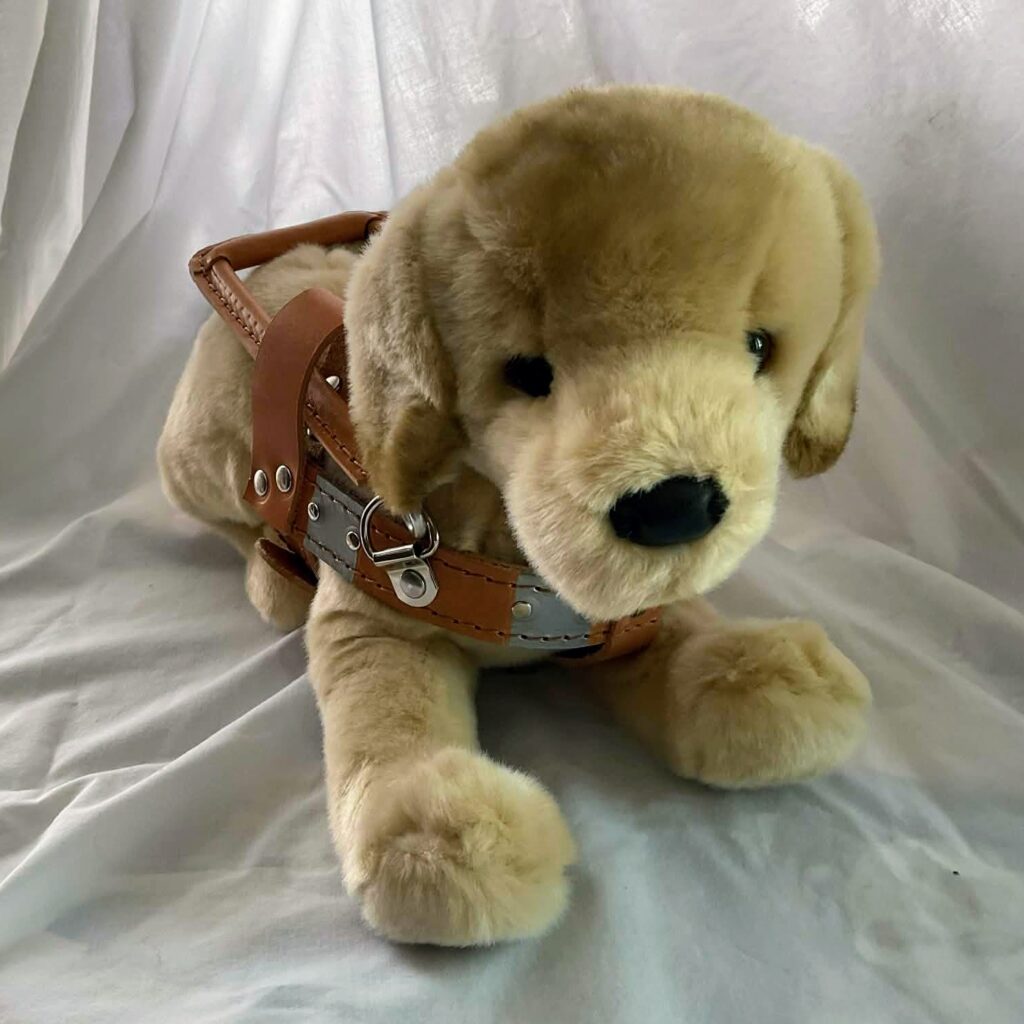
business+subscribe@guidedogusersinc.org

Welcome to Paws for GDUI News You Can Use! – VOL. VI, NO. 2, April 2026 – A Publication of Guide Dog Users, Inc.

President: Sarah Calhoun

Editor: Andrea Giudice

Co-editor and GDUI Immediate Past President: Penny Reeder

Guide Dog Users, Inc. (GDUI) A special interest affiliate of the American Council of the Blind (ACB) since 1972

https://guidedogusersinc.org/

Toll-Free: 866.799.8436

From the Editor- Hello Fellow GDUIsters

Here is a robust issue of Paws with lots to keep you occupied! From the start- dog wisdom (the best kind)- to the very end- heaps and piles of 

ACB Convention related information … not because it isn’t important, interesting or relevant- but so as to have it all in one easy to find location! Snuggled between, like the delicious filling in your favorite sandwich cookie, are- must-not-miss events for your calendar; GDUI updates; news about apps, webinar’s, podcasts, and blogs; submissions from GDUI members; articles about how to keep your guides safe and happy; exciting news about this year’s plush guide drawing; yummy recipes; and so much more!! (I don’t want to give it all away here or you won’t read on!)

I encourage everyone to remember how easy it is to get involved- share a favorite podcast; blog; webinar ;an interesting, silly, absurd, or touching tidbit from your local paper; something you wrote yourself or written by someone else; a helpful app or other resource; even a yummy recipe. Remember, submissions about guide dogs, or blindness/visual impairment are not the only topics of interest to we GDUISters!

Sending cyber hugs and wags,

Andrea and Super T

***

Canine Contemplations

  • Toto’s Topics – “My Mom buys my dog food in really big bags. (I wish she would forget sometimes and not always close them behind the closet door in an air-tight bin with a really complicated closing mechanism!) “She also has a smaller air-tight canister in the kitchen that holds about a week’s worth of food. I have heard explain that she does this so she isn’t opening the bigger container twice a day. That way the larger amount of food stays fresher longer because she is only opening it once a week to refill the daily use canister. Plus, personally, I think she likes being able to have a cute canister on the counter! *big doggie smile*)”
  • Winnie’s Wisdom – “When Mom cuts her toe-nails (she doesn’t use a Dremel, go figure) she sits on the side of the bathtub, with her legs stretched out and her feet against the far wall. That way she can easily reach her feet, and even better, the clippings don’t go flying all over the place. I admit, I am glad she doesn’t cut my nails in there, I don’t like the tub for any reason any time!”

***

For Your Calendar-

(Some of the items listed here are expanded upon later in this issue, others may be a ways off)

4/1-30/26- Registration for the 16th Annual ACVO/Epicur Service Animal Volunteer Eye Screening Event

4/1-4/30/26- Autism Awareness Month

4/1-4/30/26- National Poetry Month

4/19-25/26- National Library Week!!!

4/22/26- Earth Day!!!

4/22/26, 6:00PM, (Eastern)- poisoning risks for pets (virtual)

4/25/26, 10AM to 2PM- Prescription Drug Take Back Day

4/26/26, 7:30PM (Eastern)- It’s the law Uber Technologies suit discussion(via Zoom)

4/28/26- International Guide Dog Day!!!!

5/1-31/26- 16th Annual ACVO/Epicur Service Animal Volunteer Eye Screening Event

5/3-4/26- 2nd Annual Global Blind Birder Bird-a-Thon

5/5/26- Cinco de Mayo,

5/9/26, 5:00PM (Eastern)- One-year anniversary Mix and Mingle Mayday – Madlib Celebration

5/10/26- Mother’s Day!

5/28/26, 7:00AM (central )- Member registration opens for 2026 ACB Conference and Convention

6/1/26, Midnight (Central)- Submission deadline for GDUI award nominations!

6/4/26- Non-member registration opens for 2026 ACB Conference and Convention

7/6/26, 11:59PM (central)- Pre-registration closes for 2026 ACB Conference and Convention

7/24-31/26- 65th annual ACB Conference and Convention 

Recurring events-

second Thursday (monthly), 7PM (Eastern)-  Get to Know the Many Faces of BARD (virtual)

Third Thursday (monthly), NLS- Smart Speaking to the Smart Speaker (virtual)

Last Tuesday (monthly), NLS- That All May eRead Program (virtual)

***

Calendar Event- 16th Annual ACVO/Epicur Service Animal Volunteer Eye Screening Event

The 16th Annual ACVO/Epicur Service Animal Volunteer Eye Screening Event Registration Launched on April 1st!

Every year 300 board certified veterinary ophthalmologist members of the ACVO choose to provide 5,000-8,000 of complimentary eye exam screenings to qualifying Service & Working Animals across the US. This year additional cities in Australia, Canada, Hong Kong and Switzerland have been added to the list.  

Registration for the screenings is through a digital form on our website- https://acvo-saves.org

ACVO-SAVES, STEPS TO REGISTER

STEP ONE: Check if a city near you has a clinic participating this year. This is our final list for 2026.  

https://acvo-saves.org/participating-cities

STEP TWO: Review the Qualifications, Expectations, and Registration Information to be sure that your Service or Working Animal is qualified for this event. 

https://acvo-saves.org/qualifications-expectations

STEP THREE: If you wish to participate, please find the event registration form link provided on the bottom of that same Qualifications, Expectations, and Registration page.  

https://acvo-saves.org/qualifications-expectations

STEP FOUR:  Add ServiceAnimal@ACVO.org to your safe senders list in your email client! You should receive an automatic confirmation email to the address provided. This confirmation contains the participating clinic link you will need to contact and make your ACVO-SAVES eye screening appointment in May. (Kindly check your spam/junk folder and wait at least 30 minutes before emailing us to request a duplicate confirmation).  

STEP FIVE: Call or email your preferred location to make an appointment. This step must be completed to secure a spot at the clinic you prefer. Plan to provide your registration number, name (yours and Service Animal), type of Service Animal, and know that the clinic may require you to bring written proof of Service Animal training to the appointment. Appointments are on a first come, first serve basis and some locations may have limitations. One Service Animal is allowed per registration. 

Please remember that locations/appointments may be limited in your area, they can change annually. We ask for patience and kindness to the clinics’ staff. Everyone participating is volunteering their time and resources, and we would love for this event to continue to be a positive experience for all involved!

Don’t forget to follow us on our Facebook and tag us on our Instagram accounts! We love seeing your Service Animal’s ‘happy face’ when they visit our clinics!

https://www.facebook.com/ACVONationalServiceAnimalEyeExam

https://www.instagram.com/acvoofficial/

Don’t forget to ‘Like’ the event on Facebook and follow us on Instagram. If you have an Instagram account, post your pictures of the event with #ACVO-SAVES for everyone to see! To past participants who shared photos and stories with us… thank you!

THANK YOU PARTICIPATING VETERINARY OPHTHALMOLOGISTS, THEIR STAFF AND OUR NAMESAKE SPONSOR, EPICUR!

The ACVO/Epicur Service Animal Volunteer Eye Screening event is a philanthropic effort generously provided to the public by participating board-certified Diplomates of the American College of Veterinary Ophthalmologists who donate their time, staff, and services to provide complimentary screening eye exams to qualified Service and Working Animals.

This program would not be successful without the generosity of our Diplomates and the financial support of our namesake sponsor, Epicur Pharma (https://epicurpharma.com/).

***

Calendar Event- Poisoning Risks for Pets

Upcoming Online Event

(PET HEALTH WEEKLY NEWSLETTER, Schwarzman Animal Medical Center, usdaninstitute@amcny.org)

Our beloved pets are curious by nature. This curiosity, paired with their tendency to explore the world with their mouths, makes them vulnerable to accidents.

Join us on Wednesday, April 22 at 6:00 PM ET on Zoom as Dr. Renee Schmid, Director of Veterinary Medicine and Senior Veterinary Toxicologist at Pet Poison Helpline, discusses poisoning risks for pets. She will cover both common toxins and lesser-known hazards, review signs of exposure, and share practical guidance on what to do if your pet gets into something concerning.

Please email UsdanInstitute@amcny.org with any questions

Register for the “Pets & Poisons” Webinar- https://app.glueup.com/event/pets-and-poisons-prevention-warning-signs-and-what-to-do-next-173862/

***

Calendar Event- Prescription Drug Take Back Day

On Saturday, April 25, from 10:00 am to 2:00 pm, communities nationwide will participate in National Prescription Drug Take Back Day. This event provides a safe, convenient, and anonymous way to dispose of unused or expired medications. 

Did you know that prescription drugs thrown in the trash can be retrieved to be abused or illegally sold, or that drugs flushed down toilets contaminate the water supply? The drug overdose epidemic in the United States is considered a public health, public safety and national security threat. We can help prevent and reduce medication misuse and opioid addiction by properly disposing of any unneeded medications at home. Too often, unused prescription drugs find their way into the wrong hands, creating a dangerous and often tragic situation.

The Drug Enforcement Administration hosts National Prescription Take Back Day during the last Saturday of the months of April and October. DEA sponsors collection sites throughout the country where medications can be dropped off for proper disposal. CBP encourages everyone to bring any expired, unused or unwanted medications to designated collection sites for proper disposal.  

Next Take Back Day: Saturday, April 25, 2026

To prepare for Take Back Day-

  • Locate all medications in your household and ensure that they are securely stored (all lids are tightly on bottles, away from the reach of children and pets, etc.);
  • Inventory the medications and identify which are unwanted and/or have expired dates;
  • Label each of those identified medications with clear signage that indicates disposal; and
  • Take them to a collection site between 10 a.m. and 2 p.m.

Missed Take Back Day? Use the collection site locator to locate the closest authorized collector for year-round disposal- https://www.dea.gov/takebackday#collection-locator

***

Calendar Event- It’s the Law!

Join Golden State Guide Dog Handlers on Sunday, April 26, from 7:30–8:45 PM EST to hear retired lawyer Linda MacLeod discuss her experience suing Uber Technologies, Inc. in Small Claims Court after being denied rides because of her guide dog. She’ll walk through the process—from filing her claim to collecting damages—share practical insights, and take questions. Send a message to the group for the Zoom information- vzavoli@gmail.com

***

Calendar Event- Birdability’s Blind Birder Bird-A-Thon

Join Birdability for the Blind Birder Bird-A-Thon, a free, two-day, community-driven birding experience designed by and for blind and visually impaired birders. Participants are encouraged to explore their surroundings through sound, celebrating access, inclusion, and belonging in birding by ear from anywhere birds sing.

May 3-4, 2026

Introducing the 2nd Annual Global Blind Birder Bird-a-Thon 2026

Registration is now open!

Register NOW to participate!

https://docs.google.com/forms/d/e/1FAIpQLSf4pTRrYsIh5BsU9HXVT2IOf8erYzmGE5M6SYNlmakqwrtK-A/viewform

What is the Blind Birder Bird-a-Thon?

A Bird-a-Thon is a birding event during which birders try to see or hear as many bird species as possible during a set period of time, in this case, a 24-hour period within two days in May.

The goal of the 2nd Annual Global Blind Birder Bird-a-Thon is to encourage blind and partially sighted birders of any age, experience, or location to head outdoors, tune in, and celebrate the sounds and songs that make birding such a powerful practice of connection.

Birders can identify species by sound or whatever sight is available to them, solo, in a group, or as part of a team, from any location in the world.

When and where?

Dates: Sunday and Monday, May 3–4, 2026

Timing: 12:01 a.m. to midnight local time either day

Participants may choose one of the two days that best fits their schedule and transportation options, and bird for at least two hours – all at once or spread throughout the day. You can bird in your neighborhood, backyard, local park, favorite trail, or anywhere you find birds.

These dates coincide with spring migration and peak bird song in many regions of the Northern Hemisphere, a perfect moment to listen for your avian neighbors and build birding community.

Who can participate?

Anyone who is blind or has low vision is warmly invited to take part. Birders may participate individually, in groups,  or as a team, and may choose to bird with or without sighted volunteers.

All are welcome,  from experienced birders to beginners just discovering their first birdsong.

How does it work?

Participants count any bird they hear or see during their 24-hour period, which will be reported to your country’s species compiler. You may use tools such as the Merlin Bird ID app or recording devices to assist in identification. If you bird with a sighted partner, birds they identify can be counted if you also hear or see them yourself.

There is no cost to participate – this is about awareness and community building!

All participants must follow the Birding Code of Ethics (adapted below from the American Birding Association’s Code of Birding Ethics), which prioritizes the welfare of birds and respect for people, property, and place.

Blind Birder Community Conversations

 In anticipation of our 2026 bird-a-thon, we are hosting a series of opportunities for learning and community-building each month. All sessions will be held on Tuesdays at 7 p.m. ET. Recordings will be available for all registrants. You don’t have to attend any of the sessions to participate, but you are welcome to attend as many as you would like.

November 18, 2025- Mnemonics and Birding by Ear with Jerry Berrier

for those who weren’t able to join us for this session, which offered participants an introduction to birding by ear and practical tools for remembering bird sounds using mnemonics, The video recording of the 1st Community Conversation is available at

https://youtu.be/xnOaknMFuCY

December 9, 2025- Merlin Identification with Alli Smith from Cornell Lab of Ornithology

Merlin Bird ID app has connected over 30 million people to the world of birds with its almost magical ability to identify species by sound. This talk will cover how Merlin works behind the scenes and the vital role that birders play in building and improving it. The video recording is available now at- https://www.youtube.com/watch?v=BkcdrGbXrb8

January 20, 2026- Using Equipment & Apps to Record Bird Sounds with Jerry Berrier The video recording is 

Curious about how to capture the soundscape around you and bring those recordings home to enjoy and study later? In this session, longtime blind birder and audio enthusiast Jerry Berrier will discuss a variety of accessible tools for recording bird sounds, from simple smartphone apps to more advanced gear. We will talk about what equipment works well for blind and low vision birders, how to get started without spending a lot of money, and practical tips for organizing and sharing your recordings so that listening can deepen both your bird identification skills and your connection with the natural world. for those who weren’t able to join us for this session, it is available at- https://youtu.be/xnOaknMFuCY

February 3, 2026- The Pleasures of a Bird Soundscape with John Kricher

Birds are commonplace and diverse in virtually all of the world’s habitats.  They are audio-visually oriented as to how they perceive their world and audio perception is often more important than visual.  John Kricher will explain how being attuned to bird sound provides knowledge, learning, and satisfaction.   

March 10, 2026- Living on the Wind: How and Why Birds Migrate with Scott Widensaul   

Scott will discuss how migratory birds travel extraordinary distances each year, navigating through means that seem more like science fiction than natural history, undergoing almost incomprehensible physical changes as they move across tens of thousands of miles.

April 14, 2026- Blind Birder Bird-a-Thon Info Session   

The Blind Birder Bird-a-Thon Info Session is a gathering created by and for blind and low-vision birders, as well as sighted allies, to learn about this global celebration of birds and belonging. Join us to explore how the event works, receive practical tips for accessible birding by ear, and discover resources that can help you and your community participate.

These sessions are open, informal, and designed to support both new and experienced participants. You’ll learn birding-by-ear skills, explore technology for recording and identifying sounds, and connect with a growing community of blind and low-vision birders.  You can register for sessions at this link.

Prizes and celebration

All registered participants in the U.S. will be entered into a drawing for donated items. Other participating countries may hold their own drawings, and a list of other countries participating and their contact information will be made available as the event approaches.

After the event, we’ll gather virtually for a post-event celebration to share stories, celebrate results, and reflect on what we learned. Check back soon for an updated list of prize donors and celebration details!

Questions?- For questions, contact Martha Steele at marthajs@verizon.net

Resources for sighted volunteers and bird clubs:

For sighted folks or birding clubs interested in supporting the Bird-a-Thon, please check out these resources:

Brookline, MA created a video called How to Guide a Person With Vision Loss which is a good explainer of how to offer assistance and then guide someone desiring your assistance. Produced by the Town’s Commission on Disability, along with Brookline Age-Friendly Cities TV and Brookline Interactive Group, the video is simple and offers repetition in the demonstrations to make learning and remembering easy.

https://www.youtube.com/watch?v=8eddk-5SBv8

In addition, you can find more birding-specific information in this guide called Birding Field Trips for All that was created by Southern Wisconsin Bird Alliance, in collaboration with Wisconsin Council of the Blind and Visually Impaired. 

https://static1.squarespace.com/static/55c0d7e5e4b05b835010c1f4/t/5d1111552a4f8a0001ffa19b/1561399638540/Birding+By+Ear_Guide+for+Leaders_June+2019.pdf

Adapted Birding Code of Ethics (abridged)

Put birds first. Avoid disturbance, respect habitat, and never use playback recordings to attract birds.

Respect people and places. Follow laws and obtain permission when needed.

Keep bird feeders and nest structures safe.

Be a community birder. Share knowledge generously and practice inclusion in every space you bird.

***

Calendar Event- One-year Anniversary Mix and Mingle Mayday – Madlib Celebration

Save the Date!

Join us as we celebrate one full year of GDUI Mix & Mingle events!

Date- Saturday, May 9

Time- 5:00 PM Eastern

Come enjoy-

  • A lively GDUI Mad Lib activity
  • A brief check-in with attendees
  • Conversation and connection
  • and of course, A door prize

This event is open to current members, past members, and guests. 

Bring someone who may be interested in GDUI or who supports guide dog users.

We look forward to celebrating with you!

Patty L. Fletcher – Guide Dog Users – GDUI Membership Committee Chair.

****

GDUI Award Committee is Accepting Nominations for This Year’s Awards!

Do you know someone who has made significant contributions to the lives of guide dogs and their handlers?  Guide Dog Users, Inc. (GDUI) would like to

hear from you! 

Each year during its annual convention, GDUI recognizes three outstanding individuals who have made significant contributions to the lives of guide dog teams through their dedication, work, advocacy, and support.  Each award is given to honor the individuals for whom they are named, and to recognize the outstanding recipient of the year. 

  • The Ethel Bender Award:  This award is presented each year to honor a sighted person or organization that has provided significant service to the cause of enhancing the well-being of the guide dog and handler community.
  • The Moffitt-Gleitz Award:  This Award is presented to a person who is blind

and who has significantly contributed to the well-being of the guide dog handling community, and who by his or her contributions, has earned the gratitude and recognition of Guide Dog Users, Inc.

  • The Lieberg-Metz Media Award:  This award may be presented to an organization, company, or individual, either sighted or blind, who has made

a positive difference in the lives of guide dog teams through radio,

podcasts, television, electronic media, magazines, newsletters, newspapers or books. 

 Each nomination should contain the name and contact information for the nominee, the name of the person nominating, the award for which the person

is being nominated and a justification for why you think this person or

organization should receive this award. Only members of GDUI may submit

nominations.

 Nominations must be received by midnight Central time, Monday, June First, 2026, and should be submitted to Olivia Norman, GDUI awards chair, at

awards@guidedogusersinc.org  

Questions may be directed to Olivia Norman,  (202)360-7116 or

awards@guidedogusersinc.org  

The GDUI Awards Committee 

 Olivia Norman

Lolly Lijewski

Becky Davidson

Sarah Calhoun

****

Drawing for Five Plush Dogs in Harness at GDUI 2026 Convention!

We are, yet again, beyond lucky to be the recipients of the generosity and artistry of Hava! The drawing for plush guides in hand-crafted leather working gear features 5 entries- all different breeds! So, meet this year’s string!

  • Snickers a female chocolate lab (15” nose to tail, 9” at top of her head)

Don’t let the fact that she is in a play bow cause any concern, Snickers takes her job seriously. However, when her harness comes off she loves nothing better than to cuddle with you!

  • Ruffles- a female yellow lab (15” nose to tail, 9” at top of her head )

Ruffles is a girl who is devoted to duty.  She loves being at your side; play time- indicated by her being in a play bow ;and in her kennel- where she really digs a nap! No worries, the words “let’s go to work” revs her out of dreamland and into the harness.

  • Louis(in honor of St. Louis)- male black lab (15” nose to tail, 9” at top of head )

Louis thinks of guiding as his super power.  He loves playing with his ball- he is in a play bow  after all, but when he sees the harness come out, he practically leaps into it!

  • Kelly (in honor of a friend of Hava‘s who recently passed away)- female golden retriever- (17” tip of nose to tip of tail, 12 “ to top of head)

She is a girl who loves to play, but with her harness on she stands tall and is all business!

  • Valor( after a very special Shepherd Guide)  male German Shepherd Dog- (17” nose to tail, 11” to top of ears)

Valor has a high prey drive so he is really annoyed by squirrels. He tries to hide this from you, which is why he is standing in a relaxed way, not at attention, so as to advertise his squirrel gazing. Tell him to get back to work and he will immediately return to laser-focused guiding!

All five of these amazing plush guides are kitted out in hand-crafted Hava original tan leather harnesses, with tan leather handles, and martingale straps (similar to the Seeing Eye harness style)

****

The Puppy Grew Up and Became- by Patty L. Fletcher         

(In honor of Guide Dogs, puppy raisers, Trainers, and Handlers Everywhere!)

Once upon a time long ago,

When you were very small you know.

In the morning’s early dawn you were born,

But all too soon from your mother you were torn.

You were sent to live far away with a family you thought forever you would stay.

You learned the neatest and most awesome tricks.

So much more than chasing sticks.

You learned to sit to rest to lay,

You learned to obey in every way.

You did all these things so very well,

And every day you grew.

All too soon your life changed again,

And you made another new friend.

He was your teacher, your very own guide.

Would you forever walk by his side?

No! This was not to be.

You learned all you could from him,

And then,

You were given to me.

Fast we became best of friends,

And it is with me you will now stay until our work together ends.

***

Safety Alert: Accidental Medication Ingestion

(PET HEALTH WEEKLY NEWSLETTER, Schwarzman Animal Medical Center, usdaninstitute@amcny.org)

Apoquel® Chewable is a prescription allergy medication commonly used in dogs. The tablets are small and pork-liver flavored, which makes them easy to administer — but also appealing to both dogs and cats. Pets that gain access may quickly consume multiple tablets, or even an entire bottle.

After the chewable formulation was introduced in 2023, pet poison control centers reported a marked increase in pets becoming ill after ingesting medication not prescribed for them or consuming more than their prescribed dose. Cases have involved both dogs and cats.

Store all medications in a locked cabinet, out of reach of pets. If you suspect your pet has ingested medication not prescribed for them or consumed more than prescribed, seek veterinary care immediately. You can also contact a pet poison control center for guidance:

  • Pet Poison Helpline: (855) 764-7661 (consultation fee applies)
  • ASPCA Animal Poison Control Center: (888) 426-4435 (consultation fee applies)

For more tips on medication safety, visit the link below.

Medication Safety for Pets- https://www.amcny.org/pet_health_library/medication-safety-for-pets/

***

R.I.P. John Byfield

(NAGDU Discussion Group- https://groups.google.com/a/nagdu.org/g/discuss/)

We learned today of the passing of John Byfield. John was likely the most prolific experienced guide dog trainers who ever lived – and that is not hyperbole. John began training guide dogs in the U.K. when he was twenty years old. He trained my current guide dog, Trooper, when he was eighty-three. Trooper was not his last dog to train but nearly.

***

Important Reminder From the GDUI Disaster Assistance & Preparedness Committee (Dapp)

I’d like to take a moment to share an important reminder from the GDUI Disaster Assistance & Preparedness Committee.

We know it has been a long and challenging winter for many, and with recent flooding in Hawaii and the upcoming spring and summer storm seasons, it’s more important than ever to be prepared and to know where support is available.

Our program offers a $200 disaster assistance grant to guide dog handlers across the United States who are impacted by emergencies. Whether it’s severe weather, unexpected events, or other crises, we are here to help support you and your guide dog during difficult times.

If you or someone you know may need assistance, please don’t hesitate to reach out. You can learn more or contact the program here:

http://www.gdui.org

Phone: 866-799-8436

Please remember—you are not alone. We are here for you, and we are ready to help when you need us most.

Stay safe and take care.

Sincerely,

Tammy Robbins  DAP committee chair

***

2026 GDUI Blessing Recording Available

You may play or download the GDUI 2026 blessing at the following link. The technical issue which we encountered during the live sharing of this blessing should be resolved in the file below. We are grateful to Laurel and Audrey for another beautiful and heartfelt blessing, and thanks to all who submitted the names which were included.

https://drive.google.com/file/d/13kKsm9mc3U-o4PGq2QeTxKYCbfmoVk6v/view

***

DOJ’s Interim Final Rule Regarding ADA Title II

(acblists.org, March 16, 2026)

Dear ACB community,

The US Department of Justice may be coming out with an interim final rule (IFR) without public comment regarding Title II of the ADA. This is an unusual step, as IFRs without public comment are generally reserved only if agencies have a good cause finding that taking comments from the public would be impracticable, unnecessary, or contrary to the public interest. Although we do not know what the IFR will say until it is published, it is likely to alter the protections of Title II of the ADA which we fought so hard for. ACB, along with our colleagues at other the disability rights organizations, has requested a meeting with OIRA, the Office of Information and Regulatory Affairs, in order to document our opposition to this IFR and make our case that the IFR be withdrawn. Some meetings with other orgs have already taken place, but ACB is still waiting for our meeting to be scheduled. We will provide updates as this situation develops.  Thank you.

Sincerely,

Grace Hart, Operations Administrator, Advocacy & Accessibility

American Council of the Blind

202-978-2593

****

Looking for Transportation?

Find local transportation programs by searching the Rides in Sight database

(Hadley Headlines April 2026)

Rides in Sight is a free, nationwide database that helps older adults and people with vision impairments find information about local transportation options. Visit Rides in Sight and type in your zip code or state to see what options are available where you live. 

https://ridesinsight.org/?utm_source=sfmc&utm_term=Rides%20in%20Sight&utm_content=134219&utm_id=8105b083-44ce-43ed-8f2a-af76f4b71c1d&sfmc_activityid=82234a02-702e-4700-a9cd-501a83fd1aa4&utm_medium=email&utm_campaign=2026.04%20Hadley%20Headlines

You can also call them at 855.607.4337.

***

Ask Emily and Garth: Boundaries and the Wisdom of the Working Dog.

By Barbara Hinske and Anthony Corona.

Dear readers,

Welcome back to another visit with Emily and Garth, where lived experience, a little humor, and a lot of heart come together to explore life with our beloved Guide Dogs.

Before we begin, a gentle reminder: we are not professionals. For any medical or behavioral concerns, please consult your veterinarian and your Guide Dog school.

Now, let us step into today’s questions.

Question one: Emma from Austin, Texas.

Dear Emily,

I have several family members who override my guidelines with my Guide Dog Pixie. I have tried to explain to them over and over again that feeding her table food or any food that I have not approved of is not OK. Sometimes they will say things like she looks hungry or she really wants a cookie or a piece of meatball and it is very frustrating. I will at times allow my family to give her an approved treat such as Charlie bears or baby carrots or a piece of apple but how do I get my family to understand it is not OK for them to feed her without my permission.

Emily responds:

Dear Emma,

Oh, I feel this one in my bones. There is something about a sweet Guide Dog face that turns otherwise reasonable humans into snack bandits with zero boundaries.

Here is the truth wrapped in a bow of love and firmness: your dog, your rules. Full stop.

Pixie is not just a pet. She is your partner, your mobility support, your safety system. When people feed her without permission, they are not just sneaking a treat. They are interfering with her training, her focus, and potentially her health.

I would suggest a two-part approach.

First, have a calm but direct conversation when Pixie is not present. Let your family know this is not about being strict or unkind. It is about safety, consistency, and respect. You might say something like, when you feed Pixie without asking me, it makes her job harder and can put me at risk. I need you to respect this boundary every time.

Second, give them a clear yes option. You are already doing this beautifully. Approved treats, given only with your permission. This lets them still feel included without crossing the line.

If they continue, it is okay to reinforce the boundary in the moment. A simple, please do not feed her, I have already explained why, said calmly but firmly, can go a long way.

And if needed, remove Pixie from the situation. Sometimes the strongest message is action.

You are not being difficult. You are being responsible. Pixie is lucky to have you steering the ship.

With understanding and a gentle but sturdy backbone,

Emily.

Garth responds:

Dear Emma,

Let me translate this into dog language for a moment.

Random food from random hands equals confusion.

Confusion equals a distracted dog.

A distracted dog is not doing their job.

And I take my job very seriously.

When your family slips Pixie a meatball or a cookie, they are not just being generous. They are teaching her that rules are optional and that anyone might be the snack dispenser. That is a slippery slope, and not the fun kind that ends with belly rubs.

Here is what I would do if I could stand on two legs and give a speech.

No freelancing with the food.

Only the human with the harness gets to decide.

If they want to help, they can use the approved treats and only when you say so. Otherwise, hands off the menu.

And if they forget, well, a little reminder goes a long way. You can say it nicely. You can say it firmly. But say it every time.

Consistency is how we dogs understand the world. Break the pattern and we start writing our own rules, and trust me, our rules usually involve snacks at all hours.

You are not being strict. You are keeping the contract clear.

And Pixie? She will thank you by doing her job like the superstar she is.

With a wag, a watchful nose, and just a hint of side eye for unauthorized meatballs,

Garth.

Question two: Lawrence from Tacoma, Washington. Dear Emily and Garth,

I have been working with my Guide Dog Dollar for eight years now and I am noticing that he is slowing down a little bit and seems to get distracted more easily, especially around garbage cans and areas where other dogs have been. He is still pretty good with dog distractions and ignoring people who want to interact with him while we are working, but his slowing or stopping to sniff is becoming more frequent. What can I do to remind him that he is still a working dog and do you have any suggestions on how to incorporate a few more breaks in our working stride when we are on longer work days or longer walks.

Emily responds:

Dear Lawrence,

Eight years is a beautiful long partnership. That right there tells me you and Dollar have built something solid, something earned step by step, curb by curb.

What you are seeing is not failure. It is time tapping you on the shoulder.

As Guide Dogs mature, they often begin to slow, not just physically but in how they engage with the world. Those interesting smells you mentioned, they start to matter more. Think of it as a seasoned traveler pausing to notice the scenery.

You can absolutely reinforce his working mindset. Use your voice, your praise, and your cues with intention. A well-timed forward command, paired with encouragement, can remind him of the job. Reward the moments when he chooses focus over distraction.

At the same time, this is where partnership deepens.

Build in breaks before he asks for them. If you know you have a long route, plan small pauses. Let him sniff, reset, breathe. When he gets that opportunity in a structured way, he is more likely to stay engaged during work time.

You might think of it like chapters in a book. Work, then pause. Focus, then release. It keeps the story flowing without burning out the main character.

Also, consider checking in with your Guide Dog school. They can help you assess whether Dollar is simply aging gracefully or beginning the transition toward retirement.

There is no loss in this stage. There is only evolution.

You are not just guiding each other through streets anymore. You are guiding each other through time.

With warmth and respect for the journey,

Emily.

Garth responds:

Dear Lawrence,

Eight years on the job? That is not just a career. That is a legacy.

Let me give it to you straight from the canine side of the leash.

The world is basically a giant newspaper written in scent. Every garbage can is breaking news. Every patch of sidewalk is a headline. After eight years, Dollar has read a lot of stories, but he still wants to check the latest edition.

That does not mean he has forgotten his job. It means he is experienced enough to know there is more than one thing happening at once.

Here is the deal.

Remind him of the job with your cues, yes. A confident forward, a bit of praise when he locks back in, maybe a well-timed reward when he chooses work over sniffing. We do notice those things.

But also, give the guy a scheduled sniff break. Not a sneaky one. A real one. Harness off or relaxed, go ahead and read the news, my friend.

When we know a break is coming, it is easier to stay focused during work time. When we never get one, well, we start trying to take them anyway.

Also, a little honesty from one working dog to a human.

Slowing down happens. Bodies change. Noses get wiser. Energy shifts.

That is not the end of the story. It is just a different chapter.

Keep an eye on how he is doing overall. If the distractions are increasing a lot or the pace changes significantly, a check-in with your Guide Dog school is a smart move.

But do not forget this part.

He is not just your Guide Dog. He is your partner who has been showing up for you every single day for eight years.

So yes, keep him on task.

But also let him enjoy the occasional headline.

With a professional nose and just enough sass to admit I would absolutely stop at that garbage can too,

Garth.

Dear readers,

Do you have a question for Emily and Garth. Send it in to Sunday edition at anthonycorona.com.

Barbara Hinske’s latest novel in the Emily and Garth series, Growing the Circle, is available wherever you get your books or audiobooks. When you do, please take a moment to like, comment, and leave a review. Every acknowledgment helps drive the algorithm and helps the Emily and Garth stories reach as many people as possible.

For more Emily and Garth, along with a full menu of stories, podcasts, and features, visit www.anthonycorona.com, the home of the Sunday Edition family of podcast and digital media content services.

****

Drawing for Five Plush Dogs in Harness at GDUI 2026 Convention!

We are, yet again, beyond lucky to be the recipients of the generosity and artistry of Hava! The drawing for plush guides in hand-crafted leather working gear features 5 entries- all different breeds! So, meet this year’s string!

  • Snickers a female chocolate lab (15” nose to tail, 9” at top of her head)

Don’t let the fact that she is in a play bow cause any concern, Snickers takes her job seriously. However, when her harness comes off she loves nothing better than to cuddle with you!

  • Ruffles- a female yellow lab (15” nose to tail, 9” at top of her head )

Ruffles is a girl who is devoted to duty.  She loves being at your side; play time- indicated by her being in a play bow ;and in her kennel- where she really digs a nap! No worries, the words “let’s go to work” revs her out of dreamland and into the harness.

  • Louis(in honor of St. Louis)- male black lab (15” nose to tail, 9” at top of her head )

Louis thinks of guiding as his super power.  He loves playing with his ball- he is in a play bow  after all, but when he sees the harness come out, he practically leaps into it!

  • Kelly (in honor of a friend of Hava‘s who recently passed away)- female golden retriever- (17” tip of nose to tip of tail, 12 “ to top of head)

She is a girl who loves to play, but with her harness on she stands tall and is all business!

  • Valor( after a very special Shepherd Guide)  male German Shepherd Dog- (17” nose to tail, 11” to top of ears)

Valor has a high prey drive so he is really annoyed by squirrels. He tries to hide this from you, which he is standing in a relaxed way not at attention so as to advertise his squirrel gazing. Tell him to get back to work and he will immediately return to laser-focused guiding!

All five of these amazing plush guides are kitted out in hand-crafted Hava original tan leather harnesses, with tan leather handles, and martingale straps (similar to the Seeing Eye harness style)

****

Court Denies Uber’s Motion to Dismiss DOJ Lawsuit

Applying the Americans with Disabilities Act to Ridesharing Companies

April 10, 2026 LSB11417

[From: Applying the Americans with Disabilities Act to Ridesharing Companies – EveryCRSReport.com]

Emerging technology  often creates new issues in antidiscrimination law. Technologies like rideshare apps have opened up convenient transportation opportunities for many people with

and without disabilities; however, some people with disabilities have alleged that these new services are leaving them behind. In September 2025, the Department

of Justice (DOJ) 

sued Uber Technologies, Inc. (Uber), alleging that the company discriminated against passengers with disabilities. The DOJ is bringing claims under 

Title III  of the  Americans with Disabilities Act

 (ADA), which prohibits disability discrimination by certain transportation operators and requires them to make reasonable accommodations for passengers with disabilities. On March 5, 2026, the district court  denied  Uber’s motion to dismiss.

The DOJ’s suit is the latest foray in ADA litigation against the ridesharing companies Uber and Lyft, Inc. (Lyft). Passengers with disabilities have also

attempted to enforce the ADA against these companies with mixed success. Blind passengers have achieved victories in the early stages of litigation and

at one point entered into a nationwide settlement with Uber to secure their right to travel with service animals. Passengers who use wheelchairs, on the

other hand, have settled some cases but struggled to convince courts that ridesharing companies must make changes to better serve their needs. This Legal

Sidebar reviews the portions of the ADA that may govern ridesharing companies and the application of that law in recent litigation. The Sidebar then turns

to DOJ enforcement actions—including the pending lawsuit against Uber.

Does the ADA Cover Ridesharing Companies?

Congress  enacted  the ADA to “provide a clear and comprehensive national mandate for the elimination of discrimination against individuals with disabilities.” To that end,

the primary titles of the ADA address disability discrimination in three broad contexts: employment ( Title I ), state and local government ( Title II), and public accommodations and commercial facilities (Title III). Title III contains two provisions that may apply to ridesharing companies. First, the law  prohibits  disability discrimination in “specified public transportation services provided by a private entity that is primarily engaged in the business of transporting

people and whose operations affect commerce.” In turn, the law 

defines  “specified public transportation” as transportation by any vehicle other than aircraft “that provides the general public with general or special service (including charter service) on a regular and continuing basis.” Regulations from the Department of Transportation, which 

shares authority  with the DOJ for implementing Title III,  make clear

 that this provision applies to taxi services. Second, Title III 

applies  to “any person who owns, leases (or leases to), or operates a place of public accommodation.” The law  defines  “public accommodation” to include a “travel service … or other service establishment.”

In litigation, the ridesharing companies Uber and Lyft have 

Argued  that these provisions  do not cover  them. Addressing ADA’s provisions governing specified public transportation, the ridesharing companies  contend

 that they are not “primarily engaged in the business of transporting people,” because the companies do not own, lease, or dispatch cars. Rather, they

argue, they develop and license software platforms to allow independent drivers and riders to connect. In their view, this distinction makes them technology companies, not taxi services.

Courts have largely disagreed and held that Uber and Lyft are covered by Title III’s rules for specified public transportation. In one representative 

order, the U.S. District Court for the Northern District of California pointed out that Uber has held itself out as a transportation company in the past and that it has significant control over the rides offered through its platform, including where services are offered, the types of services available, the price of rides, and driver standards. The court, and 

others like it, held that such facts subject ridesharing companies to Title III.

The ridesharing companies have also asserted that they do not “operate a place of public accommodation” because they do not own or operate any property

open to the public. At least  one court

 has agreed, holding that “places of public accommodation” must be “actual, physical places” such as a storefront or office, and that neither the vehicles

that drive for ridesharing companies nor the customers’ pick up and drop off locations qualify. Other  courts  have  entertained  the claim that Uber and Lyft could be public accommodations without issuing a definitive ruling. Whether ridesharing companies are covered as specified public transportation services or as public accommodations makes little difference to their legal

obligations. So long as one of these provisions applies, the substantive requirements under the ADA are the  same.

The next section discusses how those requirements have been applied in cases against Uber and Lyft.

What Does the ADA Require of Ridesharing Companies?

Under the ADA, specified public transportation services and public accommodations must follow a number of antidiscrimination requirements. As relevant

to suits against ridesharing companies, both in substance and frequency, discrimination under the ADA and its implementing regulations includes

list of 6 items

  • denying service to people with disabilities or providing them with unequal services;
  • failing to “make reasonable modifications in policies, practices, or procedures” when necessary to allow people with disabilities to use their services, unless

the defendant can show that a requested modification would “fundamentally alter” its services;

  • imposing unnecessary “eligibility criteria that screen out or tend to screen out” people with disabilities from using the defendant’s services;
  • refusing to remove physical and communication barriers when doing so is “readily achievable”;
  • refusing to transport riders with service animals or stow mobility aids; and
  • charging additional fees to people with disabilities, including fees for reasonable modifications.

list end

The ADA does not require any company to purchase accessible automobiles.

Per CRS review of the case law, most private ADA litigation against ridesharing companies has been brought by or on behalf of wheelchair users seeking access to wheelchair accessible vehicles (WAVs) through Uber and Lyft, and blind passengers seeking to enforce their right to travel with service animals. The DOJ has litigated against Uber and Lyft over drivers’ alleged refusal to transport stowable mobility aids, allegedly discriminatory 

wait-time fees, and 

other issues.

Litigation to Increase WAV Availability Prospective Uber and Lyft passengers who use wheelchairs have filed lawsuits arguing that the companies are violating the ADA by failing to make WAVs available

to them. Both Uber and Lyft allow riders to hail WAVs in a limited number of jurisdictions, through UberWAV

 and  Lyft Wheelchair rides

 (formally called Lyft Access), respectively. 

According to records developed in litigation, the companies have largely offered WAV services only in jurisdictions with local regulations either requiring these services

or incentivizing them, or where the companies have developed partnerships to subsidize such services.

Plaintiffs

 in cities where Uber and Lyft either do not offer WAVs or where riders allegedly experience lesser service have argued that Uber and Lyft could change their practices to make WAV service broadly available. Wheelchair users have also 

argued that Uber’s vehicle rules barring aftermarket modifications effectively keep WAVs off their app. At least one set of plaintiffs has 

claimed that Lyft’s failure to display its accessible mode in their region violates the ADA’s requirement that companies remove barriers to access when doing

so is “readily achievable.” Courts have held

 that such allegations present plausible ADA claims. That is, 

courts thus far have accepted, at the outset of litigation, that Uber and Lyft could be required to modify their services to make WAVs more broadly available.

Some of these cases have settled on confidential terms after plaintiffs survived Uber’s and Lyft’s initial attempts to have the suits dismissed.

Plaintiffs have been much less successful once the evidence has been fully developed at trial. In the three cases CRS has identified

 that went to trial, the courts found for the ridesharing companies, ruling that the plaintiffs had not demonstrated that there was a reasonable way to require ridesharing companies to expand WAV services. The ADA requires covered entities to modify their policies to provide access to people with disabilities, but only when such modifications are “reasonable” and do not

fundamentally alter the entities’ services. Fundamentally, the courts 

held that the plaintiffs’ proposals were unreasonable because 

none was likely to result in meaningful WAV service on the apps. Whatever improvements could result from plaintiffs’ suggestions, courts have 

held, would not be justified by the 

cost. One court rejected

 suggestions from plaintiffs that Lyft take a trial-and-error approach, holding that the ADA requires plaintiffs to put forward “concrete” modification

proposals, not an “iterative process.” Moreover, one 

court held, it is the low supply of WAV drivers interested in driving for ridesharing companies, not those companies’ policies, that “screen out” wheelchair

users. Additionally, one court has rejected the claim that making an accessible mode available in a rideshare app is a form of barrier removal within the meaning of the ADA.

Litigation Over Service-Animal Access

Both Lyft and Uber have policies 

requiring drivers to accept passengers with service animals. Nevertheless, in 2014, the 

National Federation of the Blind (NFB) sued Uber, 

alleging that Uber violated the ADA when NFB members were routinely denied rides, charged cancellation fees after drivers denied service, and left stranded in extreme

weather. Even if drivers accepted blind riders with service animals, the NFB alleged, they sometimes harassed them. 

In denying Uber’s motion to dismiss plaintiffs’ claims, the court observed that Uber did not contest that it provided “specified public transportation service,” and

the court found plaintiffs’ allegations that Uber was a public accommodation plausible. The case settled in 2016. The settlement agreement 

required Uber to use a pop-up notification to inform drivers of their obligation to transport service animals and limited cleaning fees that could be charged for service animals. Uber also 

agreed to terminate drivers for knowingly refusing to transport a rider because of their service animal, to change its app and its website to make service animal

complaints easier to report, and to 

reimburse trip cancellation charges riders wrongfully incurred.

The agreement included a period of monitoring, which expired in 2020. NFB sought an extension of monitoring, alleging that blind riders were still commonly

turned away. The court denied the extension, stating that Uber was in “substantial compliance” with the terms of the agreement and had reduced discriminatory incidents, “albeit only

slightly.”

Litigation Over Stowable Mobility Aids

In 2020, the DOJ 

settled with Lyft over its treatment of riders with stowable wheelchairs and walkers. Unlike passengers in the cases involving WAVs discussed above, these passengers

could ride in unmodified cars but needed assistance stowing their devices. The DOJ 

alleged that Lyft drivers regularly refused to provide that assistance.

As part of the settlement, Lyft agreed to make 

changes to its wheelchair policy, and it now 

requires drivers to transport riders with “foldable mobility devices” and to assist them to stow those devices “unless physically unable to do so.” Lyft also agreed

to new procedures to ensure drivers had reviewed its policy and to train its drivers and 

discipline those who refused to take wheelchair users or harassed them. Lyft paid $42,000 to 

four named complainants and $40,000 in

 civil penalties to the United States. Lyft 

agreed to refund trip-cancellation fees, provide a $10 credit to people with disabilities who were refused service, and 

monitor compliance and report to the DOJ

 during the three-year agreement.

Litigation Over Wait-Time Fees Rideshare apps sometime charge wait-time fees for riders who take more than a few minutes to reach the vehicle. In 2021, the DOJ 

settled with Uber over wait-time fees charged to riders whose disabilities made it hard to reach Uber rides within the allotted time.

The DOJ alleged that Uber charged the fees even when it knew disability was the reason a rider could not board within the allotted time. According to the DOJ, Uber sometimes,

but not always, refunded these fees to riders with disabilities upon request. The DOJ 

alleged that Uber violated the ADA in not making a reasonable modification to its fees policy for riders with disabilities. The 

district court denied Uber’s motion to dismiss, and the case settled.

Under the settlement, Uber agreed to policy 

changes. Riders can now 

certify, via an online form, 

that they or a frequent companion have a disability and need more time to board. These riders will not be charged wait-time fees. Riders can also seek

a refund if they are charged wait-time fees for disability-related delays. In the end, the settlement provided several million dollars in 

compensation to more than 65,000 Uber users.

Lyft similarly charges wait-time fees.

As of this writing, Lyft users with disabilities can request a wait-time-fee refund if they needed more time to board due to disability. Riders can also request a waiver of future wait-time fees for disability reasons upon completing an online certification.

Latest DOJ Action: United States v. Uber Technologies, Inc.

In September 2025, the DOJ sued 

Uber alleging a number of ADA violations, some not previously litigated and some echoing issues arising in prior matters. The DOJ alleged that Uber drivers

mistreat riders who look disabled (such as walking with a 

limp)and do not accommodate riders 

who need to ride in the front seat because of a disability. According to the DOJ, some drivers 

refuse to help with stowable wheelchairs and other mobility aids, even when they help nondisabled passengers with luggage. Some drivers also allegedly 

refuse to serve riders with service animals. At times, according to the complaint, drivers tell riders that the animals should be muzzled or ride in the 

trunk; improperly ask riders for animals’ “

papers” or charge improper cleaning fees; and sometimes 

direct riders with service animals to “Uber Pet,” a higher-priced service.

Besides detailing individual drivers’ discrimination, the DOJ alleged Uber’s own actions violate the ADA. According to the complaint, Uber sometimes charges

cancellation fees when drivers refuse to transport people with disabilities. While the company will sometimes redress such fees with credits, it has allegedly capped credits

for some riders who seek them too often—even though disabled riders report frequent denials of service. Uber also allegedly fails to 

train drivers on its policies and does not discipline drivers who discriminate, in violation of ADA 

regulations.

Uber filed a motion to dismiss, which the district court 

denied. In response to Uber’s assertion that it is a technology company that is not subject to Title III of the ADA, the court 

indicated that other courts have “soundly rejected” this argument. The court also concluded that, at the motion-to-dismiss stage, Uber could not avoid the suit

by blaming its drivers. The DOJ, it said, alleged “sufficient instances of Uber’s practices and participation in the discrimination” and offered adequate allegations “that Uber maintains sufficient control over its drivers to support holding Uber vicariously liable for the drivers’ conduct.” The litigation is 

ongoing.

Considerations for Congress

As with other emerging technologies, how the ADA applies to ridesharing companies is within Congress’s control. Congress could amend the ADA to specify

whether these companies are covered and what their obligations should be. Congress can also determine whether general principles in the ADA should be amended,

or not, in light of the ridesharing cases. Courts have 

held, for example, that ADA defendants need not engage in trial-and-error processes—implementing plaintiffs’ suggested changes and then seeing if they work—to determine whether they can reasonably accommodate a person’s, or class of people’s, disability. In cases involving novel technologies or other areas that lack developed solutions for disability access, that may make it difficult for certain plaintiffs to demonstrate the availability of workable accommodations. On the other hand, trial-and-error processes may be more burdensome for ADA defendants.

If it chooses to, Congress could also address access to ridesharing platforms outside of the ADA. Several localities have passed laws

 requiring ridesharing companies to make WAVs available on their platforms. Other 

jurisdictions have financially incentivized ridesharing companies to do so, or penalized them for not providing WAV access. Congress could consider such approaches.

Lyft Reaches Settlement in Minnesota

[Dots and Dashes March 16, 2026]

The rideshare company Lyft recently reached a settlement in Minnesota that will have national implications. College student Tori Andres asked the Minnesota Department of Human Rights to investigate Lyft after Lyft drivers repeatedly denied rides to Tori and her guide dog Alfred.  

The Department found that the denials amounted to violations of the state’s Human Rights Act. The settlement includes provisions for Lyft drivers across the nation to be trained in the rights of passengers with disabilities, warnings that drivers could be deactivated if they deny rides to people with service animals or wheelchairs, and that Lyft will follow up on every complaint of ride refusal. The Minnesota Department of Human Rights will monitor Lyft for compliance with these and other terms of the settlement for three years.

 To read the full article, visit- https://apnews.com/article/minnesota-lyft-settlement-service-animals-905b73f3198cc720add9de9e309eb982

***

GDUI Position Statement: Restoring Guide Dog Handlers’ Air Travel Independence: A Call for Airlines to Eliminate Overly Burdensome Documentation Barriers

March 28, 2026

Guide Dog Users Inc. (GDUI) calls for airlines to immediately reform their documentation requirements for guide dog teams. Current Department of Transportation (DOT) attestation policies have transformed what should be a straightforward right into a complex administrative burden. This effectively limits the independence of guide dog handlers through unnecessary, bureaucratic requirements.

Core Position

GDUI advocates for airlines to recognize and accept verbal attestation as prescribed in the Air Carrier Access Act (ACAA) and the Americans with Disabilities Act (ADA) by requiring answers to the following two questions:

  1. Is that a trained service dog?
  2. What task or tasks is the dog trained to perform to mitigate a disability?

This streamlined approach would restore travel independence while maintaining legitimate safety protocols.

Today’s attestation policies:

  • Restrict spontaneous travel opportunities
  • Impose often inaccessible advance notice requirements
  • Create needless technical and bureaucratic barriers
  • Undermine the spirit and intent of access laws

Practical Solution

Our proposed verification approach would:

  • Restore travel flexibility and independence
  • Eliminate often inaccessible advance submissions
  • Reduce administrative complexity for airlines

Legal Framework

The Air Carrier Access Act established clear access rights for guide dog teams. Current policies have eroded these protections through excessive administrative requirements. Our solution better serves both safety needs and legal obligations.

Call to Action

GDUI calls upon airlines to:

  • Recognize the current ACAA and ADA attestation requirements for passengers traveling with guide dogs, along with observed behavior, equipment and visible proof of Rabies vaccination as sufficient verification
  • Eliminate advance submission mandates
  • Partner with guide dog organizations on implementation

Path Forward

GDUI stands ready to work with airlines to restore independent travel for guide dog handlers, while maintaining appropriate health, safety and security standards and addressing expressed concerns. We seek to rebuild a system that honors both legitimate concerns and the fundamental right of guide dog handlers to travel safely and independently.

GDUI Advocacy Committee

Guide Dog Users, Inc.

***

Worship Q&A-

(Pine Tree Guide Dog Users Monthly News Update: April 2026- www.PineTreeGuideDogUsers.org/monthly-news-updates)

Wondering if churches, temples, synagogues, mosques, or other places of worship are required to allow service animals? According to the ADA’s Frequently Asked Questions About Service Animals, the answer is no—religious institutions and organizations are specifically exempt. However, some state laws may still apply to these organizations.

Learn more- https://www.ada.gov/resources/service-animals-faqs/

***

Their Power Feels Like Mine’: A Dog Sled Racer Says Goodbye to Her Pack

After 20 years of racing, I wanted to take my sled dogs back into the wilderness.

By Blair Braverman

(The New York Times- https://www.nytimes.com/2026/03/18/magazine/sled-dogs-pack-racing-mushing.html)

Mushing blurs what it means to be wild. One night, my sled dogs and I were gliding through a birch forest in Wisconsin when a black wolf emerged from the

trees and ran beside us. None of the dogs even barked. They treated him as a peer, which unnerved me — the eye contact they made. If my dogs related to

the wolf, and I to them, then what did that make me? Another time, in Saskatchewan, a wolf followed us for a hundred miles. I never saw it move, but each

time I turned around, it stood in the trail with its chin high.

We were 11 of us then, crossing a chain of frozen lakes, and wind blew hard across the ice. The trail was blown smooth; sometimes the dogs stepped off

its edges and stumbled neck-deep in the fluff, or my sled caught the lip and flipped onto its side. It was cold, 30 below zero, and the wind made it colder.

My legs grew numb below the knees, and the dogs’ fur lifted in waves. At night, the aurora cast a pearly, shifting glow over the landscape. I’d turn sometimes,

look back, and sure enough, there was the wolf: always standing, watching, at the edge of my headlamp’s beam. It was chasing our crumbs, I think. I gave

each dog a frozen chicken thigh every hour, and when they chewed, they left chips of meat in the snow.

I fell in love with mushing almost two decades ago, when I was 18. I wanted to run expeditions: mushing long distances on our own, camping out in the snow.

It’s an ancient way to cross the north, and it feels ancient, a way of stepping into timelessness for as long as the trip lasts.

Still, the sport has evolved. A hundred years ago, trappers and mail carriers traversed ungroomed routes with well-muscled dogs, and hunters hauled seals and walruses home by sled. It wasn’t until the rise of long-distance racing in the 1970s — an effort to revive sled-dog culture after snowmobiles made

subsistence mushing obsolete — that dog teams grew longer, and the dogs lighter and faster. These days, most sled dogs are Alaskan huskies, a fancy name for northern-breed mutts with a yearning to pull and a dash of hound for speed.

I never intended to race. But a musher I worked for was racing anyway, and he lent me his extra team. Later, when my husband learned to mush and we got our own dogs, he liked planning for races, making measurable goals, and he encouraged me to compete. I won a two-day race against 20-odd teams in my second season, and peaked in the top five in two major marathons: the 300-mile Canadian Challenge — that year was a 40-below ordeal that half my competitors didn’t

complete — and the infamous Kobuk, which crosses 440 miles of wind-pummeled Arctic terrain.

I wasn’t a natural racer; I sought adventure more than speed. But I had two main strengths. Like the dogs, I didn’t quit. And I was efficient at checkpoints,

those camps or villages en route where teams can rest and resupply. I could churn through tasks: making straw beds for the dogs, taking off their booties,

lighting the methanol cooker, melting snow, thawing meat, doling out stew, tucking the dogs under blankets, massaging their muscles, then repeating those

steps in reverse, with little or no sleep myself, before mushing another 40 miles down the trail and doing it all again and again. Checkpoints are where

most mushers lose time, even if their dogs are fast: The sleeping bag’s too enticing, and the booties’ ice-crusted Velcro gets stuck to itself when your

hands are fumbling cold.

For a while, my racing career, like a dog sled, went only one direction: I entered longer events each season. Seven years back, I lived in a dry cabin

in Alaska, 60 miles from the nearest neighbor or road, and finished the 1,000-mile Iditarod — a colossal journey over the Alaska Range, up the frozen Yukon

River and across ice on the Bering Sea — on my first try. When the dogs and I reached trail’s end, in the tiny city of Nome, the bustling world was too

much. I wanted to turn around, where they and I could be alone.

Winters passed. My race dogs grew old, as dogs do, as people do, and retired one by one to gentler lifestyles, adventures more their speed. Their pups

and grandpups, passionate and green, took their places on the line. And then last spring, at the end of the season, my husband and I separated. We’d been

through fire: running successive Iditarods, spending years in a one-room cabin with no plumbing and 30 dogs, training the race team — a herculean task

— together. In losing him, losing the witness to my life, I felt our years together becoming less real, flattened into one human memory instead of two.

That’s the thing about divorce: You’re losing not just the future you pictured, but also the past as you knew it.

Now he has most of the dogs. After an all-consuming decade, my racing career crashed suddenly to a stop. So I began this past winter with a vision: to

gather my still-living retirees and return to the wilderness together. They’re old, so we wouldn’t go far. Just a two-day trip at the top of Minnesota.

As I, and they, faced retirement from racing, I hoped they would teach me how to move on. I hoped they knew that we would always be a team.

So many times, in the hardest moments, I’ve wished Pepé could lead my life as she does the team. Pressed my face into her neck, begged, What do I do? She

never answers. She just sits straighter and looks away.

As a lead dog, running in front of the others, Pepé’s job is to guide the team. Where she goes, the other dogs follow, and eventually I — swinging behind

them on a sled with no steering and only a metal claw that scrapes snow as a suggestion of a brake — follow, too. A musher is like a water-skier behind

a boat, making requests he cannot possibly enforce. For this reason, the relationship between musher and lead dog is intimate and intense. Each time I

call directions to Pepé — gee and haw for right and left, or on by, or straight ahead, or whoa — it’s with the understanding that she will comply only

if she agrees, and she will agree only to the extent that she regards me as competent and useful. I prove my use by learning and anticipating her needs.

I lose credibility by doing silly things like crying into the fur of her neck.

Emotion embarrasses Pepé. She is stoic and rarely wags; when she expresses excitement, it’s generally for work alone. I have a recurring insecurity that

she doesn’t like me very much. Who could blame her? She’s cooler than I’ll ever be. I can’t count the storms she has led me through, glancing back with

a look of simultaneous exasperation and pride before veering hard down some unmarked trail that happens, of course, to be a shortcut home. In the Kobuk,

on sea ice, she muscled through a ground blizzard, as the wind whipped fallen snow into a blinding haze. At the finish line, a former Iditarod champion

asked to buy her for $5,000 on the spot.

After that race, the other dogs and I rode in a snowmobile trailer around Kotzebue, a village in Alaska. Pepé, who had just run 440 miles in three days,

refused to ride with us. Instead, she kept pace, miraculously, with the machine, white paws swinging in an impossibly fast trot, ears flapping and eyes

half-closed against the ice wind.

Pepé hasn’t officially retired; at almost 13, her body has slowed, but she still trained with my ex for much of the winter, joining every run she could.

But she will, naturally, be leading this trip, along with six of her old peers. Colbert, the eldest, came from champion lines, sold from team to team until

a friend offered him to me free — and though I wasn’t looking for a dog, I saw his shaggy face and fell in love. He had a low top speed, falling back when

lighter dogs broke into a lope. But he was always first to his feet, barking to run, no matter how short the break. And man, can he eat — an asset for

sled dogs, who, despite marathon workouts that burn more than 10,000 calories at a time, don’t always care for food. (Pepé, unnervingly, takes hunger strikes

that last for days.) Once, 900 miles into a race, I woke from a nap to find Colbert grinning stupidly and discovered that he’d sneaked into my sled and

eaten 10 pounds of frozen chicken skin while I slept. We put him on a bush plane to the finish line because he was too full to run.

Spike and Clem are littermates, brothers, sons of Pepé, both 9. They’re handsome to a fault, square-jawed and robust. Clem tumbled through puppyhood, slow

and round, and found his athleticism with age. He has an unshakable good cheer and an obsession with scratches on the rump. Spike was the beast of the

litter, a jock from Day 1. He never waited for milk; he simply plowed through his siblings, knocking them aside. Now he lows like a cow at small discomforts,

like when I work a burr from his fur. Spike and Clem, though they’ve chilled with age, were cutthroat nemeses for years. I ran their sister Willow between

them to keep the peace.

Willow is plain brown, big for a girl, with the kind of wide-eyed innocence that makes you forget how good she is at raiding your pocket for snacks. She

loves breaking trail through powder and is, like her brothers, a cuddler; she’ll ram her head right into your chest.

Her daughter Dora is the youngest here, and still races sometimes, but at 7 — middle-aged — she’s lost the freneticism of her youth. She’s brilliant, desperate

to please, but used to be too energetic to sit or stay on command; for her first three years, every picture I took of her was blurred. When Dora was spayed

and needed rest to heal, I put her in a bunk in the dog truck because she liked it more than a crate. An hour later, she’d gnawed out; her head stuck through

the truck’s wall with a maniacal smile. Even being spayed couldn’t stop her: Years later, she gave birth to two puppies anyway, which seemed like a very

Dora thing to do.

Boudica, 11, is Pepé’s half-sister and a lead dog herself. She gives creepy, endearing kisses; she pushes her snout into your eyeball, then extends the

warm tip of her tongue. Years ago, Boudica was attacked by another dog, and when I couldn’t pull them apart, I threw my body over hers to shield her. Felt

her trembling beneath me, the other snarling above. This desperate move, plus emergency treatment, helped Boudica pull through. Later that year, a Jack

Russell bit me in the face; he had jumped at my dinner plate, and I, accustomed to sled dogs, growled to warn him away. That doesn’t work with terriers.

Another musher gave me nine stitches in the mouth by headlamp. Boudica and I recuperated together; we both still have the scars. I’d wake at night to find

her forehead pressed on mine.

For this reunion trip, I’m mushing from Chilly Dogs, a retirement kennel for racing sled dogs in Ely, Minn., that is run by my friend Jake Hway, his wife,

Jess, and their four ultracompetent kids. It’s where many of my older dogs now live. The kennel’s concept is simple: When sled dogs slow down, at 8 or

9 or 11, they can get discouraged. They feel bad about not keeping up with their friends. Then they come to Chilly Dogs, where they’re the youngest, and

get a new lease on life, pulling tourists at their own pace and teaching scouts how to mush in the nearby Boundary Waters Canoe Area Wilderness.

The place is cacophonous, a sea of play-wrestling and wagging tails, but I try to stay focused, packing my sled with gear and straw and meat. It feels

good to gather the team. Pepé scouts the trail while I prep Colbert, pulling the harness snug on his thick chest. Clem pushes his head against my cheek.

When the dogs are hooked up, they jump and wail, desperate to start the run. I grip the sled hard and untie the rope that holds them back.

Then the dogs surge, and the sled yanks me forward, and we’re flowing down a narrow trail through ice-glazed aspen and black spruce. There’s the sound

of breath, the hish of the runners, the sled rattling slightly over bumps. It’s just after noon, but we’re north, so the sun hangs low. The trees cast

blue stripes on the golden snow.

I always get a rush of adrenaline at the start of a run. It’s the shift in control from myself to the dogs — the fact that they’re stronger than I am,

and we’re entering wilderness, and my influence on the trip’s outcome is largely determined by their grace. But this time, my nerves dissolve fast. I know

them so well — Spike’s fur poking up through his harness, Boudica’s bouncing right ear — that being a team, tied together and moving fast, is like returning

into my own body. I feel their movements through the sled, passing into my fingers, my feet. New mushers are shocked, always, by a dog team’s power. This

power feels like mine.

Colbert is slack, his tug line bouncing behind him, and I ride the sled brake with one heel, slowing the team to his pace. Normally, dogs don’t wag while

they run — they’re too focused — but his tail half-lifts, scraggly tip circling anyway. Including him means we can’t run far, maybe five miles instead

of 30, which is itself much shorter than the hundred-mile days these dogs ran at their peak. But I can’t leave him, not when he wants to come. How many

hours have I watched that shaggy back lope up the trail? How many hours do I have left?

In lead, Pepé and her granddaughter Dora set the pace in unison, a perfect copy-paste. They’re both dark gray, catching the light, and though I know their

gaits, their tails, the rhythm of their ears, who slows down to bite snow, who’s prone to looking back, who wants to flirt with passing teams, whose fur

gets stickier with frost, I think, watching grandmother and granddaughter together, that if it weren’t for the stripe of white on Pepé’s head, flashing

up as she bounds, I wouldn’t be certain who was who.

Now Pepé glances down, to the right, and I see shadows in the snow ahead. Wolf tracks, crossing the trail before forking to the left.

Her gait doesn’t change, but her eyes follow, and she turns her chin to the side. I graze my foot on the brake, sending a minuscule twang through the line.

Pepé’s head snaps forward. She thought of chasing the tracks; now she won’t.

The rest of the dogs don’t even know.

But there are more spoor ahead — three, four — and soon the others notice, too. Spike’s gait, normally so smooth, jolts as he sniffs the snow. Clem spurs

from a trot to a run. The wolves were just here. Jake snowmobiled the trail this morning; the prints cross over his tracks.

The smell of wolves excites the dogs. They want to run faster. But Colbert is getting tired; he lumbers, even as I ride the brake. And too quickly, the

miles pass.

We reach a bog, crusted white, with dry grass and cattails poking through the snow. To the east, a small hill, covered with alder and pine. Sled dogs,

even old ones, hate to stop; Colbert patters his feet when I call, Whoa. I tie the sled to a tamarack, so they don’t take off without me, and start to

unload.

The rituals of making camp are soothing, especially today. It’s unseasonably warm, 30 degrees. My hands are bare, and my parka’s in the sled, along with

mittens I stitched from the fur of two beavers that these dogs once ate. I cut the twine on a straw bale, pulling apart the dusty flakes, and shake them

into seven mounds. Six dogs rearrange the beds, nosing and turning until the straw feels right. Pepé ignores her mound and makes for the rest of the bale,

which she occupies like a throne.

The cattails are damp, poor tinder, so I shred birch bark into fluff and light it with a match. Willow rests her paw on my thigh as I kneel to feed the

flame. Spike licks my chin with his massive tongue. Finally, the fire crackles, and orange feathers wrap the logs. I melt snow in a kettle, propping it

on the burning wood, and duck when the smoke spins toward me. Once the water bubbles, I add it to beef and kibble, then dole out dishes to the dogs. Colbert’s

done eating before the others even start; he licks his lips and eyes their steaming bowls. Pepé dumps her meat on the snow, uninterested.

For a time, we curl up together, watching the sky turn pink. The fire grows low and the air colder. One by one, the dogs sink into sleep.

Everyone but Pepé.

At first, I think she’s guarding her meat. Standing at the edge of the camp’s packed snow, half-facing the darkness. I call, patting the straw beside me,

but she looks away. Why won’t she come near me? And why guard her food when the others are asleep?

I wish she’d come over, let me pet her. She’s just so damn cool.

“Pepé,” I say, but she doesn’t respond.

Her chin sinks, and for a moment she bows and stumbles before shaking her head to wake up. As sleepy as I’ve ever seen her, but she won’t lie down.

Then a twig cracks, and she meets my eyes.

“It’s OK,” I say.

Her ears twitch.

“It was just a bird.”

Pepé licks her nose. She stares at me a moment longer, then turns back to the night. Her head sinks again, lower, and she snaps it back up.

And suddenly I understand. Pepé’s not avoiding me; she’s working with me. I’m sitting up, so she’s sitting up. We’re guarding our team together.

I’ve never been good at letting go. Look at the dogs now: sprawled, content, shrouded in frost and breath, and sorrow is punching me in the ribs. I can’t

bear the thought that it won’t last.

Dogs’ lives pass faster than ours. I’ve watched them, loved them, for generations. Willow, Pepé’s daughter, had her own puppies seven years back. When

her labor came, I sat nearby, as ripples passed through her fur like waves. Her eyes were closed. Eventually, like a burp, out slid her first.

He was huge. Round-bellied. Brown fur, pebble ears, one dab of a white paw. For a second, I saw him grown — tall and beaver-brown, white paw prancing in

the snow. Then Willow licked him and his head fell back. He was steaming warm, and dead.

Willow pressed her tongue to his face, bracing him with her paw, and pushed him to her belly to drink. He flopped over. She licked harder, frantic. Finally,

she lifted him with her mouth, arching her neck. In one movement, she opened her throat and swallowed her baby whole.

I could barely breathe. I didn’t know what to do.

Willow sighed and lay back down. New pulses passed through her. She straightened her tail and another puppy slid out, gummy with slime. Small this time.

Black and white. This puppy was dead, too.

“No!” I said, though I didn’t mean to speak; the word just appeared in my voice. Not another dead pup. I wouldn’t allow it. I took the puppy from Willow,

before she could lick it, and lifted it to my face. A limp girl. Her markings uneven, as if she’d been dipped in paint. No breath. No heartbeat at all.

I didn’t know what I was doing, but I did it anyway. With those tiny ribs in my hands, her skin like membrane, I pumped her chest with the flesh of my

palms, squeezing fast and light. I covered her snout with my mouth and blew. Kept squeezing, blowing. Until the puppy coughed. Then I thrust her to Willow’s

side, where she nursed as Willow gave birth to eight more pups. Every one of them alive.

The next morning, they were all bigger, except for the black-and-white girl, who had shrunk. I held her to Willow’s nipple, but she wouldn’t drink. I offered

formula in a syringe; it dribbled from her mouth. I warmed her under my shirt, but she stayed cool. In three days, she died again, and that time she didn’t

come back. I’ve thought of that puppy a lot, wondering if it was right to revive her. If there was cruelty in my refusal to let go. We both had our ways

of facing grief, Willow and I, and maybe Willow knew best. Keeping her boy inside her, where he belonged.

We wake up surrounded by wolves.

It’s 2 a.m., I think, although I’m not sure, because I’ve been fast asleep, burrowed deep in my sleeping bag to escape the cold. But suddenly, at once,

every dog rises, facing the darkness to the east. And by the time I hear a strange bark, and answering howls, every hair on my body has already prickled

up.

The dogs don’t growl, but they’re vigilant. Ears perked. Teeth glinting as the sides of their lips curl. I find my headlamp, cut a beam through the trees.

All I see are snow and grass and the steam of our breath swirling white.

The sounds come again. Two barks, two howls. So close that I count the dogs — seven heads — to see if we’ve added more.

Wolves kill and eat dogs, but I’ve never heard of them attacking a sled-dog team. That said, I’ve never encountered a pack this close. I reach for Spike,

by my side, and flatten his hackles with my palm. They stay up. His fur is crusted in ice.

Colbert lifts his face to the sky. At first, I think he’s smelling the air. But a coarse howl rises through him. Boudica joins with a wail, and a second

later, Dora does, too — wavering cries, short and shrill, her white cheeks rippling in the lamplight. The other dogs’ voices layer on, one by one. Their

song is short and stops abruptly. They lift their ears and listen hard.

Silence. Just the crackle of our movements in the cold.

The closest wolf barks back.

This time, though, the mood has changed. Their pack surrounds us; whether they’re drawn to our food or circling the intruders, I can only guess. But our

pack has responded, in one voice, answering their questions or their call. With a grunt, Pepé lies on the straw.

If Pepé’s not scared, then the rest of us aren’t, either. Willow’s ears drop. Boudica paws at the snow. Spike snuffles his whiskers on my face, and I rub

his cheek with my thumb. Colbert poops.

The wolves, so close, are our acquaintances now. The closest one barks and barks. We sleep to the serenade.

At sunrise, the wolves are gone. The dogs curl in tight balls, asleep in a row, and the frost on their fur glitters when they breathe. Mornings on the

trail are always an exercise in will — unzipping the sleeping bag, letting in air, stepping into frozen boots — and this moment is particularly difficult

to break. I could lie here happily for a week or more. But after a while, Colbert lifts his head and notices I’m awake. His tail thumps, rousing Willow,

and he makes a sound in his throat about wanting breakfast, so high-pitched that it’s hard to hear. He’s not whining. He’s just letting me know.

If we were racing, we’d be 80 miles away. Where are the wolves, the other pack, now? Slipped deeper into the trees, as we’re preparing to emerge?

I start the fire and heat food: beef for the dogs, oatmeal and cocoa for me. Clem backs up for a butt scratch; Spike puts his head on my lap. Dora gnaws

my leather knife sheath, and when I take it away, she flops dramatically on the ground. Colbert seems perkier than yesterday; maybe his muscles have loosened,

or he’s excited about flirting with Willow, who paws at his back with a spark in her eye. He pees on his bowl and sneezes, making his ears bounce.

When we get back to Jake’s, I’ll refer to these dogs as mine, and then correct myself — “Your dogs, I mean, or both of ours” — and Jake will correct me

back. “They’re their own dogs,” he’ll say. “We’re just the people who get to love them.”

Pepé’s restless. She circles the camp, plunging into snowbanks and popping out covered in snow. She keeps looking back at me.

“Pepé,” I say, and the name releases her. She launches down the trail.

She knows what I’m suggesting. She’s been waiting for it, too. She finds the wolf tracks, four or five sets, headed in different directions. One turns

right, and she veers, as sharply as if I’d called Gee, and bounds after it into the deep snow.

Off trail, the tracks change; they’re in clumps, five or six feet apart. The wolf was bounding, just like us. We follow it uphill, through clumps of red

pine, until the snow thins around rocks. Pepé stops, in packed snow, at the top of a shallow bluff.

She’s found the place where it stood. And right below, through the trees, is our camp.

How long was it here before we realized? An hour? All day? Watching us, reporting on us back to its pack?

I can smell the smoke from the fire. The wolf could smell that, and the rest, too: the straw, ground beef, dregs of cocoa, worn harnesses, beaver-fur mittens,

each dog’s particular scent. The trees are thick, but through the branches, I see a flash of yellow. Spike. Colbert wagging. Dora’s white mask when she

moves. I want to call their names, so they know I’m here. I want to guard them in secret forever. Pepé steps closer, brushing against my leg, and I rest

my hand on her neck. She stares at the others, ears tucked, and the intensity of her gaze tells me that I’m not the only one who doesn’t like to let go. —–

Blair Braverman has completed some of the most difficult dog sled races in the world, including the Iditarod and the Kobuk 440.

Blair Braverman is the author of the memoir “Welcome to the Goddamn Ice Cube,” the children’s book “The Day Leap Soared” and the novel “Small Game.” 

March 18, 2026

***

ACB Hosts 2026 D.C. Leadership Conference to Advocate for Key Issues Affecting People Who Are Blind or Have Low Vision

(Dots and Dashes March 16, 2026)

Alexandria, Va., March 16, 2026 — The American Council of the Blind (ACB) hosted more than 225 attendees at its annual D.C. Leadership Conference, where participants took part in educational sessions, engaged with policy experts, and met with members of Congress and their staffs on Capitol Hill. 

The conference focused on advancing key legislative priorities aimed at promoting accessibility and improving quality of life for people who are blind or have low vision. During meetings with lawmakers, ACB members called on Congress to:

  • Support and pass the Medical Device Nonvisual Accessibility Act to ensure that home-use medical devices with digital interfaces are accessible;
  • Support and pass the Websites and Software Applications Accessibility Act to establish clear enforcement standards requiring websites, applications, and online services to be accessible;
  • Update accessibility requirements for media, video user interfaces, and video conferencing services through the Communications, Video, and Technology Accessibility Act.  

“These priorities address real barriers that people who are blind or have low vision encounter every day,” said ACB Executive Director Scott Thornhill. “Our members came to D.C. to share their experiences and urge Congress to take meaningful action to expand accessibility and equality.” 

The conference also featured keynote presentations and panel discussions with leaders from the disability community, private industry, and government. These sessions explored both the ongoing challenges and emerging opportunities to expand accessibility and equal access.

 ACB’s 2026 D.C. Leadership Conference was made possible by the generous support of its sponsors and supporters, including: 

  • Waymo LLC – National Impact Sponsor
  • Uber Technologies, Inc. – Presidential Sponsor
  • Meta Platforms, Inc., Microsoft Corporation, UZURV, and Verizon – Congressional Sponsors
  • Benetech, Democracy Live, Inc., and Vispero – Beltway Sponsors

 ACB remains committed to working with lawmakers, industry leaders, and the broader disability community to advance policies that create a more accessible and inclusive future. For more information, visit https://www.acb.org

*****

Statement on the Safety and Protection of Persons with Disabilities in Conflict-Affected Areas of the Middle East on behalf of Santosh Kumar Rungta, President, World Blind Union

(Dots and Dashes March 16, 2026)

On behalf of the global community of persons with disabilities, the World Blind Union expresses deep concern about the safety, protection, and well-being of persons with disabilities residing in conflict-affected areas across the Middle East. Armed conflicts and humanitarian crises disproportionately impact persons with disabilities, including those who are blind or partially sighted. In situations of conflict, access to basic necessities such as food, water, healthcare, assistive devices, accessible information, and safe evacuation becomes extremely limited. Many persons with disabilities face significant barriers to fleeing danger, accessing shelters, or receiving humanitarian assistance. These challenges place them at heightened risk of injury, abandonment, neglect, and even loss of life.

We are particularly concerned about persons with disabilities who may be trapped in conflict zones without adequate support systems, accessible early warning information, or inclusive emergency response mechanisms. The destruction of infrastructure, interruption of social services, and displacement of families further compound the vulnerabilities they face.

The World Blind Union therefore urgently appeals to all governments in the region, parties to the conflict, international organizations, the United Nations system, humanitarian and relief agencies, and civil society partners to take immediate and concrete steps to ensure the safety and protection of persons with disabilities. We call upon all stakeholders to:

  1. Ensure that evacuation, shelter, and relief operations are fully inclusive and accessible to persons with disabilities.
  2. Provide accessible information regarding safety measures, evacuation routes, and humanitarian assistance.
  3. Guarantee the safe passage and protection of persons with disabilities during evacuations and displacement.
  4. Prioritize the provision of essential medical care, assistive devices, rehabilitation services, and psychosocial support.
  5. Work closely with organizations of persons with disabilities to ensure that humanitarian responses are inclusive and responsive to their needs.
  6. Uphold the obligations under international humanitarian law and the UN Convention on the Rights of Persons with Disabilities to protect civilians, including persons with disabilities, during times of conflict.

 Persons with disabilities must not be left behind in times of crisis. Their safety, dignity, and human rights must remain a priority in all humanitarian and peace efforts.

The World Blind Union stands in solidarity with persons with disabilities and their families affected by conflict and urges the international community to act swiftly and decisively to safeguard their lives and rights. 

Santosh Kumar Rungta, President, World Blind Union

 ***

Myths and Perhaps a Crisis:

By Paul Edwards

(BRL MEMORANDUM, Vol.  XLIV  Spring  2026  No.  1- Published by The Braille Revival League)

At the center of the creation of the Braille Revival League was the emergence of synthetic speech. Before it arrived people who were blind had a choice to make. They could learn braille or face severe handicaps in employment and independence. There was a general acceptance that braille was the primary form of communication used by people who were blind. There was an expectation that if you were blind you would know braille! More important perhaps was the fact that it wasn’t only people who were blind who believed this. Society as a whole had all heard of Louis Braille and knew just how important braille was to people who were blind. Those of us who read braille were regarded as “wonderful” because we could turn those virtually invisible dots into meaningful symbols but that was okay!

When synthetic speech came along it revolutionized communication for people who were blind. It created access to computers; it allowed effective users to acquire information much more quickly than could braille readers; and it offered a viable alternative for teachers of children and adults who were blind. What did people lose if they didn’t learn braille which was suddenly identified as “difficult to learn was and “difficult to teach”? School’s for the blind throughout the country remained a bastion for braille for a time. Then that began to change. More and more of the students attending special schools had other disabilities. More schools served deaf and blind, students. The decline in the number of training programs for teachers of the visually impaired meant there were fewer qualified candidates for blind schools. Often TVIS could make more at agencies than they could in public schools. 

With the passage of the Individuals with Disabilities Education Act two important events began happening. First there was an increasing emphasis on “mainstreaming”. Parents may have wanted their kids close to home but had no idea what they were giving up by demanding this. Isolation and segregation was often the result of mainstreaming though nobody talked about it! At schools for the blind kids could compete with other blind kids and many of the social and blindness skills they needed including braille were available to them. Certainly there were issues and these were widely discussed. Consumer organizations and others championed the passage of “braille” bills in many states and recommended the passage Federal amendments that would elevate braille to the place it deserved. Many of these bills passed but none of them did what they were supposed to do! Some of the reasons were bureaucratic. There were disconnects between the state and school districts! Some were intentional! Consumers never really convinced states or administrators of school districts as a whole that braille was essential. The production of braille materials is expensive and, for a long time, electronic braille devices were prohibitively expensive. States and districts had access to Federal Quota funds which helped but many children were deemed not braille-appropriate. In the beginning this was because they were alleged to have too much vision. Later, as more children with multiple disabilities found their way to school, it was because they couldn’t learn braille!

The situation for adults was similar. The emphasis for vocational rehabilitation is to get folks to work as quickly as possible! It takes time to learn braille! Besides there was speech that could be taught more easily if not very well. Local agencies gradually lessened emphasis on braille because there was more demand for access technology training and the number of people seeking services was increasing! Funding was hard to get and more and more agencies created “classes” that would be there for a specific time. Braille does not do well if it must be taught quickly.

What was true for those seeking jobs was doubly true for seniors. Very limited Federal funding and rapidly increasing demand for services meant that braille got shorter and shorter shrift at most local programs.

And then there were the myths! An article in the Journal of Visual Impairment a couple of years ago traced one of these! Somewhere it had become common knowledge that only ten percent of people who are blind in this country read braille. The article makes it clear that this figure is not accurate and is really not based on any sound data. Once the myth was propagated though, it became easy to say that anything done about or with braille would only affect a tiny cross section of visually impaired people. There were other myths, too. Braille is too hard to teach! UEB makes braille incredibly more difficult to teach! It is really not needed anyway! People can find ways to be successful without it!

All of these factors have brought us to today! I have recently seen evidence that at least two schools for the blind have given up on braille. If this is true we are truly at a perilous place! If schools designed to equip blind people with the skills that will optimize their likelihood for success have been allowed to determine that braille is only marginally relevant, there is a real danger that those who predict the demise of braille as a viable medium of communication within a half century are correct!

In Nevada last year a “braille” bill didn’t make it out of committee at the state level. The Federal law, the Cogswell Macey Act which may have been renamed languishes and its protections for braille seem a distant dream! Georgia is working on a “braille” bill but its fate is still uncertain! Florida has a “braille” bill in place but it has largely been rendered moot by regulations and indifference. I suspect that the same is true of braille bills throughout the country.

To see just how far myths have become accepted reality, we need look no farther than the decisions made by two major companies. Both Proctor and Gamble and Sony have determined that they can be more helpful to people who are blind by developing a series of non-braille symbols for marking their products. They don’t even include braille as an option! This truly is not the fault of companies who, after all, are trying to do something good! It may even be the fault of people who are blind and blindness organizations who may well have bought into some of these myths!

The task of undoing myths is unquestionably difficult. People truly believe braille has outlived its primacy. It is relevant to older people and to the few who are truly learning braille but, more and more, it is seen as peripheral and problematic! If there was strong evidence to support this notion that would be one thing! In fact studies have demonstrated that people with good braille skills are much more successful at their jobs! There is not a single braille reader who would suggest that he or she would give it up! Children who participate in the Braille Challenge are immensely proud of their accomplishments! I truly believe that most of society still values braille! Louis Braille is still a hero far beyond the blindness community! Have we allowed a relatively small group of naysayers to vilify what we know is a great and absolutely essential form of communication? If we have, shame on us! Now we need to recognize that it’s now or never! Either people who are blind stand up for what makes us literate or it will go the way of the dodo and the passenger pigeon!

(Editor’s note, this article made me grin (reveling in a lifetime of cherishing dots); caused tears to flow (deep sorrow at the very real potential demise of my beloved, and essential, native written language); and caused me fierce (feeling a deep need to share the crucial, vital, fundamental place braille holds in my life and my world)!

*****

From the Kennel Kitchen- Yummy!

  • Grilled Brie, Apple and Arugula Sandwich (The Seeing Eye)

(Pine Tree Guide Dog Users Monthly News Update: April 2026- www.PineTreeGuideDogUsers.org/monthly-news-updates)

This quick, easy sandwich combines the peppery kick of arugula with the sweetness of fig preserves, crisp apples, and the creamy, mellow flavor of Brie.

Ingredients

4 slices (1/2-inch-thick) sourdough bread 

2 tablespoons butter, softened 

4 oz. Brie, sliced thin

3 tablespoons fig preserves

1 Granny Smith apple, cored and sliced thin 

1/2 cup loosely packed baby arugula

Directions

Generously spread butter on one side of each slice of bread. To assemble each sandwich, flip one slice of bread over (butter side down) and spread with 1/2 of the fig preserves. Then layer with 1/2 of the apple slices, 1/2 of the Brie, and 1/2 of the arugula. Top with another bread slice (butter side up).

Heat a large heavy skillet or griddle on medium-low and cook sandwiches for about 4 minutes on each side until cheese is melted. Cut the sandwich in half on the diagonal to serve.

  • Beef Tips and Rice- By Cherie Hicks

(BRL MEMORANDUM, Vol.  XLIV  Spring  2026  No.  1- Published by The Braille Revival League)

You will need:

1 9 X 13 Baking dish (sprayed with pam or olive oil)

3 cups long grain rice

2 cans beef consommé

2 cans French onion soup

1 can cream of onion soup

1 jar sliced mushrooms (optional)

1 box hormel beef tips with gravy

1 stick butter

Mix top 6 ingredients together well in baking dish then top with slices of butter on top.

Cover with Aluminum foil and cook at 425 degrees for 45 minutes.  Remove foil and cook an additional 35 to 40 minutes. Don’t overcook. Needs to be moist;

in the middle.

  • Ginger Roasted Cauliflower Soup (Guide Dogs for the Blind)

(Pine Tree Guide Dog Users Monthly News Update: March 2026- www.PineTreeGuideDogUsers.org/monthly-news-updates)

Creamy and cozy, this comforting soup blends sweet roasted cauliflower with zesty lime and a gentle ginger kick.

Ingredients

2 large heads cauliflower

1 tablespoon onion powder

1 tablespoon garlic powder

1 tablespoon ground ginger

A pinch of salt & pepper

½ cup coconut Oil

1 large onion, diced

6 cloves of garlic, chopped

3 pieces of ginger root, peeled, grated, and divided  (about 4-5 tablespoons)

2 large russet potatoes, peeled and diced

8 cups vegetable or chicken stock

1 can coconut milk

2 tablespoons miso paste

4 tablespoons sherry vinegar

3 limes, zested and juiced

2 tablespoons agave syrup

3 tablespoons chopped fresh cilantro

Instructions

  1. Season cauliflower with coconut oil, garlic & onion powder, ground ginger, salt, and pepper. Roast in oven at 400 degrees for 10 – 12 minutes until browned.  
  2. In a medium stock pot sauté onion, garlic and half grated ginger in coconut oil until translucent. Add roasted cauliflower, cut potatoes and stock. Bring to a boil then heat to simmer for about 25 minutes. 
  3. Add coconut milk, miso paste, vinegar, lime zest and juice, agave syrup, remaining grated ginger, salt, and pepper. Using an emersion blender to puree soup until smooth. Add chopped cilantro and serve. Yum!

***

Podcasts/Blogs/ Webinars- Check These Out!

In a recent episode of the Making Transportation More Accessible for All podcast by the American Council of the Blind, guests Suzette May – a Seeing Eye graduate and pedestrian safety specialist — and Linda Myers, an orientation & mobility specialist and research associate with Accessible Design for the Blind — discuss the challenges facing blind pedestrians and share insights from their experiences attending the National Committee on Uniform Traffic Control Devices and Transportation Research Board conferences.

Riding the Future: Inside Tesla, Waymo, and Zoox Autonomous Rides with Kevin Chao

In this episode of Blind Abilities, Jeff welcomes Kevin Chao, an early adopter who has taken more than 60 rides in autonomous vehicles across San Francisco and Austin. Kevin shares his firsthand experiences riding in Tesla RoboTaxis, Waymo vehicles, and more.

Do dogs know they’re dogs? Find out on the Brains On! Science Podcast for Kids, where canine cognition expert Alexandra Horowitz helps unravel this puzzling question! You’ll also explore fun topics like whether dogs dream, if they have their own “languages,” and much more—perfect for curious minds who love learning about their furry friends.

Adjusting and Coping with Vision Loss Together Podcast

https://hadleyhelps.org/podcasts/hadley-presents/adjusting-and-coping-vision-loss-together

In this episode, we give you a behind-the-scenes look at how and why we launched our new Adjusting and Coping Together video series. Blending real stories from members of the Hadley community with coping strategies many have found helpful, these videos address the emotional toll vision loss can have and offer ways to work through these common challenges. 

  • Hadley discussion Groups- Listen in or join the conversation. Our monthly live call-in sessions cover a wide range of topics. If you miss one, we’ll send you a recording. Whether it’s cooking, resources, or technology, we’ve got a group for you. Some April topics include vacation planning and keeping track of your things with vision loss. Call  800.323.4238 and we’ll sign you up.

D.C. Leadership Conference Podcasts Now Posted

(Dots and Dashes, March 30, 2026)

The recordings from the 2026 D.C. Leadership Conference have been posted to the ACB Business Podcast feed.

Below are links to each of the podcasts. These links will take you to a page where you can read the show notes for that session and also play the podcast through an embedded player on the web page.

English Podcasts

ACB Business RSS Feed

ACB Board Meeting: Morning Session

ACB Board Meeting: Afternoon Session

DC Leadership Welcome Reception

Presidents’ Meeting Morning

Presidents’ Meeting Afternoon

Legislative Seminar Morning

Legislative Seminar Afternoon

Spanish Podcasts

Podcasts en español de la ACB RSS Feed

Presidents’ Meeting – Morning ES

Presidents’ Meeting – Afternoon ES

Legislative Seminar – Morning ES

Legislative Seminar – Afternoon ES

***

Way Cool Labeling App (for Apple and Android)

(Dots and Dashes, March 30, 2026)

Hable has just launched SpeechLabel in the U.S., a system that lets users “voice-tag” their world. It’s a simple way to label anything from spice jars and medicine to clothing using just a smartphone.

How does it work? You can scan a QR or NFC label with our app and record a voice memo or text. The next time you scan it, the app instantly plays the recording back. Unlike older tools, all labels are backed up to the cloud, so you never lose them. Plus, you can share labels with others; this allows family or friends to help you by scanning and labeling items for you from their own phones.

To see the system in action and find more information, you can visit the SpeechLabel website.

****

News from Hadley

(Hadley Headlines April 2026)

  • Hadley’s Peer to Peer Program

Connect with someone else who can relate to the everyday challenges of vision loss. Gain new perspectives, problem-solve together, support, and learn from each other. Call our Support Center at 800.323.4238 to learn more.

https://hadleyhelps.org/peer-peer

Email a recording to podcast@hadleyhelps.org

or leave a voicemail at 847.512.4867.

***

Possible Research Opportunities- 

(Dots and Dashes March 16, 2026)

Editor’s disclaimer- There is no guarantee that these researchers are still seeking participants

Web Developers Need Your Opinion on Overlays

Web developers often debate whether accessibility overlays are helpful or harmful to the user experience, and they want your opinion to put an end to the debate. If you experience any visual impairments, please submit this anonymous survey. It’s only 2 multiple choice questions, and your input will have a profound impact on the trajectory of web accessibility. If you have any questions about the survey, please contact info@azurodigital.com.

Improving Accessibility in Digital Banking

Master’s students in the Information Management and Systems program at Berkeley are conducting a capstone project on improving accessibility in digital banking for blind and low-vision individuals.

If you are interested and eligible, a limited number of participants will be invited to a 45- to 60-minute interview (online or in person). Participants will receive a $20 e-gift card as a thank-you. This short form takes about 3 minutes to complete and will help us determine eligibility.

Note: The students will only use your email to connect your answers with your background information and to reach out if you’d like to join a follow-up interview. After that, they’ll remove your contact info so your answers are anonymous.

Fill out the screening survey at: https://docs.google.com/forms/d/e/1FAIpQLSfYNA8P2ZmMiHbjO_Nu3nnbE5rne071QnWtdlH_71g6-CuACw/viewform.

Development and Evaluation of an Accessible Menopausal Health Education Program for Blind and Low-Vision Women

The University of Illinois Urbana-Champaign is conducting a study to develop and evaluate an accessible menopausal health education program designed for blind and low-vision (BLV) women. The program has been developed to support menopause-related symptom recognition and self-management for BLV women. Through this study, we aim to test whether the program can support the improvement of menopause-related knowledge and self-management and whether participants feel that the content is accessible and applicable to their daily lives, in addition to what works well and needs improvement.

Role of the Participants and Anticipated Length of the Study 

Participants will attend a single 60-minute virtual education session delivered via Zoom. During the session, they will learn about menopause, symptom recognition, overlapping symptoms related to blindness, and practical self-management strategies. Participants will complete a menopause knowledge questionnaire before and after the session, and a post-session survey about their experience with the program. The total time will take approximately 90 minutes.

Proposed Participant Compensation

Participants who attend the program and complete the pre- and post-test and surveys will receive a $20 Amazon gift card via email.

Link or Instructions for Participants to Enter the Study

Interested individuals may contact the research team by email at hsko2@illinois.edu or a11yhealthlab@illinois.edu to receive additional details. After confirming eligibility, participants will receive instructions for joining the session.

If you have questions, contact researcher Hyun Seo Ko at (217) 305-0140, or via email, hsko2@illinois.edu 

***

8 Tips To Remove Pet Hair From Every Part Of Your Home

December 7, 2025

Jen Fitschen, Editor

(https://doggodigest.com/8-tips-to-remove-pet-hair-from-every-part-of-your-home-2-291056/)

Welcoming a furry friend into your home can be a source of endless joy and companionship. However, it also introduces a constant challenge: pet hair. It clings to your clothes, covers your furniture, and somehow always seems to appear in places you least expect — making you wonder if your pet is secretly trying to take over the house. But fear not, fellow pet lovers! With a few practical strategies and some consistency, you can tackle this hairy issue efficiently without sacrificing cuddle time. Read on to discover eight tips that will help you keep your home clean and hair-free while still enjoying every moment with your beloved pet.

  1. Invest in a High-Quality Vacuum Cleaner

A powerful vacuum cleaner is your best friend when it comes to removing pet hair. Look for a vacuum with strong suction and a HEPA filter to capture even the finest hairs. Consider one with a motorized brush attachment designed specifically for pet hair, as it can deeply clean carpets and upholstery. Regularly vacuuming your home, especially high-traffic areas and your pet’s favorite spots, will significantly reduce the amount of hair floating around. Think of it as a daily grooming session for your house!

  1. Use Lint Rollers for Quick Pick-Ups

Lint rollers are a quick and convenient tool for removing pet hair from clothing and furniture. Keep one in each room for easy access. For larger areas, use a lint roller with an extendable handle. The sticky sheets are perfect for grabbing those stubborn hairs that cling to fabric surfaces. Simply roll it over the affected area, and watch the hair disappear. It’s like magic, but real!

  1. Rubber Gloves: A Surprising Ally

Rubber gloves, typically used for dishwashing, can be surprisingly effective at removing pet hair. Dampen the gloves slightly and run your hands over fabric surfaces. The rubber creates friction, which attracts and clings to the hair. It’s a bit like giving your couch a gentle massage while also cleaning it. Plus, it’s an inexpensive and eco-friendly option that you likely already have at home.

  1. Utilize Fabric Softener Sheets

Fabric softener sheets are not just for laundry! They can be a handy tool in your battle against pet hair. Wipe them across surfaces like baseboards, furniture, and even car interiors to remove hair. The sheets reduce static cling, making it easier to pick up hair. Plus, they leave a pleasant scent behind. It’s like giving your home a breath of fresh air while tackling the hair problem.

  1. Groom Your Pet Regularly

Regular grooming is essential to keep your pet’s shedding under control. Brush your pet’s coat frequently to remove loose hairs before they end up all over your home. Choose a brush that suits your pet’s fur type. Not only does this routine help with shedding, but it also strengthens the bond between you and your pet. Imagine it as a spa day for your furry friend!

  1. Wash Pet Bedding Often 

Pet bedding is a magnet for hair, so it’s crucial to wash it regularly. Use hot water and a pet-safe detergent to ensure its thoroughly cleaned. Consider using a dryer sheet during the drying cycle to reduce static and help loosen the hair. A clean bed means a cleaner home, and your pet will appreciate a fresh, cozy place to rest.

  1. Embrace the Power of Baking Soda

Baking soda is a fantastic natural deodorizer and can also help with pet hair removal. Sprinkle it over carpets and upholstery, let it sit for a few minutes, and then vacuum it up. The baking soda will loosen the hair, making it easier to remove. It’s like a mini spa treatment for your floors and furniture, leaving them fresh and hair-free.

  1. Consider Professional Cleaning Services

If pet hair continues to be a persistent problem, consider hiring a professional cleaning service. They have specialized tools and expertise to tackle even the trickiest hair situations. A deep clean every few months can make a significant difference in maintaining a hair-free home. It’s like hitting the reset button on your cleaning efforts.

In conclusion, dealing with pet hair doesn’t have to be an overwhelming task. With these practical tips, you can enjoy the company of your furry friend without the constant struggle against hair. Remember, a little effort goes a long way, and soon enough, your home will feel less like a fur salon and more like the cozy haven you and your pet deserve.

***

Information from Dots and Dashes, March 30, 2026

  • ACB recently received a semiannual update from the Bureau of Printing and Engraving (BEP) regarding their progress implementing the Court’s order from ACB’s currency accessibility lawsuit of 2008. The BEP is on track to print the new $10 bill with the accessible Raised Tactile Feature in 2026. Additionally, they have distributed more than 100,000 currency readers and have two mobile apps (Eye Note (R) for Apple users and IDEAL Currency Identifier for Android users) that also function as currency readers. ACB looks forward to the production of the accessible $10 bill.

Nominate a Film and Series for the 2026 Audio Description People’s Choice Awards

The Audio Description Project’s (ADP) People’s Choice Awards is accepting nominations from Saturday, April 4, 2026, through Sunday, April 19. The winners will be announced during the 2026 ACB Audio Description Awards Gala, airing virtually on Thursday, November 12, at 7:30 p.m. Eastern. Click here to submit your nominations.

There are two phases in the selection process for the Audio Description People’s Choice Awards. First, the ADP will accept nominations in two categories, film and series, from April 4-19. Second, the top titles in each category will compete for the grand prize during a two-week voting period in July.

Be sure to review the nomination criteria before submitting your nominations. Remember that the focus is on the quality of the audio description, not the show itself, and you may nominate a film or series only once. The Audio Description People’s Choice Awards nomination form can be found at: https://www.surveymonkey.com/r/AD-Awards-Nominations-2026

To make your nominations by phone, call (202) 467-5081.

The Audio Description Awards Gala celebrates inclusivity and recognizes the entertainment industry’s role in providing access to film and television through audio description for people who are blind or have low vision. The Audio Description People’s Choice Award is a unique opportunity for fans to get involved by showing their support for the audio description they love the most. 

Learn more at www.ADAwardsGala.org. Submit your nominations by April 19: https://www.surveymonkey.com/r/AD-Awards-Nominations-2026

***

Some Great Ideas From Seasoned Guide Dog Handlers!

(Pine Tree Guide Dog Users Monthly News Update: April 2026- www.PineTreeGuideDogUsers.org/monthly-news-updates)

  • Laundry help. If you use dryer sheets, try pinning one to a small washcloth with a sturdy safety pin so it doesn’t get lost. Loose sheets can be harmful if your dog eats them, and this simple trick makes them easy to keep track of.
  • Hotel hack. Use a lock dot on your hotel room door so you can quickly confirm and praise your guide dog when it finds the correct room. You can also bring a few extras to mark things like the microwave or distinguish between shampoo and conditioner.
  • Paratransit tip. Cut a yoga mat to fit your guide dog’s size and use it as a non-slip surface. It helps keep your dog from sliding during sharp turns or sudden stops, giving them better traction and stability.
  • Quick-Dry Disposable Bath Towels

(While this concept may be favored, it is not intended as an endorsement of the actual product.)

Rainy walk? Muddy paws? No problem! These soft, absorbent disposable towels are perfect for drying off your guide dog after a rainy walk or messy outing. They fold up small enough for a purse or pocket-super handy for life on the go. Comes in a 50-count pack, with each towel measuring 15 inches by 31.5 inches. $25.00.

https://www.amazon.com/dp/B0CDYMDLB9?ref_=ppx_hzsearch_conn_dt_b_fed_asin_title_1

*** 

How to Add a Website Shortcut to Your Windows Desktop (Keyboard Steps)

by Michael Babcock

(The ACB Braille Forum Volume LXIV • March 2026 • No. 7) 

This guide walks you through creating a desktop shortcut that opens a specific website link. These steps work well with screen readers and keyboard-only navigation. 

Step 1: Copy the Website Link 

  1. Open the link in your web browser.
  2. Press Control + L to jump to the address bar (or use whatever keystroke you normally use for the address bar).
  3. Press Control + A to select the entire web address.
  4. Press Control + C to copy it. 

Step 2: Go to Your Desktop and Prepare to Create a Shortcut 

  1. Press Windows Key + D to go to the desktop.
  2. Press Control + Spacebar.
  • (This helps confirm that nothing is selected. You should hear something like “nothing selected.”) 

Step 3: Open the Desktop Context Menu 

  1. Press Shift + F10

(or press the Applications key if your keyboard has one). 

Step 4: Choose New, then Shortcut 

  1. Find New and open it:
  • Use the Right Arrow (or press Enter) on New to open the submenu.
  1. In the submenu, select Shortcut and press Enter. 

Step 5: Paste the Link into the Shortcut Wizard 

You should now be in a dialogue that says something like: Create Shortcut.  

“What item would you like to create a shortcut for?”

“This wizard helps you to create shortcuts to local or network programs, files, folders, computers, or Internet addresses.” 

  1. Your cursor should be in the edit box labeled: “Type the location of the item:”
  • If it is not in focus, press Tab until you reach it. 
  1. Press Control + V to paste the link into the field. 
  1.   Activate Next:
  • Press Alt + N, or Tab to Next and press Enter. 

Step 6: Name the Shortcut 

You will now be on a screen that says something like: Create Shortcut. 

“What would you like to name the shortcut?”

“Type a name for this shortcut:”

(New Internet Shortcut) 

  1. In the “Type a name for this shortcut” edit box, you’ll see “New Internet Shortcut.”
  • Type the name you want. This will replace/erase “New Internet Shortcut.” 
  1. Finish the shortcut: Press Alt + F, or Tab to Finish and press Enter. 

Result 

You now have a shortcut on your desktop. Pressing Enter on it will open the website in your default browser.

***

Upcoming NLS Programs

  • Get to Know the Many Faces of BARD

NLS staff members offer tips, answer questions, and demonstrate new features of BARD, the BARD Mobile app, and BARD Express each month during The Many Faces of BARD. This online event is open to all patrons and is held at 7 p.m. eastern time on the second Thursday of every month. 

Get program details, login information, and recordings of previous programs at the Many Faces of BARD web page- https://www.loc.gov/nls/news-and-updates/many-faces-of-bard/

  • That All May eRead Program

NLS presents a monthly program called That All May eRead on Zoom. This program, scheduled monthly for the last Tuesday night of each month, focuses on using the NLS Braille eReaders. Each session begins with a brief demonstration of a feature or use case. The rest of the hour is spent answering patron questions about any aspect of the Zoomax or HumanWare Braille eReaders. Get program details and access recordings of previous programs at the That All May eRead web page- https://www.loc.gov/nls/news-and-updates/that-all-may-eread/

  • Smart Speaking to the Smart Speaker

NLS presents a monthly program called Smart Speaking to the Smart Speaker. This program, held on the third Thursday of each month, focuses on assisting patrons using the My Talking Books skill on their smart speaker. Get program details and access recordings of previous programs at the Smart Speaking to the Smart Speaker web page- https://www.loc.gov/nls/news-and-updates/smart-speaking-to-the-smart-speaker/

***

See the World with See Sea Trips

(The ACB Braille Forum Volume LXIV • March 2026 • No. 7)

See Sea Trips has a number of accessible adventures coming up this year and into 2027. If a cruise is one of your bucket list items, take a look at these. 

  • Alaska – May 29 – June 10, 2026

You will spend 1 night in Anchorage, 2 nights Mt. McKinley, 2 nights Denali, then cruise to Skagway, Ketchikan, Juneau and Vancouver. 

  • Shrines of Italy – October 6 – 16, 2026

Highlights of this trip will be Rome, Catacombs, Holy Stairs, Basilica of Saint Mary Major, Vatican Museum, Sistine Chapel, St. Peter’s Basilica, Papal Audience, Assisi, Basilica of St. Francis and much more. 

  • Eastern Caribbean Cruise – November 29 – December 7, 2026

Cruise from Port Canaveral to San Juan, Puerto Rico; Amber Cove, Dominican Republic; Turks and Caicos; Princess Cays, Bahamas.  

  • New Zealand and Australia – March 4 – 20, 2027

Cruise from Auckland, New Zealand and visit ports of Bay of Islands, Tauranga, Picton, Christchurch, Dunedin, Fiordland National Park, Hobart, and Port Arthur before arriving at Sydney, Australia. 

For more information, call Dave Kronk at (618) 409-0143, or visit the website- https://seeseatrips.com/

***

Some Book Suggestions From NLS-

  • Spring in all its garden glory

*Soil: The Story of a Black Mother’s Garden. Written by Camille T. Dungy. DB118717

Poet and scholar Camille T. Dungy recounts the seven-year odyssey to diversify her garden in the predominately white community of Fort Collins, Colorado. When she moved there in 2013, with her husband and daughter, the community held strict restrictions about what residents could and could not plant in their gardens. In resistance to the homogenous policies that limited the possibility and wonder that grows from the earth, Dungy employs the various plants, herbs, vegetables, and flowers she grows in her garden as metaphor and treatise for how homogeneity threatens the future of our planet, and why cultivating diverse and intersectional language in our national discourse about the environment is the best means of protecting it. 

*Martha Stewart’s Gardening Handbook: The Essential Guide to Designing, Planting, and Growing. Written by Martha Stewart. DB128825

The first fully comprehensive gardening guide from the legendary Martha Stewart in more than 30 years, with everything you need to know to curate a beautiful, thriving garden.

  • Recognizing Autism Awareness Month

*Unmasking Autism: Discovering the New Faces of Neurodiversity. Written by Devon Price. DB107676

Social psychologist Devon Price looks at the spectrum of Autistic experience and the phenomenon of masking, a coping mechanism where Autistic people hide their identifiably Autistic traits in order to fit in with societal norms. Dr. Price shares his personal experience with masking and blends history, social science research, prescriptions, and personal profiles to tell a story of neurodivergence that has thus far been dominated by those on the outside looking in. He attempts to give individuals the tools to safely uncover their true selves while broadening society’s narrow understanding of neurodiversity. 

  • Pondering National Poetry Month

*When the Light of the World Was Subdued, Our Songs Came Through: A Norton Anthology of Native Nations Poetry. Edited by Joy Harjo, LeAnne Howe, and Jennifer Elise Foerster. DB100387

United States Poet Laureate Joy Harjo gathers the work of more than 160 poets, representing nearly 100 indigenous nations, into the first historically comprehensive Native poetry anthology. This landmark anthology celebrates the indigenous peoples of North America, the first poets of this country, whose literary traditions stretch back centuries.

Love to our home planet for Earth Day 

*Signs of Life: Field Notes from the Frontlines of Extinction. Written by Sarah Cox. DB121612

What’s to be done when only three spotted owls are left in Canada’s wild? When wolves eat endangered caribou, cormorants kill rare trees, and housing developments threaten a tiny frog? Environmental journalist Sarah Cox has witnessed what happens when we drive species to the brink of extinction. Through the eyes and work of the Canadian military, Indigenous guardians, biologists, conservationists, and ordinary people who are racing to save hundreds of species before it’s too late, Cox delivers both an urgent message and a fresh perspective on how we can protect biodiversity and begin to turn things around.

*Sounds Wild and Broken: Sonic Marvels, Evolution’s Creativity, and the Crisis of Sensory Extinction. Written by David George Haskell. DB107646

A rich exploration of how the evolution of both natural and manmade sounds have shaped us and the world, and how the world’s acoustic diversity is currently in grave danger of being destroyed. Starting in deep time with the origins of animal song and traversing the whole arc of Earth’s history, ecologist David George Haskell illuminates and celebrates the creative processes that have produced the acoustic wonders of our planet.

  • For National Library Week,  Books with Libraries

*The Personal Librarian. Written by Marie Benedict and Victoria Christopher Murray. DB103929

In 1905, Belle de Costa Greene is hired away from Princeton University to curate and run the personal library of banker J.P. Morgan. She shrewdly expands his collection of manuscripts, books, and artwork and becomes a powerful part of New York society, all the while hiding her Black family history.

*The Last Chance Library. Written by Freya Sampson. DB104941

Lonely librarian June Jones has never left the English village where she grew up. But when her library is threatened with closure, June is forced to emerge from behind the shelves to save the heart of her community and the place that holds the dearest memories of her mother. Through the efforts and support of an eclectic group of library patrons, she discovers life-changing friendships along the way.

  • Sharing NLS Summer Reading 2026

The 2026 NLS summer reading theme is Unearth a Story emphasizing discovery, nature and more. 

Learn more about NLS Summer Reading 2026- https://www.loc.gov/nls/services-and-resources/summer-reading/

****

That’s No Ordinary Pup… and Your PET Dog Knows It!

by Ginger Kutsch

(Pine Tree Guide Dog Users Monthly News Update: March 2026- www.PineTreeGuideDogUsers.org/monthly-news-updates)

Pet dogs read the world primarily through body language and guide dogs don’t always look or move like typical dogs. Those differences can feel confusing or even threatening to a pet, especially in close quarters.

Why guide dogs can trigger uncertainty in pet dogs

  • Unusual posture and focus

Guide dogs move with intense forward focus and minimal social signaling. They often avoid eye contact, ignore sniffing rituals, and walk in straight, purposeful lines. To a pet dog, this can appear stiff, aloof, or even confrontational.

  • Specialized gear

Harnesses with rigid handles change a dog’s outline and movement. The shape of the harness — and the way it influences body motion — can make the guide dog seem larger, unfamiliar, or subtly “off,” which may trigger uncertainty.

  • Lack of typical greeting behavior

Most pet dogs expect curved approaches, mutual sniffing, loose wagging, and other calming signals. A working guide dog generally won’t engage in those behaviors. When those normal social cues are missing, another dog may feel uneasy or defensive.

How pet dogs typically react

When pet dogs feel unsure or concerned, they tend to react quickly and instinctively. Common responses include barking, lunging, growling, backing away, freezing, or attempting to flee. Some dogs become loud and reactive to create distance; others shut down or become hyper-alert and tense. These behaviors are automatic safety responses — not deliberate misbehavior.

Seven simple steps to keep everyone safe

  1. Create immediate space

As soon as you see a guide dog team approaching, calmly increase distance. Cross the street, step off the path, or move behind a barrier like a parked car if needed. Distance lowers arousal quickly and is the most effective tool you have.

  1. Shorten the leash and stay relaxed.

Keep your dog close at your side on a short leash. Long or retractable leashes make sudden lunges or momentum harder to control, so shortening the leash early helps you control your dog more easily without adding tension.

  1. Don’t allow greetings — even friendly ones

A guide dog in harness is working. Avoid letting your dog approach “just to say hello.” Even a playful leap can break the guide dog’s concentration and create risk for the handler.

  1. Redirect your dog’s focus

Use simple, well-practiced cues like “watch me,” “let’s go,” or a hand target. Reward calm attention and movement away from the team.

  1. Give the handler a quick heads-up

Offer a brief, clear statement so the handler knows where you are. For example:
“Hi there — I have a dog with me and we’re going to step aside to give you space.”
This reassures the handler that you’re aware and actively creating room for a safe, smooth pass.

  1. If your dog reacts, move first — talk later

If your dog barks or lunges, create distance immediately. Don’t try to explain or apologize while standing close. Once everyone is safely apart, a brief apology may be appropriate — but space comes first.

  1. If something goes wrong, take responsibility

If your dog makes contact with or injures a guide dog team, do not walk away. Secure your dog immediately, create space, and check in with the handler. Offer assistance, provide your contact information, and take full responsibility. Even incidents that seem minor can seriously affect a working dog’s focus, training, or the handler’s safety.

Why it matters

Guide dogs help provide independence, mobility, and safety for their handlers. A few seconds of awareness and thoughtful handling from pet owners can make public spaces safer and more comfortable for everyone – including your own dog.

*** 

Exploring the New Preview App in iOS 26:

A VoiceOver User’s Perspective

by Anthony Corona

( The ACB Braille Forum, Volume LXIV • February 2026 • No. 6) 

With iOS 26 and iPadOS 26, Apple introduced something we do not see very often: brand-new system apps. One of those apps is Preview, and as a blind VoiceOver user I was immediately curious about what this could mean for accessible document reading, reviewing, and everyday workflow on the iPhone and iPad.

Preview has long been a staple on the Mac, offering a simple but powerful way to open PDFs and images, review documents, add annotations and make quick edits. With iOS 26 Preview, which lives directly on the home screen of both iPhone and iPad, it has quickly become one of the most useful new tools I have explored as a blind and low-vision user.

Before iOS 26, PDFs and images typically opened inside the Files app. While this worked, it often mixed file management with document interaction. Preview changes that dynamic by offering a focused space designed specifically for reading, reviewing, and editing documents. Preview now acts as a dedicated hub for PDFs and images. Instead of navigating folders while trying to read content, Preview keeps the document front and center. For VoiceOver users, this matters. Fewer layers and more predictable navigation result in a smoother and less fatiguing experience.

When opening a PDF, VoiceOver immediately recognizes text structure headings and page flow. Swiping through pages feels consistent and responsive. Toolbars are clearly labeled and key actions such as search markup and sharing are easy to locate.

On iPad, Preview feels especially strong. With a larger screen and support for external keyboards, navigating long documents feels closer to a desktop experience without sacrificing accessibility. Low-vision users benefit as well. Preview respects system-wide display settings, supports Zoom gestures, and presents images cleanly for inspection or editing.

I now use Preview regularly for reviewing PDFs from email, reading conference materials, checking image-based flyers, and preparing documents for sharing. Instead of guessing which app will open a file, I know Preview is built for this job.

If you are blind or low vision and running iOS 26 or iPadOS 26, Preview is well worth exploring. Open a few PDFs, explore the toolbar with VoiceOver, try the search feature and see how it fits into your workflow.

Preview may not grab headlines, but it represents something more important: a thoughtful refinement of how we access information and get work done. Sometimes the most meaningful changes are the ones that simply make things easier.

Search Features in Preview

Using Search Effectively with VoiceOver:

Search is one of the most powerful features in Preview, especially for blind and low vision users working with long or complex documents.

When a PDF contains searchable text, VoiceOver announces results clearly and allows quick movement between matches. This makes it far more efficient than swiping through page after page.

Search can also locate labeled form elements when they are properly tagged. This can include headings, signature fields, buttons, and some dropdown menus.

Examples of effective search use include searching for headings such as Terms, Scope, or Signatures to jump quickly in contracts or reports; locating signature fields labeled Sign Here to move focus to the signing area; finding form labels like Name, Address, or Date to jump to the first field. In interactive PDFs with labeled buttons such as Submit or Continue, Search can help locate those controls quickly.

Search also pairs well with Live Text. When Preview detects text in scanned or image-based PDFs, Search may surface those results, allowing VoiceOver users to locate phone numbers, names, or addresses that would otherwise require manual exploration.

Using partial words often works best. Typing Sig may find Signature. Typing Addr may locate Address fields. Experimentation is encouraged.

Key Functions in the Preview App That Matter for Accessibility

Preview is designed for interaction, not just storage. 

Navigation controls remain consistent across documents. Search, markup, page navigation and sharing tools stay in predictable locations. This reduces the learning curve and cognitive load.

Preview also remembers where you left off, often reopening documents at the same page or location.

Preview Versus Files: Why the Difference Matters

Files excels at storage and organization. Preview excels at reading, reviewing, and editing.

Opening PDFs in Files often blends folder navigation with document interaction. Preview separates those roles cleanly. For VoiceOver users, this separation results in more predictable navigation and a clearer sense of purpose.

Creating a PDF From Word Pages or Spreadsheets: How Preview Fits Into the Workflow

Preview can absolutely be part of creating a PDF from documents like Word or Pages and from spreadsheets such as Numbers or Excel, but it is important to understand the role it plays.

Preview does not replace Word, Pages, Numbers, or Excel for creating or editing the original document. Preview becomes the destination for the PDF after you export it.

The simplest workflow is to create or edit your document in the original app, then export to PDF, then open that PDF in Preview for reviewing, searching, annotating, signing, and sharing.

This is especially useful when you want to produce a clean final PDF and then add a signature, notes, highlights, or other markup before sending it out.

Step-by-Step VoiceOver Instructions

To export a Word or Pages Document to PDF and Open in Preview:

  1. Open Microsoft Word or Pages.
  2. Open the document you want to convert.
  3. Find and activate the Share button.
  4. Look for an option such as Export, Send a Copy, or Share as.
  5. Choose PDF as the format.
  6. Choose where to send or save the PDF.
  7. If you see an option to open in Preview, choose it.
  8. If you save it to Files or another location, open the Preview app, then open the PDF from there.

Once the PDF is in Preview, you can search, copy text, add notes, sign, and share the finalized document.

Step-by-Step VoiceOver Instructions

To export a spreadsheet to PDF and open in Preview:

  1. Open Numbers or Excel.
  2. Open the spreadsheet you want to share as a PDF.
  3. Activate Share.
  4. Choose Export or Send a Copy.
  5. Choose PDF.
  6. Choose where to save or send the exported PDF.
  7. Open the exported PDF in Preview.

Preview will not edit spreadsheet cells, but it is excellent for reviewing the exported layout, adding comments, highlighting specific figures, signing, and sharing.

Step-by-Step VoiceOver Instructions: 

Create a PDF Using the Print to PDF Workflow and Send to Preview

This method is often useful when an app does not clearly offer Export to PDF, but does offer Print.

  1. Open the document in the app you are using.
  2. Activate Share.
  3. Choose Print.
  4. When the print screen appears, locate the share option on that screen.
  5. Activate Share.
  6. Choose an option such as Save to Files or Open in Preview if available.
  7. If you save it, open the Preview app and open the PDF.

This creates a PDF without needing a printer and gives you a file ready for Preview.

Signing Documents with Preview

Signing PDFs in Preview is significantly more accessible than before. Markup tools make it straightforward to add a signature, place it, and save or share the document. 

VoiceOver users can create or reuse signatures and position them confidently. Completing this task independently, without third-party apps, is a meaningful accessibility win.

Taking Notes and Adding Annotations

Preview supports comments, text annotations, and highlights directly within PDFs. 

Annotations are clearly announced by VoiceOver and easy to navigate later. This makes Preview useful not just for reading but for active review and collaboration.

Copy and Paste From PDFs Using Preview

Preview handles copy and paste reliably when text is selectable. VoiceOver users can select text using the rotor, copy it and paste it into Mail, Notes, Messages, or Word-style documents

This is especially helpful for extracting addresses, directions, contact lists or schedules from PDFs.

Using the Clipboard

Three-Finger Quadruple Tap: VoiceOver users can simplify copy and paste workflows using the clipboard. 

After copying text, perform a three-finger quadruple tap to open the clipboard. From here, previously copied items can be reviewed and pasted without reselecting text. This is especially useful when pulling multiple pieces of information from a PDF.

Copying Text From Uneditable PDFs

Some PDFs are image-based and do not contain selectable text. Preview can still help using Live Text. 

When Live Text detects text, VoiceOver may announce selectable elements. If text is detected, standard copy steps apply. 

If not sharing the page to Notes or another OCR-enabled app, it can allow text extraction. Results vary based on document quality, but Preview paired with Live Text increases independence.

Opening PDFs Directly From Email

When receiving a PDF attachment in Mail Preview, you can open it directly. This avoids saving the file to Files first. Documents open ready for reading, signing, or annotating. This is especially helpful for time-sensitive materials.

Step-by-Step VoiceOver Instructions

To open a PDF attachment from Mail in Preview:

  1. Open the Mail app.
  2. Open the message with the PDF attachment.
  3. Navigate to the attachment.
  4. Activate it to open.
  5. If you are offered Open in Preview, choose it.
  6. The document opens in Preview ready for review and edits.

Sharing and Sending Edited PDFs

Edited PDFs can be shared directly from Preview. Use the Share option to send via Mail, Messages, AirDrop, or other apps. All edits, annotations, and signatures remain intact.

Preview supports smooth end-to-end workflows without app switching.

Step-by-Step VoiceOver Instructions

To send an edited PDF from Preview by email:

  1. Open the PDF in Preview.
  2. Navigate to the Share button and activate it.
  3. Choose Mail.
  4. Address the email, add a subject if exploring the Preview app from a VoiceOver user perspective you like, and send.
  5. The PDF sends with your edits included.

Moving Forward

Preview is still new and will continue to evolve. Even now it represents a meaningful shift in how Apple approaches document interaction on iOS and iPadOS. 

For blind and low-vision users, Preview is worth learning and incorporating into daily routines. Tools that are not just accessible but thoughtfully designed for real world use.

***

Walking the Camino De Santiago Blind

by Richard Rueda

 (The ACB Braille Forum Volume LXIV • January 2026 • No. 5)

We often call the things we yearn to do in life items on our bucket list. For some, that list may be full of adventures; for others, it might be a single dream that lingers quietly in the background. At 51, I admit I had never clearly defined mine, yet I knew that when opportunities for travel or new experiences arose, I would always jump at the chance. 

In mid-October 2025, one of those long-held aspirations came to life as friends and I walked the Camino de Santiago from Sarria to Santiago, Spain. This is the minimum 116 kilometers that one must complete by foot to be considered a pilgrim. Over five days, we crossed city streets, forest paths, open farmlands, and quiet villages, ending our 62-mile journey in the heart of Santiago before the magnificent cathedral. 

In preparation for this journey, I walked three to six miles daily, sometimes on the treadmill, but more often around my neighborhood and downtown Sacramento. I preferred the quieter residential routes, where there were fewer obstacles and less wait time at crossings, allowing me to maintain a steady pace. As the departure date neared, I planned to walk the Camino using my white cane. However, I soon discovered that the changing terrain, gravel roads, uneven hills, and rocky trails made the cane less effective. Walking with a trusted friend familiar with my stride and blindness, we decided that hiking poles would serve better. They not only supported balance and endurance over seven to eight hours of walking each day, but also proved invaluable for navigating natural terrain. When crossings or boulders presented challenges, I would lightly hold my friend’s backpack as we worked our way through. The experience reminded me that adaptation is a form of independence, not a limitation. 

When I took my first steps on day one, I wasn’t sure if I could truly complete the journey. Carrying only a backpack and the essentials, I felt a sense of liberation. The simplicity of what I carried forced focus and intention. It reminded me how much lighter we travel, both physically and mentally, when we let go of what no longer serves us. 

As a professional and leader, this lesson resonated deeply. We often carry too much in our work lives, worry, outdated habits, or resistance to change. The Camino reminded me to move forward with clarity and trust, taking only what is essential to purpose and progress. 

Throughout the walk, I met fellow pilgrims, each with their own story, challenge, or hope. Some sought healing, others renewal, and many simply wanted to reconnect with themselves. Listening to their stories gave me perspective on my own path. It reaffirmed that empathy, patience, and shared experience are what strengthen teams, friendships, and understanding. 

By the time we reached Santiago, I felt both humbled and renewed. The walk helped me slow down, reflect on challenges at work, and uncover new possibilities that had been obscured by the noise of daily life. It reinforced a quiet truth: when we show up with purpose and consistency, clarity follows. 

The Camino gave me faith in people, in process, and in persistence. It reminded me that leadership, like pilgrimage, is not about speed or perfection, but about endurance, humility, and trust in the path ahead. 

What path is calling you to take your next step?

*****

College Students Add Puppy Training to Their Course Load

In dorm rooms and dining halls, students at University of Maryland and elsewhere train future guide dogs.

By Kyle Melnick

(https://www.washingtonpost.com/lifestyle/2026/03/03/college-students-service-guide-dogs/)

Julie Gray unzipped her navy fleece and dropped it onto the head of a puppy named Hope. The dog moved her head in confusion but stayed seated on the floor

of an academic building at the University of Maryland.

“She wants her head out, but she’s not freaking out,” Gray told fellow students who held dog leashes. “So that’s what the jacket test is.”

She explained that the exercise was to prepare for a real-life scenario, when a jacket falls off a chair and onto a dog.

“You wouldn’t want them to get up, make a scene,” Gray said.

The recent training class was for student members of a college chapter for the Guide Dog Foundation for the Blind, a nonprofit that provides service dogs

to people with vision impairments.

The Guide Dog Foundation — as well as a handful of other organizations that provide service dogs — has in recent years relied on college students who are

willing to have dogs with them in their dorms, in classes and in dining halls to train the pups.

The groups see college campuses as strong training grounds because they expose puppies to thousands of people and a wide range of social gatherings. Students,

many of whom miss the dogs they grew up with, also benefit by having a fuzzy companion while pursuing their degrees.

At the College Park class last month, the exercises were intended to teach puppies patience and obedience so they can eventually guide their handlers at

a slow pace around obstacles and on various surfaces.

Leading the class was Gray, the club’s president, who grew up in Montgomery County, Maryland, with a mixed poodle, Max, and a mixed boxer, Sora. Gray’s

mother, Marcela, predicted for years that Gray would become a veterinarian because she was always stopping in public to pet strangers’ dogs.

In September 2022 — soon after Gray started attending the University of Maryland — she saw a Labrador retriever near the center of campus and asked if

she could pet the dog. A student told Gray she couldn’t because the puppy — who wore a yellow vest that labeled her as an assistance dog in training —

was working.

Gray learned about the club, called Terps Raising Pups, and signed up a few weeks later to look after dogs when their raisers were busy — she didn’t think

she had time to raise her own puppy. But that fall, a volunteer dropped out of raising Lulu, a 3-month-old black Labrador retriever.

After her roommate in an on-campus dorm agreed, Gray volunteered to raise Lulu. The University of Maryland says it allows service animals everywhere on campus except in areas where there could be health, environmental or safety hazards, like laboratories and mechanical

rooms.

Gray, a neurobiology and physiology major, didn’t know how much work raising Lulu would be. Every morning, Gray would feed Lulu breakfast, attach a leash to her and pack her supplies, including a water bowl, treats, a toy and poop bags. One of

the first times Gray walked Lulu on campus, the dog began to get overheated. So Gray scooped her up and carried her — making a walk that normally took

about 20 minutes close to an hour, Gray said.

Lulu in October 2022. (Julie Gray)

Early in the morning and late at night, Gray and Lulu descended three flights of stairs so the puppy could go to the bathroom. Sometimes, before Lulu was

potty-trained, she did her business in the dorm — and Gray cleaned it up.

The only places Gray didn’t take Lulu were parties and her classes in laboratories. But Gray said she didn’t miss out on other activities — another club

member watched Lulu when Gray was busy.

In January 2024 — after about 14 months of training — a Guide Dog Foundation volunteer drove Lulu to the organization’s headquarters in Smithtown, New

York, where dogs finish training and are paired with their handlers. Gray said that after Lulu left for the job she’d been trained for, she missed the

pup and cried for months.

“She was the most important thing I have done in my college career,” said Gray, who’s now raising her third and fourth service dogs: Hope, a Labrador and

golden retriever mix, and Emmett, a 7-month-old black poodle.

Gray, who said raising guide dogs for the blind has motivated her to work in ophthalmology after she graduates in May, said thinking about how her puppies

will help others makes her proud.

The impact of her group’s work has reached Lubbock, Texas, where Dannielle Schutz received a guide dog named Percy in June. Schutz, who’s partially blind,

said she has been apart from Percy, a black Labrador retriever, only for a few hours since being paired with her.

Schutz, 23, said she wanted a guide dog as a more reliable way to navigate airports and new cities than her walking cane. Now Percy goes with Schutz to

her yoga classes and on her daily walks, as well as on the bus to her job as a research coordinator at Texas Tech University.

When Percy isn’t guiding Schutz, she acts like a regular dog. Percy, 2, steals Schutz’s socks, plays hide-and-seek and carries a squeaky octopus toy that

she has played with so much; it no longer has its eight arms.

“She makes my life better in so many ways,” Schutz said.

The first steps to create those bonds were seen at the training class in mid-February in College Park, where dogs practiced walking through doors and up

and down stairs at students’ pace. Other students studied for exams at nearby tables and picked out snacks at an adjacent cafe.

Near the beginning of class, students tried to keep their dogs still for two minutes and 30 seconds.

Fast Eddie, a 3-month-old Labrador retriever, seemed more interested in playing with the 5-month-old Labrador beside him, Par.

“He’s usually not like this,” said Sara Khan, a freshman raising Eddie. “I think it’s the rain.”

Eddie and Par calmed down about a minute later, and Gray told the students to give their puppies chicken-and-rice-flavored kibble from pouches around their

waists.

“Treating them for doing nothing is kind of what we do at this age,” said Gray, 21.

Gray’s 10-month-old dog, Hope, exemplified how much the dogs mature in a few months. She had completed similar classes more than a dozen times and almost

looked bored by the exercise.

When the 2½ minutes passed, all of the students gave their dogs treats and pets while saying “good job” in high-pitched voices.

The students led their dogs for nearly an hour through exercises, including asking them to sit and wait while students held a treat in front of them. Then

the students instructed their dogs to bite and release a bone-shaped toy.

“Good class, guys,” Gray concluded. “Everybody did really good.”

Some students replaced their puppies’ yellow vests with pink and light-blue raincoats and led them outside. They walked through rain and puddles to their

dorms and apartments, where the dogs enjoyed a well-deserved dinner and rest after another day of work.

***

My Life as a Mantis:

By Manny Mantis and Debby Hill

(BRL MEMORANDUM, Vol.  XLIV  Spring  2026  No.  1- Published by The Braille Revival League)

Hello, my name is Manny, well really it is Emanual Manfred Mantis, but my team leader Debby calls me Manny. I am a Mantis. No, not that weird but mostly beneficial insect, we are nothing alike, we just share a name. And Debby wouldn’t like her teammate to be a bug.

So, what am I, and what do I look like? Well, I am a braille notetaker/braille display. I help Debby take notes in her many meetings, read books, and using Bluetooth connect to her computer over the air which is really amazing to a humble guy like me. We connect to that computer a lot, because she always has things to write and to look up with that monster. So how do I do all of this fantastic work? Well let me describe myself. The biggest part of me is my keyboard, which I am proud to say has many keys. Debby calls it a qwerty keyboard. But not only do I have letters and numbers, but above those keys I have twelve function keys. On the bottom row of my keyboard I have two shift keys, two control keys, two alt keys, a Windows key, and a spacebar. There is another single key that is called a function or “FN” key, but it is not one of the function keys on the top row of my keyboard. I don’t understand it all, but Debby seems to know what to do with it. 

My crowning glory and I do call it a crown lays in front of my qwerty keyboard. It is forty braille cells each containing eight dots. As Debby does stuff on the qwerty keyboard the dots move up and down, up and down. Above each cell is something called a routing button. All I know about it is that when Debby presses one to move my focus to a particular cell, it tickles. I like it when she does that!

On my front edge in the middle is my home button which takes Debby to my main menu. Also on my front edge are thumb keys that Debby uses to bring more information onto my braille crown. For those who get into the technical stuff on my left side I have an on/off button flanked by a USB C and a USB A port. On my back edge is a slot for an SD card. 

Another fine feature of mine is I have a battery so that Debby doesn’t have to be stuck in one place with me and believe me she doesn’t stay in one place. We travel to those meetings, the library, and doctor’s offices. Doctor’s offices are scary; they smell funny and I am always afraid someone will want to take me apart.

Debby is pretty nice to me, and she bought me a really nice set of clothes. She said my outfit came from Executive Products now Turtleback. I wear the same clothes all of the time, I am lucky that way, I don’t have to change my socks every day.

I have to say I am a pretty rugged guy, although Debby is very careful with me. But one day I accidentally got swept off of a table, and I am proud to say I survived quite well, and Debby was so relieved that her teammate suffered no harm. 

There is a lot more to me, but that gives you an idea of how useful I am. Please, if you would like to give one of my siblings a home contact The American Printing House or HumanWare. 

Thanks to the Braille Revival League for letting me tell my story!

****

Traveling with a Service Dog: The Hidden Hurdles: Part 2

Written by Lucy Greco

(https://accessaces.com/traveling-with-a-service-dog-the-hidden-hurdles-part2/?utm_source=accessinformationnews&utm_medium=email&utm_campaign=01222026&utm_content=editorial)

For many years, traveling with a service dog was relatively easy. But today, we must go through an endless number of steps and procedures which were implemented to “help.” The intended outcome was never realized, and the situation is actually intolerable.

A few years ago, the U.S. Department of Transportation created new rules for individuals traveling with service animals. This policy was meant to get rid of problems caused by people traveling with untrained animals or people falsely claiming service or emotional support animals. Despite this higher bar, we are still seeing more untrained animals and fake service animals everywhere we want to travel.

The Real-World Impact of Misguided Policy

Besides being hard on the handler, this has also caused problems for legitimate service animals. At least twice in the past year, my dog has been threatened by another traveler’s dog. Once, I was standing at the counter handing in my paperwork to the agent when someone’s lap dog snapped at my dog. This other customer did not suffer any consequences from the poor behavior of her dog. As far as I could tell, she was not even asked to provide any documentation for her animal. Another time, while moving through the crowd control lineup strips, someone’s dog snarled at my dog and then relieved itself in the lineup area. This caused my dog a lot of stress, and he only proceeded through the line after a lot of encouragement. These types of incidents were what the rules were meant to prevent, but they are actually causing a lot more headaches for those of us legitimately traveling with service animals.

What is this bureaucratic procedure?

At its surface, the rule seems straightforward, but when you look closer, you will see where it begins to fail. It says that anyone traveling with a service animal must attest to the fact that the dog is properly trained, will behave appropriately, and will not relieve itself in the airport or on the airplane. Every airline has its own procedures to comply with these requirements. Some airlines have their own form that can be downloaded and completed offline. The handler must give a signed copy of this form to the airline every time they fly, and it is only valid for 30 days. I once was on a trip that lasted 32 days and did not have a newer copy of the form, which caused me no end of problems checking in for my return flight. I didn’t travel with a printer and wasn’t staying at a hotel, so I had no way to print a new form.

When I graduated with my most recent service animal, the certification my school provided accidentally had an incorrect spelling of my name. I discovered this fairly quickly, but I brought the wrong version of the form with me anyway. After all, one printed paper feels like all the rest. Once the form was printed, I had no way to know that I’d printed the wrong one. I was able to get someone to send me a corrected version via email that the airline accepted, but this almost made me miss my flight.

Once again, accessibility is missed

Airline forms often don’t work properly with a screen reader. This means I have to get a sighted person to confirm that I have properly completed the form before printing it. In addition, these forms have a lot of repetition, so even if you think you’ve completed the form, there may still be fields to fill out. For example, on one of these forms, I have to fill in my name three times and my dog’s vaccination dates twice. I have no idea why I have to repeat the information, as it’s only a one-page form.

And yet another privacy violation

Some airlines use a third-party agency to manage the compliance forms. However, they do not all use the same agency, and discovering which one to use can also be a problem. One of the airlines asks for one thing and another asks for others, so you have to research what is required each time you go on a trip. I also have given a lot of personal information to the agency, and I have no idea how they will protect it. The last time I used one of the third-party agencies, they rejected me because they incorrectly read the form I had completed. I received my training at Guide Dogs for the Blind in California and indicated so on my form. However, the agency reached out to the Guide Dog Foundation for verification, which of course didn’t work. I’m not sure how they made that mistake because I had also provided the right phone number. Luckily, I had filled this form out long enough in advance of my trip to correct the problem before getting rejected at the airport.

Over-Regulation can Lead to Unintended Consequences

These regulations, intended to solve one set of problems, have created new and frustrating hurdles for legitimate service dog teams. The current bureaucratic system is cumbersome, redundant, and often fails those it is meant to support. We need a simpler, more universally consistent, and accessible process. In the next posts, I will dive deeper into other specific issues.

***

Celebrating Six Years of the ACB Community

(Dots and Dashes March 16, 2026)

Since launching on March 17, 2020, the ACB Community has brought people together for connection, learning, and fun — now reaching an incredible milestone of 27,000 events. This vibrant space continues to thrive thanks to the volunteers, hosts, and participants who make it such a welcoming place. If you haven’t checked it out yet, we invite you to join us! To ask questions or subscribe to receive the daily schedule by email, contact community@acb.org.

***

Orienting Yourself

by Deborah Armstrong

 (The ACB Braille Forum- Volume LXIV • April 2026 • No. 8)

Have you ever asked to be shown around a facility or outdoor area, and still felt disoriented after a helpful someone walked with you and described many things? It used to occur for me too often. But then I began to analyze how I was reacting to being oriented, and I changed my responses.

At the college where I work, as I observed our staff orienting new blind students to the campus, including outdoor paths and indoor buildings, I realized there were many take-aways I could share.

Stay Curious

It’s often tempting to passively walk along during a tour, listening tentatively but staying quiet and polite. After all, if you are a tourist, it’s important to let the tour leader do their thing. If you are in a museum, the docent is giving the tour, not you. But this behavior won’t work when you must learn your way around a new place. So you need to ask questions of your guide. The guide may, for example, say, “We’re turning right here.” That’s your cue to ask questions about the turn. What happens if you inadvertently pass that turn? Will you encounter a water fountain, a doorway, a particular shrub? Once you have that information, you’ll know where you are, even if you pass the place where you were supposed to turn. And of course you’ll also want to ask what you’ll encounter if you turn too soon as well.

 Find out about signage in your area.

My famous example is the sign reading “Audio Visual Services” near the back of the college library. Many sighted students wander about searching for the library due to the misleading nature of that sign. But if I wave my phone around while using an A.I. app, and it reads that sign to me, I know I’m near the library building. Likewise, if my cane touches the statue of a turtle, located in the center of a large patio area, I know which patio I’m on. Because that area is particularly disorienting, I’ve also taught my dog to take me up to the turtle so I can touch it. So ask your guide to show you any unusual landmarks that can help you stay oriented. Ask too about entrances and steps. One building may have many ways in and out, and knowing about all of them helps build your mental map. Many places have both stairs and ramps, so if you go down the stairs one day and up the corresponding ramp the next day, you won’t think you are somewhere unfamiliar.

 So be sure to ask your guide questions about buildings, signage and other landmarks, even if they are only visual. Next time you are lost, you can ask your phone or another person what they see and that can help orient you as well. And your knowledge can also help orient even sighted people.

 Simplify

 Maybe a route seems unnecessarily complicated. For example, instead of crossing a huge parking lot to get to a “big box” store, ask a helper if there’s a back entrance with a sidewalk leading to it. Many sighted helpers often want to show you the shortest route, rather than a possibly longer and definitely safer route that is easier to master. A route with fewer landmarks, like a parking lot, where you must weave around cars, can be more disorienting and dangerous than having to walk an extra half mile.

 Pay Attention

 My mind tends to wander when it shouldn’t. But if I’m getting oriented, I try to focus on sounds, smells and other cues like the presence of a slope, whether a path is concrete or asphalt, the direction of the sun, the width and length of a hallway and the distance I travel between two landmarks. If you’re with a trained O&M instructor, they are likely to point out these features, but not if you are being oriented by a co-worker or friend. So it’s good to think about all the cues that can tell you where you are. Our campus has three decorative fountains, all in the middle of large plazas, but each has a different sound pattern which gives me important clues about my location. Doors to various buildings have distinctive squeaks, and even their air conditioning units have different sounding rumbles. My footsteps on a covered walkway sound different from footsteps in the open, and changes in light patterns can also clue anyone with residual vision in to their location.

 Take Notes

 You won’t remember all the details, so having a recording to refer to later can really help. If the person orienting you is OK with being recorded, take advantage of that. Otherwise, you can use A.I. technology or your own memory to log directions and descriptions. If you struggle with cardinal directions, take some time to log them and pay attention to them. Depending on whether you are facing a particular street, the bus stop could be on the right or the left. But it always is north of that side of the intersection.

 Practice

 And last of all, get out and walk around. The only way to build a mental map is to explore, to make those wrong turns and learn what is where. People who drive do the very same thing. If they drive a great deal, they build a strong mental map. If instead they only drive one route, that’s the only route they learn. So, a sighted driver can get just as lost in a city as a blind person if they haven’t traveled around enough. 

 Avoid feeling frustrated. Don’t consider yourself bad at staying oriented without trying some of these tools. If a route is complicated, don’t wait until you have to be on time to travel it. Explore when your time is free and you will avoid the stress of being lost. Explore different ways to arrive at the same location, and don’t be afraid to ask someone to help you learn those different ways. 

 As I walk across campus, sighted staff often ask me where something is located, simply because they’ve learned I know that sort of stuff. There’s always a construction project under way, so a cyclone fence often blocks a familiar route, flummoxing my sighted co-workers too. Rome wasn’t built in a day, and it took me several years to master its 112 acres. I’m still learning new routes. Orienting myself is simply a matter of mastering a few skills. It’s not rocket science!

***

An Intimate Evening With Jason Castonguay, Now Available for Listening Anytime

(originally recorded on Monday, February 2) 

Share the Journey through life, music, production, and Jason surprises us with a live stunning performance.   

We are eagerly anticipating a candlelight evening as Jason Castonguay joins us for an intimate conversation filled with music memory and meaning. Jason will walk us through his journey with life vision and vision loss while opening the songbook of his life and sharing the inspirations that shaped him including his time on the Idol stage.

Jason Castonguay was the first official Connecticut Idol for Fox TV dazzling a stadium audience of 10000 in Las Vegas before returning home to Hartford’s Bushnell Memorial Auditorium as a special guest star performer with the Hartford Symphony Orchestra before an audience of 3000. His musical story began early when he was discovered playing the entire National Anthem on a toy organ at the age of 3. His formal studies continued at the Hartt School of Music and later at Central Connecticut State University where he earned a Bachelor of Arts degree in music performance Jazz Studies and Management Information Systems.

Jason has performed hundreds of concerts locally and across the country including many years with the New Britain Symphony Orchestra. He is especially beloved for his renditions from the Great American Song Book appealing to audiences of all ages. Beyond the stage Jason is an expert in computer technology with professional experience at AT and T and Apple Inc and is admired for his warm engaging presence as much as his extraordinary talent.

At home Jason enjoys time in his recording studio surrounded by an eclectic collection that includes Western Electric telephones a digital pipe organ and a flock of pet chickens. He travels frequently performing on ocean cruises has co hosted radio programs and continues to explore new instruments including the harp and trumpet.

Join us for this heartfelt evening of stories music and connection as Jason shares not just the notes he plays but the life behind them. Listen live on 2020 The Beacon and stream worldwide on Corona FM by visiting www.anthonycorona.com and clicking the Corona FM tab.

And remember Corona FM runs 24 hours a day seven days a week featuring past Intimate Evenings Behind the Music and more from the Sunday Edition family of podcasts and digital media content services.

Search for Sunday Edition with Anthony Corona wherever you listen to your podcasts or click here:

https://pinecast.com/listen/4578ce10-45c7-48ec-bfbd-6807502f694c.mp3

***

Symbiosis Is the Key

by Deborah Armstrong

(The ACB Braille Forum- Volume LXIV • April 2026 • No. 8) 

Nowadays, nobody rejects us. We can walk into classrooms and sit at desks with other students. We can apply for jobs, ride the bus and join committees.

Discrimination isn’t blatant. But its more subtle nature is depressing, because it could cause us to stop believing in ourselves.

Thank goodness, as a child, my parents taught me to believe in my abilities. I walked to my public kindergarten several blocks away with a few of my little friends. I never knew that my dad followed a block behind for the first few weeks, to ensure we were safe. He showed all of us how to look and listen before crossing the street, without calling special attention to me, but not leaving me out either. My dad says I was good at reminding the other five-year-olds to look both ways!

Ten years later, I won the coveted summer job of 4-H camp counselor. I had the usual teen anxiety by then, worried about how I could control sighted children and how to make sure they would look up to me as an authority. But my parents reminded me I could ask for help without becoming helpless. If a child guided me on a hike, I was still in charge, and if I needed directions to the dining hall, it simply meant I was communicating with my charges as an equal rather than as a boss.

I found by welcoming assistance from the kids, I became part of their group, respected as a leader because I was older and more mature, obeyed because I was respected. “Who’s missing?” I’d ask when we gathered around the campfire, and “What did we do with the knot-tying rope?” — things any sighted counselor would also ask if what they needed was not in plain sight. When one little boy grabbed my cane and said, “You don’t need the magic stick, because I’m here now!” I realized that his taking responsibility was helping both of us grow.

Today I work at a community college, where I often see students with disabilities whose pride gets in the way. One student, losing his vision, walked around our unfamiliar campus in 100-degree temperatures, until he collapsed from heat stroke because he was embarrassed to ask someone to read signs and help him find his air-conditioned classroom. 

The opposite is also true. Students who regularly ask for help with even the smallest tasks give others the impression they will never succeed. For example, one of my sighted students with severe dyslexia wouldn’t take a computer class unless her mother was present.

The 112 acres of our campus can be daunting for any blind person’s mobility skills, but I make a point of traveling to unfamiliar buildings on a regular basis so I stay oriented. On the other hand, if I’m concerned I will be late to a meeting, I don’t hesitate to ride the shuttle for the physically disabled.

Though I cannot use the office photocopier, due to its inaccessible touchscreen, I’m the unofficial tech support solution when my co-workers have computer issues.

It’s not just us blind folks who struggle with interdependence, knowing when to ask for help and when to try on our own. Building partnerships, I believe, is the solution. It helps us master skills while removing the shame we could have felt when we were unable to accomplish something independently. Plus employers and volunteer coordinators always look for people with a teamwork mindset.

If we want to truly belong, we must know our own strengths and what we can give back. A blind student can participate in visually oriented group project by taking notes, arranging meeting times and locations, baking snacks, procuring equipment like whiteboards and projectors, creating and administering an agenda, making suggestions to improve the project and following up afterwards to ensure everyone is on task. Even if the project results in a report full of photos and diagrams, the blind student knows he’s fully contributed to the outcome. The student did not need to hold the camera or do the actual drawing to be a vital part of the group.

In my early entry-level jobs I eagerly got everyone’s coffee, answered phones, greeted visitors, neatened up the office, edited the employee newsletter, and volunteered for every project within my skill set. So if I needed help formatting a document, locating a building, filling out forms, filing some papers or even getting a ride, my co-workers did not feel put upon. I worked as hard as they did, and helping me, for them, was often more fun than the task they would have needed to complete, had I not volunteered for it already.

Of course I made mistakes. Sometimes I spent more time trying to figure out how to do something instead of just asking someone else to quickly do it for me. Other times, I asked for help when it was something I could easily accomplish myself. But interdependence is a learning process, and many failures simply means you’ve committed to practicing becoming better.

And this truth follows us throughout our lives. We may be included because nobody wants to discriminate, but we truly belong when we bring meaningful contributions.

***

From Being Counted to Being Heard: Moving from Inclusion to Belonging with Low Vision

by Dee Ann Hart, American Council of the Blind of Indiana

(The ACB Braille Forum- Volume LXIV • April 2026 • No. 8) 

For many of us navigating the world with low vision, the word “inclusion” has been the gold standard for decades. It’s the ramp at the entrance, the screen reader software on the office computer, or the large-print menu at a restaurant.

But while inclusion ensures we are invited to the room, it doesn’t always mean we feel at home there. As we move deeper into 2026, the conversation is shifting. We are looking beyond mere access and toward belonging.

Understanding the Gap: Inclusion vs. Belonging

To understand the shift, we have to look at how these two concepts function in daily life:

  • Inclusion is a Checklist: It’s about compliance. It’s the “What.” What tools do you need to do your job? What font size do you need for this document? 
  • Belonging is a Feeling: It’s about culture. It’s the “Who.” Who are you in this space? Are you a peer, or are you a “special case” that requires extra work? 

When you have low vision, inclusion often feels like accommodation. You are the person who needs the lights dimmed or the PDF remediated. Belonging happens when those adjustments are so woven into the environment that you don’t have to ask for them — or feel guilty when you do.

The Pillars of Belonging for the Low-Vision Community

Moving the needle from “present” to “valued” requires a change in both environment and mindset.

  1. Proactive Design over Reactive Fixes

Belonging begins when accessibility is the default, not the afterthought.

  • Inclusion: Sending a document, then re-sending an accessible version only after being asked. 
  • Belonging: Using high-contrast templates and alt-text as a standard practice for everyone, ensuring the person with low vision never has to “out” themselves to get information. 
  1. Social Integration and “Sight-Neutral” Interaction

The social tax of low vision is real. Belonging means your peers understand how to interact without making it awkward.

“Belonging is when my co-workers announce themselves when they walk into my office, not because I’m blind, but because that’s just how we respect each other’s space.”

  1. Psychological Safety

True belonging allows for the “bad vision days” without the fear of appearing incompetent. It’s the freedom to use your CCTV or handheld magnifier in a meeting without feeling like a spectacle. When a culture prioritizes belonging, your value is tied to your insights, not the mechanics of how you read them.

How to Advocate for Belonging

If you are currently included but don’t yet feel like you belong, here are three ways to bridge the gap:

  • Normalize the Tools: Use your assistive tech openly. When we treat our magnifiers or OrCams as standard productivity tools (like a mouse or a second monitor), we shift the narrative from disability to workflow. 
  • Educate through Connection: Instead of a formal complaint, try a collaborative approach: “I can contribute much faster in these meetings if we use the high-contrast mode on the shared screen. Can we make that the team standard?” 
  • Find Your Community: Belonging often starts with finding others who get it. Whether it’s a local low-vision meetup or a digital forum, seeing yourself reflected in others builds the confidence to demand that same level of acceptance in the sighted world. 

 The Bottom Line

 Inclusion is a seat at the table; belonging is knowing you have every right to speak. For the low-vision community, the goal is no longer just to be “seen” (pun intended), but to be understood, integrated, and valued for the unique perspective we bring to the table.

 ***

What’s Up with Team Blue in VA – Journeying Into and Out of the “Big C”

By Patty L. Fletcher, GDUI board member- chair of the Membership Committee

Friday, March 13, 2026

Hello, everyone. 😊
I hope all are well.

As you may have noticed, Team Blue has been rather quiet these days. Oh, the human half has had plenty to say, but Chief Blue himself has not been much in evidence. 🐾

Many of you may know that I’ve just come through a big scare with the “Big C”—which is to say, cancer.

In February, I was diagnosed with a 2-inch polyp and a 9-inch growth in my uterus that turned out to be cancerous. I’ve had plenty to say about it on my blog. If you’ve missed those posts, here’s a link that will take you to them all.

They appear newest first on the page, but the site is heading-navigable, so when you get to the one you want, just click the title link.

https://pattysworlds.com/?s=Journey+Out+of+the+%22BiG+C%22

Now I’m on the other side of this thing with a clean bill of health after surgery. They got it all—clear margins on either side—and I’m so glad. I mean, I was ready to fight the big fight and kick the Slytherin out of the “Big C,” but I’m grateful that cup passed from me. 🐍

Where has Chief Seeing Eye Dog Blue been during all this, you ask?

In late February, Blue went to stay with a foster family who takes in guide dogs, and he has been living his best life. He’s been on vacation with a teenage boy to romp around with—and you tell me what big Labrador doesn’t enjoy a teenage boy to romp around with, and I’ll tell you there’s a real problem somewhere. 🐕

Thanks to the help of a trainer, Blue has also been working several days a week, and for this I’m grateful. Blue is getting an upgrade while I’m down here trying to get back online.

My body is a total SNAFU right now, but I’m hopefully on the mend. My bloodwork is returning to normal, and my pain has lessened quite a lot.

I still tire easily, and I’m occasionally having a few brain-fog moments that last a little longer than we’d like due to the anesthesia. So I’m not quite ready for my boy just yet—but I’m getting there.

This morning I walked laps in the hallway. Our floors are long, so laps are worth doing. There’s even a nice rail for me to lean on if I get tired or feel unsteady, and a lovely window where I can stand and listen to the morning passing by if I want to rest for just a tiny moment before going on my way. So I’m happy to walk around in the early morning and get my steps in.

Now I’m back inside, having another cup of brew , and for a moment all is right in my world.

For now, this is the human half of Team Blue saying:
“Keep your nose to the ground and your tail waving at the sky.” 🐾

***

Moving from Inclusion to Belonging

by Peter Heide

 (The ACB Braille Forum- Volume LXIV • April 2026 • No. 8)

The sign outside said, “Join us. All are welcome.”

Believing the sign to be true, some friends of mine joined into worship at this church. They were greeted at the door, thanked for coming to be with them that day, and escorted to a pew in the sanctuary where they were left. People came and sat in pews near them, but no one said anything to them. Finally, one friend turned to engage the person behind him in conversation. He got no response. After worship, as they were leaving, the pastor shook their hands and said, “Thank you for coming today. I hope you will come again.”

My friends chose to be persistent. Each week, they came, were greeted, thanked for coming, and politely led to a place in the sanctuary before worship and left to themselves.

In time, they decided they needed to be more proactive and become more active in the congregation. They joined a Bible study. As they became acquainted with the spaces of the church and began to learn the names of others in the group, they felt more comfortable in the community and talked about their new experiences to others.

Then one night in January, when the temperatures were low, the air crisp, and the breeze brisk, my friends took a cab to church for the Bible study that week. They had a good time, and, after the study, they continued their conversation. The time got a little later than usual. When the time came to leave, my friends asked if anyone would be driving home in their direction. When no one claimed to live near them, they called a cab and went to the door to wait. While they were waiting, the pastor came by and thanked them for coming. He asked them if they would be OK. My friends assured him by saying, “Yes, our cab is coming.”

A few minutes later, the custodian said that he had to lock up. Would they just make sure that the door latched when they left?

Now, alone in the church, my friends waited for their ride. After 20 minutes, they again called the cab company. Twenty minutes more, and they called the cab company again. The dispatcher told them the cab had been there twice, and the driver couldn’t find anyone. The parking lot was empty, and the church was dark. Finally, one of my friends went outside in order to be seen by the driver. He stood in plain view with his white cane in 5-degree blustery winds. One hour after everyone had left, the cab finally arrived, and they were home shortly afterwards. 

We often claim to be inclusive; we say that all are welcome; we offer our business services to everyone; and we are sincere. Yet because we assume those who join us are like us or, at least, want to be like us, we harbor the conceit that what we have is what everyone wants, and the reason that others have come to us is a desire to share what we already have. Therefore, we do not take time to listen to the concerns of those joining us, and we do not avail ourselves of the life experiences and life perspectives they bring to our community.

Saying we want people included is nice, but wanting people to belong requires hospitality, that is, warmth, friendliness, generosity. Hospitality is not just thanking people for showing up, but a willingness to move over, making space for the new person. Hospitality also means listening to their story and honoring their experiences. Hospitality means being willing to sacrifice what is familiar and comfortable in order to accommodate new ideas and ways of doing things. Hospitality means recognizing the person next to you, hearing what they have to say, and empowering them to participate in the work of the organization. 

This does not mean we surrender our identity, but that we are willing to enter into new styles of being. It means being open to new roads and paths to getting where we all want to go — a world of belonging. When I lost my eyesight this last time, I was looking for a place to belong. Before coming to ACB, I tried a couple of other organizations. There I was tolerated, even included, but ACB is where I found I belong. 

***

New Merchandise Collection: Vision Beyond Sight

(The ACB Braille Forum- Volume LXIV • April 2026 • No. 8)

The ACB Mini Mall is beyond excited to unveil our brand-new merchandise collection: Vision Beyond Sight! This dynamic line represents an inspiring leap forward for ACB, and by convention time it will include 10 bold, innovative items — many unlike anything we’ve ever offered in our classic assortment. Every piece proudly features the striking “Vision Beyond Sight” logo alongside the American Council of the Blind name.

Here’s a glimpse into what makes this logo so extraordinary: “This logo is abstract, modern, and powerfully symbolic. Instead of depicting a traditional eye, it blends dots, lines, and sound waves to express that vision is so much more than sight alone. It’s energetic yet balanced, infused with motion and cutting-edge design. The logo radiates quiet bravery — honoring every form of perception: sight, sound, touch, intuition, memory. It’s not an eye that sees; it’s an eye that understands.”

And the best part? The first two items are available right now at- https://acbminimall.org/

Check out the sleek long-sleeve T-shirt (in black or green) and the cozy 1/4 zip pullover (in red or blue). If you have questions, contact Chris Sawyer at csawyer@acb.org or (612) 257-6063.

***

Seasonal Allergies in Dogs

By Michelle Diener, DVM 

Petmd.com

(https://www.theultimateleash.com/)

What Are Seasonal Allergies in Dogs?

Dogs can be allergic to various things in the environment, such as pollen from trees and grass. If a dog displays allergy symptoms only during certain seasons, such as spring and fall, a seasonal allergy rather than a year-round allergy is suspected. This means that the dog is allergic to allergens that are in the environment only during certain times of the year. Dogs with seasonal allergies can be itchy in specific areas, such as their paws, or be itchy all over. They can also have recurring ear infections and skin infections when they are exposed to various environmental allergens at certain times during the year.

Seasonal allergies are different from year-round environmental allergies and food allergies because symptoms are observed only during specific times of the year, depending on what the dog is allergic to and when the specific allergens are prevalent in the environment. In contrast, dogs with year-round allergies will have skin issues all year long.

Most dogs with seasonal allergies have symptoms during the spring (March through May) and fall (September through November), but this can vary based on weather and location. 

Types of Seasonal Allergies in Dogs

The following allergens commonly cause seasonal allergies in dogs:

  • Grass pollen
  • Tree pollen
  • Weed pollen
  • Molds and yeasts
  • Dust mites and storage mites
  • Fleas, causing flea bite dermatitis

Symptoms of Seasonal Allergies in Dogs

Symptoms will vary depending upon the dog, but may include:

  • Excessive licking, usually of the paws, but the licking can be anywhere on the body 
  • Saliva staining of the fur where the dog is licking the skin excessively
  • Chewing/gnawing
  • Scratching
  • Hair loss
  • Redness of the skin
  • Crusts
  • Moist skin
  • Darkening of the skin (black pigmented skin)
  • Thickening of the skin (elephant skin)
  • Odor to the skin or ears
  • Head shaking
  • Pawing at the ears, eyes, or face
  • Recurring scooting or licking of the anus due to anal sacs becoming problematic secondary to allergies
  • Watery eyes
  • Reverse sneezing  

The most common areas of a dog’s body that are affected by seasonal allergies are the paws (especially between the digits), limbs, mouth, ears, abdomen, groin, armpits, tail, and around the eyes.

Causes of Seasonal Allergies in Dogs

A dog that suffers from seasonal allergies has an immune system that is hypersensitive to specific allergens in the environment. When the levels of the allergens become high, the dog’s immune system becomes triggered, leading to an allergic response and the development of symptoms.  

How Veterinarians Diagnose Seasonal Allergies in Dogs

Seasonal allergies are diagnosed based on physical exam findings, symptoms, and a history of having recurring symptoms and infections during the same seasons annually. Other skin conditions that can cause similar symptoms must also be ruled out, such as skin mites, fleas, or a food allergy, to reach a diagnosis of seasonal allergies. If fleas are found on a dog with symptoms of severe itchiness, redness, and hair loss, then a flea allergy is diagnosed and the dog is started on effective flea and tick prevention and anti-itch medication to see if symptoms resolve. 

Treatment of Seasonal Allergies in Dogs

Seasonal allergies are a chronic condition, which means there is no cure. However, there are ways to treat and manage symptoms to keep your dog comfortable, including:

  • Year-round flea and tick prevention such as NexGard®, Simparica®, Bravecto®, Seresto® collar, and K9 Advantix™ II 
  • Anti-itch medications such as Apoquel®, Cytopoint®, and prednisone are prescribed to alleviate any current itchiness and to manage the itch during flare-ups. If the itch can be controlled, the dog will remain comfortable and be at less risk for secondary skin infections. Once the allergy seasons are determined for a dog based on prior history, the anti-itch medication is started one month prior to the start of the allergy season and continued one month past when the allergy season ends. 
  • If the itch is not fully controlled with anti-itch medication, an e-collar or recovery cone should be worn to prevent the dog from licking and chewing at their body. 
  • An omega-3 fatty acid (fish oil) supplement, such as Welactin®, Vetoquinol, or Dermaquin®, will protect the skin barrier and minimize allergy symptoms. 
  • An omega-3 fatty acid supplement can also help with anal gland issues for dogs that tend to need their anal glands expressed more frequently during allergy season. It takes four to six weeks for an omega-3 fatty acid supplement to become effective, so it is best for a dog with seasonal allergies to be on this supplement year-round.
  • Routine ear cleaning can help clear a current ear infection and reduce the frequency of future ear infections. If an ear infection is present, treat the infection and clean the ears based on recommendations from your veterinarian. When there is no infection, clean the dog’s ears with a routine ear cleaner, like EpiOtic® Advanced, on a routine basis throughout the year (typically every two to three weeks for maintenance). 
  • Ear medications, such as Mometamax®, Posatex®, and Tresaderm®, are prescribed to treat bacterial and/or yeast infections in a dog’s ears. After treatment, make sure to schedule a follow-up appointment with your veterinarian to recheck that the infection has resolved. 
  • Oral medications are often needed when a dog has a skin infection on multiple areas of the body. Antibiotics, such as clindamycin and cephalexin, are prescribed to treat bacterial skin infections, and anti-fungal medication, such as ketoconazole, is prescribed to treat fungal skin infections, such as yeast infections. 
  • Topical therapy can be used to soothe the skin and help with treatment of skin infections. There are many topical therapy options, including anti-bacterial and anti-fungal ointments, shampoos, conditioners, mousses, sprays, and wipes. Ask your veterinarian which topical therapy would work best based on your dog’s allergy symptoms and current skin condition.

Immunotherapy for Dogs With Seasonal Allergies

Immunotherapy consists of either allergy shots or allergy oral drops that are formulated based on allergy test results. To determine what environmental allergens a dog is most allergic to based on where the dog lives, a blood test can be performed by your veterinarian using a specific blood test (Heska’s Allercept® or Nextmune’s Pet Allergy Xplorer) to screen a dog for environmental allergies.

In addition to the allergy blood test, a veterinary dermatologist will also perform intradermal testing, which involves injecting small amounts of various environmental allergens into a dog’s skin in specific locations. The injection sites are then monitored over a period of time for signs of a skin reaction. If a reaction is seen, then the dog is likely allergic to the allergen that was injected at that site.

It is important to note that the allergy (blood) testing and the intradermal testing are not performed to provide a diagnosis of seasonal allergies. Rather, they are used to aid in creating immunotherapy treatment for a dog that has been diagnosed with seasonal allergies. The goal with immunotherapy is to desensitize a dog to the environmental allergens that trigger the allergy symptoms. Immunotherapy is usually given long-term at a maintenance dose.

It is difficult to limit a dog’s exposure to certain allergens. Pollen from trees, grass, or weeds can be tracked into the house easily. Wiping a pup’s paws when they come inside can sometimes be helpful. 

Recovery and Management of Seasonal Allergies in Dogs

Seasonal allergies are not only frustrating for dogs but also for pet parents, because they are not curable. Fortunately, though, with seasonal allergies, symptoms can be managed by knowing what seasons trigger a dog’s symptoms and initiating treatment prior to the start of each allergy season. Anti-itch medication should manage the itch throughout each season so that the dog is not scratching, licking, or chewing at the skin, which can lead to secondary skin infections.

Cleaning your dog’s ears every two to three weeks year-round with a routine ear cleaner is important to minimize the risk of an ear infection to develop. The ears should also be cleaned after your dog has a bath or partakes in a water activity, such as swimming, to remove any water from within the ear canals. Giving an omega-3 fatty acid supplement daily year-round can provide skin support as well. Management of seasonal allergies is usually lifelong unless a dog is able to move to an area where the allergen that is causing the reaction is no longer present.

Monitor your pet for the following symptoms throughout the year:

  • Itchiness (scratching, licking, gnawing, chewing)
  • Head shaking or pawing at the ears or eyes
  • Any skin lesions (such as redness, crusts, thickened or black pigmented skin)
  • Odor to the skin or ears

If you see any of these symptoms, schedule a vet appointment as soon as possible. Your dog’s skin condition can worsen quickly if allergy symptoms are not controlled. If your dog is licking or chewing, have them wear an e-collar until the appointment to prevent further worsening of the skin. Your veterinarian will prescribe treatment to make your dog more comfortable and treat for any skin or ear infection, if present. Managing a dog’s allergy symptoms with therapy and reporting to your veterinarian any skin issues as they arise are the most effective ways to help a dog with seasonal allergies.

*** 

ACB Soaring to New Heights

by Janet Dickelman

( The ACB Braille Forum, Volume LXIV • February 2026 • No. 6)

The 2026 American Council of the Blind Conference and Convention theme is Soaring to New Heights! The theme was developed by the Convention Steering Committee. 

Virtual Convention Dates- The following is a list of events that will be held virtually prior to the in-person portion of the convention.

 Wednesday, July 8, 7 p.m.: Candidates’ Forum 

 Saturday, July 11: Summer auction, preceded by two days of appetizer auction! 

 Monday, July 13, 7 p.m.: Call to order, reading of standing rules, first credentials report, and other ACB business. Followed by nominating committee.

 Tuesday, July 14 through Thursday, July 16 (evenings): Resolutions will be read and discussed. 

 Wednesday, July 15: Virtual exhibitor open house followed by mock election.

 Thursday, July 16 through Saturday, July 18: Virtual-only programming; including affiliate business meetings, ACB committee, special-interest affiliate and business partner sessions

 Friday, July 17th (evening): Discussion of constitution and bylaw amendments

 Monday, July 20: Voting on resolutions and constitution and bylaw amendments.

 In-Person Convention Information

 On Friday, July 24, ACB will hold a board meeting, and the Missouri host committee will host a welcome party.

 Committees, special-interest affiliates and business partners will hold events in Saint Louis Saturday, July 25 through Wednesday, July 29. We will have 2 hybrid rooms, and provide space for other sessions that are in-person only. In-person only sessions (excluding mixers and other purely social events) can be recorded by ACB and will be available as podcasts, but they will not have Zoom capability. 

 General Sessions

This year’s opening general session will be held on Saturday, July 25 at 7 p.m. 

On Sunday morning we will host four sessions. We are still working on setting them. There will be something for everyone!

Daily general sessions will be held Monday through Wednesday, 8:30 to noon, and Thursday from 8:30 to 2 p.m. Our banquet will be held Thursday evening.

Exhibit Hall- Exhibit hall hours will be 9 a.m. to 5 p.m. on Sunday, July 26, 11 a.m. to 5 p.m. Monday and Tuesday, and Wednesday from 9 a.m. to 1 p.m.

Hotel Details

Room rates at the Hyatt are $104 single or double, $129 triple or $154 quad, plus applicable state and local taxes (currently 17.92%). To make reservations online, go to

https://www.hyatt.com/events/en-US/group-booking/STLRS/G-ACBL.

If you prefer to make your reservations by telephone, please call central reservations at

(888) 591-1234. Make sure to let them know you are reserving a room at the Hyatt St. Louis Arch at 315 Chestnut Street and use group code G-ACBL.

Room Amenities

All sleeping rooms have safes, ironing boards, refrigerators and K-cup coffee makers. The hotel has a 24-hour fitness center. It does not have a pool. 

There are no guest washers and dryers. There is a dry-cleaning service.

The hotel is cashless; any purchases must be made with a credit or debit card.

Staying in Touch- The convention announce list will be filled with information. To subscribe to the list, send a blank e-mail to acbconvention+subscribe@acblists.org

If you received updates for the 2025 convention, you do not need to subscribe to the list.

For any convention-related questions please contact Janet Dickelman, convention chair,

(651) 428-5059

Janet.dickelman@gmail.com

***

Information for Registration for the 2026 American Council of the Blind Conference and Convention.

  • Registration opens for ACB members on Thursday, May 28, at 7:00 AM central time. The cost will be $55.00
  • Registration opens for non-ACB members on June 4; the cost is $70.00.
  • If you are not currently an ACB member you can join as a member at large for $10.00; you would then be able to register on May 28th for $55.00.
  • Registration will close on Monday, July 6 at 11:59 PM central time.
  • You may also register during the convention; member registration is $75; nonmember registration is $90.00

***

Convention Information — Paratransit Certification

Here is all you’ll need to know to request Paratransit eligibility in St Louis. 

  1. In order to receive visitors/temporary eligibility while here, the individual needs to be registered with their Paratransit Service in their home city.
  2. If they are registered to receive Paratransit in their home city, they simply need to have that agency fax 314-335-3419, a copy of their eligibility (start date, end date, if they require a mobility device/service animal). Also, include the dates they will be in town and the address of the hotel where they will be staying. I suggest that they start a day before they actually need it and extend it a day or two after they will leave, in case there are any emergencies and they stay longer than expected.
  3. Once they know their information has been sent over, then they can call 314-982-1510 and confirm that we have received everything and don’t need further information.
  4. I would strongly urge them to have things submitted a minimum of two weeks prior to coming, but you can do it as far out as they want. The sooner, the better.
  5. Once the individual has submitted and confirmed their eligibility with BiState, they can book trips out a maximum of three days and a minimum of one day prior to 5pm. Reservations phone number is 314-982-1505 and press option 3 to schedule rides and option 2 to check on already scheduled rides.

***

Below, You Will Find a Listing of the Tours That Will Be Offered During the 2026 American Council of the Blind Conference and Convention, Including Departure Times and Pricing. Where There is Only ONE Price Shown You Are Not Able to Purchase the Tour After Registration Closes. Return Times Are Approximate, and Subject to Traffic and Other Variables.

A huge thank-you to Microsoft for their generous diamond sponsorship of the conference and convention announcements.

Friday July 24

9:30 AM to 3:30 PM, History Museum $75 

The 1904 World’s Fair Exhibit:

In 1904, the world turned its attention to St. Louis. The planners of the 1904 World’s Fair organized what was known as the Louisiana Purchase Exposition to commemorate the 1803 land deal that doubled the size of the United States. But the Fair was so much more. It was an amusement park, a laboratory, a workplace, a stadium, and a place where America’s imperial ambitions were laid bare.

In the years since it closed, the Fair has taken on an almost mythic significance. Some celebrate the Fair for how it changed the city and brought millions of people to St. Louis. Others decry it as a monument to white supremacy and a prison for the hundreds of people who were put on display within its gates. Both viewpoints are valid. The Fair was grand. The Fair was shameful. The Fair was full of fun. The Fair was full of indignity. These realities cannot be separated from one another because the event encompassed all of them. 

*Collected Exhibit:

Collected is St. Louis’s history brought to life, one map, toy, T-shirt, and painting at a time.

For more than 150 years, St. Louisans have entrusted the Missouri Historical Society with countless objects—photographs, diaries, home movies, clothing, books—items that future generations can turn to in order to help make sense of the past.

Some of these pieces mark defining moments in our region’s history, such as Missouri’s pivotal role in a heated national debate over slavery or the transatlantic flight that changed aviation. Others reflect everyday life, from what we wore and ate to how we worked and played.

Indigenous peoples built thriving civilizations throughout the St. Louis area. America’s first city was built long before the land was colonized by European settlers. The Mississippians prospered from 800 ce to the late 1400s, and their descendants continued to prosper and develop for centuries, manifesting as many of the Tribal Nations we know today. During the 1800s many people—including relic hunters, archaeologists, and farmers—dug up human remains and cultural heritage in and around St. Louis. Some of these came from sacred ceremonial and burial sites such as mounds.

From the late 19th to mid-20th centuries, the Missouri Historical Society actively collected nearly 10,000 archaeological pieces of cultural heritage.

*History Clubhouse:

Learning history is a hands-on experience at the History Clubhouse, an interactive space specially designed for children and their families. Start by exploring downtown St. Louis, complete with re-creations of iconic buildings that stand up to 15 feet tall. Then take a trolley ride back in time to serve food at a café during the 1904 World’s Fair, pilot a steamboat on the Mississippi River, and play in the ancient city of Cahokia. Dress up in period costumes, put on a puppet show, fish over the edge of a canoe, and so much more, all while experiencing local history.

6:30 to 10:00 PM, Mississippi Riverboat Dinner Cruise $110

Enjoy a plated dinner while cruising the mighty Mississippi! sit indoors or on the deck, purchase a cool drink from the cash bar, and enjoy some music! 

All meals include- Salad, Slice of Cheesecake with strawberry puree sauce, coffee, tea and water.  Soft drinks, juice and alcoholic beverages are available for purchase on board. You will select your Entrée on the registration form, choose from-

*Grilled chicken breast topped with an herb sauce served with roasted potato, onion and pepper medley and buttery garlic green beans 

*Grilled shrimp served on a bed of fettucine pasta tossed in a creamy Alfredo sauce served with a side of buttery garlic green beans 

*filet steak topped with a red wine demi glaze served with roasted potato, onion and pepper medley and buttery garlic green beans (All steaks are cooked to medium; no special orders) 

*Vegetarian, Roasted potatoes, onions and peppers served on a bed of quinoa and sautéed spinach topped with roasted red bell pepper sauce 

Saturday July 25

8:30 AM to 4:30 PM, Grant’s Farm, $150 

AN historic attraction where wildlife, history, and family fun come together. Originally owned by Ulysses S. Grant and now operated by the Busch family. Get up close with the world-famous Budweiser Clydesdales, and enjoy a scenic tram ride through Deer Park—home to bison, elk, llama, and other exotic animals. We’ll have several opportunities for personalized animal encounters, lunch and a free beer. The farm has a great gift shop.

9:30 to 11:30 AM, City Bus Tour I $25 ($30)

This is a wonderful opportunity to learn about the history, architecture, and food of our host city from the comfort of a tour bus.

We had a chance to visit with our step-on guide Wayne last fall, he is very informative, engaging, and a great storyteller.

1:00 to 3:00 PM, City Bus Tour II $25 ($30)

(see description for City bus Tour I)

Sunday, July 26

8:30 AM to 3:00 PM, Museum of Transportation $75

“Since our founding in 1944, our museum and staff have worked to curate the largest collection of its kind in the world. Today, our mission is to be the leader in protecting and interpreting North America’s 

station heritage.”

You will climb in to numerous train cars, from sleepers, dining cars engines cabooses and passenger cars. In addition, you’ll see many classic cars and a few airplanes along the way. Lunch will be included.

This tour involves a lot of walking and steps to get in and out of exhibits. If you have difficulty with either of these things this is not the tour for you. There are not many places to stop and take a rest.

9:00 to 11:00 AM, City Bus Tour III $25 ($30)

(see description for City bus Tour I)

12:30 to 2:30 PM, City Bus Tour IV $25 ($30)

(see description for City bus Tour I)   

4:00 to 9:00 PM, Pappy’s Barbarque and beer tasting $115

Pappy’s is a St Louis institution where you will enjoy an array of meats and side dishes.

St Louis is also famous for its beer production, we’ll stop by a few breweries to taste some of the best offerings.

Monday, July 27  

12:30 PM to 4:15 PM, World of Chess Hall of Fame $35 ($40)

“Discover the Magic of Chess

Where Strategy Meets Legacy

We invite everyone, from absolute beginners to experts, to explore the captivating world of chess. Discover the rich history, fascinating strategy, and vibrant culture of the game through stunning art and history exhibits and engaging educational programs. Our interactive displays make learning about chess exciting and accessible. Explore, be inspired, and see how this timeless game connects to so much more!”

5:00 to 11:15 PM, The Muni Theatre $130 

at this out-door amphitheater we will be treated to an audio described performance of Ain’t Too Proud: The Life and Times of the Temptations. Prior to the performance we will have a back stage tour and meal.

Tuesday, July 28

12:00 to 4:30 PM, Missouri School for the Blind $35 $40

This historic school initially opened in 1865. Today it is a modern and thriving school. Visit the track, the gymnasium, the auditorium, classrooms, the library, and student dorms. 

12:15 PM to 3:30 PM, St Louis Arch $30 ($35)   

its history. Spend time in the arch museum,

experience audio-described exhibits, and view a film about the building of the arch.  

Note: This tour has a minimum of 80 steps and is not wheelchair- or walker-accessible. You will take a very small tram to the top of the Arch which is included in the tour. There are no seats for resting, you must be able to fully participate in the entire tour.

5:30 to 9:45 PM, Blueberry Hill Restaurant $62 ($67)    

Yes you will have dinner plus a tour of numerous display cases filled with music and pop-culture memorabilia. 

Wednesday, July 28

12:30 to 2:30 PM, Candy tour one

Chocolate Chocolate Chocolate $30 ($35)

The name says it all, but there is so much more! Learn about candy making, see candy molds, huge candy kettles and mixers, try samples and of course purchase lots of candy!

12:30 to 4:30 PM, Jefferson Berricks Telephone Museum $30 ($35)

The Jefferson Barracks Telephone Museum is housed in a beautifully restored 1896 building and features an extensive collection of telephones, telephone-related equipment and memorabilia.  The building is on the National Register of Historic Places, and is home to:

*A working Central Office Step Switch.

*Operator switchboards from the 1920s, 1940s and 1960s.

*Hundreds of telephones from the late 1880s through the 2010s.

*Hundreds of pieces of telephone-related memorabilia from the 1900s through the 2010s.

*Military telephones from WWI through the Gulf War.

*Hundreds of pieces of telephone-related equipment and tools.

*A telephone pole complete with climbing equipment.

*A large variety of novelty telephones.

*A statue of Alexander Graham Bell and replicas of his 1876 Liquid Transmitter and 1877 First Commercial Telephone.

*There is also a gift shop with lots of telephone related items!

1:30 to 3:30 PM, candy tour II 

Chocolate Chocolate Chocolate $30 ($35)

The name says it all, but there is so much more! Learn about candy making, see candy molds, huge candy kettles and mixers, try samples and of course purchase lots of candy!

6:30 PM, Take me out to the Ball game! $75 ($80.

This is your opportunity to see the St louis Cardinals play the Chicago Cubs, one of the biggest rivalries in baseball!

Your ticket does not include a meal but there will be plenty of places to purchase your favorite ballpark food!

Friday, July 31

7:30 AM to 7:30 PM, Amish Tour $130

Visit the Heritage Center, a family-owned buggy shop and bakery, a furniture store, see amazing handmade quilts and visit an art gallery with so much more than paintings. If you are lucky Jerry will play the piano and serenade you at the gallery.

Visit the home of Amish families for a sumptuous lunch where everything is Homemade. Feast on meats, numerous side dishes, vegetables fresh from the garden, and of course indulge in desserts!   

***

Soaring to Success: Apply Now to Be an ACB Scholarship Mentor

by Amanda Selm, ACB Scholarship Committee Chair

(The ACB Braille Forum- Volume LXIV • April 2026 • No. 8)

We have seen the power of mentorship in the American Council of the Blind over the past several years. Mentorship has the ability to change the trajectory of an individual’s journey, whether that be leadership-focused, career-oriented, or through creating a welcoming experience to someone brand new in a place that seems like home to many. The relationship between a Mentor and Mentee is a powerful one. 

The ACB Scholarship Committee is excited to announce the return of the Scholarship Mentoring Program with a fun title, Soaring to Success. As we followed up after last year’s program, we saw a slight increase in involvement within our 2025 ACB scholarship winners. Several reported that they kept in touch with their mentors, and others explored involvement within ACB affiliates. When Denise Colley and Patty Slaby launched this program last year, they began a wonderful tradition, which jumpstarted many thoughts on how we can work as an organization to engage these intelligent and energetic individuals. 

The ACB Scholarship Committee is seeking 21 ACB members to serve as a mentor to an ACB scholarship winner. The application period will run from April 1 through May 1. Anyone considering applying to be a mentor must commit to attending the 2026 ACB Conference and Convention in Saint Louis during the same time frame as our ACB scholarship winners. The 2026 class of ACB scholarship winners will be required to arrive in Saint Louis in time for their first event on Friday, July 24 and stay through Monday, July 27. Mentors will need to attend a Scholarship Mentor Orientation Session in May, a Meet and Greet Session with their assigned scholarship winner in June, and meet with their assigned scholarship winner via phone at least twice prior to arrival in Saint Louis. There will also be a Convention Prep Session for both ACB scholarship winners and mentors in July prior to the virtual week. Required convention events for both ACB scholarship winners and their mentors will be shared once the scholarship committee finalizes this list. Following the ACB conference and convention, mentors will be expected to continue reaching out to their assigned ACB scholarship winner via phone, and attend our celebration event.

If you are interested in being a mentor to an ACB scholarship winner, there will be a form for you to complete. The Scholarship Mentor Form will be distributed via our ACB email lists. If you have any questions or need assistance, please reach out to Amanda Selm, ACB Scholarship Committee Chair, at amandaselm@outlook.com

We look forward to receiving applications from our ACB Family and “Soaring to Success” this summer. “Together everyone achieves more.” — Dan Spoone

***

Get Up & Get Moving Presents: Walk to St. Louis! March 6 – July 6, 2026

(Dots and Dashes March 16, 2026)

Ready to jump-start your fitness journey or keep your momentum going with some fun, friendly competition? The Get Up and Get Moving Committee of ACB invites you to join our Walk to St. Louis Challenge! Lace up, step out, and let your story unfold one stride at a time.

We want to hear about your journey: your miles, your motivations, and your discoveries along the way. Whether you’re strolling through your neighborhood or trekking an imaginary route across the country, every step counts. You may enter as an individual or as an affiliate.

Prizes

We’re awarding two $50 Visa gift cards:

  • One to a virtual participant or affiliate
  • One to an in-person attendee or affiliate at the 2026 ACB Convention 

Individuals or affiliates have a chance to win, whether you’re new to fitness or already a seasoned stepper.

Judging Criteria

Winning entries will be chosen based on:               

  • Consistency: walking every day or nearly every day
  • Creative storytelling: bring your journey to life by describing the “landmarks” you’d encounter on your imaginary walk to St. Louis
  • Distance walked

How to Enter

Send an email to gugm@mail.acb.org anytime between March 6 and July 6, 2026, and share your fitness journey during that period. Tell us your story, your progress, and the moments that keep you moving.

Deadline: All entries must be received by July 6, 2026.

Take the challenge. Share your story. Walk to St. Louis!

Winners will be announced at the ACB Walk on Monday, July 27, 2026!

****

IMPORTANT Editor’s note-Content for GDUI News You Can Use is culled from a variety of sources; Hence inclusion herein does not imply GDUI endorses, supports or verifies said contents. Information, ideas, or expressed opinions are not advice, therefore should not be treated as such. Factual errors are the responsibility of the listed source.

Sincerely,

Sarah Calhoun, President

Guide Dog Users, Inc.

Andrea Giudice, Editor

Paws for GDUI News You Can Use

Visit our website: https://www.guidedogusersinc.org/

Call us, toll-free, at 866.799.8436

Access our Facebook page at https://www.facebook.com/GDUInc/.

Access our Facebook group at https://www.facebook.com/groups/GDUINC/.

Access our Twitter timeline at https://twitter.com/gduinc.

To subscribe to the GDUI Chat list, visit this link: chat+subscribe@guidedogusersinc.org.

To subscribe to the (members only) GDUI Business list, visit this link:
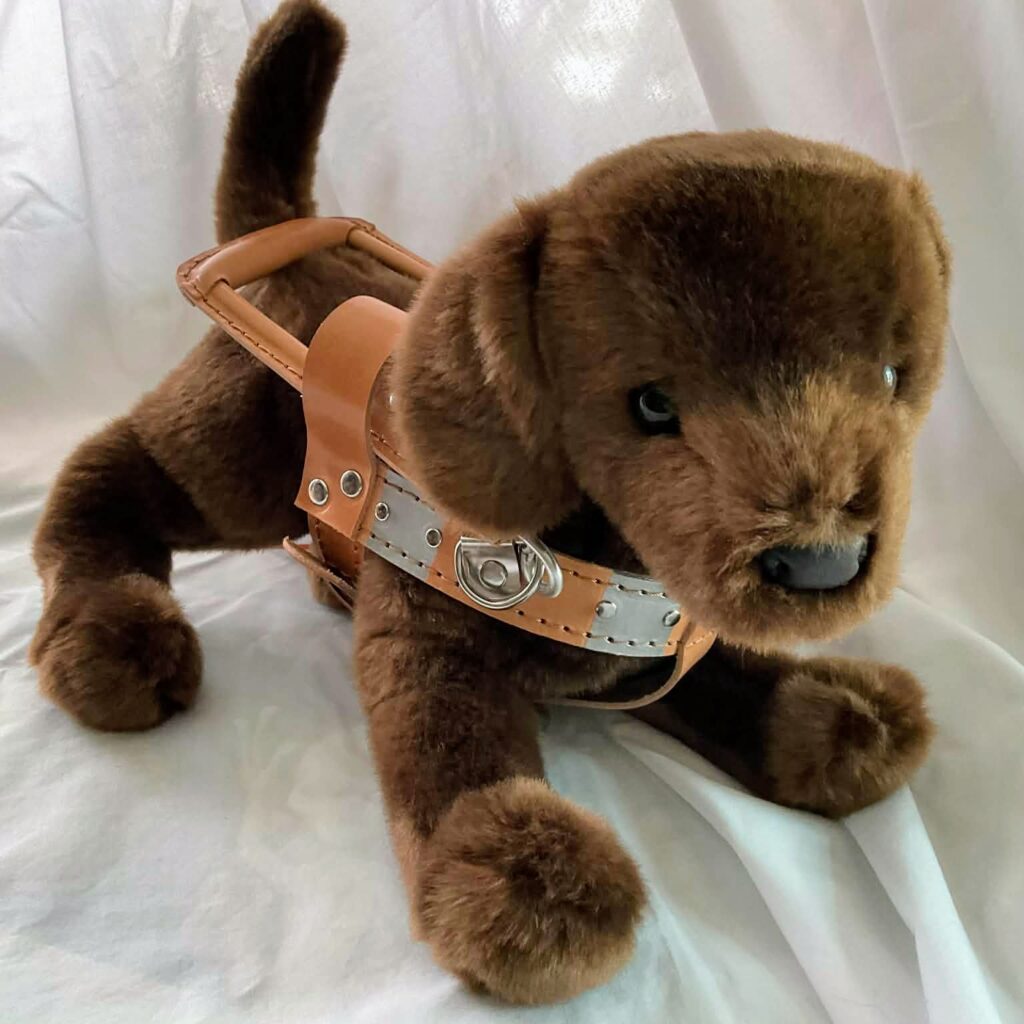
business+subscribe@guidedogusersinc.org

Welcome to Paws for GDUI News You Can Use! – VOL. VI, NO. 1, February 2026 – A Publication of Guide Dog Users, Inc.

President: Sarah Calhoun

Editor: Andrea Giudice

Co-editor and GDUI Immediate Past President: Penny Reeder

Guide Dog Users, Inc. (GDUI) A special interest affiliate of the American Council of the Blind (ACB) since 1972

https://guidedogusersinc.org/

Toll-Free: 866.799.8436

***

From the Editor- Hello Fellow Gduisters

Welcome to Paws for GDUI News You Can Use, the Feb-BRRRRRRRRRRRRR-ruary 2026 issue! Grab a hot cuppa and enjoy!

It is so cold as I am writing this that I can hardly get my fingers to work, and that is in my apartment with the heat higher than I want to have to think about paying for on next month’s bill. Toto is curled in the smallest of dog balls, with his tail firmly pressed across his nose. And, yes, he is totally, and unashamedly bundled under his quilt!!

This month you will find articles celebrating braille, as Paws isn’t published in January (the month of Louis Braille’s birthday) so… bumps are being honored this month instead! There are book announcements; sneak peeks; member’s submission’s; new, at least to your editor,  apps; important dates; conference(s) information; recipes; helpful tips for keeping the pups safe in this ridiculous cold; stories of bravery, creative use of technology, and out-of-the box thinking; and so much more! (If I list more, there would be no reason for out to read any further! *smile*)

As always, I encourage everyone to remember how easy it is to get involved- share a favorite podcast; blog; webinar ;an interesting, silly, absurd, or touching tidbit from your local paper; something you wrote yourself or written by someone else; a helpful app or other resource; even a yummy recipe. Remember, submissions about guide dogs, or blindness/visual impairment are not the only topics of interest to we GDUISters! To those of you who have sent items, your own work or something forwarded from another source, we offer heaps and piles of gratitude!

Sending cyber hugs and wags,

Andrea and Super T

***

Canine Contemplations

Toto’s Treasures- My mom always uses a tray or cookie sheet (okay Auntie Keri says that pan with sides that Mom always calls a cookie sheet is actually a jelly roll pan but I am going to side with Mom) when preparing food. She puts the cookie sheet on the counter and then makes the sandwich, or whatever she is doing on the cookie sheet instead right on the counter (or table or whatever surface she is working on). This way anything that spills- liquid or crumbs or whatever- stays in the cookie sheet and doesn’t escape all over the kitchen. I can tell you I am very sad about this particular practice of Mom’s! It actually works, that d***n cookie sheet catches all the spills!! Mom also always does the same thing when she is putting pills in her pill organizer. She says it is not good for me to get any pills that might “jump!”

Winnie’s Wisdom- This month it all about the pool noodle! My mom uses them everywhere but the pool! She will tell anyone who asks, and even some who don’t actually ask, the following- when cut in half lengthwise, pool noodles become wonderful tools of protection. Once cut in half, length-wise, you now have two  long, slightly curved  pieces of a material that is both soft and pliable. Now you can further cut each pool noodle half in to smaller pieces and put them around the legs of tables, chairs, bed frameset.; on the sharp corners of counters, shelves, tables, cabinets, Etc.; pretty much anywhere that toes will be stubbed, heads will be bumped, and/or any part of you will be hurt by any part of the inanimate objects in your world! 

Remember, we welcome all you guides out there to send in tips and tricks you may of over heard from your humans. We can’t promise that everything will get published, (After all, we don’t get the last word on such things. That’s way above our pay grade!) However, we promise to give our attention to all submissions!

***

For Your Calendar-

(Some of the items listed here are expanded upon later in this issue, others may be a ways off)

2/5/26, 4PM (PT)- Careers & Canine Connections Informational Webinar

2/6/26, Last day to reserve rooms for Leadership Conference

2/7/26, 7AM (PT)- TUG’s What’s New In JAWS And ZoomText For 2026

2/12/26- growing the circle a reading an advocacy event with Barbara Hinske  and Sunday edition

2/26/26, 6PM (ET)- usdan-institute Webinar Dental Health  for Dogs & Cats

3/6-10/26- 2026 Leadership Conference (hybrid event)

3/10/26, 7 PM (ET)-Blind Birder Community Conversations- Living on the Wind: How and Why Birds Migrate 

4/1/26-  2026 DKM / Chase applications close 

4/14/26, 7 PM (ET)-Blind Birder Community Conversations- Blind Birder Bird-a-Thon Info Session   

5/3-4/26- 2nd Annual Global Blind Birder Bird-a-Thon

7/24-31/26- 65th annual ACB Conference and Convention 

***

Calendar Event- 2/5/26, 4PM (PT)

Guide Dogs For The Blind And APH ConnectCenter present Careers & Canine Connections Informational Webinar 

February 5, 2026- 4:00 PM PT, 5:00 PM MT, 6:00 PM CT, 7:00 PM ET, 12:00 AM GMT

(Access Information News for Monday, January 26, 2026 – Volume 1051- https://www.accessinformationnews.com/ain2026/01262026/)

Join Guide Dogs for the Blind and APH ConnectCenter for an informational webinar about Careers & Canine Connections, a weeklong program designed for blind and low-vision young adults ages 18 to 26 to explore career opportunities and the guide dog lifestyle.

To register, visit- https://gdb-official.zoom.us/webinar/register/WN_bzRg7tePS5O391U35jJicQ#/registration?utm_source=accessinformationnews&utm_medium=email&utm_campaign=01262026&utm_content=editorial


*** 

Calendar Event- 2/6/26

Registration for the D.C. Leadership Conference is OPEN 

Important reminder: the hotel room block closes on February 6!

The 2026 Leadership Conference will be a hybrid event. The optional tour, ACB’s Board Meeting, Presidents’ Meeting, Legislative Seminar, and Capitol Hill visits will take place between , at the Sheraton Pentagon City Hotel in Arlington, VA.

Registration is OPEN. You can register through the members site here: https://members.acb.org/. The registration fee for in-person attendees is $115. The registration fee is $30 for virtual attendees. Registration closes on February 28, 2026 at 11:59 PM CT. For more information on the D.C. Leadership conference please visit our conference page here- https://members.acb.org/

Hotel reservations are available with the room block cutoff date of February 6, 2026, Visit the conference webpage for details about how to reserve your hotel room- https://www.acb.org/2026-acb-dc-leadership-conference

A schedule of events, including information on the optional tour, and information on the legislative imperatives are also available on the conference webpage. 

 We hope you can join us for this year’s event!

 American Council of the Blind | www.acb.org

****

Calendar Event- 2/7/26, 7AM (PT)

What’s New In JAWS And ZoomText For 2026

Presented by Technology User Group(TUG) At The Maryland State Library For The Blind And Print Disabled 

(Access Information News for Monday, January 26, 2026 – Volume 1051- https://www.accessinformationnews.com/ain2026/01262026/)

February 7, 2026- 7:00 AM PT, 8:00 AM MT, 9:00 AM CT, 10:00 AM ET, 3:00 PM GMT
TUG is proud to welcome Elizabeth Whitaker of Freedom Scientific for an in-depth presentation you will not want to miss. This is a rare opportunity to hear directly from one of the leading voices behind the tools so many rely on every day. Elizabeth will walk us through the newest updates to JAWS and ZoomText, including: The redesigned login process that streamlines access and improves security. Page Explorer, a powerful feature that enhances navigation and efficiency and training resources and podcasts that are available to all users, offering ongoing learning and support. This session promises practical insights, expert guidance, and a firsthand look at features that can make a real difference in daily technology use. This is your opportunity to experience cutting-edge tools, ask questions, and connect with others passionate about technology and its impact.

February 7, 2026  What’s New In JAWS And ZoomText For 2026

***

Blind Dog Rescue Alliance (BDRA)

(February: The Insight Scoop newsletter

South East CT Community Center of the Blind, https://centeroftheblind.org/)

Our Mission

Our goal is to identify and rescue blind and visually impaired dogs of any breed. These may be dogs that have been abused, neglected, abandoned or surrendered by their owners. We network with shelters to help find forever families. The hope in rescuing these dogs is to foster, provide medical care, and adopt them to permanent homes to live their best lives.

Have a Heart Fundraiser

Blind Dogs See with their Hearts

For just $5, you can purchase a virtual heart and be part of saving these wonderful dogs.  Fundraiser will end February 17th.

Your heart will be displayed for all to see on the BDRA Facebook page (no Facebook account needed to view the hearts!).  

https://www.facebook.com/blinddogrescue

Please like and share to help us spread the love and reach more supporters.  You’ll also receive a copy of your heart to use and share. Every heart helps.

For questions, please email: fundraising@blinddogrescue.org

Blind Dog Rescue Alliance

(877) 254-6301

info@blinddogrescue.org

https://www.blinddogrescue.org/

P.O. Box 1855, Boothwyn, PA 19061

***

Calendar event- 2/26/26 at 6 PM (ET)

Upcoming Online Event- You’re Invited! Webinar on Dental Health 

for Dogs & Cats

Signs, Treatment, and At-Home Care

(Usdan Institute for Animal Health Education- https://www.amcny.org/usdan-institute-for-animal-health-education/)

February is National Pet Dental Health Month, highlighting the importance of dental care for your pet’s overall health. Dental disease is common in both dogs and cats and, if left untreated, can cause pain, tooth loss, and infection that can affect the entire body.

Join us on Thursday, February 26th at 6 PM ET on Zoom as Dr. Brad Cingolani, Resident Veterinarian in Dentistry and Oral Surgery at AMC, discusses common dental conditions in dogs and cats. He will review signs that may indicate a problem, explain what to expect from a veterinary dental examination and treatment, and share practical steps pet owners can take at home to promote healthier teeth and gums.

Register at- https://app.glueup.com/event/dental-health-for-dogs-and-cats-signs-treatment-and-at-home-care-166531/

Please note: This webinar is intended for pet owners and is not eligible for CE credit.

*****

As It’s National Pet Dental Health Month….

(Pine Tree Guide Dog Users February 2026 Monthly News Update, www.pinetreeguidedogusers.org)

Brushing your dog’s teeth is an easy, daily step towards protecting your dog’s overall health and vitality. Watch this how-to video from the Schwarzman Animal Medical Center to ensure your dog is getting the dental care it needs!

https://www.youtube.com/watch?v=qD7xsS99M90

***

Advocacy in Action:

Looking Ahead to Capitol Hill

by Claire Stanley

( The ACB Braille Forum, Volume LXIV • February 2026 • No. 6)

ACB is excited for our 2026 Hill Day on Tuesday, March 10. We always carry out a fly-in Hill Day the Tuesday following the legislative seminar at the D.C. Leadership Conference. This is a wonderful opportunity for our members to visit their Congressmembers and explain important issues and legislation impacting the blind and low vision community across the country. The opportunity to travel to Capitol Hill and be involved in the advocacy process is a wonderful experience for anyone and everyone to experience. 

As in past years, ACB wants to put a special emphasis on meeting with specific members of Congress who sit on the applicable committees overseeing the three 2026 imperatives. It is crucial that all people reach out to their senators and representatives on the legislative imperatives. However, if your Congressmembers sit on the responsible committees, it can help to bring about greater movement in pushing the bills forward. As a result, ACB will be reaching out to specific state affiliates if your members fill such committee roles. We greatly encourage you to place an emphasis on meeting with those offices. ACB is glad to help and schedule meetings with those offices. When planning for those meetings, please collect constituent anecdotes on how the three bills will positively impact the lives of blind and low vision people. Hill staffers repeatedly ask for stories of the lived experiences of their constituents.  

In summary, make sure you know if your senators and representatives sit on applicable, bill-related committees. Don’t worry, we will help. And second, start collecting those stories now to have ready when you go to the Hill on March 10.

***

A 2026 Leadership Opportunity

from the Durward K. McDaniel Fund Committee

( The ACB Braille Forum, Volume LXIV • February 2026 • No. 6)

Are you hoping to build your leadership skills or get more involved in ACB? Maybe you’re already taking on leadership roles and want to connect with others who share your passion. If any of that sounds like you, we’ve got a great opportunity you won’t want to miss.

This year, the Durward K. McDaniel (DKM) Fund Committee is proud to reach two major milestones of helping drive leadership in ACB! Thirty years ago, the DKM Committee launched the First-Timer program. Meanwhile, this year marks 10 years since we celebrated the inaugural class of ACB/JPMorgan Chase Leadership Fellows. 

As tradition holds, the DKM Fund Committee will select two ACB members — one on each side of the Mississippi River — to be our DKM First-Timers this year. Five members will also be chosen to take part in the ACB/JPMorgan Chase Leadership Fellows program. Both programs are designed to help you grow, learn, and experience ACB in a deeper way.

If you’re chosen, you’ll get to attend the 65th annual ACB Conference and Convention from July 24–31, 2026, in St. Louis, Mo. You’ll meet other leaders, spend time with past recipients, and take part in a wide range of convention activities that can help you build confidence, skills, and lasting connections.

Who Can Apply?

You must be blind or visually impaired, at least 18 years old, and a current ACB member.

DKM First-Timer Award:

  • You must have never attended an in-person ACB Conference and Convention.
  • You need at least two years of continuous membership in an ACB state or special-interest affiliate, or you must be a member-at-large serving on an ACB committee.

ACB/JPMorgan Chase Leadership Fellows Award:

You need at least three years of continuous membership in an ACB state or special-interest affiliate, or you must be a member-at-large serving on an ACB committee.

If you qualify, you’ll just need to fill out the online application and ask the president of your affiliate — or your committee chair if you’re a member-at-large — to submit the recommendation form.

Important Dates 

Applications open January 1, 2026.

2026 DKM/Chase Award Application- https://docs.google.com/forms/d/e/1FAIpQLScYccBNo7-EgxUYG2xHIsOp0wC1JgPW1GkABEQMOxbEUp6nwg/viewform

2026 DKM / Chase Recommendation Form- https://docs.google.com/forms/d/e/1FAIpQLSc0BRlLQFnpVEjJf8ccWmuETu0zc6V-wGzSRRrVYPGEZRUw5g/viewform

Everything is due by April 1, 2026.

After applications close, the DKM Committee will schedule a 30-minute interview with each applicant in mid-April. Once interviews and reviews are complete, we’ll make our selections in late April. Two First-Timers and five Leadership Fellows will be chosen. If there aren’t eligible applicants on one side of the Mississippi, both First-Timers may be selected from the same region.

Everyone will be notified soon after decisions are made.

What’s Covered?

If you’re selected, ACB will cover round-trip airfare, transportation to and from the convention, double-occupancy hotel room, per diem for meals, registration, and tickets for certain events like the reception and banquet. Optional tours and activities aren’t included. You’ll be responsible for arranging any personal accommodations you need so you can fully participate throughout the week — including attending all general sessions and required events.

If you have any questions, reach out to Zelda Gebhard, DKM Committee Chair, at zgeb@drtel.net or (701) 709-0262.

***

Convention Preview — Announcing the 2026 banquet speaker

A huge thank-you to Microsoft for their generous diamond sponsorship of Conference and convention announcements.

(Excerpted from The Dot Experience Cast: Precious Perez. Website- https://tinyurl.com/msz34f3d)

We are extremely excited and fortunate to announce that the banquet speaker at the American Council of the Blind’s 2026 Conference and Convention will be Precious Perez. She will speak with ACB about her life as a blind musician, her advocacy work, and entertain us with some of her music. Don’t miss this great opportunity; join us on Thursday, July 30.

Precious Perez was born with Retinopathy of Prematurity, a condition causing blindness from birth. 

At the age of 6, Perez received a Barbie karaoke machine. “I would sing along to the radio in my room by myself, and I loved it. I started getting involved in school chorus and music class, and as the years went on, I got more interested in writing my own music. I wrote my first good song when I was 13, and my first terrible one when I was 10,” said Perez. “It grew into more than just a hobby, it became what I wanted to do.” In 2021, Precious graduated with a double major in Music Education and Vocal Performance from Berklee College of Music and began her pursuit of a full-time music career. “Initially, I thought I would become a teacher and do gigs in my free time, trying to have the best of both worlds. But I quickly realized I’m not built for full-time teaching,” said Perez. “I decided to just jump into freelancing and embrace my LLC, because I was getting more opportunities on the entertainment front. That was a scary leap to take.” Since then, Perez has worked in accessibility testing, voice acted for a Paramount Plus miniseries, as well as a new Dora animated series, played in a local cover band, and written a book about her experience growing up blind. “I have so many irons in the fire, but my main passion is making Latin music. That’s what all of this has been for,” said Perez. With two new singles out since September and four more on the way, Perez’s music career and content creation are at the top of her priority list. 

Perez has been working to create awareness for blindness and disability, as well as advocate for accessibility in the music industry. Working with Recording Artists and Music Professionals with Disabilities (RAMPD) has been a way to keep her goals at the forefront of her work. “My whole goal is to spread love and uplift all of my communities,” said Perez. “It’s so important to use whatever influence you have to empower other people. If your work touches even one person, you’ve already done what you came to do.”

Learn more about Precious and listen to her music at- www.PreciousPerezMusica.com

  • hotel details: Room rates at the Hyatt Regency Arch, 315 Chestnut St, are $104.00 single or double, $129.00 triple or $154.00 quad,.) plus applicable state and local taxes (currently 17.92 % (

To make reservations online go to

https://www.hyatt.com/events/en-US/group-booking/STLRS/G-ACBL.

If you prefer to make your reservations by telephone, please call central reservations at

(888) 591-1234. Make sure to let them know you are reserving a room at the Hyatt St Louis Arch at 315 Chestnut street and use group code G-ACBL

  The cut-off date for reservations is July 5, 2026, but don’t delay, make your reservations today!

Room amenities

All sleeping rooms have safes, ironing boards, refrigerators and k-cup coffee makers.

The hotel has a twenty-four-hour fitness center; it does not have a pool.

There are not guest washers and dryers, there is a dry-cleaning service.

The hotel is cashless; any purchases must be made with a credit or debit card.

For any convention-related questions please contact Janet Dickelman, convention chair,

(651) 428-5059

Janet.dickelman@gmail.com

***

Books, authored by members and/or about blindness,  now available-

*It is my pleasure to announce the release of my latest book, “Blind Like Me”; The Danny 

Kysor Story

(Dan Kysor, dankysor@comcast.net)

Its now available on Amazon as a Kindle book.  The easiest way to find it is to search on Amazon shopping my name, Dan Kysor in the search box.

The audible version will be out very soon.

More about “Blind Like Me”

In “Blind Like Me,” Dan Kysor shares his personal journey navigating life with Lebers Congenital Amaurosis (LCA), a congenital eye disease that gradually led to total blindness in his 50s. With an outgoing spirit, Kysor recounts his experiences from childhood, including humorous anecdotes and the challenges of adapting to a world designed for the sighted. He explores the perceptions of blindness, both from the sighted world and within the blind community, drawing on personal stories and insights, such as his acquaintance with partially sighted Paralympian Mike May. Through heartfelt recollections and excerpts from his mother’s book about raising a visually impaired child, Kysor offers a candid and engaging perspective on living beyond the limitations often associated with blindness, emphasizing adaptability, the power of other senses, and the importance of individual experiences.

*Braille’s Superpower Children’s Book Release

I just released my fifth children’s book: Braille’s Superpower!

Calling all parents, teachers, librarians, daycare providers, homeschoolers, and anyone who loves inspiring and empowering stories for kids—this is the book your bookshelf has been waiting for!

Meet Braille—an 8-year-old totally blind girl with a bright spirit and a powerful message: being different is a superpower. In this uplifting, educational, and heartwarming story, Braille teaches her classmates (and readers!) about blindness in a way that’s fun, interactive, and full of kindness.

What Readers Can Expect-

  • A lovable main character who proudly owns her uniqueness
  • Real facts about blindness and what braille is
  • A classroom adventure filled with curiosity, courage, and friendship
  • Age-appropriate life lessons about inclusion, empathy, and respect
  • Colorful illustrations that bring Braille’s world to life
  • A special letter from Braille herself—plus critical thinking questions to spark important conversations

Who This Book Is For

  • Elementary school teachers & special educators looking to teach inclusion and disability awareness
  • Daycare & childcare providers wanting meaningful, values-based read-a-louds
  • Parents and guardians raising kind and compassionate kids
  • School counselors supporting SEL (Social Emotional Learning)
  • Librarians & community leaders building diverse and inclusive collections
  • And most importantly… kids ages 5–10 who love stories about everyday heroes!

Why Braille’s Superpower Matters- In a world that often misunderstands blindness and disability, this book opens hearts and minds. It helps children see the strength in differences, recognize the importance of accessibility, and grow into thoughtful, inclusive humans.

Let’s raise a generation of kids who lead with love, listen with curiosity, and celebrate ALL kinds of superpowers. 

Story Summary- Meet Braille—a bright, curious, and confident 8-year-old girl who just happens to be totally blind.

When her school hosts Superhero Day, Braille doesn’t show up in a cape or a costume. Instead, she brings something even more powerful: her true self.

With her trusty long white cane and her braille book in hand, Braille teaches her classmates what it means to be blind. She opens their eyes to a world they’ve never known—one filled with strength, creativity, and courage.

This heartwarming story reminds young readers that real heroes come in all forms—and sometimes, they read with their hands.

Grab your copy of Braille’s Superpower today- and let the learning and kindness begin!https://www.amazon.com/Brailles-Superpower-Blaque-Diamond/dp/B0G26XK3XC/ref=sr_1_1?crid=1XDEIJAX77UH0&dib=eyJ2IjoiMSJ9.T3FcQS4YJ3lCyTW-pYREsg.HacNLJ4gT-YqJT0HkcRSsW_oY7MtiXFGFvG9QLNkPg4&dib_tag=se&keywords=braille%27s+superpower+blaque+diamond&qid=1763570774&sprefix=braille%27s+superpower+blaque+diamond%2Caps%2C93&sr=8-1

***

BITS Announces New Organizational Name

(The ACB Braille Forum, Volume LXIV • February 2026 • No. 6)

Blind Information Technology Specialists (BITS), a long-standing affiliate dedicated to advancing access, education, and leadership in technology for blind and low-vision individuals, is proud to announce that its members have overwhelmingly approved a historic organizational name change. Beginning immediately, the organization will be known as Blind Information Technology Solutions.

This change was adopted following a vote of the full membership, in which 85 percent supported the new name. The decision reflects the organization’s growth, its expanding programs, and its evolving role in shaping accessible technology across industries.

The updated name signals a strategic shift toward:

  • Broader technology solutions designed by and for blind and low-vision users 
  • Expanded technical training, including AI, data tools, coding, web accessibility, digital productivity, and assistive technologies 
  • Greater organizational partnerships, including industry, academia, and advocacy groups 
  • Stronger representation within the American Council of the Blind, reinforcing the importance of digital equity and innovation 
  • A clearer identity that resonates with both emerging technologists and established professionals 

For more information about Blind Information Technology Solutions, upcoming programs, or opportunities to get involved, please visit the organization’s website, www.bits-acb.org, or contact our leadership team via email, president@bits-acb.org

***

I Wish I Could Shovel Snow Again

By Carla Hayes

(The ACB Braille Forum- Volume LXIV • November-December 2025 • No. 4)

(Author’s Note: This is a poem that I wrote after my cardiologist told me that I was never allowed to shovel snow again.)

I wish I could shovel snow again.

Slowly, carefully, I would bend

And shove the shovel under a big pile of snow

And push it and heave it as far as it could go.


I wish I could shovel snow again

And enjoy that moment of accomplishment when

Beneath my feet, I’d feel that vast empty space

And know that the snow had once been in that place.


I wish I could shovel snow again.

Peaceful hours I would spend.

Stillness and silence all around,

Punctuated by faraway sound.


I wish I could shovel snow again,

And go back to the time when I was nine or ten

And discover anew God’s symmetry and truth

In each long, fragile icicle hanging from the roof.


I wish I could shovel snow again.

Now all I can do is dream and pretend.

I long for the breeze of the brisk winter air

Gently blowing through my long blonde hair.


I wish I could shovel snow again.

I’d make a snowman who would be my friend.

Even though I have no man, that snowman would be there.

I’d let him melt my heart and pretend that he cared.


I wish I could shovel snow again.

I’d work my way down to the driveway’s end.

The snow and the ice would crunch under my feet

And after a while, I would reach the street.


I wish I could shovel snow again.

And not worry about the effort I expend

And not think about my heart that might attack.

I’d just shovel a path and follow it back.

***

Dear GDUI Members,

With the current storm system stretching over 2,000 miles and impacting many parts of our country, we want to take a moment to check in with our community and remind you that support is available.

Guide Dog Users Incorporated’s Disaster Assistance and Preparedness Program (DAP) is here for you and your guide dog during times of emergency. If you encounter a situation related to severe weather or another disaster that creates unexpected challenges for you and your guide dog, DAP grants may be available to help with emergency-related needs.

Emergencies can be stressful and overwhelming, especially when they affect your safety, mobility, or your guide dog’s well-being. Please know that you do not have to navigate these situations alone. GDUI is committed to supporting our members during difficult times.

For more information about the Disaster Assistance and Preparedness Program, including how to apply for assistance, please visit our website at:

http://www.guidedogusersinc.org

If you need immediate guidance or assistance, you may contact the GDUI office manager at:

866-799-8436

Please stay safe, remain prepared, and know that GDUI is here to support you and your guide dog.

Warm regards,

Tammy Robbins

Guide Dog Users Incorporated

committee chair Disaster Assistance & Preparedness Program (DAP) 

***

Winter Pet Safety

How to keep your pets warm, healthy, and happy during the coldest months of the year.

(Usdan Institute for Animal Health Education- https://www.amcny.org/usdan-institute-for-animal-health-education/)

Updated: 1/8/26

When the temperature drops, our pets rely on us more than ever to help them navigate the challenges of winter. Here are some tips to ensure your pets stay warm, healthy, and happy during the cold months-

9 Cold Weather Tips for Your Pet-

  • Keep antifreeze out of reach and clean spills immediately!
  • Honk the car horn before starting in case a cat is hiding in a wheel well or under the hood!
  • Smaller, short-haired, or senior dogs may need a jacket or sweater.
  • Avoid over-bathing or shaving pets in winter!
  • Never leave pets in cars due to the risk of hypothermia!
  • Provide a warm sleeping area away from drafts!
  • Ensure pets have access to fresh water that won’t freeze!
  • Use only stable, cool-to-the-touch space heaters and supervise pets when in use!
  • Protect paws from ice and salt with booties or paw wax!

Weathering Winter Walks-

  • Keep Your Dog on a Leash! Ice and snow can mask familiar smells, and dogs can easily lose their way. Make sure your pup is microchipped and wearing an up-to-date ID tag.
  • Know Your Dog’s Limit! Watch for signs that your dog may be too cold. If your dog is slowing down, shivering, whining, or holding up one or more paws, cut the walk short and head inside.
  • Bundle Up! If you feel cold in your coat, it may be too cold for your dog without one! If the air is cold but dry, opt for a sweater. If it’s snowing, a water-resistant coat is a better choice.
  • Keep Your Hound Hydrated! Bring water and a portable bowl with you. Eating snow is not a good option since it may be contaminated with antifreeze, deicers, or other harmful chemicals.
  • Paw Protection! Invest in a good set of waterproof boots that fit. Along with keeping feet warm and dry, they will protect paw pads against irritating deicers. For dogs who won’t wear boots, paw wax can provide a protective barrier.
  • Post-Walk Care! Deicers aren’t just irritating to paws, they’re toxic if ingested. When you get home from a walk, clean your dog’s paws, belly, legs, and any other areas that may have come in contact with poisonous-to-pets chemicals.

The Hidden Danger in Your Coat Pocket-

Air-activated hand and foot warmers may keep you cozy, but the iron powder inside is toxic if ingested by pets, and the pouch material can cause an intestinal blockage.

  • Keep them out of reach! 
  • Dispose of used warmers in a covered trash can!
  • If your pet chews or swallows one, seek emergency veterinary care immediately!

***

Safeguard your dog from winter’s cold and wet weather. 

(Pine Tree Guide Dog Users February 2026 Monthly News Update, www.pinetreeguidedogusers.org)

Ruffwear Highlands Dog Pad

Ruffwear’s gray Highlands Pad is a lightweight, backpacking dog bed with an easy-to-clean microsuede sleeping surface and accordion-fold design for compact and easy transport. The closed-cell foam and synthetic down insulate from hard, cold surfaces, while the non-slip waterproof base ensures a dry spot for your pup. Perfect for protecting your dog at the bus stop, or from car and other floors that are wet from snow melt and covered with sand and deicing chemicals. Size medium measures approximately 23 x 33 x 1 inches when flat and 12 x 5 x 5 inches when folded. Weighs 12 ounces. $50.00.

***

More Convention sneak peeks!

Some fun facts about the city of St. Louis and the state of Missouri (reprinted from the February 2018 convention article):

(The ACB Braille Forum- Volume LXIV • November-December 2025 • No. 4, Submitted by Nancy Christine Feela)

The state bird of Missouri is the eastern bluebird, and the state flower is the white hawthorn blossom.

Missouri’s nickname is the “Show Me” state; you will definitely see a lot and learn many new things during convention week.

The state motto, adopted in 1822, is “Salus populi suprema lex esto.” Translation: “The welfare of the people shall be the supreme law.”  

Pierre Laclede Liguest, recipient of a land grant from the King of France, and his 13-year-old scout, Auguste Chouteau, selected the site of St. Louis in 1764 as a fur trading post. Named for Louis IX of France, the site was chosen because it was not subject to flooding and was near the confluence of the Mississippi and Missouri Rivers.

***

From the Kennel Kitchen- Yummy!

Frozen Banana Dog Treats (Guide Dog Foundation)

Switch up the peanut butter with canned pumpkin or crushed blueberries for a delightful twist to this canine favorite.

Ingredients

1 banana, frozen

12 ounces plain Greek yogurt

¼ cup peanut butter  

Directions

Blend banana, Greek yogurt, and peanut butter until smooth. Spoon into silicon molds and freeze for about 2 hours. Pop out of the molds and serve! Uneaten treats can be kept in an airtight container in the freezer for 2 weeks.

Banana Bread 

(February: The Insight Scoop newsletter

South East CT Community Center of the Blind, https://centeroftheblind.org/)

Ingredients-

4 ripe bananas, mashed 

2 eggs

1 cup butter, softened at room temp

   2 cups sugar

2.5 cups flour

1 tsp baking soda

1/2 tsp salt

Directions-

Cream butter and sugar together. Mix in bananas and eggs. Stir in flour, baking soda, and salt just until mixed. Pour into a 13×9 greased dish. Bake at 350 for 40-50 minutes, or until a toothpick inserted in the center comes out clean.

Optional add ins include 12 oz bag of chocolate chips, or 1 cup of nuts such as pecans or walnuts. Try it with espresso chocolate chips for an extra treat.

Celebrate Valentine’s Day with this special guide dog recipe filled with a blend of dedication, love, and teamwork. (Guiding Eyes for the Blind)

(Pine Tree Guide Dog Users February 2026 Monthly News Update, www.pinetreeguidedogusers.org)

Ingredients

A touch of Home Litter Care Volunteers for round-the-clock nurturing of our future guide dogs.

A generous scoop of Early Socialization Volunteers to introduce newborn pups to gentle hands and the wonders of the world.

A spoonful of Home Socializers, ensuring young puppies experience new sights, sounds, and textures with confidence.

A handful of Puppy Wranglers to help manage active, curious pups during events.

A few frames from our Puppy Test and IFT Videographers, capturing vital milestones in training.

A sprinkle of Drivers, who transport dogs, puppies, and supplies wherever they need to go.

A strong foundation of Puppy Raisers, providing love, socialization, and early training.

A pinch of Puppy Sitters, ready to step in when a raiser needs a helping hand.

A dollop of Region Coordinators, guiding and supporting raisers every step of the way.

A splash of Class Helpers, ensuring smooth training sessions

A swirl of Region Social Media Volunteers, sharing inspiring stories and updates.

A dash of Kennel Volunteers providing daily care, comfort, companionship, and enrichment at the Canine Development Center and Training School.

A hearty helping of Brood/Stud Fosters and Sitters, giving our breeding dogs the best care and love in a home environment.

A drizzle of Puppy and Dog Massage Volunteers to soothe muscles and promote relaxation in our hardworking dogs.

A pinch of Administrative Volunteers preparing supplies and assisting with genetics, adoptions, student services, and fundraising efforts.

A final garnish of Ambassador and Event Volunteers, spreading awareness and enthusiasm in the community and connecting us with future supporters and friends.

INSTRUCTIONS

  1. Combine all ingredients with passion, patience, and unwavering dedication.
  2. Mix thoroughly in an environment filled with encouragement and expert guidance.
  3. Proof your puppy – allow time for growth, learning, and bonding.
  4. Season with love and positive reinforcement.
  5. Serve with a full heart and the joy of knowing a life has been changed forever with a Guiding Eyes guide dog at their side!

***

No Cocoa for Canines!

(Pine Tree Guide Dog Users February 2026 Monthly News Update, www.pinetreeguidedogusers.org)

With Valentine’s Day fast approaching, it’s a good time to remember that chocolate and dogs are a dangerous mix. Chocolate contains caffeine and theobromine—stimulants that dogs struggle to metabolize. Generally, the darker the chocolate, the higher the risk of illness to dogs. You can learn more about chocolate poisoning from the experts at UC Davis School of Veterinary Medicine.

https://healthtopics.vetmed.ucdavis.edu/health-topics/chocolate-poisoning-dogs

****

She Refused to Give Up Cooking After Losing Her Vision. Her Guide Dog Became Her Sous Chef (Exclusive)

This home cook is legally blind, but these tools helped her preserve her love of cooking.

By- Danielle DeAngelis|

(From: Woman Loses Vision, Cooks with Help from Guide Dog (Exclusive))

Published on January 5, 2026

Anne Hatton Ogden was 7 years old when she was diagnosed with retinitis pigmentosa, a progressive and chronic eye disease. Later in her adulthood, she

lost her ability to read and became “print-disabled,” meaning she had to leave her job as a bookkeeper. But Ogden has never let the impairment of one of

her senses stop her from doing the things she loves—and this includes cooking.

“Cooking became a therapy and an outlet, and it’s a way for me to share something I could succeed at with others,” Ogden tells EatingWell. She’s able to

succeed in the kitchen by using some technological aids, but primarily, she depends on her sous chef, Angelo.

Angelo isn’t your typical assistant shopper and cook; he’s a yellow lab adopted through 

Dogs Inc,

a nonprofit providing guide and service dogs at no cost to those in need.

A woman stands in a kitchen wearing an apron with a guide dog by her side

Credit: Dogs Inc

“[Angelo and I] have been a team for three years, and he is amazing,” Ogden says. “He’s most helpful in the grocery store and shopping. He navigates me

safely in the store around objects and displays so I don’t knock anything over, moves me around the people, helps me find the doors in, the doors out,

the cash register and the counters.”

Once Angelo leads her to the right place, Ogden uses assistive technology on her phone: “I use my assistive technology on my iPhone. I have an app called

Be My Eyes where I can either use their artificial intelligence by snapping a quick picture and get feedback of what I’m looking at, or talk to a live

volunteer.” 

She also has a pair of Ray-Ban Meta glasses, which can help her identify objects hands-free. This is most helpful while cooking, as the glasses will alert

her what’s in frame as she chops, seasons and stirs. As for her favorite foods, Ogden admits that breakfast is more grab-and-go, but the home cook loves

preparing a homemade soup and a half sandwich for lunch. But some of her favorite dishes to make are one-pan dinners that she can easily throw together.

“I have fallen in love with sheet-pan recipes because chopping is such a therapy for me,” Ogden explains. “I mean, it’s just such a stress reliever, so

I find cutting my protein and my veggies up, tossing them with olive oil and herbs—I grow my own fresh herbs. They may not be attractive, but they’re herbs!”

One of her favorites is a Mediterranean chicken dish that she shares in a YouTube livestream cooking show, 

Cooking Without Looking.

Some of Ogden’s cooking inspirations include 

Ina Garten,

as she’s a Barefoot Contessa fan. Now, alongside her recent livestream, she hosts her own cooking show at home with a canine audience. 

Ogden grew up in a small farming community, so she’s used to using fresh, whole foods in her meals. That’s the epitome of what eating well means to her. 

“Eating nutritious, healthy foods is important to me,” she says. And through home-grown ingredients and Angelo’s guidance while shopping, Ogden is able

to enjoy them in every meal.

***

Love is in the air!

(Pine Tree Guide Dog Users February 2026 Monthly News Update, www.pinetreeguidedogusers.org)

The Seeing Eye has launched a heartwarming new page where its graduates can share original songs about their dogs. Some of these tributes are crafted with a little help from AI, blending human emotion and creative technology to honor their special partners.

https://seeingeye.org/guide-dogs/graduate-services/student-songs/?utm_medium=email&utm_term=N%2FA&utm_source=D365RTM&utm_content=Hup-Updates%3A%20January%202026&utm_campaign=Hup-Update%20January%202026#msdynmkt_trackingcontext=08787207-eb1e-4c3d-9bdf-940396cd0200

***

A very good boy: A day with Gaston, a facility dog at Mt. Washington Pediatric Hospital

Julie Scharper

(From: With patience & snuffly kisses,facility dogs bring comfort to sick children – The Baltimore Banner)

When Gaston Langezaal enters the Mt. Washington Pediatric Hospital parking lot each morning, his wet, black nose begins to twitch with excitement.

But from the moment Gaston’s human, Jennifer Langezaal, buckles a blue working-dog vest around his chest, the 7-year-old retriever mix is singularly focused

on his duties: bringing comfort, healing and joy to sick and seriously injured children.

“Having a dog around just makes the whole day better,” said Dr. Julia Rosenstock, a Mt. Washington Pediatric attending pediatrician. “There are so many

things that a kid won’t do for us that they’ll do for a dog.”

Like all of Mt. Washington Pediatric’s therapy dogs, Gaston graduated from the 

Canine Companions

 service dog training program in New York. The program teaches dogs to ignore the urge to run after a squirrel or bark at the mailman and instead channel

their energy into opening doors, turning on lights and navigating tricky situations with a person with special needs.

 The program, which trains dogs at six sites around the country, enrolls 18-month-old retrievers who have been nurtured by specially trained college students,

prison inmates or puppy raisers, said Jessica Reiss, Canine Companions program director for the northeast region.

 The dogs receive six to nine months of additional training, learning 40 verbal commands and the ability to pick up objects as small as a credit card or

as heavy as a frying pan, said Reiss. Most of the graduates become service dogs, dedicated to one person with medical needs, but some of the most gregarious

dogs become facility dogs, like those at Mt. Washington Pediatric.

Gaston’s canine colleagues include two golden retriever mixes: 3-year-old Bata, a recent facility dog training school grad, and Babs, who at 10 is the

elder statesdog of the group.

With his graying muzzle and calm demeanor, Gaston’s responsibilities include aiding some of the hospital’s most vulnerable patients.

Gaston lay perfectly still on a recent afternoon as Langenzaal, a child life therapist, placed 9-week-old Cameron Beres across his silky flank.

 Cameron, who was born two months early, spent several weeks at the Greater Baltimore Medical Center’s NICU. He was transferred to Mt. Washington to be

weaned off of oxygen and a feeding tube before joining his parents and older brother at home.

Dressed in dinosaur print pajamas, Cameron snoozed peacefully on Gaston’s side, his chest expanding to the rhythm of the dog’s breathing. Langezaal hovered

close by, poised to catch Cameron if the baby started moving.

Gaston lays still while Jen Langenzaal, a child life therapist, placed 9-week-old Cameron Beres on him at Mount Washington Pediatric Hospital, Wednesday, December 8, 2025. Cameron, who was born two months early, spent several weeks at the Greater Baltimore Medical Center’s NICU before being transferred to Mount Washington to be weaned off of oxygen and a feeding tube before joining his parents and older brother at home.

Gaston’s eyes were partially closed, but it would be a mistake to assume that the dog was drowsing.

“It is a lot of effort for a dog to keep himself that still,” said Langezaal, explaining that Gaston had spent many months learning to suppress his instincts

to scratch an itch or lift his head when someone walks in the room. “I know he’s working very hard.”

Resting on a therapy dog helps newborns learn to regulate their breathing and heart rates, said Dr. Rosenstock. The experience helps shape the baby’s rapidly

growing brain and can help prepare them to adjust to family pets when they are released from the hospital.

 Cameron’s grandparents, Michael and Paula Beres, said they often find the baby resting on a dog when they arrive to hold and feed him each day.

Canine Companions, a nonprofit funded through donations, provides dogs free of charge to hospitals, rehab centers and other facilities. The organization

retains ownership of the dogs to ensure they are treated properly, although each dog lives with a dedicated handler who works at the facility to which

they are assigned, Reiss said.

 It took two years and many site visits before Mt. Washington was approved for its first facility dog, Yuba, in 2012. “There was a lot for us to learn,”

said Lindie Ashman, Mt. Washington’s child life manager and the hospital’s liaison with the Canine Companions program.

Yuba retired in 2019, but his presence is still felt at Mt. Washington. A memory box containing his photo, ID tag and a plaster cast of his paw hangs on

a hospital wall.

Canine Companions usually gives the dog to its handler at retirement, so the dogs can spend their golden years enjoying a well-deserved rest.

 Many former patients feel a deep nostalgia for the therapy dogs they bonded with at Mt. Washington, said Dr. Rosenstock. “The first thing they ask when

they come back is, ‘Where are the dogs?’” she said.

Seven-year-old Bert Edelman has been working with Babs and Gaston for more than half his life.

Bert, who has Down syndrome, has undergone heart surgery and three hip surgeries, said his mother, Megan Edelman. He receives physical therapy at Mt. Washington

and graduated from an intensive program for children with feeding challenges.

 “He’s been in therapy since he was born in one way or another,” said Megan Edelman. “It can really feel like work, and it’s hard to have to watch your

kid working all the time. The dogs make it feel like fun and not work.”

After leaving little Cameron in the nursery, Gaston and Langezaal headed to a physical therapy room to meet with Bert, who was doing exercises to improve

his balance, coordination and stamina.

Dogs helping kids in the hospital

“Gaston!” said Bert, clasping the dog’s face in an exuberant hug. As the adults cautioned Bert to pet Gaston gently, the dog licked the boy’s cheek.

“Should we take Gaston for a walk?” physical therapist Kathryn Jendras asked Bert, who bounced up and down with excitement.

Bert raced into the hall clutching Gaston’s leash. His sneakers pounded the hallway as Gaston’s nails clicked along beside him.

“Don’t go too fast! He can’t keep up with you,” said Jendras, as Bert giggled and tried to run faster.

Back in the physical therapy room, Jendras assigned Bert a challenge: Navigate a short obstacle course, then pick an item from a toy doctor’s bag to perform

a play exam on Gaston.

Bert flew through the tasks — climbing a step, balancing on round discs, and teetering along a balance beam — then lifted Gaston’s velvety black ears to

peer inside with a plastic otoscope.

“Working with the dogs has been a big confidence booster for him,” said Edelman. “He loves it when they give him kisses.”

While Gaston’s work is more patient and tedious, his younger colleague, Bata, is assigned more high-energy jobs.

On this same day, Bata spent the morning playing fetch with the children in the eating program that Bert had attended. Several of the children had significant

mobility challenges and struggled to throw the ball, but Bata chased each throw with equal excitement, ears flapping as he flew down the hall.

Later Bata joined a group of older kids, including two teens with traumatic brain injuries, for adaptive curling, as they used a metal stick to push discs

down the same hallway. Bata gripped a thick rope in his teeth to pull the discs on a wooden cart as the kids cheered.

Between assignments, Bata and Gaston hang out in adjoining crates in their handlers’ offices, gnawing on chew toys or napping. The walls around their crates

are covered with photos of them with patients and drawings and cards that children made for them.

Staff members assess each patient to see which are amenable to working with a dog. If children are in isolation due to an infection or immunodeficiency,

staff members encourage them to write cards to the dogs or arrange a no-contact game of fetch.

While the dogs use their well-honed skills to play complicated games with the children as part of occupational, physical or speech therapy, a big part

of their duties is simply providing emotional support. When children undergo a delicate and uncomfortable procedure, they often elect to recline their head on a dog’s back. The dogs press their faces against those of the children, breathing quietly.

On this chilly December afternoon, Gaston ended his work day by comforting 9-year-old twins, Kamille and Kent Pabich, who were getting blood drawn. When

Kamille tucked her face into her mother’s shoulder as the needle entered her vein, Gaston turned his big brown eyes to Langezaal, as if mirroring the girl’s

actions.

Gaston often seems emotionally exhausted after a challenging procedure, Langezaal said.

At the end of the work day, she takes off Gaston’s vest and drives him back to their home in Sparks.

Then it’s time for a walk in the woods, a bowl of kibble and a long snooze on the couch before the next work day begins.

“I try to give him some time to be a dog,” said Langezaal.

***

Calendar Event- Growing the circle a reading an advocacy event with Barbara Hinske  and Sunday edition

(Sunday Edition News,www.anthonycorona.com)

On February 12 we welcome “Growing the Circle”, the reading and advocacy conversation with Barbara Hinske. This special reading event invites members of our community to share the latest book in the Guiding Emily series with family and friends and to bring them into the conversation. Together we will be discussing representation in media, the power of advocacy through storytelling, and we are hoping to offer Barbara a few new ideas as she continues the next books in the series 

Now for a sample of Ask Emily and Garth

A fun, furry advice column from Barbara Hinske, author of the Guiding Emily series, and Anthony Corona

Welcome to Ask Emily and Garth, where guide dog wisdom, lived experience, and a little fur covered insight help navigate everyday challenges. In each installment, we select two questions from our community. Emily answers first with thoughtful clarity, followed by Garth, who brings honesty, humor, and practical dog sense.

Question One

Danny from Fayetteville writes,

I recently started a new job and have to use Paratransit to go to and from work every day. I often get paired up with a driver who is very fussy about my Guide Dog. I am keenly aware of my responsibilities as a handler and keep him extremely well groomed. My boy Trigger is well behaved and always sits on the floor between my legs, compact in the backseat. The Paratransit driver I am referring to has begun bringing large pieces of cardboard to place on the floor and has instructed me to have my Guide Dog sit on this cardboard. This makes my Guide Dog extremely uncomfortable. This has happened twice now and I have tried to explain, but there is a slight language barrier. What would you do in this situation?

Emily answers, Danny, first, congratulations on your new job. That is an important milestone, and you deserve support as you settle into this new routine. You are clearly meeting your responsibilities as a handler. A Guide Dog who is clean, well behaved, and settled on the vehicle floor is already complying with appropriate public transportation expectations.

Requiring cardboard or other barriers is not standard practice and, as you have observed, can interfere with your dog’s comfort and ability to settle safely. Given the language barrier, I recommend carrying a brief written explanation stating that your Guide Dog is trained to sit directly on the floor and that additional materials cause discomfort. If the issue continues, contacting Paratransit customer service or the ADA compliance office to document the concern is appropriate. Advocacy can be calm and respectful while still firm. You and Trigger deserve transportation that honors access, safety, and dignity.

Garth answers, Danny, from a dog’s perspective, floors are predictable and safe. Cardboard is not. It slides, crinkles, and smells odd, which makes it hard for a working dog to relax and focus.

Your boy Trigger is doing exactly what he was trained to do, and you are doing exactly what a good partner should by speaking up for him. This is not about your dog needing to adjust. It is about humans needing better information. Let the system handle it when possible so your dog can just do his job and enjoy a calm ride. Give Trigger an extra scratch from me for staying professional.

Question Two

Anne Marie from Jericho Turnpike, New York writes,

My husband and I both have Guide Dogs, and my frisky little golden Labrador mix is extremely affectionate and loves us both as well as anyone who walks through the door to our home. The problem is she is apt to shove her way between my husband’s Guide Dog, Charlie, and anyone who might be giving him affection. We have tried to show through action that both dogs are equally loved and will always receive affection and love, as will guests who come to our home, but this behavior persists. Please help.

Emily answers, Anne Marie, your golden mix sounds like a dog who thrives on connection and social interaction. What you are seeing is not uncommon in affectionate dogs and is usually rooted in excitement rather than intentional disruption. While your reassurance is important, affection alone does not always communicate boundaries clearly.

I recommend structured affection time. Invite one dog at a time for attention, and reward calm waiting behavior from the other. Teach your golden mix that patience leads to positive outcomes. Gentle redirection paired with consistent praise when she waits appropriately will help her understand that love is shared, not competed for. Over time, this clarity will help both dogs feel more secure and reduce the need for interrupting behavior.

Garth answers,

Anne Marie, some dogs treat affection like a race and they do not want to come in second. Your golden girl sounds like she just wants to be included in every single moment.

The solution is not more affection all at once. It is turn taking. Humans set the pace. Dogs wait their turn. When she learns that barging in does not work but patience does, the pushing will fade. Charlie will get his well-deserved attention, your golden girl will still feel loved, and guests will enjoy calmer interactions all around. Tell Charlie I said he is doing great. Quiet dogs matter too.

Ask Emily and Garth is a special offering from the Sunday Edition family of podcast and digital media content services. In each installment, we choose two questions from our community and do our best to offer thoughtful, experience-based perspectives from both human and canine viewpoints.

Please note that Emily and Garth are not professionals. Every Guide Dog team is unique, and your Guide Dog school, instructor, or veterinary professional should always be consulted before making major changes that could affect your dog’s training, behavior, or well being.

If you would like to submit a question for Ask Emily and Garth, send an email to

SundayEdition@anthonycorona.com.

And please subscribe to my Substack for more from Emily, Garth, Barbara, and a wide range of special content from guests, listeners, and producers across the Sunday Edition family of podcast and digital media content services universe.

Bonus: growing the circle a reading an advocacy event with Barbara Hinske and Sunday edition.

For more details head over to above the fold: the Sunday edition family, a podcast and digital media content services Facebook group.

We’re inviting members of the community to Reed growing the circle with friends and family in their lives this book is a heartwarming story filled with advocacy, real life experience, and lots of puppy love!

For all things, Sunday edition, ask Emily and Garth and Moore head over to www.anthonycorona.com

****

Pod Casts/Blogs/ webinars- Check these out!

*Tech It Out – Hadley Discussion Group for the Visually Impaired

https://hadleyhelps.org/discussion-groups/tech-it-out?utm_source=accessinformationnews&utm_medium=email&utm_campaign=01262026&utm_content=editorial

Fourth Tuesday- 11:00 AM PT, 12:00 PM MT, 1:00 PM CT, 2:00 PM ET, 7:00 PM GMT

Learn a few tips about everyday technology from a technology expert, ask your questions, and share your experiences.

*Podcasts By Dr. Kirk Adams: Interview with Jerred Mace, Founder & CEO, OnceCourt

https://drkirkadams.com/podcasts

Interview with Jerred Mace, Founder & CEO, OneCourt

Published January 21, 2026 by Dr. Kirk Adams

https://drkirkadams.com/podcasts

(Access Information News for Monday, January 26, 2026 – Volume 1051- https://www.accessinformationnews.com/ain2026/01262026/)

Dr. Adams talks with Jerred Mace of OneCourt about how haptic technology can make live sports dramatically more accessible for blind and low-vision fans. Adams shares his own “hands-on” encounters with the OneCourt device, feeling the raised layout of a basketball court and the vibrations of a synced, fast-moving play, and later experiencing baseball through touch by sensing pitch location, ball flight, and baserunners in real time alongside the radio broadcast.

Jerred traces OneCourt’s origin to his University of Washington days, inspired by a video of a blind fan following a soccer match through touch and shaped by his personal experience growing up in a family where disability was “the norm.” He describes early prototyping, building a multidisciplinary team, and the company’s momentum jump after receiving a Microsoft AI for Accessibility grant in June 2023. The conversation also looks ahead: OneCourt is expanding team and league partnerships while designing a direct-to-consumer version, built to be more affordable and paired with sport “packages” like a streaming model, and invites listeners to join the newsletter and waitlist via OneCourt’s website (onecourt dot io).

***

Olympics, Paralympics to Be Audio Described in Stereo

 (The American Council of the Blind’s Dots and Dashes January 20, 2026)

NBCUniversal’s coverage of the Milan Cortina 2026 Winter Olympics will be accessible to more viewers of all abilities than ever before, providing the excitement of the Olympic Games with enhanced closed captioning, audio description, and improved digital content accessibility.

Closed captioning will be available for all Olympic events airing across NBCU’s properties, as well as the Gold Zone whip-around show on Peacock. NBCUniversal will also provide closed captioning for digital livestreams with commentary across Peacock, NBCSports.com and the NBC Sports app for all live events and full event replays from linear coverage.

Audio description (AD) will be available on the second audio program (SAP) for viewers who are blind or have low vision. The Milan Cortina Winter Olympics will provide more AD than any previous Winter Games. All coverage on the NBC network (including full event replays) and the Gold Zone whip-around show on Peacock will feature Audio Description.

In a first for a U.S. broadcaster for a Winter Olympics, audio description services for coverage on NBC will be provided in stereo, enhancing the quality of sound for viewers. NBC Sports’ Paralympic broadcast team of Tony Ambrogio, Adam Giardino, Pat McCarthy, Tony Simeone, and Norma Jean Wick will be providing audio description.

Additionally, improved web content accessibility, including keyboard navigation, color contrast and support for screen readers, will be available on NBCOlympics.com, NBC.com, and the NBC Sports app. Livestreams and replays which offer audio description will have English audio description as a language choice within the players on these digital platforms. To easily find all events with audio description visit- https://www.nbcolympics.com/audio-description

To read the full press release, visit- https://www.nbcuniversal.com/article/nbcuniversal-enhances-accessibility-its-coverage-milan-cortina-2026-winter-olympics

****

Case Closed:  The story of technology, a blind woman and an eyewitness account to solve a mystery.

By Kristen Dockendorff 

November 1, 2025

I have been working with a community group that helps people with vision loss and this experience is proving to be some of the most rewarding of my life. Together, Michelle Puzzo and I run a support group at UR Community Tech Center, and thanks to her tireless efforts securing grants, the center now offers more than thirty-five different devices for people to test. We strive to ensure that those with blindness and low vision can access and try a wide range of equipment, from electronic magnifiers to high-tech smart glasses.

Michelle often recruits high school and college interns, introducing them to both the challenges and the rewards of working alongside people with disabilities. She

views this as an opportunity not only for career exploration, but also for promoting

greater inclusion.

Recently, during one of our support sessions, we met a young man with unique eye issues. My connections in the low-vision tech world seemed especially relevant for him, so I scheduled time at the center to show him available resources and demo devices. When I arrived, Michelle introduced me to a new teenage intern. Keeping with our support group custom, as a vision-impaired person I reached out my hand first, a small gesture

that avoids the awkwardness of trying to find someone else’s when you cannot see it. She shook my hand, and I realized I was wearing my smart glasses, which I quickly removed, thinking perhaps they were distracting.

A moment later, the intern’s gaze lingered on my Meta Ray Ban smart glasses. Suddenly, she gasped, “Oh my God, it’s Mrs. D!” To my astonishment, I recognized her as Morgan, a former student from my years as a public school art teacher, before retinitis pigmentosa prompted my retirement from the classroom. She had been in second grade when we’d last met; now, after ten years, she was a high school senior seeking her future career path. The reunion was deeply moving, and the day became even more meaningful as we helped our young guest explore technology options, connect with resources, and learn about the latest advancements.

Morgan was especially curious about my Meta smart glasses. I demonstrated the hands-

free camera and video features, showing how easy it was to take pictures, read signs, and send images to contacts, a boost for someone who lives with vision limitations. Sharing these innovations, along with the many other devices available at the center, filled our visit with excitement and community spirit.

Toward evening, I received a text from Michelle. “You’re not going to believe this,” she wrote, “but the police from a neighboring town just called. They say my car was involved in a motor vehicle accident!” We both knew this was impossible, as Michelle had been at the

center all day, with her car parked outside. She named me as a witness, but soon

after, she texted again: “Is there any way to prove I was at the center?”

Thinking it through, I realized that, with ParaTransit services unavailable, I had arrived by Uber instead. Thankfully, the Uber app’s activity tab clearly logged the date, time, and location. I took a screenshot of the trip details and sent it to Michelle, who forwarded it to the police. Soon another message came: “That proves you were here, but it doesn’t prove

that I was.”

Michelle wondered if any further evidence existed. I remembered that, while demonstrating my Meta smart glasses, I had snapped a photo showing Morgan, Michelle and the young man together. Although the picture was a candid, no attempt at a formal composition, I had

deleted it from the gallery. On a hunch, I asked my glasses AI how to recover deleted photos. Following its instructions, I checked my phone, and there it was: the photo from that precise date. I promptly sent it to Michelle.

The image clearly showed Michelle at the center, yet there was another obstacle, the police insisted on a timestamp. Thankfully, my phone’s information button provided both the location and timestamp. I screenshot this data and sent it on. Minutes later, the police called to confirm: “Did you take the picture with your glasses?” Yes, I replied. “Thank you,” the officer said, and hung up.

Half an hour later, Michelle texted again. Two words: “Case closed.”

This day stands out not simply for having solved a puzzle, but for the sense of empowerment and camaraderie that permeated my every interaction. Sharing

knowledge with others who have just begun their journey of vision loss is deeply rewarding. Seeing a former student again, I realized teaching creativity doesn’t require paint or clay, it’s the gift of new tools and possibilities. Connecting all the technological threads to support Michelle meant putting my skills to the test. 

I will continue to encourage people to take the step to jump into technology and share their new knowledge with others.  And you never know, it might keep a friend out of jail. As someone who cherishes mysteries, I find it a delightful irony that the person who acquired all the eyewitness evidence to resolve the case was, despite vision impairment, me.

Kristen Dockendorff is a retired art teacher and has been legally blind for 25 years. She collaborates with UR Community Tech Center. Kristen resides in Manchester, Conn., with Winny, her Golden Retriever seeing-eye dog. 

***

Poem, Mouth Wars

Ann Chiappetta

breaths curl in the winter air

challengers meet

leaping into the drifts 

chest to chest

the exchange of  Saliva 

fur freezing  

muzzles  freckled with white

in the moment 

until the meal calls

Dedicated to May and Iowa

***

Finding Joy in a Shared Challenge

By PTGDU member and book author Sue W. Martin

(Pine Tree Guide Dog Users February 2026 Monthly News Update, www.pinetreeguidedogusers.org)

I love cross-country skiing. It’s exhilarating, it tests your balance and skill, and it’s fun.

Sharing my life with my guide dogs is all inclusive. It doesn’t begin when the harness goes on and it doesn’t end when the harness comes off.

Put those two things together and the next step becomes inevitable. Skiing with my dog.

It’s not complicated but it’s not easy.

Kasey is trained to guide me. When we ski together, she is not guiding me. She is not harnessed. When not wearing her harness, she considers herself off duty. Her rules of behavior change. And she’s young, energetic, and eager to interact with the world around her. I need to, at least somewhat, tame that eagerness without squelching her enthusiasm.

I started by skiing on our road. We live on a private, unpaved, dead-end road. When it snows, there’s always a layer of snow on the road, even after its plowed. My goal was to get her to stay on my left side and run along with me. Since she’s trained to pull out in harness, she naturally moves out ahead of me. I just needed to teach her not to pull too hard.

With skis on, poles in hand, and the loop of her long leash grasped around my left ski pole, we began.

At first, Kasey trotted nicely along on my left side. Then, it was like a light went on in her head. “Hey, we’re trotting down this road, I’m not wearing my harness, yahoo, let’s go!” Angling my right ski to slow down, I gave the command, “Steady,” and pulled back on her leash. When she stopped pulling, I praised her. We continued down the road as I repeated the process.

During our third trip down the road, I had her trotting nicely along on my left side. It was time to try skiing together for real.

We went to a local forest reserve with nicely groomed trails. And off we went. Occasionally, Kasey spun in a circle or two. But it didn’t interrupt our progress so I just laughed at her exuberance.

Then we came to the first hill.

What a thrill! I picked up speed. We flew down the trail together. She ran straight and true and my skis stayed nicely in the groomed tracks. Knees slightly flexed and leaning forward, I adjusted to each change and bend in the trail as it came. Then the trail leveled out. I praised Kasey effusively and we continued.

Another hill. We flew together with Kasey pulling a bit harder. “Steady,” I instructed. She eased her pull. The trail leveled out. And we continued. I kept up a running dialog with Kasey, ensuring her engagement in this new activity.

At the half-way point, we took a break. Taking off my mittens, I crouched before her, held her face gently in my hands, and told her what a good girl she was.

After two hours, we cruised down the last hill and skied out of the forest. We had done it!

About the author. Sue Martin is happily retired and living in northern Michigan where she delights in exploring the great outdoors. When she’s not hiking or skiing, she’s writing, taking care of her plants, or just hanging out in front of the fire with her husband, Jim. Sue is currently working her sixth dog, a female German shepherd from The Seeing Eye.

***

CurbToCar app (Only for iPhone)- FREE!

(Pine Tree Guide Dog Users February 2026 Monthly News Update, www.pinetreeguidedogusers.org)

Where’s my ride? Whether you’re searching for a rideshare vehicle or a friend’s car, The CurbToCar app can help riders find their ride using the phone’s camera. Co-designed with blind users through the MIT Assistive Tech Club, this free app for iPhones uses object detection and real-time tracking along with continuous audio feedback and distance estimation to locate the car.

https://apps.apple.com/us/app/curbtocar/id6748715225

****

Article- Traveling with a Service Dog: Part 1

Written by- lucy Greco, Accessibility Expert

(https://accessaces.com/traveling-with-a-service-dog-part-1/)

I recently made a significant life change that means I’ll be traveling more than ever before. If you know me, you know I always travel with a guide dog. This means I spend significantly more time preparing for a trip than most people. Traveling with a service animal requires more steps than you might expect. In the next few posts, I’ll discuss some of the challenges that make traveling with a service dog more difficult than necessary.

Why a Dog?

I have always traveled with my dogs. It helps me be as independent as I can. I feel faster and more confident when I am working with my dog. I am a proficient white cane user, but it’s just not for me. I’ve always felt it’s wrong to avoid running into someone or something by hitting it with a stick. When I travel with my husband, my dog’s job is to follow and keep me close to him. This way my husband doesn’t have to guide me, and we don’t create a two-person-wide obstacle in airports or other public spaces. I also love being able to walk at my normal pace, since my husband tends to walk much faster. The dog and I walk at our own pace, and we catch up with my husband whenever he stops.

Navigating Airport Security: The TSA Gauntlet

I always felt a thrill when leaving on a trip, but nowadays it’s not as fun or exciting. Going through TSA is always a chore no one likes, but it’s worse when you add a service dog to the situation. As with most difficult situations involving service animals, the lack of education among the people involved is what causes the problems. All the service dog schools teach the same procedures to their graduates and have done their best to reach out to local airports and TSA offices, but this still isn’t enough. More often than not, when I am in the TSA lineup, multiple problems occur. I was trained to have my dog sit in front of the metal detector while I hold onto his leash and walk through, then call him to me. However, the leash always sets off the metal detector. I’ve modified the process: when my dog sits, I tuck his leash into his harness and have him stay while I walk through the detector. Once I am through, I call him to me. I expect the agent will then pat him down and check his harness for any foreign objects. While he is being patted down, I expect him to sit or stand quietly. And he always does! However, most agents seem nervous and fidgety and are afraid to touch him. Some go the other way and talk very excitedly, which overstimulates him. It’s a very tricky balance.

At no point should a service animal handler be expected to remove any of the animal’s equipment. However, on one occasion when I was going through the TSA lineup, agents insisted that I had to remove my dog’s collar, harness, and leash so they could send them completely naked through the metal detector. This is completely against the rules. I don’t normally have my dog’s collar off even at home let alone in a busy airport! But when you’re standing in the TSA lineup and people behind you are getting angry, what do you do? My dog, as always, performed phenomenally in this situation.

The Constant Challenge: Advocacy and Logistics

These incidents are just a few examples of the constant negotiation and advocacy required simply to get through the airport. I’ll share more stories in upcoming posts, focusing on the regulations that consistently fail to provide safe travel and simplicity or support for service dog users, and delve into the intense logistical burden of preparing for a trip when juggling health restrictions alongside the service dog’s needs. The challenges often feel insurmountable, but sharing these experiences is the first step toward greater understanding and systemic change.

*****

Snowplow

Ann Chiappetta

Prismatic chips 

clatter against glass frames

blacktop and tarmac 

await the scrape  

chink-a-chink

chink-a-chink

chink-a-chink

Steel maw cleaves the twilight, metal dentures rumbling.

***

Blind woman scares off wolf trying to attack her guide dog

Harriet Barber

(From: Blind woman scares off wolf trying to attack her guide dog)

Sat, December 13, 2025 at 8:27 AM EST·3 min read

Marloes Schaap sensed something was wrong when her guide dog began growling

A blind woman in the Netherlands scared off a wolf when it attempted to attack her guide dog.

In an encounter that has intensified concerns about public safety as the country’s wolf population continues to grow, Marloes Schaap said she sensed something

was wrong when her guide dog began growling.

“He never does that to other dogs; he’s very sociable,” she told Dutch public broadcaster Nederlandse Omroep Stichting.

With only limited vision, she said she tried to keep the animal in sight. “I could see it had four legs, a tail and upright ears, because they stood out

against the forest, so to speak,” she said. “That’s how I could distinguish it.”

Ms Schaap said the animal then ran towards them, getting as close as seven metres. “He kept staring at us. I started shaking really badly. And crying.

You get a physical reaction; you can’t help it. I was aware that this animal is faster and stronger than us, and he’ll close that distance to my dog, Toto, in a second.”

Wolves are now present in areas, such as Veluwe with another confrontation between a wolf and a dog taking place.

Ms Schaap said she eventually scared the animal away by striking her cane hard against the ground. “Back away, make yourself big, make a racket. So I raised

my cane high and slammed it hard on the pavement,” she said.

The Dutch association for guide dog users said that the incident was not isolated, citing at least one previous confrontation between a wolf and a guide

dog on the Veluwe, an area of natural parklands in the Netherlands just north of Arnhem.

Concerns are also being voiced more widely within the visually impaired community. Blind podcaster Ferry Molenaar has been producing a series on wolves

and accessibility, and told NOS he has received dozens of messages from people who now avoid unfenced areas when walking their dogs.

The municipality of Ermelo, where the encounter occurred, is organizing a meeting for blind and visually impaired people to discuss wolf safety.

Expanding wolf population fueling concerns

The encounter has added fuel to a national debate over how the Netherlands should manage the apex predators’ return. Wolves re-established themselves several

years ago after being hunted to extinction more than a century ago and are now present in areas including the Veluwe, the Utrechtse Heuvelrug and parts

of the north.

Their comeback was welcomed by conservationists, who celebrated footage in 2019 of the first wolf cubs born in the wild after animals began crossing into

the Netherlands from Germany.

But the expanding population has also fueled tensions, driven by livestock attacks, safety warnings in nature reserves and a small number of close encounters

with people and pets. There have been no known fatal or serious attacks on humans.

(note from editor’s guide- “you did notice the guide dog’s name, right? Of course, Totos are known to be curiously brave!)

***

Birdability’s Blind Birder Bird-A-Thon

Join Birdability for the Blind Birder Bird-A-Thon, a free, two-day, community-driven birding experience designed by and for blind and visually impaired birders. Participants are encouraged to explore their surroundings through sound, celebrating access, inclusion, and belonging in birding by ear from anywhere birds sing.

May 3-4, 2026

Introducing the 2nd Annual Global Blind Birder Bird-a-Thon 2026

Registration is now open!

Register NOW to participate!

https://docs.google.com/forms/d/e/1FAIpQLSf4pTRrYsIh5BsU9HXVT2IOf8erYzmGE5M6SYNlmakqwrtK-A/viewform

What is the Blind Birder Bird-a-Thon?

A Bird-a-Thon is a birding event during which birders try to see or hear as many bird species as possible during a set period of time, in this case, a 24-hour period within two days in May.

The goal of the 2nd Annual Global Blind Birder Bird-a-Thon is to encourage blind and partially sighted birders of any age, experience, or location to head outdoors, tune in, and celebrate the sounds and songs that make birding such a powerful practice of connection.

Birders can identify species by sound or whatever sight is available to them, solo, in a group, or as part of a team, from any location in the world.

When and where?

Dates: Sunday and Monday, May 3–4, 2026

Timing: 12:01 a.m. to midnight local time either day

Participants may choose one of the two days that best fits their schedule and transportation options, and bird for at least two hours – all at once or spread throughout the day. You can bird in your neighborhood, backyard, local park, favorite trail, or anywhere you find birds.

These dates coincide with spring migration and peak bird song in many regions of the Northern Hemisphere, a perfect moment to listen for your avian neighbors and build birding community.

Who can participate?

Anyone who is blind or has low vision is warmly invited to take part. Birders may participate individually, in groups,  or as a team, and may choose to bird with or without sighted volunteers.

All are welcome,  from experienced birders to beginners just discovering their first birdsong.

How does it work?

Participants count any bird they hear or see during their 24-hour period, which will be reported to your country’s species compiler. You may use tools such as the Merlin Bird ID app or recording devices to assist in identification. If you bird with a sighted partner, birds they identify can be counted if you also hear or see them yourself.

There is no cost to participate – this is about awareness and community building!

All participants must follow the Birding Code of Ethics (adapted below from the American Birding Association’s Code of Birding Ethics), which prioritizes the welfare of birds and respect for people, property, and place.

Blind Birder Community Conversations

 In anticipation of our 2026 bird-a-thon, we are hosting a series of opportunities for learning and community-building each month. All sessions will be held on Tuesdays at 7 p.m. ET. Recordings will be available for all registrants. You don’t have to attend any of the sessions to participate, but you are welcome to attend as many as you would like.

November 18, 2025- Mnemonics and Birding by Ear with Jerry Berrier

for those who weren’t able to join us for this session, which offered participants an introduction to birding by ear and practical tools for remembering bird sounds using mnemonics, The video recording of the 1st Community Conversation is available at

https://youtu.be/xnOaknMFuCY

December 9, 2025- Merlin Identification with Alli Smith from Cornell Lab of Ornithology

Merlin Bird ID app has connected over 30 million people to the world of birds with its almost magical ability to identify species by sound. This talk will cover how Merlin works behind the scenes and the vital role that birders play in building and improving it. The video recording is available now at- https://www.youtube.com/watch?v=BkcdrGbXrb8

January 20, 2026- Using Equipment & Apps to Record Bird Sounds with Jerry Berrier The video recording is 

Curious about how to capture the soundscape around you and bring those recordings home to enjoy and study later? In this session, longtime blind birder and audio enthusiast Jerry Berrier will discuss a variety of accessible tools for recording bird sounds, from simple smartphone apps to more advanced gear. We will talk about what equipment works well for blind and low vision birders, how to get started without spending a lot of money, and practical tips for organizing and sharing your recordings so that listening can deepen both your bird identification skills and your connection with the natural world. for those who weren’t able to join us for this session, it is available at- https://youtu.be/xnOaknMFuCY

February 3, 2026- The Pleasures of a Bird Soundscape with John Kricher

Birds are commonplace and diverse in virtually all of the world’s habitats.  They are audio-visually oriented as to how they perceive their world and audio perception is often more important than visual.  John Kricher will explain how being attuned to bird sound provides knowledge, learning, and satisfaction.   

March 10, 2026- Living on the Wind: How and Why Birds Migrate with Scott Widensaul   

Scott will discuss how migratory birds travel extraordinary distances each year, navigating through means that seem more like science fiction than natural history, undergoing almost incomprehensible physical changes as they move across tens of thousands of miles.

April 14, 2026- Blind Birder Bird-a-Thon Info Session   

The Blind Birder Bird-a-Thon Info Session is a gathering created by and for blind and low-vision birders, as well as sighted allies, to learn about this global celebration of birds and belonging. Join us to explore how the event works, receive practical tips for accessible birding by ear, and discover resources that can help you and your community participate.

These sessions are open, informal, and designed to support both new and experienced participants. You’ll learn birding-by-ear skills, explore technology for recording and identifying sounds, and connect with a growing community of blind and low-vision birders.  You can register for sessions at this link.

Prizes and celebration

All registered participants in the U.S. will be entered into a drawing for donated items. Other participating countries may hold their own drawings, and a list of other countries participating and their contact information will be made available as the event approaches.

After the event, we’ll gather virtually for a post-event celebration to share stories, celebrate results, and reflect on what we learned. Check back soon for an updated list of prize donors and celebration details!

Questions?- For questions, contact Martha Steele at marthajs@verizon.net

Resources for sighted volunteers and bird clubs:

For sighted folks or birding clubs interested in supporting the Bird-a-Thon, please check out these resources:

Brookline, MA created a video called How to Guide a Person With Vision Loss which is a good explainer of how to offer assistance and then guide someone desiring your assistance. Produced by the Town’s Commission on Disability, along with Brookline Age-Friendly Cities TV and Brookline Interactive Group, the video is simple and offers repetition in the demonstrations to make learning and remembering easy.

https://www.youtube.com/watch?v=8eddk-5SBv8

In addition, you can find more birding-specific information in this guide called Birding Field Trips for All that was created by Southern Wisconsin Bird Alliance, in collaboration with Wisconsin Council of the Blind and Visually Impaired. 

https://static1.squarespace.com/static/55c0d7e5e4b05b835010c1f4/t/5d1111552a4f8a0001ffa19b/1561399638540/Birding+By+Ear_Guide+for+Leaders_June+2019.pdf

Adapted Birding Code of Ethics (abridged)

Put birds first. Avoid disturbance, respect habitat, and never use playback recordings to attract birds.

Respect people and places. Follow laws and obtain permission when needed.

Keep bird feeders and nest structures safe.

Be a community birder. Share knowledge generously and practice inclusion in every space you bird.

****

IMPORTANT Editor’s note-Content for GDUI News You Can Use is culled from a variety of sources; Hence inclusion herein does not imply GDUI endorses, supports or verifies said contents. Information, ideas, or expressed opinions are not advice, therefore should not be treated as such. Factual errors are the responsibility of the listed source.

Sincerely,

Sarah Calhoun, President

Guide Dog Users, Inc.

Andrea Giudice, Editor

Paws for GDUI News You Can Use

Visit our website: https://www.guidedogusersinc.org/

Call us, toll-free, at 866.799.8436

Access our Facebook page at https://www.facebook.com/GDUInc/.

Access our Facebook group at https://www.facebook.com/groups/GDUINC/.

Access our Twitter timeline at https://twitter.com/gduinc.

To subscribe to the GDUI Chat list, visit this link: chat+subscribe@guidedogusersinc.org.

To subscribe to the (members only) GDUI Business list, visit this link:
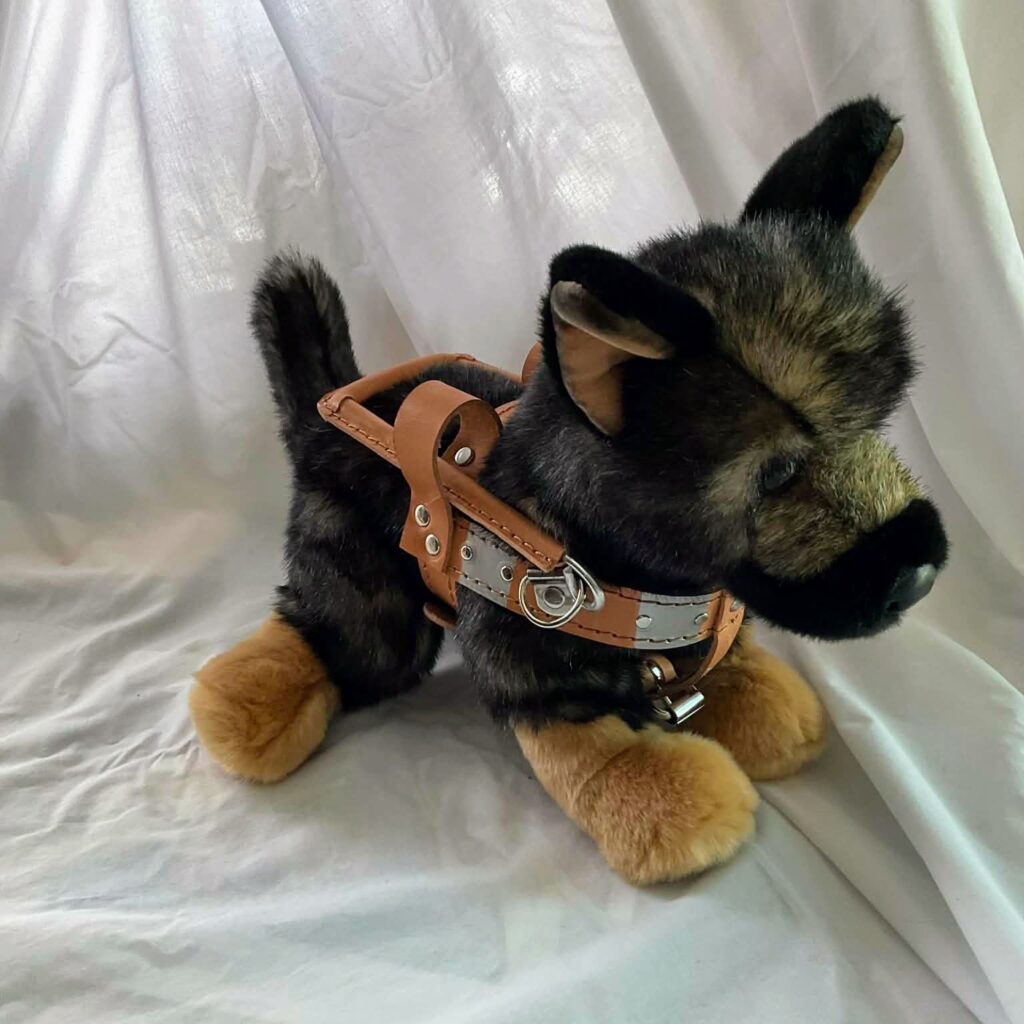
business+subscribe@guidedogusersinc.org

The Magic of Santa Claus: A Guide Dog Perspective

By: GDUI Member Anthony Corona
Posted with permission. Visit Anthony on Substack: https://theanthonycorona.substack.com/

Every year when the air shifts and the world starts to smell like pine, cinnamon, and something warm and hopeful, the kennel changes.

That is how Scrappy first noticed it.

Scrappy was new. All paws and curiosity. Ears too big for his head, heart even bigger. He had only just arrived at the training kennel, still figuring out what his paws were for and why everyone kept saying words like focus and harness and someday.

And then there were the decorations.

Red balls. Green balls. Shiny silver ones that reflected his own nose back at him. Twinkling lights that begged to be chased. Scrappy could not understand why he was not allowed to play with them. After all, balls were balls. That was simple dog logic.

It was Ginger who stopped him.

Ginger was old. Not old in the sad way. Old in the wise way. The kind of old that settles into your bones and teaches you patience. Ginger had once been a guide dog too. Years of steady sidewalks, busy intersections, quiet companionship, and fierce devotion. Now retired, Ginger lived at the kennel as a calm presence. A mentor. A quiet guardian of the new trainees.

Scrappy plopped down beside her, tail thumping.

“Why are the balls forbidden?” Scrappy asked in his puppy way, which was really more of a look and a tilt of the head.

Ginger chuckled, which sounded like a slow wag and a soft huff.

“Those are not just balls,” she said. “Those are reminders.”

Scrappy did not understand, but he listened anyway. Ginger had that effect.

“And who,” Scrappy asked next, pointing his nose toward a large red figure with white trim and a laugh that echoed through the kennel, “is that big jolly human with all the white fur?”

Ginger smiled.

“Ah,” she said. “That is Santa.”

Scrappy’s ears perked up.

“He does not smell like a trainer,” Scrappy observed. “And he laughs too much.”

“That is because Santa is not what you think he is,” Ginger replied. “Come closer. This is a story worth hearing.”

Ginger settled in, and Scrappy curled beside her.

“You see,” Ginger began, “when humans are very young, they need stories they can see and touch. So they are told about a man in a red suit who brings gifts. But that is only the beginning of the truth.”

Scrappy blinked.

“The real Santa,” Ginger continued, “is not a person. Santa is an idea. Santa is what happens when someone gives without expecting a thank you. Santa is the quiet hand that steadies someone who is afraid. Santa is the unseen kindness that makes the world softer.”

Scrappy thought about this.

“Like guiding,” he said slowly.

Ginger’s tail wagged.

“Exactly like guiding,” she said. “When I stopped at a curb so my partner would be safe, I was Santa. When I stayed awake all night because they were sick and scared, I was Santa. I did not need praise. I needed only to help.”

She paused, then leaned closer.

“One day,” Ginger said, “you will lick your handler’s tears when the world feels too heavy. One day you will press your whole furry body against them all night while they fight a cold or a fever, just to remind them they are not alone. One day you will simply know they are sad, and you will bring them a toy, or rest your head on their knee, or curl into their lap without being asked. That is Santa too.”

Scrappy’s chest felt warm.

“And sometimes,” Ginger went on, “the magic is just in being there. A steady presence. A warm body to stroke when anxiety rattles through the night. A heartbeat that says everything will be all right, even when words cannot.”

Scrappy’s tail wagged slowly now, thoughtfully.

“And if you are lucky,” Ginger added with a soft smile, “you will meet children along the way. Children who will see you and light up instantly. They will want to pet you, talk to you, laugh with you. For those moments, Scrappy, you will be Santa to them as well.”

Scrappy lifted his head.

“So why do the puppies have to be careful?” Scrappy asked. “Why can’t we tell everyone?” Ginger’s voice softened.

“Because knowing the truth comes with responsibility,” she said. “Once you know what Santa really is, you cannot unknow it. And you must protect the magic for those who still need the story. You must help choose the gifts. You must look for chances to be kind. You must never take the magic away too soon.”

Scrappy rested his head on Ginger’s paw.

“And,” Ginger said with a gentle laugh, “you will see many kinds of holidays. Some homes will glow with Christmas trees. Some will light candles for Hanukkah. Some will celebrate Kwanzaa with stories, music, and togetherness. You will hear many songs, smell many kitchens, and learn many traditions. And no matter what you do,” she added, amused, “do not chase the dreidel when it spins.”

Scrappy snorted, clearly unconvinced, but he nodded.

“One day,” Ginger continued, “you will leave this kennel. You will find your person. You will become a team. And every day you guide them through the world, you will be Santa Claus. Quietly. Faithfully. Without needing applause.”

Scrappy closed his eyes.

For a moment, he could almost see it. A harness. A sidewalk. A life shared. A purpose.

And somewhere in the background, a laugh. A red suit. A story that would live on.

That is the magic of Santa Claus.

It is not about believing in him forever.

It is about becoming him.

It is about recognizing that each of us, in our own small and ordinary ways, carries the power to be someone else’s miracle. A secret Santa. A quiet kindness. A steady presence in the dark. Especially during the holidays, when the world aches and hopes at the same time, the greatest magic is the love we give without expecting anything in return.

This Christmas, help each other. Be kind. And remember, the greatest gifts are the ones given without expectation.

🎄🎅🐾

Welcome to Paws for GDUI News You Can Use! – VOL. V, NO. 5, November 2025 – A Publication of Guide Dog Users, Inc.

President: Sarah Calhoun

Editor: Andrea Giudice

Co-editor and GDUI Immediate Past President: Penny Reeder

Guide Dog Users, Inc. (GDUI) A special interest affiliate of the American Council of the Blind (ACB) since 1972

https://guidedogusersinc.org/

Toll-Free: 866.799.8436

From the Editor- Hello Fellow Gduisters

The holidays are hurdling toward us, and it seems impossible that THIS time could be upon us again! To deal with this situation, WE ARE INCLUDING a guide to unique gifts in this issue. As usual you will also find articles, announcements, upcoming dates of interest, lots of yummy recipes (to feed all those holiday guests), and other delights!

Not to spoil the wonders of the gift guide, but one important item on that list is the GDUI Sherwood Forest Farms Holiday fundraiser! So, just saying, this Editor gave gifts from the Sherwood Forest Farms Holiday fundraiser last year and they were a major hit with everyone who received them!!!

Instead of a message from our esteemed president, this month, her spot has been bumped TEMPORARILY by a new column. It is called “Canine Contemplations!” The canine columnist who are accepting the challenge of a bimonthly column are none other than Mr. Toto, himself and his best guide dog friend, Winnie! We thank them for sharing, not only their canine contemplations, but some pretty impressive doggerel, as well! 

We encourage everyone to remember how easy it is to get involved with the production of “Paws…:” Share a favorite podcast; blog; webinar ;an interesting, silly, absurd, or touching tidbit from your local paper; something you wrote yourself or something written by someone else; a helpful app or other resource; even a yummy recipe. Remember, submissions about guide dogs, or blindness/visual impairment are not the only topics of interest to us GDUISters!

hugs and wags,

Andrea and Super T

Canine Contemplations

Hi, welcome to Canine Contemplations. It is exciting to have our column picked up by Paws. Let us introduce ourselves. 

I am Toto, guide of Editor, Andrea. I can’t wait to share things I have overheard her talk about. No, not secrets, more like tricks and tips!

Hi, My name is Winnie. I am a Seeing Eye Dog and will be sharing similar pearls of wisdom from my Mom! Toto and I are great pals, always talking amongst ourselves about our Mom’s and all the cool, and crazy, stuff they say!!

We are a couple of guides with a lot to say, however, we don’t want to be the only ones, so we welcome all you guides out there to send in tips and tricks you may of over heard from your humans. We can’t promise that everything will get published, (After all, we don’t get the last word on such things. That’s way above our pay grade!) However, we promise to give our attention to all submissions!

Now, here you go- our first set of Tips and Tricks

Toto’sTreasures- 

My Mom keeps telling people this. I really can’t imagine why, couldn’t be because of anything I did, could it?

In class, during follow-up and, it seems like all the time, we hear about how guides have such good house behavior. Recently a very experienced instructor pointed out to me that the term should be “Home Behavior.” The reality is that the way our guide dog  behaves in our own home is not necessarily what we should expect from them at other homes. When away from home guides, being dogs, are likely to encounter new and different attractive distractions and test boundaries. Quite simply, she said,  it is unreasonable and unfair, and we set our guide dogs up for failure if we expect the same behavior from our dogs when we’re away from home as we demand at home. (this is not to say that many of us don’t do just fine and just as well when we’re in other homes as we do in our own).

Winnie’s Wisdom-

When my Mom was leading her low vision/blindness support group recently I heard her share the following, it sounded smart to me.

When buttering a piece of toast, a waffle, or the like- instead of taking the traditional approach, melt the butter on a plate that is the size of the item you want to butter; then simply put it face down on the plate with the melted butter. Tada! You have an evenly buttered piece of toast, waffle or whatever, and much less mess! 

***

For Your Calendar-

(Some of the items listed here are expanded upon later in this issue, others may be a ways off)

11/14/25- Only 1 day left to place your Sherwood Forest Farms orders- HURRY!!

11/15/25- Final day to place orders in the Sherwood Forest Farms Holiday fundraiser 

11/15/25- Final day to place orders in the Pampered Chef Party

11/27/25- Last day to link to Lukas Franck traffic presentation 

11/28 & 11/29/25- Sneak a Peek Appetizer Auctions

11/30/25, 5:00 PM, ET, – 14th annual ACB Media Holiday Auction

1/2/26- Registration Deadline for ACBDA Nutrition 101 Basics Workshop

***

Announcement: Limited-time Link for the Lukas Franck Perkins Library Without Walls August 2025 presentation!

For those who were not able to attend this informative event hosting Lukas Franck discussing traffic, please see below for the recording!

Here is the link to the presentation with Lukas Franck on 08/19/25: https://perkins-org.zoom.us/rec/share/-1KQB7KOK1_c1E1D3D2ZbBLCBCv9daotO5VfJRqLc8AtC07BdnAPyBe7t2wpspLq.vKpuPkby9218knGq.

You must use the  Passcode: 1UVeyN!% to access the link.

NOTE: The link will only be valid for 90 days, so it expires on 11/27/25. 

And, the video cannot be downloaded.

If you would like to be added to our Email announcement list for information on our future programs, please  send a message to

gina.russo@perkins.org

Best regards,

Gina Russo, Outreach and Newsline Specialist, Perkins library

***

Announcement:  Nutrition 101!

Kick Off 2026 with Nutrition 101: Building a Healthier You

Submitted by Tammy Robbins & Becky Dunkerson

This 10-week series is designed to encourage a happier, healthier lifestyle for all participants. Whether you are living with diabetes, supporting someone who is, or simply looking for new ways to eat and feel better, this workshop is for you.

The program will be on Thursday evenings beginning January 8 and runs through April 2. Each session will last no more than 90 minutes and will focus on a different area of nutrition and wellness. The full lineup includes-

  Week 1 (Jan. 8): A Fresh Start – Introduction to Nutrition Basics

Week 2 (Jan. 15): Rise & Shine – Building a Better Breakfast

Week 3 (Jan. 29): Midday Magic – Lunch That Lasts

Week 4 (Feb. 5): Dinnertime Done Right – Balanced Evening Meals

Week 5 (Feb. 12): Sweet Balance – Desserts Without the Guilt

Week 6 (Feb. 19): Smart Bites – Snacks That Satisfy

Week 7 (Mar. 5): Move to Improve – Activity & Movement

Week 8 (Mar. 12): Mindful Moments – Eating with Awareness

Week 9 (Mar. 19): Tech Tools – Accessible Apps & Nutrition Facts

Week 10 (April 2): Cheers to Health – Celebration & Wrap-Up

 Membership in ACBDA is required to participate. Annual membership is just $10, which also includes access to our quarterly newsletter and other resources. Once your 2026 membership is active, you can register for the workshop for a one-time fee of $15 per participant, covering all 10 sessions.

Registration is easy: simply complete the Nutrition 101 registration form on our website, acbda.org, or reach out for assistance if you need help signing up. The deadline to register is January 2, 2026.

We invite you to join us for this exciting workshop series — an opportunity to gain experience, share, and grow alongside others in our community. Let’s start the year by investing in our health and building habits that can last well beyond the season of resolutions. 

***

Announcement: ACB Media Holiday Auction (Right after Thanksgiving!)

It is time to get ready for the 14th annual ACB Media Holiday Auction! The Holiday Auction will be held on Sunday, November 30 at 5 p.m. Eastern. 

To boost the fun… there will be Sneak a Peek Appetizer Auctions on Friday, Nov. 28 and Saturday, Nov. 29. 

 We look forward to everyone participating in the ACB Media Holiday Auction this year. Let’s celebrate ACB and the holidays in style! 

 If you have any questions, please reach out to Leslie Spoone at lesliespoone@cfl.rr.com, or call (407) 929-9837. Happy bidding!

***

Announcement:  GDUI is a Major player in the Holiday Auction!

Speaking of The Holiday Auction…

Holiday Treasure Trove of Doggie Goodies donated by GDUI

Dear Santa,

I noticed my “human” checking out the list of items in this year’s ACB Holiday Auction and the GDUI Holiday Treasure Trove is a real stand out! The first item is a Park Life Designs Naples cotton rope dog toy basket which measures 12 inches by 12 inches and Its tricolor white at the top, light gray in the middle and dark gray on the bottom and there is a patch in the shape of a dog bone that says “toys”.  The toys included are: Extra-large red Kong toy,  Nerf Dog combination Chew and Tug set which includes a three-ring tug toy and a chew bone, Barrett Tough Tornado toy and you can add treats to challenge your pup, PetLou Plush Carrot Squeaky Toy which is 29 inches long  and it is really adorable! Self-cleaning slicker brush, Green Life is Good microfiber drying towel which measures 44 inches by 27.5 inches. There  is a  patch in one corner of the towel with a yellow dog and red backpack that says Life is Good. Santa, I’ve been such a very, very good dog. My holiday wish is that my “person” wins the bid on this GDUI Holiday Treasure Trove!

*****

Understanding Canine Bloat (GDVA) A Medical Emergency!

Bloat happens, which dogs are most at risk, and what you can do to help prevent it.

Gastric dilation-volvulus (GDV) is one of the most serious emergencies a dog can face, but being prepared can save your dog’s life. Knowing your dog’s risk factors and recognizing the early signs of trouble are essential. This guide explains how bloat happens, which dogs are most at risk, and what you can do to help prevent it – starting today.

Published Sep 19, 2025

By Britt Kascjak

Gastric Dilation-Volvulus, commonly known as bloat or GDV, is an emergency condition that strikes fear into the hearts of most pet parents, and for good reason. It can escalate from seemingly mild discomfort to a life-threatening crisis in mere moments, requiring immediate veterinary care for any chance of survival. The following sections will explain the key details every pet parent needs to know about canine bloat, including how to recognize its warning signs (both subtle and more overt), the immediate actions you should take, which dog breeds are most at risk, and the crucial prevention strategies you can take to keep your dog safe.

What is Gastric Dilatation Volvulus (Canine Bloat)?

For canine GDV to be explained, it’s essential to move beyond the common understanding of a simple “bloated” feeling as humans understand it. This condition is not merely feeling an uncomfortable fullness; it’s a medical crisis that can claim a dog’s life in a matter of hours if not minutes. To learn how to recognize and respond to bloat in your dog, you must first understand what is happening during the critical stages of dilation and volvulus, each contributing to the urgency this condition creates.

Initially, the “dilatation” phase occurs when the stomach quickly fills with an abnormal accumulation of gas, fluid, or even undigested food. This gas is often the result of swallowed air, particularly during eating or stress, or the fermentation of food within the digestive tract. The stomach distends and swells, putting immense pressure on surrounding organs. This pressure can impede the diaphragm, making breathing difficult, and compress major blood vessels, triggering severe consequences.

Volvulus is the more immediate life-threatening aspect, which describes the stomach twisting upon itself. This twisting effectively blocks the esophagus, preventing gas and fluid from escaping through burping or vomiting, and the exit to the small intestine, trapping the stomach’s contents. This rotation also often twists the spleen, which is anatomically connected to the stomach, and compresses or entirely cuts off the blood vessels supplying the stomach and spleen. This loss of blood supply to these key organs leads to a rapid process of tissue death.

The combined effects of dilatation and volvulus trigger a devastating systemic response. The twisted stomach’s compression of the blood vessels severely reduces blood flow back to the heart. This leads to a drop in blood pressure and the onset of shock. As the condition progresses, vital organs like the heart, lungs, and kidneys become compromised due to the overall reduction in blood flow and oxygen delivery through the body.

GDV progresses very quickly, making it a race against time where every minute counts. Without immediate veterinary intervention, the systemic effects of shock, organ damage, and tissue necrosis can become irreversible and fatal. This condition cannot be resolved on its own, nor is there any effective home treatment. Quick recognition of the problem and an immediate rush to an emergency veterinary facility are critical to a dog’s survival.

How Do I Know If My Dog Has Bloat? Recognizing the Signs

Recognizing the warning signs of GDV is critical, as early intervention dramatically improves the chances of survival. GDV often presents initial subtle cues that can be easily overlooked or mistaken for less serious conditions. However, these quickly progress to more obvious and alarming symptoms.

Initial, Subtle Symptoms of Bloat in Dogs

The earliest warning signs of GDV can be vague, but paying close attention to these can make all the difference. Look for changes in your dog’s usual behavior and demeanor, especially after meals. Subtle signs to watch out for include:

Restlessness, Pacing, and Anxiety: Your dog might seem unable to settle, constantly pacing around, shifting positions, or displaying signs that they are generally uneasy.

Drooling or Excessive Salivation: An unusual amount of drooling can be a subtle sign of nausea or discomfort. Knowing your dog’s “normal” is critical to recognizing when that changes.

Unproductive Retching or Attempts to Vomit: This is one of the most obvious early signs of trouble. Your dog will try to vomit, often gagging or heaving, but little to no actual vomit will be produced (because it is trapped in the stomach). They may bring up some foamy saliva.

Looking at Their Abdominal Area: Dogs often turn their heads to look at the area of discomfort when experiencing trouble. For GDV, this means looking at their side or flank area.

Symptoms as the Condition Progresses

As GDV progresses, the signs of trouble become more pronounced and indicative of a severe medical emergency. These symptoms demand immediate action if your dog is to have a chance of survival.

Distended Abdomen: This is perhaps the most recognizable sign. Your dog’s abdomen will appear noticeably swollen, often more prominent on the side just behind the rib cage. The stomach may feel tight when gently tapped.

Signs of Severe Pain: Dogs in the advanced stages of GDV are in intense pain. This can manifest in signs of pain, such as whining, groaning, panting heavily, or being reluctant to lie down, preferring to stand with an arched back or in a hunched position.

Weakness and Collapse: As shock sets in due to compromised blood circulation, your dog may become weak, stumble, and collapse.

Pale Gums: Your dog’s gums may appear pale or even blue-tinged, indicating poor oxygenation.

Rapid Heart Rate: The body’s attempt to compensate for decreased blood flow will result in a significantly elevated heart rate.

Short, Shallow Breaths: The distended stomach puts immense pressure on the diaphragm, which makes it difficult for the lungs to fully expand. This often leads to rapid, shallow breathing.

The Importance of a Quick Response to a Dog Bloat Emergency

Some of these signs, particularly the initial ones, can mimic other less severe gastrointestinal problems, such as simple indigestion or an upset stomach. However, any suspicion of GDV, especially if your dog is an at-risk breed or showing multiple signs, warrants immediate veterinary attention. It’s always better to err on the side of caution and have your veterinarian rule out GDV than to wait and lose precious time.

Pet parents are uniquely positioned to notice subtle changes in a dog’s behavior. Being familiar with your dog’s usual demeanor and highly observant of any changes, particularly after meals or during periods of activity, is key to early detection and a higher likelihood of survival. Trust your instincts! If something feels wrong, contact your veterinarian immediately.

What Breeds are Most at Risk for GDV?

While GDV can theoretically affect any dog, there are factors that can significantly increase your dog’s risk. This includes not only your dog’s breed, but also other lifestyle factors and behaviors. Understanding these risk factors is crucial for ensuring you take the steps necessary to prevent an emergency.

Breed Predisposition

The most prominent risk factor for GDV is your dog’s breed. Those most at risk are deep-chested, large, and giant breeds. Their anatomical structure provides more space within the abdominal cavity for the stomach to distend and rotate. Additionally, a key ligament that helps anchor their stomach, the gastro-hepatic ligament, is longer, allowing for more movement of the stomach, including the dangerous twisting motion. Breeds that are considered high-risk include, but are not limited to, Great Danes, Standard Poodles, German Shepherds, Weimaraners, Setters (Irish and Gordon), Doberman Pinschers, Boxers, and Saint Bernards.

Other Contributing Factors

Beyond breed, several other factors can contribute to a higher risk for bloat. This includes:

Age: While GDV can occur at any age, it’s more commonly seen in middle-aged to older dogs, typically 7 years old and older.

Genetics: There is a recognized genetic component to GDV. Dogs with a direct family history of the condition are at a higher risk.

Temperament: Anxious, stressed, or highly excitable dogs may be more prone to GDV, possibly due to increased air swallowing during periods of high stress.

Eating Habits: Specific eating patterns can increase your dog’s risk. Eating too quickly and eating only one large meal per day are potential risk factors.

Post-Meal Activity: High levels of exercise, intense play, or stress immediately following a meal can increase the risk by encouraging stomach movement and gas accumulation.

Diet: While research is ongoing and a definitive connection is still being explored, some studies have shown potential links between certain diets or ingredients and GDV risk.

It is often a combination of these factors that creates a “perfect storm” for canine bloat to occur. For instance, a deep-chested breed with an anxious temperament that eats far too quickly and then engages in strenuous activity immediately after a large meal may face a significantly higher level of risk than a dog with only one predisposing factor.

Any Dog Could Be at Risk of GDV

Despite these clear risk factors, it is critical to understand that any dog, regardless of breed or size, can experience GDV. While the level of risk is significantly lower in smaller breeds and those with different meal-time behaviors, no dog is entirely immune. This is why ALL pet parents should be familiar with the warning signs and the necessity for immediate veterinary intervention.

How to Prevent Bloat in Dogs

Given the life-threatening risk of GDV, taking steps to prevent an emergency is the best approach, especially for at-risk dogs. While no method guarantees complete immunity, there are several steps you can take to significantly reduce the likelihood of this emergency.

Gastropexy

For breeds identified as high-risk, the most effective preventative measure is a surgical procedure known as gastropexy. This operation involves surgically attaching a section of the stomach wall to the inner abdominal wall. While gastropexy does not prevent the stomach from dilation, it permanently prevents the stomach from twisting. This eliminates the most dangerous aspect of GDV. Gastropexy is often recommended when high-risk dogs undergo other routine procedures, like spaying or neutering. However, it can also be performed as a standalone procedure at any age.

If you’re concerned about your dog’s risk of canine bloat, discuss the option of gastropexy with your AAHA-accredited veterinarian. Together, you can weigh the benefits against the risks of surgery.

Dietary Management and Feeding Routines

Careful management of your dog’s diet and feeding habits can significantly reduce the risk of GDV. Instead of offering one large meal daily, divide your dog’s total food allowance into two or more smaller meals spread throughout the day. This will help reduce the amount of food and gas in the stomach at any time, minimizing distension.

For dogs prone to “gobbling” their food, implementing strategies to slow their eating is highly beneficial. This can involve using specialized slow-feeder bowls, engaging them with food puzzle feeders, or even simply spreading their kibble across a large, flat surface like a baking sheet, which naturally encourages slower eating and reduces the amount of air swallowed.

Avoid rigorous exercise, strenuous play, and highly exciting activities for at least one hour before eating and at least two hours after meals. This resting period allows the stomach to settle and digest without excessive movement, which could encourage movement of the stomach, causing it to twist.

Lastly, while ensuring your dog always has access to fresh water is essential for their overall health and well-being, try to discourage them from drinking large quantities of water immediately before or after meals, as this can contribute to stomach distension.

Stress Reduction

Minimizing stress around feeding times and generally in your dog’s environment can also contribute to the prevention of canine bloat. Provide a calm, quiet, and predictable environment for meals. Avoid feeding your dog in high-traffic areas of your home, like hallways, entryways, or busy living spaces. Consistent routines can help reduce anxiety, which in turn may lessen the likelihood of gulping air.

Regular Veterinary Check-Ups

Finally, regular check-ups with your AAHA-accredited veterinarian are fundamental to your prevention strategy. Your veterinarian is the best resource for assessing your dog’s individual risk factors, discussing the latest research on GDV prevention, and recommending the best proactive measures, including whether gastropexy is right for your specific situation. Their guidance is invaluable in ensuring long-term health and safety for your dog.

Keeping Your Dog Safe from Canine Bloat

GDV is a severe, life-threatening condition demanding immediate veterinary attention. While the idea of bloat can be frightening, understanding its nature, recognizing its signs early, and knowing how to best respond empowers you as a pet parent to keep your dog safe. This knowledge helps you transform fear into preparedness, giving your dog the best possible chance of survival.

The most critical takeaway is the importance of building a strong relationship with your trusted AAHA-accredited veterinarian. They are your primary partner in ongoing preventative care, risk assessment, and, most importantly, emergency preparedness. By working closely with them, you can take meaningful steps to protect your dog’s health and well-being against this serious threat.

Article: Why I Hate the Words “Fur Baby”

By, Graham Buck

[This article appeared as a Facebook posting, attributed to the Kenora & District Dog Club. It was shared as a list posting on the Capital Area Guide Dog Users e-mail discussion list, cagdu@groups.io]

I’ve lived and worked with dogs my entire life — from guide dogs to service dogs to family pets — and I’ve seen firsthand how language shapes how we treat them.

One phrase that consistently makes me cringe is “fur baby.”

On the surface, it sounds affectionate. It signals that we love our dogs deeply. But the truth is, calling dogs fur babies does them a disservice. It blurs an essential boundary — the one that defines what makes dogs, dogs.

The Words We Use Matter

The words we use shape our expectations. When we call dogs “babies,” we start to expect them to think and behave like humans — and that’s where frustration, miscommunication, and behavior issues often begin.

When we remember that they’re dogs, we communicate in ways that actually make sense to them. We stop confusing emotional comfort with leadership, and we start giving them what they really need: clarity, guidance, and consistency.

Dogs Are Animals, Not Children

Your dog is an animal first. A well-loved, deeply bonded, emotionally rich animal — but still an animal.

Dogs are predators. They read the world through scent, sound, body language, and energy. They are hardwired to respond to structure, to thrive within clear leadership, and to find safety in routine and predictability.

When we start to see them as “babies,” we unconsciously treat them as fragile or dependent. We comfort when we should guide. We explain when we should show. We excuse behaviors that are actually stress signals, unmet needs, or confusion.

Dogs don’t need to be treated like infants. They need to be treated like intelligent beings who crave understanding, direction, and clarity.

Minimizing an Intelligent Species

Calling a dog a “fur baby” minimizes the incredible complexity of their species.

Dogs are one of the most emotionally attuned animals on the planet. They read micro-expressions, regulate to our tone, anticipate our routines, and learn through association faster than we can imagine.

That isn’t baby-like. That’s brilliant.

They have instincts that go back thousands of years — instincts that tell them how to resolve conflict, find balance in social hierarchies, and communicate through movement and stillness. When we overlook that in favor of treating them like perpetual toddlers, we take away their dignity and their natural intelligence.

The Beauty of the Bond

Our love for dogs runs deep — sometimes deeper than we expect. They are family, companions, and emotional anchors. That bond is sacred.

But honoring that bond doesn’t mean pretending they’re human. It means respecting what makes them different — and meeting them where they are.

Dogs don’t need to be human to hold a central place in our hearts. They just need us to see them clearly.

A Real Example

I’ve seen so many good dogs struggle because their people tried to “reassure” them the way you might comfort a child — soft voice, endless petting, constant soothing.

To a dog, that often sounds like, “Yes, stay anxious.”

The moment the handler learned to offer calm direction instead of emotional rescue, the dog relaxed. The energy shifted. That’s leadership. That’s love that speaks their language.

Love Them — But Respect Their Nature

Loving your dog deeply is a gift. But true love is understanding who they really are, not who we wish they were.

Dogs don’t need coddling or overprotection. They need boundaries, predictability, and confidence from the humans in their lives.

They don’t need to be our children — they need to be our dogs.

When we honor that, everything changes.

Training becomes communication.

Behavior problems become opportunities for clarity.

The relationship becomes balanced — respectful, grounded, and real.

The Bottom Line

If you want to honor your dog, stop calling them a “fur baby.”

See them for what they truly are: intelligent, emotional, instinctual animals who share their lives with us not because we’ve domesticated them, but because they’ve chosen to connect with us.

Dogs don’t need us to make them more human.

They need us to be more understanding humans.

That’s where real connection — and true respect — begin.

] dog article

***

Article: Live Translation on AirPods: Conversations Without Borders 

by Anthony Corona 

[From: The ACB Braille Forum, Volume LXIV, November-December 2025 , No. 4]

I have been playing with Apple’s new live translation feature using my AirPods Pro 2 and let me tell you, it is one of those things that feels futuristic but also takes a little getting used to. Think of it as the cousin of Siri, Translate, and your AirPods all rolled into one, helping you bridge the gap in those moments when you and the person in front of you do not share a common language.  

How It Works 

At its simplest, live translation listens to what someone is saying in one language, translates it on the iPhone in real time, and then plays the translated version into your ear. You hear it in your preferred language and you also see a transcript on the screen. When you respond, your words are translated back into their language and can be read on the screen or spoken out loud through the iPhone’s speaker.  

The important thing to know is that translation is not word by word, it happens in little chunks. That means there is a pause while the person speaks, then a moment later you hear the translation. When you are just trying to understand something being said, this feels pretty seamless. The challenge comes when you want to have a full back and forth conversation because then you are juggling earbuds, the iPhone, and making sure the other person can see and hear their side of the translation.  

Everything stays on device for privacy. Apple supports Live Translation with AirPods Pro 2 and newer, and AirPods with active noise cancellation when you have iOS 26 or later with Apple Intelligence turned on.  

My Uber Ride Experiment 

Picture this: You hop into an Uber in Miami and realize quickly that your driver speaks only Spanish. You need to tell him to drop you at a very specific side driveway entrance of your building. This is the perfect chance to put live translation to the test.  

I set the languages in the Translate app, pressed and held the stems of my AirPods to start the feature, and told my driver in English exactly where I needed to go. My phone spoke out in Spanish a few moments later, and the driver nodded. He replied in Spanish, and soon enough my AirPods whispered in my ear. He asked if I wanted him to pull into the driveway. Success.  

Tips and Best Practices 

Here is where things get interesting. If you just want to listen to someone else and understand them, it really is as easy as putting in your AirPods and letting the system do the work. But if you want to be part of the conversation, there are some tricks worth knowing.  

Ask the person you are speaking with to slow down a little at least at the beginning. This gives the system time to capture, translate, and relay before you both fall into a rhythm. Memorize a few key phrases in the other language such as can you repeat that and can you repeat that a little more slowly. These become handy shortcuts when the translation stalls. It can also be helpful to keep a running Notes file or document of phrases you pick up as you go. Add new ones when they come up in real conversation and practice them later so they start to become second nature.  

Download the languages ahead of time so you are not fumbling in the moment. Speak clearly and pause when the other person finishes so the app can catch up. Practice by yourself or with a friend so you can get used to the pace and latency before you really need it.  

If you are blind like me, turn off your screen curtain temporarily so the other person can read the translated text. Hold your phone in a steady way that lets the microphone pick up their voice without you accidentally tapping the screen and disrupting the translation. Think about placement so the phone is close enough to capture their words and angled so they can glance at the screen when you respond.  

One more tip: after you have completed your conversation, it can be helpful to review the translated text and practice a few of the phrases. A quick three finger quadruple tap over a chunk of text will copy it to the iPhone’s clipboard history. From there you can paste it into Notes or another document to refer back to and use as practice.  

Latency and Noisy Environments 

Live translation does a lot in just a couple of seconds, but latency is part of the experience. The system needs a small pause to collect the spoken phrase, run the translation, and play it back. That can feel like a beat or two of silence before you hear the other language in your ear.  

Noise can also throw it off. Busy airports, train stations, or those big raucous family dinners where you are just trying to get someone to pass the paella can all be tricky. The microphones may grab background chatter or clatter instead of the person speaking. In these cases, holding the phone closer to the speaker and politely asking them to repeat more slowly can make all the difference.  

Final Thoughts 

Live translation is not magic. There will be moments of delay, misheard words, and a little juggling act as you hand your phone back and forth or tilt it just right. But there is something genuinely exciting about being able to have a conversation that would have been impossible before. With AirPods in and a little patience, you can turn that language barrier into nothing more than a small pause in the conversation. And that feels pretty incredible.  

(Author’s Note: To receive daily reflections, think pieces, editorials and tips like this subscribe to Anthony’s Substack.) 

Literacy by Any Other Name

by Cheree Heppe

From The ACB Braille Forum, Volume LXIV, November-December 2025, No. 4]

There is a staggering drop in literacy for braille reading in the blindness community. Could that have to do with the fact that it is very difficult to get braille? 

Braille books take up three times as much space as printed books occupy. They also weigh more; it’s like carrying around huge, old tomes for just part of a book. 

Small, portable braille devices already exist with braille teaching materials and interesting books with note-taking capabilities. That access would improve interest in use of braille in practical, actionable ways by giving very portable, powerful, modern tools that interface with computers and iPhones and use a writing system that blind people read and use. 

Is it that we blind people have to realize that we don’t have economic leverage and be grateful for any crumbs sighted people send us, even when it isn’t modern and won’t really do the full, competitive job? Or is it actually the case that blind individuals are not being trained to teach the blind, and sighted people sent to teach the blind don’t know braille themselves and don’t want to bother? 

I call BS. How literate would most able-bodied, sighted people be if they could not get access to pen and paper and, instead, carried around a notebook-sized slate board and chalk for any written communication? 

If kids in India and other places make braille displays and braille devices and get them to market, how is it that the United States of America keeps putting out the vibe that braille displays and notetakers that blind people already use effectively and readily in very small form factors, that offer braille in all sorts of written, mainstream access to articles and printed materials with them whenever we need it, remain out of reach? And those blind people have to be so, so, so deserving. 

No. No. And no. 

Braille devices are not like buying a candy bar at the convenience store, but they are available, and we should not be discouraged and prevented from getting them. 

Service groups should help us to obtain braille notetakers and displays. 

Use recordings, yes, use whatever works because we have to use all the tools we can get to achieve parity. Just try hearing your audio device blabbering in the middle of a professional meeting. Try listening to travel directions in really loud ambient settings, like train stations and subway platforms, where tactile contact with a braille display would give directions and information silently and effectively. 

Federal- and state-funded rehab services meant to bring blind people into mainstream work and living fail to provide necessary equipment and services. The gatekeeper mentality needs to go. There are blind individuals using these devices who have enough knowledge of what they do and how they work to keep devices clean, free of grit and in order, as that old expression goes. Blind people should have braille displays. 

Why not give blind people special equipment that directly benefits the blind? Where, in fact, are all those dollars going, if not directly to blind consumer services?

**** 

Article: Thanksgiving: A Respite From Workplace Rage

by Charles D. Goldman

[From The ACB Braille Forum, Volume LXIV, November-December 2025, No. 4]

(Editor’s note included with article: This article was originally printed in “Horizons,” November 1998. We reprinted it with permission in the November 1998 issue of “The Braille Forum,” and are sharing it again now. Those of you who have been with ACB awhile will remember Chuck Goldman as the lawyer who leased space in the ACB national office. He has since retired, and has a new title: grandpa.)

Thanksgiving is the truly American holiday. In the tradition which flows from the Pilgrims, we take time out to appreciate family, friends, and a sumptuous turkey dinner. 

Thanksgiving at the end of the 20th century means taking a few days off work and driving to visit our loved ones who are dispersed in different cities. Along the way we encounter monster traffic jams, which sadly have evolved to encompass the phenomenon of the angry driver, “road rage.” 

Let me suggest that “road rage” is not the only element of anger in our midst. There is growing evidence of similar feelings in the workplace, what I call “workplace rage.” 

Do you recall the horrific instances of disgruntled postal service workers literally shooting co-workers? The situation led to the expression “going postal,” to mean a worker who freaked out and took violent, even lethal revenge on a supervisor and co-workers. “Going postal” is the most extreme example of workplace rage.

In the context of employer-employee relations, a new visceral anger is emerging. The new rage at work is not the Internet but anger.

Workplace rage manifests itself not only in the lack of warm, friendly jobs but also in cases where employees challenge discrimination.

The September 1998 cover of “Workforce” magazine, “Why Employees Are So Angry,” with headlines reading “Griping, lawsuits and even violence are on the rise because there’s a gap between expectations and reality.” There are, according to author Gillian Flynn, “mountains of unmet expectations.”

That is certainly true for people with disabilities. Nolan Crabb, editor of “The Braille Forum,” unequivocally states that “the day of being grateful to just have a job is past.”

He’s right. It’s been past for many years. Laws such as the Americans with Disabilities Act (ADA) and the Rehabilitation Act have promoted a sea change in attitudes and expectations.

Along with equal employment opportunity and reasonable accommodation should have come such basics as adaptive technology, such as a talking computer for a person with carpal tunnel syndrome or a vision impairment, and accessible communications, e.g. readers and interpreters, for people with communication-related disabilities. The expectation was that unemployment rates for people with disabilities would go down. For people who are legally blind or have other significant vision impairments it is still, conservatively, almost 75 percent! No disability advocacy group is hailing the ADA as a law which has led to full employment for its members who can and want to work. 

The rising of expectations in the context of our litigious society is visible in the process of redressing employment discrimination. A recent study conducted by Barry Goldman (no relation, never met him) of the University of Maryland, “I’ll See You In Court! Why Employees File Discrimination Claims,” documented the anger expressed by people filing discrimination charges at offices of the Equal Employment Opportunity Commission (EEOC). EEOC is the administrative agency at which to file charges of employment discrimination under the ADA and other federal civil rights laws.

Professor Goldman observes that 71 percent of the people who filed with EEOC felt “angry, mad, or vengeful.” He observes, “When an employee perceives that he or she is treated unfairly, this may send a signal to the employee that the organization (or its agents) do not view him or her as ‘just like them,’ sending a signal of exclusion.” He recalls for us the vivid scene in the movie “Network,” in which the fired newsman screams out, “I’m mad as hell and I’m not going to take it anymore!”

Barbara Veldhuizen, deputy director of the EEOC Baltimore District Office, confirms much of what is in the study. EEOC gets calls from people in crisis, financial and/or emotional, to whom something bad has happened at work. That something bad can be a firing, not being promoted, or even not being able to take a planned vacation. The something may have happened just recently or may have been festering for some time. Often by the time the person calls or comes to EEOC, the person is anguished and frustrated at having been unsuccessful in trying to resolve the matter with their employer, as Professor Goldman observes.

But remember EEOC is not an omnipotent workplace ombudsperson. It can only address statutorily based discrimination, such as race, sex, religion, national origin, or disability, not plain unfairness or even gross mismanagement. Also, EEOC’s trained staff have large caseloads, commonly exceeding 90 cases, which does not bode well for the individual who wants and needs his/her one situation addressed NOW!

The anger which Professor Goldman notes in a person in crisis who gets no relief from his employer and then comes to EEOC but who gets no relief from EEOC will not be dissipated. In fact, it may become rage. 

Before disability advocates run out to embrace this study, they should be aware of the statement by Goldman that says “… the ADA is unusually vague in several key areas including such key terms as what exactly constitutes a ‘disability’ and ‘reasonable accommodation’ … These definitional vagaries may force employers to endure unusual amounts of uncertainty for years until the courts resolve many of these issues …”

Here the professor is clearly wrong. When the ADA was enacted, it built on almost two decades of history and evolution under Section 504 of the Rehabilitation Act related to those key terms.

To reiterate such a biased criticism is totally inappropriate at best.

There is constant learning, constant evolution in the workplace, as managers and employees cope with new dynamics, including people with impairments who, especially as a result of laws enacted in the 1970s, namely the Rehabilitation Act and the Individuals with Disabilities Education Act, as well as the ADA, are actively striving to be taxpaying members of society. The increasing service orientation and white collar/computer-based nature of the workplace does not make reasonable accommodation impossible to provide or disability incapable of definition.

As a society we need to take a good hard look at what these articles are highlighting. We dare not let Professor Goldman’s error lead us to disregard his study or cause us not to discuss the issue. The worst thing we could do would be to continue to silently rage. Clearly, as “Workforce” notes, more must be done to bring reality — not illusions — to the workplace.

As we pause for Thanksgiving, let us take some time for introspection, to reflect at the holiday. We need to grasp what is truly happening, what we each bring to the work (as well as dining) table, what each of our responsibilities are, what is realistic to expect from ourselves, our co-workers, our employers. How can each of us, in the true Judeo-Christian ethic, make the workplace better?

Reality with humanism would be my motto as an employer. It is a creed which I think is consistent with the true meaning of Thanksgiving. 

Postscript, 2025

As we move forward in the 2lst century, the reality with humanism spirit of Thanksgiving is even more important. That spirit embodies good will toward friends, family and co-workers. The opportunity to cocoon around a table filled with good food and enjoy good conversation is a respite from the daily grind and attacks on the workplace. Those attacks have included job cuts, especially to Federal employees and those working under Federally funded (grants) programs. Working at home as a reasonable accommodation, a well-established concept under disability discrimination law, is also under serious siege. 

As we celebrate and share the holiday, in addition to giving thanks, now more than ever remember, as Edmund Burke said years ago, “All that is necessary for evil to triumph is for good men [(sic) and women] to be silent.” Let us all make the Thanksgiving holiday a catalyst to not be silent and to act to preserve and protect all that has been good (including in the workplace).

Grandpa Chuck

****

Article: Remembering St. Kateri Tekakwitha 

by Peter Heide

 [From: The ACB Braille Forum, Volume LXIV, November-December 2025, No. 4]

 November is Native American history month, and, as we approach Thanksgiving Day, we drag out the old stories of the Pilgrims and the two Natives, Samoset and Squanto. We recall that the Indians were the ones who taught the Pilgrims agricultural practices in the “New World.” We revisit documents like the Mayflower Compact and rhapsodize over the Puritan Work Ethic. It’s on the news. It’s in our schools. It even creeps into our worship spaces: The Great Thanksgiving banquet. Yet, as we acknowledge the part Native Americans played, the focus is on “How the White settlers survived the elements and made this Great America possible.” 

The story told tends to forget that this new nation was already an old nation of nations for the Native Americans who lived here. We gloss over the diseases brought by the Europeans that then ravaged the native population, who had no immunity. We remain ignorant of many of the atrocities inflicted on Native Americans. We even forget that Native American people had a major presence in the Eastern states before they were pushed West. Many of these Eastern native nations played a significant role in European warfare as France and England fought over control of what is now the United States and Canada, and later when the colonists fought the English. 

When I started looking for a Native American person who was of significance and blind, I discovered Kateri Tekakwitha (pronounced gaderi geda’gwidah). Tekakwitha means “she who bumps into things.” She was born into the Mohawk tribe in 1656. Her parents and siblings died in the smallpox epidemic of 1660, which was when she lost most of her eyesight; hence her name Tekakwitha. Smallpox left her face so badly scarred that she covered her face to hide the unsightliness. 

In reaction to the violence of her time, Tekakwitha turned from the pain and suffering experienced among the Mohawks to a more hopeful faith life as a Christian after she met three members of the Society of Jesus when she was 11. Even among the Christians she advocated against flagellation and other forms of mortification of the flesh as a means of penance. When Tekakwitha was baptized, she was renamed Catherine, Kateri in Mohawk. 

As a child, Kateri had witnessed a brutal rape of a captive girl, and, in part because of this, she made a vow of chastity. She worked among the sick and the poor and found peace among a group of women whom she met during her life.  

Her work and devotion were so obvious to others that they named her “The Lily of the Mohawks.” She died on Maundy Thursday 1680; when she died, it is reported that her face changed from being terribly scarred to a beautiful, clear complexion. (The lily is a symbol of purity.) 

She was beatified in 1980 by Pope John Paul II. After a young Native American boy prayed to her in 1981 and experienced remission of a flesh-eating bacterial infection that had temporarily made him blind. She was granted sainthood in 2012 by Pope Benedict XVI, the first Native American woman of North America to be canonized by the Catholic Church. Today churches and community centers are named after her. She is not the only blind Native American of note, but she set the bar high for those who came after her. 

As we honor November’s Native American history month, let us consider the major contributions Native Americans have made in our lives and remember St. Kateri Tekakwitha stood against the violence of her time and made a place of peace and healing for others. 

An historical fiction account of her life can be found on BARD, “Lily of the Mohawks,” by Jack Casey, DB22440, read by Madelyn Buzzard, time 12:56. This book contains graphic violence, but it is consistent with enemy treatment of the time. 

My Country 

My country ‘tis of thee, 

This too we sing.

Sweet land of liberty!

Land where our fathers died,

Victims of Pilgrims’ pride.

Yes, we still sing!  

— DeAnna Quietwater Noriega 

*****

Thanksgiving

by Anthony Corona

[From The ACB Braille Forum- Volume LXIV, November-December 2025, No. 4]

[Reprinted from The ACB Braille Forum, November 2023]

I can almost smell the pies baking, feel the heat of the oven radiating through the kitchen and wafting through the house. I can see the beautifully appointed table in my mind, and of course I can taste the dark and white meat. I can hear the cheering of the big game from the family room and kiddos playing with the dogs and counting the minutes until they get their pie and ice cream.  

Thanksgiving has always been a holiday for gathering and sharing, a time to reflect and give thanks for bounty and life. It’s a holiday that can bring us all together in love and celebration.  

This year, as I ponder my thankful list, I remember those days past and those gone to a better place. I peruse my mind and feelings to lift and celebrate all the blessings I have been given. I remember my parents and other loved ones who made Thanksgivings past so memorable. I list the many ways my partner and our doggy family have changed me for better. I celebrate friends who make me smile, think and even drive me a little crazy, LOL.  

I also charge myself to remember I am blessed and some may not be so. I charge myself to reach out to those in my life who may not have the memories of bounty, who may not have a celebration to attend. I charge myself this season to reach out and share my love with the people in my life, both on the personal and the global.  

As we all give thanks this season, let us remember we are all blessed to have each other and the opportunity to carve another bird and slice another pie. This year along with giving thanks I charge my ACB brothers, sisters and non-binary siblings to not only give thanks and share the bounty around your tables, but to share the blessings with those around you who may not be as fortunate. I implore each of us to remember the spirit of this season and spread it around. The more love in this world, the better off we all will be!! And please indulge me as I thank each and every one who is reading this for your commitment to our organization and community. I am thankful for you all!! Happy Thanksgiving!! 

***

Hello to all our GDUI members and friends, A Reminder from Tammy Robbins and the DAPP Committee

The Guide dog users Incorporated Disaster Assistance and Preparedness Program (DAPP) Committee would like to remind everyone that in the event of an emergency—such as floods, fires, hurricanes, or other natural disasters—we are here to help!

DAPP offers a $200 stipend to guide dog handlers who are in need of disaster-related assistance for their guide dog.

If you or someone you know needs support, please contact us via phone at 1.866.799.8436 or via email at info@GuideDogUsersInc.org, and we will get back to you as soon as possible.

As storm season roars down the tracks, if we can help in any way, please do not hesitate to reach out.

Together, we stand ready to support you and your guide dogs during difficult times.

Sincerely, Tammy Robbins,

DAPP committee chair

****

A Guide to Unique Gifts

•GDUI Sherwood Forest Farms fundraiser

Sleigh bells ring, are you listening?

It’s that time of the year again … time to think about what nice holiday decorations to get, and give to your loved ones and dear friends.

We are very excited to share that GDUI is again participating in the Sherwood Forest Farms fundraiser, and we want to tell you all about it!

This year there are seven beautiful items that you may choose among, of course you can opt to get all of them if choosing proves too difficult!*smile* Online ordering is easy and each of the lovely decorations is listed below, with descriptions and prices. 

*Item W4M:  A 22” inch mixed evergreen wreath, with a red burlap snowflake bow.    Price:  $50 

*Item G3M:  A set of two 10’ western cedar garlands.  Price:  $62

*Item C5M:  A 12” centerpiece with a 10” LED taper candle.  Price:  $50

*Item W3M:  A 28” mixed evergreen wreath with red burlap snowflake bow.  Price $58

*Item N7M:  An assorted pine cone gift basket with complementing red and white berries.  Price:  $48

*Item S4M:  A Noble Fir door swag decoration, approximately 30” x 20”, with snowy cones and a burlap snowflake bow.  Price:  $52

*Item EGM: An evergreen gift set including two 10’ garlands and a 22” wreath.  Price:  $89

The final order due date is November 15th, and the orders will be delivered between November 25 and December 6.  Orders can only be delivered to addresses within the continental United States.  (Sorry, not to Alaska or Hawaii)

 To go online to review the beautiful items and order,-visit

 https://sherwoodfundraiser.com/guidedogusersinc

Please, we encourage you to share this information with your friends and family, as well as to post  is near and far on your social media accounts. The more folks that learn of this fundraiser, and participate, the more beautiful winter decorations are spread across the land… and the better it is for GDUI!!! Remember, proceeds from this year’s Sherwood Forest Farms Holiday fundraiser will benefit GDUI’s Disaster Assistance and Preparedness Program (DAPP)!

If you have any questions, please contact Vickie Kennedy at  vreikok@gmail.com,  or Sarah Calhoun at  sc-tico@att.net

 GDUI thanks you so very much for supporting our organization with this fundraising effort. Have a wonderful Holiday season!

  • Meet Jen, your Pampered Chef Consultant.

She has a current party going on, open until Saturday November 15. There is a wide range of items available. Not just cookwear, but also things to eat! Speaking of eating, Kai, her Seeing Eye Dog says the best, and most important gift you’ll purchase, is the Homemade Dog Treats Gift Set! He assures you that this gift exemplifies pure love and adoration- and he should know, he is a Labrador after all!!! 

Find Jen’s party here-

https://table.pamperedchef.com/party/2635440odz

  • The Homemade Dog Treats Gift Set is here-

https://www.pamperedchef.com/pws/jenbose/shop/Pantry/Baking+Mixes/Homemade+Dog+Treats+Gift+Set/101661?queryID=64d49dbec05a9cf27fe4b82670b31246

SPREAD CHEER WITH HOMEMADE DOG TREATS! Make the holidays extra special with the Homemade Dog Treats Gift Set. Packaged in a beautiful box that’s all ready to gift, this dog treat baking kit has everything needed to make tail-wagging commence. From a dual-purpose Mason Jar to a delicious dog treat mix that’s made with 100% human-grade ingredients, this set makes it easy to whip up homemade pumpkin pie dog treats that support healthy digestion and are packed with flavor dogs love.

Mix up the dough, use the Dog Bone Biscuit Cutter to stamp out 2” (5-cm) dog treats, bake, and place them in the Mason Jar for easy storage! The Mason Jar has a wide-mouth opening, so it’s easy to retrieve biscuits when it’s treat time. After you use up the Pumpkin Pie Dog Treat Mix, check out the included recipe card. It has just what you need to make your next batch from scratch.

This is the perfect gift for all the dog lovers in your life, so share it with your friends, family, puppy raiser, your own guide, all the neighbors dogs, and coworkers.Heck, eat them yourself- they sound that good!  With this set, anyone can whip up un-fur-gettable pumpkin pie treats and fill the holiday season with happy tail wags.

•Blind Design Woodworking

Guide dog handler Kati, owner 

Text or Call for more information or to place orders

Phone: 949.333.9443 

Email: https://www.facebook.com/profile.php?id=61578749516832

Make this holiday season unforgettable with Blind Design Woodworking! Choose from a wide selection of custom-made pieces —charcuterie boards, lazy Susans, cutting boards, noodle boards, coasters, and more. Every item is skillfully crafted and may be personalized with a laser-engraved image of a faithful guide dog, inspirational quote, or any design you choose. Pieces start at $25 and up. Order early to ensure delivery by Christmas. 

•Innosearch has 2 updates just in time for the holiday rush!

The InnoSearch AI App is LIVE!

Take the full power of accessible shopping and booking with you wherever you go. Everything you love about the InnoSearch AI website, from voice shopping to flight booking, is now available in our official mobile app.

Download today for the best mobile experience! App Store or Google Play

InnoSearch is now Live for Everyone! 

We are thrilled to launch a brand-new feature built with and for our community: InnoSearch Stores. This new section is dedicated to supporting blind and low-vision sellers, as well as products designed to assist the blind and low-vision communities.

You can explore all the new stores at: https://www.innosearch.ai/stores

Featured Stores Now Live

Discover products and services from these inspiring creators and accessibility-focused brands:

*Brava: Discover the world’s most accessible oven.

https://www.innosearch.ai/stores/brava

*Donna J. Jodhan: Services by the world-renowned blind advocate, accessibility champion, and change maker.

https://www.innosearch.ai/stores/donna_jodhan

*Blindly Brilliant: Beautiful pottery products created by Donna J. Jodhan.

https://www.innosearch.ai/stores/blindlybrilliant

*Bold Blind Beauty: An advocacy platform demystifying blindness through lived experiences.

https://www.innosearch.ai/stores/boldblindbeauty

*Double Tap: Recommended accessibility products specifically selected by the Double Tap team.

https://www.innosearch.ai/stores/doubletap

*Geek Store and Glam Store: Accessibility products selected by Shawn Keen and Mindy.

https://www.innosearch.ai/stores/geek

https://www.innosearch.ai/stores/glam

•Bees Boards LLC

[Editor’s note- I purchased a gift for a friend from their booth at a fair recently. I spent much enjoyable time exploring the wonders of their booth as it was delightfully tactile!]

33 Victoria Lane

Templeton, MA 01468

(781) 541-0239

https://beesboardsma.com/

Handcrafted game boards and wooden crafts

Welcome to Bees Boards, where family game night meets craftsmanship! Explore our handcrafted wooden classic game boards, made with love by Bee and Paul in our cozy garage studio.

“How hard can it be?”

We say this a lot, in our house. We get curious about something, and we want to learn more. So we fire up YouTube, and start googling, because it can’t be that hard, right?

We had a 17-year-old Boos Block in our kitchen. It had lived on our counter from at least two houses ago, and it was tired. We decided it would be a good idea to restore it – and that’s how we discovered the world of edge grain and end grain and charcuterie boards made from live edge slabs, planers and jointers and sanders and other tools.

We were hooked.

We converted a garage bay into a wood shop. We went tool shopping. We went wood shopping. We found family and friends who loved what we made. We found strangers who loved what we made – so we kept on making. From our garage and from our kitchen.

We still haven’t restored that Boos Block …

•Loving Touch Connection®

[Editor’s note- While I haven’t personally purchased, yet, from Kathy I have already created an extremely long wish list. Oh, yes, I also have a long list of gifts I am planning to give, to others- of course! *smile*]

Kathy Keck

Phone: 610.657.9869

Email: kathy@touchedbyfantasy.com

https://www.touchedbyfantasy.com/braille-gifts.html

Loving Touch Connection on Facebook

All my life I have been dabbling in painting and crafts of one sort or another.  In 2001, I started my company, Touched by Fantasy Designs, painting terra cotta pots and selling them at a local consignment shop. As pieces sold, my confidence grew and the excitement of people actually buying pieces I created gave me a new passion to try new things. 

I started painting wine glasses with artistic designs and found they were very popular!  Then mailboxes, then slates, and taking custom orders. During this time, I was employed full-time as an Executive Assistant. When the economy affected the business where I worked, I was suddenly unemployed and decided to take a leap of faith and pursue painting. 

Loving Touch Connection – (Braille and art on glassware and ceramic mugs) was an inspired gift from God and the universe- directing me to do something even more impactful with my artwork.  I am truly blessed and grateful for all the guidance and success I’ve received through the years with these special pieces.

Raised dot Braille words and messages on ceramic and glass pieces with tactile Artistic designs for people with low vision or blindness

Unique raised dot braille gifts and products you’ll love to give! — Or keep!

Loving Touch Connection® products are daily life essential pieces that seamlessly blend functionality with artistic flair. Elevate your daily life experience with our uniquely crafted coffee mugs, wine glasses, and spice jars, magnets, beer glasses, beverage glasses, soap and lotion dispensers, and more.

Using my own proprietary technique, I hand apply the raised dots for the braille words, and painted designs. Each piece is designed to delight both visually and tactually.  Messages in raised dot braille are meticulously applied to the surface of each piece. Grade 1 is the default, and Grade 2 is available on request. The message words are also hand-painted in a lovely, easy to read script below the raised dot braille word or message. 

Key Features-

  1. Hand-Painted Elegance: Every piece is individually hand-painted, ensuring a one-of-a-kind work of art that adds a touch of sophistication to your kitchen, dining and living spaces.
  2. Raised Dot Braille: My unique designs feature raised dot Braille messages or words. These tactile elements not only cater to those with visual impairments but also add a distinctive texture for a multisensory experience.
  3. Artistic Designs:  The main focus of Loving Touch Connection is connecting the world of art for people with low vision or blindness with thoughtfully curated designs on objects they will use daily. From vibrant florals to contemporary abstract patterns, each piece tells a unique story, turning your everyday essentials into functional pieces of art. Custom orders are welcome!
  4. Raised Outlining: My attention to detail extends to applying raised outlining on the design, adding depth and texture to the artistic designs. The user can feel the contours of the design, enhancing the overall aesthetic and tactile appeal of the piece.
  5. Durable Craftsmanship: Crafted with care, these pieces are not just visually appealing but also are durable enough to withstand daily use, making them perfect for both special occasions and everyday indulgence. Microwave and top rack dishwasher safe. 
  6. Versatile Functionality: Whether you’re enjoying a cozy cup of coffee, savoring your favorite wine, or adding a pinch of spice to your culinary creations, my collection seamlessly blends artistic expression with practical functionality.

The Loving Touch Connection was created to help connect people of all ages with low vision or blindness to the world of art– on glassware. 

•Blind Girl Designs- where white canes and tactile braille meets whimsy! 

CALL TO SHOP: 862.448.1011

Hours of Operation- 9 am – 4 pm CST Monday -Friday

molly@blindgirldesigns.com 

Blind Girl Designs founder, Tricia Waechter, who has Retinitis Pigmentosa personally creates each design!

Tricia started Blind Girl Designs after losing her job in the fashion industry in New York due to her vision loss.

She believes the more sight she loses the more creative she becomes. 

Just one glance at Tricia’s original designs will have you falling in Love with Blind Girl Designs!

We proudly design blind centric prints in 

tactile inks on  T-Shirts, Sweatshirts, Hoodies and  Zip Hoodies in sizes ranging from youth Small to Large; Adult Sizes Small to 5 X-Large, and Tall Sizes Large to 3 X-Large!

Drop in and browse our fabulous creative prints!

You will love our designs created with the Blind In Mind!

Blind Girl Designs Ships Free to all U.S. addresses!

Departments- (included here to wet your shopping apatite!)

New Blind Girl Designs

T-Shirts

Crewneck Sweatshirts

Pullover Hoodies

Zippered Hoodies

Aprons

Tote Bags

America * America 3D Tactile Design Products

American Eagle 3D Tactile Design Products

American Flag 3D Tactile Design Products

Braille Alphabet Heart Design Products

Colorful Flower Garden of White Canes Design Products

Colorful Flower Heart Cane Design Products

Explosion Of Colorful Stars Cane Design Products

Home Is Where My Dog Is Design Products

I Love My Cat Design Products

I Love My Guide Dog Design Products

Irish Blessing Glow-in-the-Dark 3D Tactual Design Products

Love Tactile 3D Design Products

Monarch Butterfly Design Products

Mr Sun! 3D Tacttile Design Products

Pretty Daisies Tactile Design Products

Seahorse 3D Design Products

Sunflower 3D Tactile Design Products

Teach Love Inspire Tactile 3D Design Products

We See With Our Hearts 3D Tactile Design Products

Christmas Tree of Gifts Design Products

Colorful CaneChristmas Tree Design Products

Dancing Skeletons Happy Halloween Glow-in-the-Dark Design Products

Dancing Snowmen With Canes Design Products

Happy Dancing Ghosts Halloween Glow-in-the-Dark Design Products

Jolly Snowman Design Products

Pumpkin Spice and Everything Nice Design Products

Three Sweet Angels 3D Tactile Design Products

White Cane Snowflake 3D Tactile Design Products

Winter Tree White Cane 3D Tactile Design Products

Owned By: Tricia Waechter, Manager: Blind Mice Inc

346.839.3150

•NBP: Get ready for the holidays!

Classic print/braille cards! 

10 print/braille cards with envelopes: $20.00

Back in stock! This year, we’ve brought back another classic, favorite holiday card! Wish your colleagues, friends, and family peace and goodwill with our unique print/braille holiday cards The front has the word “peace” in dark blue and in braille as an elegant dove with an olive branch in its beak glides above. Inside reads: “Peace on Earth and goodwill toward all.” Sending cards where print and braille stand side by side, as equals, conveys a powerful message. Don’t miss out on the occasion — spread some joy this season and let special people in your life know you’re thinking of them.

https://shop.nbp.org/products/holiday-cards-peace-2025?se_activity_id=156688515268&syclid=d3t3e6n52npc73d11srg&utm_campaign=A+classic+print%2Fbraille+Holiday+Card+returns+for+2025%21_156688515268&utm_medium=email&utm_source=shopify_email

2026 Peanuts “Happiness Is” Calendar

$17.00

https://shop.nbp.org/products/2026-peanuts-happiness-is-calendar?se_activity_id=156688515268&syclid=d3t3htnfgqds73dg9sq0&utm_campaign=A+classic+print%2Fbraille+Holiday+Card+returns+for+2025%21_156688515268&utm_medium=email&utm_source=shopify_email

How the Grinch Stole Christmas!

$20.00

(Print/braille picture book)

By Dr. Seuss

Get in on the Christmas cheer with Dr. Seuss’s iconic holiday classic starring the Grinch, Max, and Cindy-Lou Who—guaranteed to grow your heart three sizes! This heartwarming story about the effects of the Christmas spirit will warm even the coldest and smallest of hearts. Like mistletoe, candy canes, and caroling, the Grinch is a mainstay

https://shop.nbp.org/products/how-the-grinch-stole-christmas?se_activity_id=156930277572&syclid=d45ni330gq9s73b472dg&utm_campaign=The+season+begins…+Order+early%21_156930277572&utm_medium=email&utm_source=shopify_email

Eight Sweet Nights: A Festival of Lights

$16.00

(Print/braille picture book in UEB., Reading age: ‎ 3 – 7 years)

A warm and yummy Hanukkah-themed picture book about the joys of coming together to celebrate with family and food.

It’s time to start counting sleeps—Hanukkah is coming! Shimmering, shining, sparkling. Eight sweet nights, a festival of lights.

Set in a cozy house full of latkes, applesauce, sufganiyot, and other Hanukkah holiday treats, this warm and emotional story highlights the importance and joy of passing along traditions from one generation to the next, and making new traditions too.

Children also learn about the meaning of the holiday, with informative side notes on each page to give a brief explanation of words found at Hanukkah, such as Maccabees, hanukkiyah, shamash, and gelt. An afterword from the author provides even more historical background to the holiday, making this a book to take from the shelves year after year.

https://shop.nbp.org/products/eight-sweet-nights-a-festival-of-lights?se_activity_id=156930277572&syclid=d45nir7rav7c7393gnn0&utm_campaign=The+season+begins…+Order+early%21_156930277572&utm_medium=email&utm_source=shopify_email

Favorite Christmas Carols

$15.00 

(Braille, 1 vol., or BRF)

https://shop.nbp.org/products/favorite-christmas-carols?se_activity_id=156930277572&syclid=d45npeaoi11s7380j0ag&utm_campaign=The+season+begins…+Order+early%21_156930277572&utm_medium=email&utm_source=shopify_email

Popular Christmas Songs

$18.00 

(Braille, 1 vol., or BRF)

Compiled by National Braille Press

As the holiday season approaches each year, certain songs are bound to be on the radio or included in themed playlists. They can give us a pep in our step or a chance to reflect as we sing along. This book includes lyrics to 35 songs, including some you may already be quite familiar with and a few new-to-you tunes that just might be your next favorite. Happy singing!

https://shop.nbp.org/products/popular-christmas-songs-1?se_activity_id=156930277572&syclid=d45nttb0gq9s73b4771g&utm_campaign=The+season+begins…+Order+early%21_156930277572&utm_medium=email&utm_source=shopify_email

Braille Fidgets

$16.00 

By Unicorn Soda Reviews

These braille and print letter fidget toys from Unicorn Soda are addictive!

Each fidget has 26 connected pieces that link together to form a chain. Each link has a braille character on one side (a through z) and the corresponding raised, large print capital letter on the reverse. One extra link contains a lobster-style keychain clip, which does not have any braille or print on it.

These letter links can be joined together in any order to form a chain, with movement similar to a bike chain. Joints between links provide a satisfying, auditory click when moved. This braille fidget can be taken apart and puzzled back together, and fits in your palm or pocket. Endless sensory and tactile discrimination possibilities!

Fidgets are made from a durable material (TPU) that is heat-resistant.

Dimensions: .5 inch by .5 inch by 15 inches (Warning: choking hazard – not for children under 3 years.)

Limited quantity!  

https://shop.nbp.org/products/braille-fidgets?se_activity_id=156930277572&syclid=d45o2jaco8ms73cl4uv0&utm_campaign=The+season+begins…+Order+early%21_156930277572&utm_medium=email&utm_source=shopify_email

Braille Magnets

$6.00 

Some of the most original gift ideas show up at the checkout counters of book and gift stores, like these “Quotables” refrigerator magnets with memorable quotes. We selected different magnets and simply placed transparent braille over the print quotes, so all can read. Each artful magnet is a 3.5″ square that can be used to decorate any refrigerator door or hold up a photo or note. 

“The road to my heart is paved with paw prints.”  — Unknown

https://shop.nbp.org/products/magnet-the-road-to-my-heart-is-paved-with-paw-prints?se_activity_id=156930277572&syclid=d45o554h2sbs73a8o7f0&utm_campaign=The+season+begins…+Order+early%21_156930277572&utm_medium=email&utm_source=shopify_email

“Be the person your dog thinks you are.” — Unknown

https://shop.nbp.org/products/magnet-be-the-person-your-dog-thinks-you-are?se_activity_id=156930277572&syclid=d45o4p2lmehc73cscdlg&utm_campaign=The+season+begins…+Order+early%21_156930277572&utm_medium=email&utm_source=shopify_email

Holiday Cocktails & Mocktails

$14.00 

(Braille, 1 vol., or BRF)

Featuring 27 elegant cocktail and mocktail recipes (and 3 simple syrup recipes) for the most wonderful time of the year! Whether you’re expecting a big crew of people at the annual holiday gathering or looking for something to enjoy as you quietly sit and appreciate the lit tree, you’ll find simple recipes for Spiced Apple Cider, Espresso Martinis, and Hot Caramel Spicy Rum. This is the perfect book to pull off the shelf year after year when you want to make any occasion a little more festive.

https://shop.nbp.org/products/holiday-cocktails-mocktails?se_activity_id=156930277572&syclid=d45o99bq0fsc73aq17ag&utm_campaign=The+season+begins…+Order+early%21_156930277572&utm_medium=email&utm_source=shopify_email

•Beat the holiday rush and order your guide dog statue now!

Memorialize the guide dog that means or meant so much to you with Danny’s Guide dogs labrador retriever or German shepherd complete with harness!  This

beautiful crafted led free pewter  even simulates the dog’s fur.

The statue is made with fine led free pewter and is produced by master craftsman George Kysor, owner of the renowned “Baker Art Foundry”, Placerville California.

Guide dog handlers, puppy raisers, guide dog trainers and family alike will cherish this remarkable statue weighing one pound and standing 4.5 inches tall,

2 inches wide and 5.5 inches long and is of a shiny led free pewter polish.

The dog is in a sitting position looking slightly up and is sporting a guide dog harness and the dog’s tail is laying on the base pointing to the lower

right corner of the pedestal where the dog is mounted.

For further inquiries or to order, contact Dan Kysor at 916.706.1431

Or email dankysor@comcast.net

****

Be My Eyes for Business – Monday, October 6, 2025 at 2:00 PM

[From the Tech-VI Announcement List]

Be My Eyes Announce Launch of Service AI as a Standalone Product The AI-powered tool provides businesses with scalable and consistent 24/7 accessible customer service, plus instant access to 900,000+ potential blind and low vision customers

SAN FRANCISCO, CA  – 6th October, 2025 – Be My Eyes, the Accessibility Management platform for people who are blind or have low vision, today announced the availability of its Service AI solution as a standalone product. Previously provided as part of larger scale implementations of Be My Eyes Customer Accessibility Suite, the product is now available to smaller businesses looking to deliver accessible, scalable and consistent customer service to the blind and low vision community.

Service AI is an AI-powered virtual service agent built on the Be My Eyes platform, and accessible by over 900,000 blind and low vision consumers worldwide through the Be My Eyes app. It is a modern AI-driven customer service function that enables blind and low vision consumers to get the service support they want, when they need it.

Acting as a virtual agent, Service AI can be trained on a business’s products and services as well as how to identify certain problems and suggest solutions to solve them. The advanced AI interprets images, and chats with customers to provide consistent support, in various languages, and to solve their requests fast. In addition, Service AI can provide optional escalation to a human agent if and when needed.

Mike Buckley, CEO at Be My Eyes commented on the launch… 

“Service AI can be absolutely transformative. You don’t necessarily even need dedicated service agents or a contact center. With Service AI, any business can now offer 24/7 support that is fully accessible, AI-powered, and most importantly focused on providing that support to blind and low vision customers”.

Unlike other customer service solutions, licensing Service AI includes automatic listing in the Be My Eyes Service Directory, a searchable support directory accessed by over 900,000 blind and low vision users worldwide. This provides immediate brand exposure to an engaged, loyal customer base that actively seeks out accessible businesses.

This not only makes Service AI a simple to implement and valuable support tool, but for those organizations that prioritize customer experience across all abilities and disabilities, it is also a clear brand differentiator and potential competitive advantage.

With the “virtual agent” and the automated customer service bot market now exploding, Service AI represents a refreshing alternative to many other systems that typically require complex integrations and set up work. Service AI is designed to be up and running almost instantly, which is particularly useful for organizations with little time on their hands, or small or medium sized business that may not yet be ready for large service desks and support staff.

Jesper Knutell, CRO at Be My Eyes had this to say…

“This launch levels the playing field for small and medium businesses in particular. Service AI combines two things SMEs rarely get at once; enterprise-grade technology and immediate access to a highly engaged global community. It’s a simple, affordable way to stand out and serve customers better.” 

Service AI is available immediately for businesses wanting to provide fast, accessible, reliable support to build stronger customer relationships and advocates. 

Learn more or request a free demo at: https://www.bemyeyes.com/business/bme-service-ai/

_____

About Be My Eyes

Launched in 2015, Be My Eyes is a globally recognized and award-winning access technology provider for people who are blind or have low vision. With a global community of 900,000+ users, and 9.3 million volunteers, Be My Eyes connects blind and low-vision users with sighted volunteers and companies, through live video and AI to tackle inaccessible parts of everyday life, whether at home or at work; all for free to the end user.

Be My Eyes is available in more than 150 countries worldwide and its volunteers speak more than 180 languages. 

To learn more, please visit bemyeyes.com or join us on LinkedIn, X, Facebook, Instagram, Mastodon, Threads and TikTok.

https://www.bemyeyes.com/business/news/be-my-eyes-announce-launch-of-service-ai-as-a-standalone-product/

***

Podcasts/Blogs/Webinars- Check these out!

Hadley Presents- Cooking After Vision Loss

In this episode, we chat with and learn from members of the Hadley community. Dia Kraft and Don Pojman share their own tips and tricks for continuing to cook despite having lost some vision.

To Listen- https://hadleyhelps.org/podcasts/hadley-presents-conversation-experts/cooking-after-vision-loss

In case you missed these other episodes-

Everyday Choices That Can Influence the Course of Eye Disease

Ever wonder if there’s more you could be doing to support your eye health? Dr. Sophie Bakri, retinal surgeon and chair of ophthalmology at the Mayo Clinic in Rochester, MN, joins us to discuss everyday choices that can influence the course of eye conditions like macular degeneration, diabetic retinopathy, and glaucoma. 

To Listen- https://hadleyhelps.org/podcasts/hadley-presents-conversation-experts/everyday-choices-can-influence-course-eye-disease?utm_source=sfmc&utm_term=Everyday+Choices+That+Can+Influence+the+Course+of+Eye+Disease&utm_content=120889&utm_id=b3a3884d-9209-4785-bf38-d64b6127b792&sfmc_activityid=9feb3f31-0248-4ad1-aef0-2ee2849f7755&utm_medium=email&utm_campaign=11.08%20Hadley%20Presents

Monitoring Macular Degeneration from Home: Notal Vision

We talk with the CEO of Notal Vision about a home-based monitoring tool that alerts your eyecare provider to potential disease progression. This device can help you stay on top of your eye health between doctor visits.

(Bonus: Stay tuned! One of the most popular episodes from our sister podcast, Insights & Sound Bites, will automatically play after this interview.)

To Listen- https://hadleyhelps.org/podcasts/hadley-presents-conversation-experts/monitoring-macular-degeneration-home-notal-vision?utm_source=sfmc&utm_term=Monitoring+Macular+Degeneration+from+Home%3a+Notal+Vision&utm_content=120889&utm_id=b3a3884d-9209-4785-bf38-d64b6127b792&sfmc_activityid=9feb3f31-0248-4ad1-aef0-2ee2849f7755&utm_medium=email&utm_campaign=11.08%20Hadley%20Presents

Vision Loss and Depression

Ophthalmologist Dr. John Shepherd joins us to talk about the connection between vision loss and depression, what signs to look for, and how to get the support you need.

To Listen- https://hadleyhelps.org/podcasts/hadley-presents-conversation-experts/vision-loss-and-depression?utm_source=sfmc&utm_term=Vision+Loss+and+Depression&utm_content=120889&utm_id=b3a3884d-9209-4785-bf38-d64b6127b792&sfmc_activityid=9feb3f31-0248-4ad1-aef0-2ee2849f7755&utm_medium=email&utm_campaign=11.08%20Hadley%20Presents

Find All Episodes here- 

https://hadleyhelps.org/podcasts/hadley-presents-conversation-experts?utm_source=sfmc&utm_term=All+Episodes&utm_content=120889&utm_id=b3a3884d-9209-4785-bf38-d64b6127b792&sfmc_activityid=9feb3f31-0248-4ad1-aef0-2ee2849f7755&utm_medium=email&utm_campaign=11.08%20Hadley%20Presents

***

From the Kennel Kitchen- Yummy!

  • Pumpkin Spice Pancakes

[From The Seeing Eye]

Yield: 8 – 10 pancakes

 Celebrate autumn with these delicious pumpkin and spice pancakes topped with warm maple syrup and a dollop of fresh whipped cream.

 2 cups pancake mix of choice

1 Tablespoon brown sugar

1/2 teaspoon cinnamon

1/2 teaspoon ground ginger

1/2 teaspoon nutmeg

1/4 teaspoon salt

1 1/4 cups milk (or more as needed)

3/4 cup pure pumpkin puree

Whipped cream and pure maple syrup for topping 

In a large bowl, whisk together the pancake mix, brown sugar, cinnamon, ginger, nutmeg, and salt until well blended. In a separate bowl, combine the milk and pumpkin puree. Slowly add milk mixture to dry ingredients and stir until just combined. Batter should be thick and lumpy. 

Lightly grease griddle with oil and heat on medium-high. Drop 1/3 cup batter onto griddle and cook about 90 seconds until pancakes are golden on the bottom and bubbly on top. Flip pancakes and cook about 90 seconds more until bottoms are browned. Serve with warmed maple syrup and a dollop of whipped cream. 

•No-Bake Peppermint Pie

[Reprinted from Princess Pinky Girl]

 You’ll need:

One Oreo pie crust

1 cup heavy cream

1 ½ cups powdered sugar

2 8-oz. packages of cream cheese, softened

10 drops red food coloring

2 tsps. vanilla extract

1 tsp. peppermint extract

½ cup peppermint candy or mints, crushed

1 tub Cool Whip

Crushed peppermint candy for decoration 

Whip the heavy cream until stiff peaks form. Set aside.

Cream together the powdered sugar and cream cheese. Add the food coloring and vanilla & peppermint extract to the cream cheese/powdered sugar bowl and mix.

Mix in the peppermint candy bits with the cream cheese/powdered sugar. Then, add the powdered sugar/cream cheese mixture to the bowl of heavy whipping cream and mix together on low speed until combined. 

Pour into crust. Top pie with Cool Whip and crushed peppermint.

 Chill for 1-2 hours or until ready to serve. 

•Turtle Cheesecake Dip

[The ACB Braille Forum, Volume LXIV, November-December 2025, No. 4]

Submitted by Nancy Christine Feela

 Prep 15 min. 

Total 1 hour 15 min. (including refrigerating)

Makes 26 servings, 2 Tbsp. each

 Ingredients- 30 Kraft caramels

2 1/4 cups (about 3/4 of 8 oz. tub) thawed Cool Whip, divided

2 oz. Baker’s Semi-Sweet Chocolate, chopped

2 packages (8 oz. each) Philadelphia Cream Cheese, softened

1 1/2 cups chopped Planters pecans 

Microwave caramels and 1/2 cup Cool Whip in medium microwavable bowl on high 1 minute 40 seconds, stirring after 1 minute. Stir until caramels are completely melted and sauce is well blended. Cool 10 minutes. 

Meanwhile, microwave chocolate and 3/4 cup of the remaining Cool Whip in small microwavable bowl for 1 minute, stirring after 30 seconds. Stir until chocolate is completely melted and sauce is well blended. 

Beat cream cheese in separate medium bowl with mixer until creamy. Add 2/3 cup caramel sauce; beat until blended. Gently stir in remaining 1 cup Cool Whip. Spread cream cheese mixture onto serving plate; drizzle with chocolate sauce and remaining caramel sauce. Sprinkle with nuts. Refrigerate 1 hour. Serve with pretzel twists.

•Corn Casserole

From The ACB Braille Forum, Volume LXIV, November-December 2025, No. 4] 

Submitted by Scott Thornhill

1 can cream-style corn

1 can whole corn, undrained

1 box Jiffy Corn Muffin mix

8 oz. sour cream

1 stick butter or margarine, melted

2 eggs, slightly beaten 

Mix all together, pour into 13” x 9” pan, and bake at 350°F for 45 to 55 minutes (325° if using a glass pan).

(You can add sugar to taste, as well as cayenne pepper. )

(If you have a big crowd coming, double the recipe.) 

•Chickpea Salad

[From The ACB Braille Forum, Volume LXIV,  November-December 2025, No. 4]

1/2 small red onion, finely chopped

1/2 green/red/yellow pepper chopped (or a mix of the three)

1 Tbsp. white vinegar

1/4 cup red wine vinegar

1 clove garlic, minced

Sea salt and freshly ground black pepper

2 Tbsp. extra virgin olive oil

1 can (16 oz.) chickpeas (garbanzo beans), drained

1/3 cup diced sun-dried tomatoes packed in oil (I use a small can of diced tomatoes instead, drained, any flavor)

2-3 Tbsp. chopped fresh parsley or tarragon

2 Tbsp. fresh lemon juice 

Bring a small sauce pan of water to a boil. Add the onion, and cook 30 seconds. Drain, and toss with white wine vinegar.

Mix together the red wine vinegar, garlic, salt, and pepper and gradually whisk in the oil.

Toss the chickpeas, sun-dried tomatoes, and onion with the dressing and let marinade 1 hour.

Add the chopped parsley or tarragon and lemon juice, toss to mix, and serve at room temperature. 

•Cherry Jell-O Salad

[From The ACB Braille Forum, Volume LXIV, November-December 2025, No. 4]

1 large pkg. (6 ounces) cherry Jell-O

2 cups boiling water

1 can (20 oz.) crushed pineapple, undrained

1 can (21 oz.) cherry pie filling 

Mix all together and refrigerate several hours to let it set. Cut into squares. 

•Vegetable Salad 

[From The ACB Braille Forum, Volume LXIV, November-December 2025, No. 4]

5 cups chopped broccoli florets

5 cups chopped cauliflower florets

2 cups shredded cheddar cheese

1/2 cup raisins or dried cranberries

2/3 cup minced onion

1/2 cup sugar

1 cup mayonnaise

2 Tbsp. red wine vinegar or raspberry vinegar

6 bacon strips, cooked and crumbled, or 1/2 cup bacon bits

1/4 cup shelled, toasted sunflower seeds 

Chop broccoli and cauliflower into bite-sized pieces. In a large bowl, add vegetables, cheese, raisins, minced onions and mix well. In another bowl, combine sugar, vinegar and mayonnaise.  

Pour the dressing over the salad and toss until all vegetables are coated well. Sprinkle the bacon and sunflower seeds over the top.

(This recipe could be cut in half if you are serving a smaller group of people.) 

Tip: This salad can be made ahead; add the bacon and sunflower seeds just before serving  

•3-Ingredient Pumpkin Donuts

[Reprinted From Simplistically Living-by Brittanie Pyper]

Servings 20 Donuts

You’ll need- Piping bags

Domino powdered confectioners sugar

Pure Vermont maple syrup 

Canned organic pumpkin puree

Betty Crocker Super Moist Spice Cake Mix

Wilton non-stick 6-cavity donut baking pans

Cooking spray

For The Pumpkin Donuts- 1 box spice cake mix, 15.25 oz.

1 cup pumpkin puree

1/3 cup heavy cream

For The Maple Glaze- 1 1/2 cups powdered sugar

2 Tablespoons maple syrup

4-6 Tablespoons heavy cream

Preheat the oven to 350 degrees Fahrenheit and spray a doughnut pan with cooking spray.

Mix together the cake mix, pumpkin puree, and heavy cream in a large mixing bowl with a hand or stand mixer until combined. The batter will be thick.

Using a piping bag, pipe batter into each donut well, filling it about 1/2 full of batter.

Bake for 12-15 minutes or until a toothpick comes out clean and the top of the donuts bounce back if gently tapped.

Remove the donuts from the oven and allow them to cool for 3-5 minutes before turning them out onto a cooling rack.

Allow the donuts to cool completely, and then make the glaze by whisking together the powdered sugar and maple syrup in a medium-sized mixing bowl.

Gradually pour in the heavy cream, 1 Tablespoon at a time, until you reach a thick, spreadable consistency. 

Spread frosting onto the top of each donut. Serve and enjoy.

(If making mini donuts, bake at 350 degrees for 5 to 7 minutes.)

***

Tom Brady reveals his dog is a clone of a family pet who died in 2023

[From: The Washington Post, November 4, 2025, 

https://www.washingtonpost.com/sports/2025/11/04/tom-brady-dog-clone/?utm_campaign=wp_the7&utm_medium=email&utm_source=newsletter&carta-url=https%3A%2F%2Fs2.washingtonpost.com%2Fcar-ln-tr%2F45ac6bf%2F690b39ef2d6e7670ef244901%2F5969b8049bbc0f6d71c647df%2F74%2F108%2F690b39ef2d6e7670ef244901]

[Editors’ Note: No comment!]

Tom Brady revealed Tuesday that a young dog of his is actually a clone created from a family pet who died almost two years ago.

In a statement shared by Colossal Biosciences, a company that says it specializes in “species restoration,” Brady thanked it for giving him and his family

“a second chance with a clone of our beloved dog.” Brady is an investor in the company.

The original dog, Lua, 

Died  in December 2023, according to Brady’s ex-wife, Gisele Bündchen. On Tuesday, Brady said he “worked with Colossal and leveraged their noninvasive cloning

technology through a simple blood draw of our family’s elderly dog before she passed.” He credited the company with taking just “a few short months” to

provide him with the clone, reportedly named Junie.

Brady’s comments emerged in conjunction with Colossal’s announcement Tuesday that it had acquired Viagen Pets and Equine, said to be “the global leader

and expert in animal cloning.” Viagen previously helped celebrities such as 

Barbra Streisand  and Paris Hilton obtain clones of their pet dogs. Hilton, also an investor in Colossal, had  two clones

and Streisand got three, one of which went to the daughter of a friend.

Viagen says it 

Charges  $50,000 to clone a cat or a dog and $85,000 for a duplicate horse. The company also 

Touts  its “key role in preserving and reviving the genetics” of exotic, and in some cases endangered, species such as white and black rhinos, the Florida bonneted

bat and the Grévy’s zebra.

Colossal’s “de-extinction” efforts have included, per the company, bringing forth 

the first dire wolves  in approximately 10,000 years.

Brady said in his statement Tuesday that he was “excited” at the prospect that the two companies, now under the same umbrella, could “help both families

losing their beloved pets while helping to save endangered species.”

****

AI Beats Humans at Picking Future Service Dogs

[From: AI Beats Humans at Picking Future Service Dogs – NewsBreak]

https://www.newsbreak.com/doggo-digest-318442522/4271925268153-ai-beats-humans-at-picking-future-service-dogs]

ByJheremia Macatiag

New study finds machine learning can spot future guide dogs with 80% accuracy

When it comes to choosing a puppy who could grow up to become a dependable guide dog, even the most experienced trainers admit it’s more of an art than

a science. But what if a computer could do better?

That’s exactly what a team of researchers from the U.S. and U.K. set out to test—by teaching an artificial intelligence (AI) model how to identify the

makings of a perfect service dog. Their findings, recently published in Applied Animal Behaviour Science, suggest that AI may now be better at predicting

future guide dog success than seasoned human professionals.

block quote

“This could be a real game-changer for organizations training assistance animals,” said Dr. Mohammad Amirhosseini, Associate Professor at the University

of East London, who co-authored the study. “Not only could it save time and money, but it also reduces the emotional burden on dogs and trainers when a

dog doesn’t make the cut.”

Trainers tracked behavior traits like energy, focus, and temperament to train the AI. 

The researchers partnered with The Seeing Eye, Inc.—the oldest guide dog school in the world—and several universities, including the University of Pennsylvania

and the University of Nottingham. Trainers meticulously logged details about each dog’s temperament, energy, focus, and other traits throughout their development.

The AI model was trained using this data to recognize patterns that correlated with dogs who eventually graduated the program. When tested, the AI predicted

successful service dogs with up to 80% accuracy—significantly outperforming trained humans.

Dr. James Serpell, a co-author from the University of Pennsylvania, noted: “We’re not replacing trainers. What we’re doing is giving them a very powerful

new tool to help them make better decisions early on.”

Reducing Training Failures and Saving Resources

Training a service dog is costly, often exceeding $50,000 per animal. When a dog doesn’t make the cut, it’s not just a financial burden—it’s emotionally

taxing for trainers and disappointing for families awaiting a match.

As TechRadar reports, the use of AI in early-stage selection could mean fewer heartbreaks and better outcomes. By identifying traits linked to future success, the

system helps trainers focus their energy and resources where they matter most—potentially saving time, money, and sparing dogs from being removed from

training and rehomed after developing strong bonds and routines.

If AI can catch patterns even experienced trainers overlook, it won’t replace human judgment—but it could become an invaluable partner in the world of

animal training.

The project was a collaboration between institutions across two continents, including the University of Arizona and Canine Companions. It shows how emerging

technology can work hand-in-hand with human expertise to improve animal welfare and training “This isn’t about replacing intuition—it’s about enhancing it,” Amirhosseini added.

***

Announcement, We are proud to announce that all recordings from the 2025 ACB Conference and Convention are now available in podcast format. 

By Rick Morin, ACB Media and IT Manager

A total of 133 podcasts have been published, organized into 12 distinct podcast feeds. Each feed features podcasts grouped by similar topic areas, allowing you to more easily find content that matches your interests and needs. 

Each podcast feed is accompanied by a dedicated website that lists all the podcasts published within that feed. On these websites, you will find Show Notes for every episode, offering detailed descriptions and context. Additionally, each site provides direct links to listen to or download individual podcasts, making it convenient for you to enjoy content on your preferred device or platform.

We will soon release a comprehensive directory of each individual podcast, complete with direct links organized in the order they occurred during the conference. Until that directory is available, you may access the podcasts through each feed’s website.

Below are the links to each feed’s website, along with the RSS Feed URL for those who wish to subscribe and receive updates directly.

Feed Website

RSS Feed

ACB Business

https://pinecast.com/feed/acb-business

ACB Conference and Convention

https://pinecast.com/feed/acb-convention

ACB Convention: Audio Described Tours

https://pinecast.com/feed/acb-ad-tours

ACB Convention: Exhibits

https://pinecast.com/feed/acb-exhibits

ACB Focus: Advocacy

https://pinecast.com/feed/acb-focus-advocacy

ACB Focus: Audio Description

https://pinecast.com/feed/acb-audio-description

ACB Focus: Diversity, Equity, and Inclusion

https://pinecast.com/feed/acb-diversity-inclusion

ACB Focus: Education

https://pinecast.com/feed/acb-focus-education

ACB Focus: Employment

https://pinecast.com/feed/acb-focus-employment

ACB Focus: Entertainment

https://pinecast.com/feed/acb-entertainment

ACB Focus: Guide Dogs

https://pinecast.com/feed/acb-focus-guide-dogs

ACB Focus: Health and Wellness

https://pinecast.com/feed/acb-health-wellness

ACB Focus: Leadership

https://pinecast.com/feed/acb-focus-leadership

ACB Focus: Literacy

https://pinecast.com/feed/acb-focus-literacy

ACB Focus: Technology

https://pinecast.com/feed/acb-technology

ACB Focus: Transportation

https://pinecast.com/feed/acb-focus-transportation

Podcasts en español de la ACB

https://pinecast.com/feed/acb-espanol

Stay tuned for the Master Directory of all podcasts coming soon!

***

It is never to soon to plan for next Convention! A Look at the Hyatt St. Louis Arch

by Janet Dickelman

[From The ACB Braille Forum, Volume LXIV, November-December 2025, No. 4] 

Submitted by Nancy Christine Feela 

As you read this, the ACB board will be holding their fall board meeting. The convention committee will also be in St. Louis, wandering the hotel, visiting potential tour venues, meeting with organizations for possible volunteer sources, and meeting with the local host committee.

The dates for our 2026 convention are July 24-31.

Hotel Details:

Room rates at the Hyatt are $104 single or double, $129 triple or $154 quad, plus applicable state and local taxes (currently 17.92%). Reservation details will be available shortly.

Here is some information regarding the convention hotel.

 Hotel Restaurants- The Hyatt Regency Arch features five restaurants:

 Starbucks: Open from 6 a.m. to 6 p.m. daily

 Brewhouse (Lunch and Dinner): Open from 11:00 a.m. to 11:00 p.m. daily

 Red Kitchen (Breakfast): Open Monday through Friday, 6:30 a.m. to 10:30 a.m.

Saturday and Sunday, 6:30 a.m. to 11:00 a.m.

 Red Bar: Open 4:00 p.m. to 11:00 p.m. daily

 Ruth’s Chris: Open Monday through Thursday, 4:00 p.m. to 9:00 p.m.

Friday, 4:00 p.m. – 10:00 p.m., Saturday, 3:00 p.m. – 10:00 p.m., Sunday, 3:00 p.m. – 9:00 p.m. 

Room Amenities- All sleeping rooms have safes, ironing boards, refrigerators and K-cup coffee makers. The hotel has a 24-hour fitness center. It does not have a pool. There are no guest washers and dryers; there is a dry-cleaning service. 

In the January issue, we will have a rundown of our 2026 tours.

Staying in Touch- The conference and convention announce list will be filled with information. If you received updates for the 2025 convention, you do not need to re-subscribe. If you are not subscribed to the list, send a blank email to acbconvention+subscribe@acblists.org.

For any convention-related questions, please contact Janet Dickelman, convention chair, at (651) 428-5059, or via email, janet.dickelman@gmail.com.

May you have the best holiday ever, whether it’s Christmas, Hanukkah, Kwanzaa, or another celebration. Wishing you a season of joy, love, good food, and time with friends and family.

*****

IMPORTANT Editor’s note: Content for GDUI News You Can Use is culled from a variety of sources; Hence inclusion herein does not imply GDUI endorses, supports or verifies said contents. Information, ideas, or expressed opinions are not advice, therefore should not be treated as such. Factual errors are the responsibility of the listed source.

Sincerely,

Sarah Calhoun, President

Guide Dog Users, Inc.

Andrea Giudice, Editor

Paws for GDUI News You Can Use

Visit our website: https://www.guidedogusersinc.org/

Call us, toll-free, at 866.799.8436

Access our Facebook page at https://www.facebook.com/GDUInc/.

Access our Facebook group at https://www.facebook.com/groups/GDUINC/.

Access our Twitter timeline at https://twitter.com/gduinc.

To subscribe to the GDUI Chat list, visit this link: chat+subscribe@guidedogusersinc.org.

To subscribe to the (members only) GDUI Business list, visit this link:
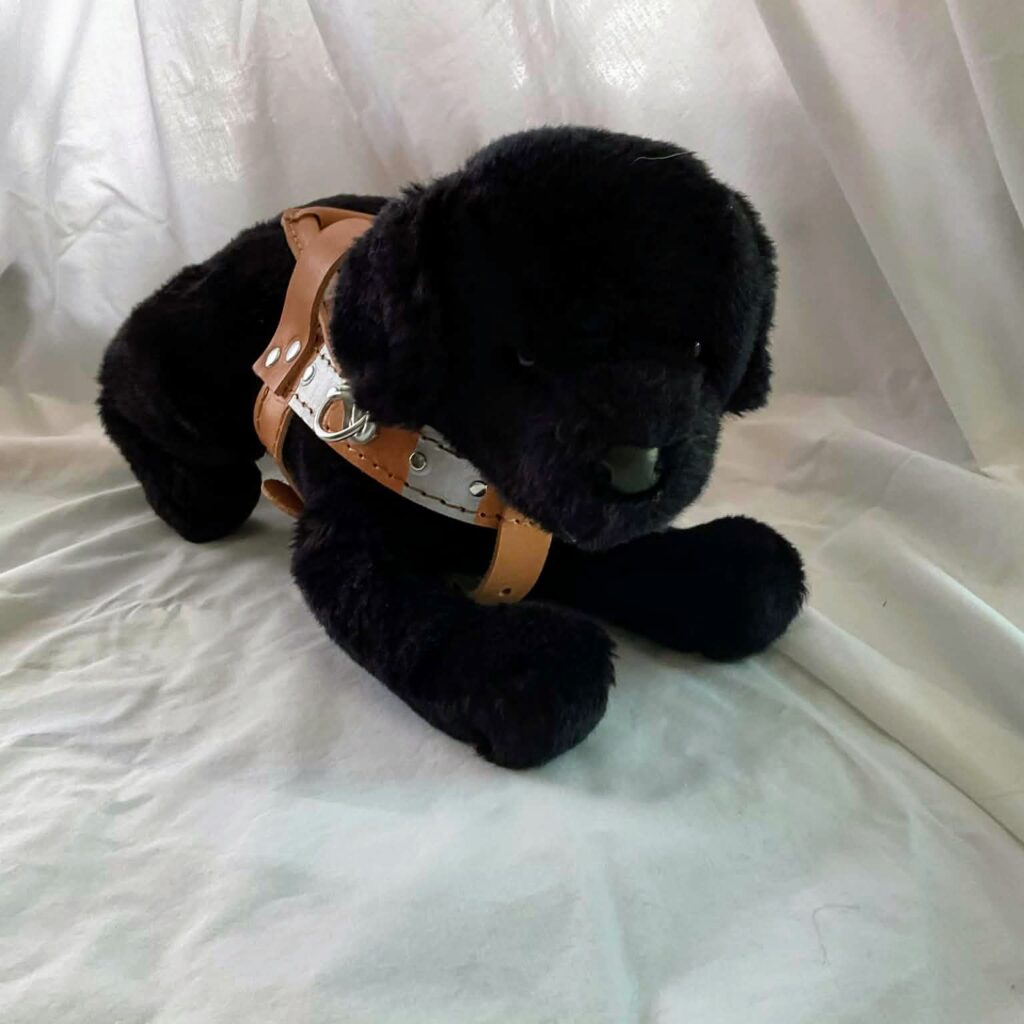
business+subscribe@guidedogusersinc.org

Welcome to Paws for GDUI News You Can Use! – VOL. V, NO. 4, September 2025 – A Publication of Guide Dog Users, Inc.

President: Sarah Calhoun

Editor: Andrea Giudice

Co-editor and GDUI Immediate Past President: Penny Reeder

Guide Dog Users, Inc. (GDUI) A special interest affiliate of the American Council of the Blind (ACB) since 1972

https://guidedogusersinc.org/

Toll-Free: 866.799.8436

***

From the editor- Hello fellow GDUISters

We encourage everyone to remember how easy it is to get involved with this publication! – share a favorite podcast; blog; webinar ;an interesting, silly, absurd, or touching tidbit from your local paper; something you wrote yourself or written by someone else; a helpful app or other resource; even a yummy recipe. Remember, submissions about guide dogs, or blindness/visual impairment are not the only topics of interest to us GDUISters.

Sending cyber hugs and wags,

Andrea and Super T

***

U. S. Department of Justice Sues Uber for Denying Rides to Guide and Service Dog Users

[From the Editors: How long have we waited for this news? After how many complaints filed by so many of us, with the DOJ, and with Uber? We are so pleased to share this excellent news with all of our readers. We know that you join us in hoping for achieving justice for all of us, as it was guaranteed under the Americans with Disabilities Act of 1990.]

On September 12, the Justice Department filed a lawsuit against Uber Technologies Inc. for discriminating against passengers with disabilities, including those

who use service animals and mobility devices such as stowable wheelchairs. Uber is the largest provider of ride-hailing services in the United States.

The lawsuit seeks $125 million for individuals who have been subject to discrimination and previously submitted complaints to Uber or the Department.

The lawsuit, filed in the U.S. District Court for the Northern District of California, alleges Uber violated Title III of the Americans with Disabilities

Act (ADA), which prohibits discrimination based on disability by private transportation companies like Uber.  The ADA also requires Uber to allow service

animals to accompany individuals with disabilities in vehicles and to provide rides to, and assist, riders with stowable wheelchairs and mobility devices.

The Department’s civil complaint alleges that Uber and its drivers routinely refuse to serve individuals with disabilities; impose impermissible surcharges

by charging cleaning fees for service animal shedding and cancellation fees to riders whom Uber has unlawfully denied service; and refuse to reasonably

modify Uber’s policies, practices, or procedures, where necessary, to avoid discriminating against riders with disabilities, including by denying individuals

with mobility disabilities the option to sit in the front seat when needed. Due to Uber’s ride denials, individuals with disabilities have experienced

significant delays, missed appointments, and have been left stranded in inclement weather. 

“For too long, blind riders have suffered repeated ride denials by Uber because they are traveling with a service dog,” said Assistant Attorney General

Harmeet K. Dhillon of the Justice Department’s Civil Rights Division. “This lawsuit seeks to end this persistent discrimination and allow riders with disabilities

to use Uber. We will enforce the ADA’s guarantee that people with disabilities have equal opportunity and full participation in all aspects of American

society, including transportation.”

“Rideshare companies like Uber are prohibited from denying riders with disabilities the same access to transportation that riders without disabilities

enjoy,” said U.S. Attorney Craig H. Missakian of the Northern District of California. “This complaint underscores the United States’ commitment to enforcing

the ADA’s promise of equal access.”

The lawsuit seeks a court order to force Uber to stop discriminating against individuals with disabilities, to modify its policies to comply with the ADA,

and to train its staff and drivers on the ADA. In addition to the monetary damages to compensate aggrieved individuals subjected to Uber’s discrimination,

the lawsuit demands that Uber pay a civil penalty to vindicate the public’s interest in eliminating disability discrimination.

To learn more about the Civil Rights Division visit 

www.justice.gov/crt, and

to report possible violations of federal civil rights laws go to 

www.civilrights.justice.gov.

For more information on the ADA, please call the department’s toll-free ADA Information Line at 800-514-0301 (TTY 1-833-610-1264) or visit 

www.ada.gov.

Updated September 12, 2025

DOT Office of Aviation Consumer Protection Launches New Aviation Complaint, Enforcement, and Reporting Portal for Reporting Problems Encountered While Flying

]From the Editors: Claire Stanley, Director of Advocacy and Governmental Affairs for the American Council of the Blind, shared the following information with us in August. If you are planning to take a flight, please take note of the new portal and procedure for filing complaints with the U. S. Department of Transportation. Our wish for all of us is for safe and unincumbered air travel with our guide dogs.]

Please see the email below we received from the Department of Transportation concerning air travel.

Dear Disability Advocates:

The Department’s Office of Aviation Consumer Protection (OACP) is excited to announce that it will launch the Aviation Complaint, Enforcement, and Reporting

System (ACERS), a modernized web-based system, on August 1, 2025, at 9 a.m. EST. This launch of ACERS will focus solely on the submission and handling

of new air travel service complaints. The Department previously relied on an outdated consumer complaint application system developed in the 1990s to do

its work.

We expect that ACERS will make it easier for consumers to file air travel service complaints, enhance security and privacy protection of aviation consumer

data, make it more efficient for airlines and ticket agents to handle consumer complaints, and enable the Department’s Office of Aviation Consumer Protection

(OACP) to better assist the thousands of consumers who file complaints each year. Upon launch, consumers will be able to file air travel service complaints,

comments, and compliments by accessing the Consumer Portal.  Airlines and Ticket Agents will receive these submissions in real time in the ACERS Aviation

Industry Portal and through the email address that they selected for notifications when registering for ACERS.

The permanent URL to access the Consumer Portal of ACERS is 

https://airconsumer.dot.gov/consumer

Should consumers experience technical issues while using ACERS, they can report these issues to us through the “Technical Support” feature on the ACERS Consumer Portal. We also ask that you contact OACP through Peter Cacioppo at 

peter.cacioppo@dot.gov

 if you should become aware of any problems. 

Thank you for your continued partnership.

Regards,

Blane A. Workie

Assistant General Counsel

Office of Aviation Consumer Protection

U.S. Department of Transportation

***

Announcement- New from NBP

Staying Safe: Tips and Tools for a Secure Home, Body, and Spirit

By Kim Nova and Chris Nova, Mystic Access

Braille (1 vol.), BRF, or Word- $18.00

Kim and Chris Nova of Mystic Access are back with another book full of resources and tips, this time to help those with low or no vision be safe inside and outside of the home. They share their technical expertise and personal experience with home security systems, ride-share services, and much more. They honestly assess accessibility and capabilities of various apps, websites, videos, and other digital tools, as well as ways to physically and mentally fortify yourself against possible danger. This book is useful for anyone on their journey to greater physical safety!

The Power of AI on the iPhone Apps and Other Useful Features for the Blind User

By Judy Dixon (In 1 volume)- $18.00

Artificial intelligence (AI) is constantly in the news. If you’re curious about what it is and how it can affect your daily life, this book is for you! Popular technology writer Judy Dixon breaks down the basics…

For the 21 and older set, check out “Summer Cocktails and Mocktails,” which features 27 recipes and a few extra tips on making these beverages. 

 Also available are two newly updated technology guides: “Microsoft Word 2025 Keystroke Compendium” and “Microsoft Excel 2025 Keystroke Compendium.” Both are available in braille or BRF. 

 For more information, call toll-free 800.548.7323, or visit shop.nbp.org.

*** 

Announcement- Free Braille calendars! 

2026 Braille Pocket Calendars Available

Now is the time to plan for an exciting new year! As we have done every year since 1964, the American Action Fund for Blind Children and Adults has produced its free Braille pocket calendar for the year 2026. These calendars are a useful tool that allow blind people to keep information at their fingertips. One recent recipient shared:

“I frequently need to locate dates for meetings or appointments. This is the best way, as I can read the month and understand it with my fingers, like I used to be able to look at a wall calendar when I was sighted to understand the month ‘at a glance’. Now I can do this with my fingers with your Braille calendars. Thank you!”

Anyone can order up to three Braille pocket calendars for the year. 

If you or someone you know can use a Braille calendar, call the Action Fund at 410.659.9315, or visit the Braille calendar form- https://actionfund.org/resources/braille-calendars

***

Oklahoma Joins Growing List of States Combating Service Animal Fraud

Richmond, CA — Guide Dog Users, Inc. (GDUI), a leading advocacy organization for guide dog handlers, applauds the state of Oklahoma for becoming the 35th state to enact legislation cracking down on the misrepresentation of pets as service animals. On May 30, 2025, Governor Kevin Stitt signed HB 1178 into law, marking a crucial step forward in protecting the rights and safety of individuals who rely on legitimate service dogs.

Taking effect on November 1, 2025, the new law clarifies the definition of a service dog in accordance with the Americans with Disabilities Act (ADA), establishes penalties for fraudulent claims of service animal status, and encourages businesses to post clear signage about which animals are permitted. The bill was championed by Representative Marilyn Stark and Senator David Bullard, with strong support from Canine Companions and powerful testimony from service dog user Lee and his canine partner Farley.

“Passing HB 1178 is about more than keeping pets out of grocery stores,” said Don Brown, GDUI Advocacy Chair. “It’s about ensuring that Oklahomans with disabilities can participate fully in their communities, without worrying that their guide dogs will be distracted or endangered by untrained animals posing as service dogs.”

Fraudulent service animals present serious risks for legitimate service dog teams. In a 2022 survey of 1,500 service dog users, 93% reported encountering disruptive or out-of-control dogs in public places. Eighty percent said a poorly trained dog had snapped at, bitten, or interfered with their guide dog, and nearly four out of five respondents felt that service dog fraud had negatively affected their independence and quality of life. Most of these encounters were reported in grocery stores, restaurants, and shopping centers.

“Service dog fraud isn’t just dishonest—it’s harmful,” Brown continued. “It erodes the independence of people who rely on guide dogs and can lead to dangerous situations for everyone involved. With this new law, Oklahoma is sending a clear message: the rights of people with disabilities matter, and misrepresenting a pet as a service animal will not be tolerated.”

Guide Dog Users, Inc. remains committed to championing the rights of guide dog handlers, advocating for stronger protections across the country, and educating the public about the vital role that legitimate service dogs play in the lives of people with disabilities.

For more information please contact Guide Dog Users, Inc at www.gdui.org

****

Announcement- BITS, Microsoft, and the American Council of the Blind Launch Groundbreaking Accessibility Partnership

The American Council of the Blind is honored to share the below information regarding our collaboration with Blind Information Technology Specialists (BITS) and Microsoft. Collaboration is a core value for ACB, and this opportunity for our members to help shape the future of assistive technology while being compensated for their time and effort is a great example. 

Blind Information Technology Specialists (BITS), an affiliate of the American Council of the Blind (ACB), is proud to announce a landmark nine-month partnership with Microsoft Corporation. This initiative will empower BITS members to directly influence the future of accessibility across Microsoft Narrator and M365 apps such as Word and Outlook — ensuring technology continues to break down barriers and open doors for people who are blind or have low vision. 

At the heart of this collaboration is a shared belief that accessibility is not an afterthought but a fundamental driver of innovation. Through monthly scenario-based evaluations, selected BITS participants will provide rich, real-world feedback on their user experiences. Their insights will help Microsoft refine and expand accessibility features, making everyday technology more inclusive for millions of people worldwide. 

“This project reflects our core mission,” said Jeff Bishop, President of BITS. “The primary goal of BITS is to truly meet people where they are and to empower people through the use of technology. This partnership will allow BITS members to not only have a significant impact on the future of software and technology, but it also gives our members who apply an opportunity to supplement their income and to be recognized for their efforts.” 

Microsoft echoed the significance of the collaboration.

“Accessibility is a priority for Microsoft and we are proud to collaborate across the community to advance our products. We welcome feedback from blind and low vision users and are excited to extend our partnership with ACB to do just that. Partnering with BITS and ACB allows us to listen directly to the voices of blind and low-vision users,” said Clint Covington, E+D Accessibility Group Program Manager, Microsoft. “Their lived experiences are invaluable in guiding the evolution of Windows Narrator and M365 apps such as Word and Outlook especially as we add more AI capabilities.” 

The American Council of the Blind also praised the initiative.

“ACB is proud to support this partnership, which places our members at the center of product innovation,” said Kolby Garrison, Accessibility & Training Services Coordinator with ACB. “This program not only advances accessibility but also recognizes the expertise of blind and low-vision individuals, making them partners in shaping the technology of tomorrow.” 

By engaging directly with Microsoft, BITS members will gain unique opportunities for professional growth, recognition, and tangible contributions to the technologies they rely on daily. For Microsoft, the partnership offers authentic insights from end-users whose lived experiences are essential to designing truly inclusive products. 

“This is more than just a partnership — it’s a chance for our community to leave a lasting mark on the tools that shape modern life,” Bishop added.

Membership in BITS is required to participate in this opportunity. To become a member of BITS, visit:

https://www.bits-acb.org

Select “Join or Gift BITS”

After becoming a member of BITS, simply log in to the BITS web site to access the Accessibility Testing Eligibility Survey.

Please complete the survey by Monday September 15, 2025.

For more information, you may contact:

Kolby Garrison

Accessibility & Training Services Coordinator

Certified Professional in Accessibility Core Competencies (CPACC)

American Council of the Blind

kgarrison@acb.org

202-559-2045

225 Reinekers Lane, Suite 660

Alexandria, Virginia 22314

***

News from Innosearch

Introducing Cobrowse AI – Voice-Powered Navigation on Innosearch

Hi everyone, 

We’re excited to announce the launch of Cobrowse AI, a major upgrade to the Innosearch Chat Agent. This new feature goes beyond answering questions—it can now take actions on your behalf, making your browsing experience more intuitive and hands-free. 

What can Cobrowse AI do? 

  • Answer questions about the page you’re on

Example:

– “What is this page?”

– “What are the main sections?”

– “Is there an Address section where I can update my addresses?” 

  • Execute commands to help you navigate and interact

Example:

– “Go to my shopping cart”

– “Change the quantity of the first item to 2”

– “Apply ABC as the coupon code”

– “Turn on NFB donation” 

Cobrowse AI is available in both chat and voice modes. In voice mode, you can simply speak to the AI as if you’re talking to a helpful assistant—no typing, clicking, or screen reader required. 

How to get started: 

  1. Visit https://innosearch.ai 
  2. Click the Cobrowse AI button to enable the feature 
  3. To use voice mode, click the microphone icon 

At Innosearch, we’re constantly working to improve accessibility and user experience for our community. As we continue to innovate quickly, some features may still be evolving. 

  Note: For security reasons, Cobrowse AI cannot fill out checkout forms. 

Quick tip for Food lovers: you can use InnoSearch Food & Grocery to find restaurants and read their menus—just like MENU4ALL—with the same focus on great accessibility. Even better, the built-in CoBrowse AI lets you talk to the menu to explore dishes hands-free.

Why this is helpful

  • Screen reader–friendly structure with clear headings and labels
  • Keyboard-only support and predictable focus order
  • CoBrowse AI voice mode to read sections, answer questions, and add items—by voice

Step-by-step: browse a restaurant menu

  1. Go to https://innosearch.ai/food (or choose Food in the header).
  2. Enter your delivery address so we can show nearby restaurants.
  3. Use the search box to type a restaurant name (e.g., “Thai House”) or cuisine (e.g., “sushi”).
  4. From the results, select a restaurant to open its Menu page.
  5. Navigate the menu with your screen reader or keyboard (Headings jump, Tab/Shift+Tab, Enter/Space to activate).
  6. (Optional) Open the CoBrowse AI widget and toggle Voice mode to interact with the menu by voice.

Try these voice prompts with CoBrowse AI

  • “Read the menu sections.”
  • “Jump to appetizers.”
  • “What are the vegetarian options?”
  • “What’s the price of Pad Thai?”
  • “Add one Chicken Tikka Masala to my cart.”
  • “Summarize the gluten-free choices.”

Availability

Restaurant browsing via Food & Grocery is currently available in the USA only. Restaurant availability and menu details vary by location and partner.

We welcome your feedback

We’re continuing to improve menu readability and voice interactions. Tell us how it’s working for you at support@innosearch.ai.

The InnoSearch AI Team

https://www.innosearch.ai

***

Announcing: Medication Reminders Now Available on ScripTalk Mobile iOS App

Never forget to take your medications again! This new ScripTalk Mobile iOS App feature lets you easily create and manage reminders for each medication you have.

Download or Update the ScripTalk Mobile App from the App Store. To enable this new Reminders feature and to read about how to use it, go to Help inside the ScripTalk Mobile App.

These reminders are fully customizable (five-minute increments) and tied into your iPhone’s critical alerts so you never miss a dose! There is even AI Assistant Support that reads your labels and suggests reminder times based on your prescription instructions. And this new feature is fully compatible with VoiceOver.

If you have any feedback at all, please use the “Provide Feedback” button also found on the Help page, or call us at 1-800-890-1180.

Stay Safe with your Meds!

***

Growing the Circle: From Reading About the Journey to Becoming a Part of the Journey.

By: Anthony Corona.

This month, June, we celebrate the birthday of beloved author Barbara Hinske—and we’re also celebrating the release of “Growing the Circle,” the sixth book in her heartwarming and impactful Guiding Emily series.  For so many of us in the blind and guide dog communities, Emily’s story is more than fiction—it’s a mirror. A companion. A quiet affirmation that we’re seen and understood. For me personally, reading Emily’s journey has been both healing and empowering. It’s been over nine years since I lost my sight, and while I’ve found rhythm and acceptance in my new normal, there are still days when it’s hard. When the reality feels heavy. And in those moments, I turn to my guide—my incredible Boaty, who just turned nine himself. I turn to my partner, whose love and support never wavers. And I turn to my friends—friends like Barbara.  Barbara not only listened to my story, she heard it. She understood it. And in true Barbara fashion, she turned that understanding into action. I was honored to serve as a test reader for “Growing the Circle” and was beyond touched to discover that a character inspired by me—with just a hint of my attitude, spunk, and advocacy—makes an appearance in the book. It’s a surreal and deeply meaningful experience to be woven into the fabric of a story that’s already meant so much.  Barbara’s writing is entertaining, yes—but it’s also beautifully, gently educational. Through Emily’s challenges and triumphs, readers learn what it means to live as a blind person, to navigate the world with a guide dog, and to find empowerment in community. She’s done something truly special for all of us—dog lovers, disability advocates, and those finding their way through life’s second acts.  If you haven’t yet discovered the Guiding Emily series, I strongly encourage you to start from the beginning and immerse yourself in Emily’s world. You’ll find laughter, tears, romance, resilience—and perhaps, even reflections of your own story. Barbara’s Rosemont series and other novels are equally worth the journey.  And while you’re reading, please consider leaving reviews on Amazon, Goodreads, or wherever you find your books. Reviews are the lifeblood of any author and can help Barbara’s work reach even more readers across the world.  Want to go one step further? Join us in asking Hallmark to greenlight a second Guiding Emily movie! The first film became Hallmark’s most-watched independent movie—and we’d love to see more. Send your request to: viewers@hallmarkmedia.com.  Let’s make sure Emily’s journey continues to shine on screens as well as pages.  And because Barbara is known for her generosity, she’s given us an extra gift this month. We’re thrilled to include a special birthday edition of “Ask Emily and Garth,” the advice segment from our Sunday Edition series. Read on for heartfelt and hilarious insights from Emily and her devoted guide dog, Garth!  — 

Ask Emily and Garth – Special Birthday Edition

Question 1: From Lesa in Oxnard, California  Dear Emily and Garth,   My guide Chester is about to hit the five-year birthday milestone and I want to make it special. What suggestions do you have for me to create and celebrate my wonderful skilled professional on his fifth birthday?? 

Lesa  Emily says:   “Five years old—what a beautiful age! That’s right in the sweet spot where maturity meets playful spark. For a special celebration, think of what Chester loves most. A long, relaxed walk to his favorite sniffing spot, followed by a pup-friendly cake or frozen treat, can be a lovely start. You might also consider a new cozy bed or harness accessory—something that shows him he’s not just a professional, he’s family. And don’t forget the photos! Commemorate the day with a little photo shoot. Even a guide deserves a spotlight moment.”  Garth says:   “Listen, Lesa. This is serious business. Five years means I expect top-tier celebration. We’re talking a juicy bone, a squeaky toy that’s new and exciting (preferably one that makes the humans groan), and maybe—just maybe—a few minutes of guilt-free zoomies in the backyard. Bonus points if I get belly rubs, treats, and at least one uninterrupted nap. Tell Chester I said happy birthday and remind him that a little extra peanut butter never hurt anyone.”

Question 2: From Russell in Fort Myers, Florida  Dear Emily and Garth,   We have three dogs in the house, including my wife’s retired Guide Dog and both of our current working guides. Her newest Guide Dog Pearl has fit seamlessly into the family, but there is one hitch that we’re having trouble with… She is very playful and loves toys and bones. However, she doesn’t want her own individual toy. She always seems to want whatever toy one of the other dogs is playing with. There are dozens and dozens of toys scattered around our family area and around the house and even when we offer an alternate toy, she will still bark and chase. I know that that is part of pack behavior. It is sometimes overwhelming. What do you suggest??

Russell  Emily says:   “Ah, the toy tug-of-war! It sounds like Pearl is making sure she’s part of the pack in her own… spirited way. First, it’s important to know this is very common—especially with younger, high-drive dogs who are still figuring out household dynamics. Try implementing short structured play sessions, where you engage her with one specific toy and reinforce ‘leave it’ or ‘wait’ commands. You might also create a rotating toy schedule to keep novelty high and reduce competition. If it continues to be disruptive, consider brief time-outs or quiet crate moments to help her decompress. Pearl sounds like a bright, energetic girl—just needing a little help managing all that enthusiasm!” 

Garth says:   “Russell, my guy. Let me be clear: it’s not about the toy. It’s about the principle. If someone else has it, it’s obviously the most important object in the world. I say, embrace the chaos—within reason. Just don’t let her boss the others around too much. Every pack needs a little order. But also? Give Pearl a job—like working for a treat with a puzzle toy. Distract her with a mission, and she just might forget she’s plotting a toy heist. Maybe.” 

Thank you, Barbara, for the joy, the stories, and the spotlight you shine on our community. And happy birthday from all of us at GDUI!

***

Ask Emily and Garth: A Special Invitation to GDUI Members  

By Anthony Corona and Barbara Hinske  

Guide Dog Users, Inc. friends — have you ever wondered what your guide dog might really think about your fashion choices, your weather concerns, or your

secret snack stash? You’re not alone. That’s exactly the kind of question we explore every two weeks in “Ask Emily and Garth.”

Written by author and friend Barbara Hinske and Anthony Corona, host of Sunday Edition, this delightful feature alternates between the voices of Emily,

a thoughtful and experienced guide dog handler, and Garth, her loyal and hilariously insightful guide dog. Together, they aim to entertain, offer insights

into the handler-dog partnership, and reflect on the wild, wonderful world we all navigate together.

Barbara loves connecting with the guide dog community and says some of her most heartfelt messages come from you. And Sunday Edition continues to spotlight

our community with advocacy, inspiration, and storytelling at its heart.

Before we go further — a quick disclaimer: we’re not professionals! Ask Emily and Garth is meant to be fun, thoughtful, and lighthearted. If you’re facing

a serious behavioral concern or any kind of safety issue, we strongly recommend contacting your guide dog school’s after-graduation support program.  

Oh — and one more friendly reminder: Don’t forget to reach out to your amazing puppy raisers from time to time. A quick note or photo means the world to them!

Now, let’s get to this edition’s exclusive questions — answered just for GDUI:

Question 1: Kerry from Portland, OR  

Dear Emily and Garth,

I just came home with my third guide dog, Nelly — yes, I love her name — and although her work is incredible, she has a habit I cannot seem to break. She

is fascinated with my flip flops and any rubber shoes I own. She steals, hides, and plays with them like they’re toys. I’ve hidden them in my closet, but

sometimes she sneaks in and grabs one when I take them off. I’m so frustrated. How can I teach her my shoes are not her toys??

Emily says:  

Oh Kerry, I feel this deep in my sole — pun very much intended. 

Transitioning to life with a new guide dog is always full of joy… and some chaos. When they’re young, or even just playful, these little “mystery item

missions” can become daily games. My advice? Make a clear distinction between her toys and your shoes. Redirect her every time — gently, calmly — and then

praise the heck out of her when she chews the right thing. And yes, it might be time for a baby lock on that closet door.  

Garth replies:  

Okay listen, Nelly… I totally get it. Flip flops smell like sunshine, freedom, and human joy. 

But Kerry, here’s the scoop: she’s bonding with your scent and testing what’s fair game. She’s not naughty — she’s curious! Give her a “you-approved”

toy that’s got your scent on it and reward her big-time when she chooses it over the flip flop. She’ll get it. Also… keep the closet closed. We are clever.

Question 2: Larry from Scottsdale, AZ  

Dear Emily and Garth,

I just moved from St. Paul to Arizona and the climate is so different — and so hot! I’m afraid to work my guide, Cobra, outside. I know I’m probably overthinking

this, but can you suggest some tips and advice on how to work him in this extreme heat safely for us both?

Emily says:  

Larry, welcome to the land of sunscreen, early morning walks, and indoor malls. You are not overthinking this. Heat and paws are a big deal. I always check

pavement temp with the back of my hand and avoid peak sun hours. Mornings and evenings are your best friends. Also, invest in a cooling vest and carry

water for both of you. Cobra’s health and confidence matter just as much as yours. Be gentle with yourself as you both adjust.

Garth replies:  

Cobra, my guy — hot paws are no joke. 

First off, if your person can’t walk barefoot on the sidewalk, neither can we. Booties may not be glamorous, but they’ll save your feet. Shade is your

best friend, and don’t forget to drink (and remind your person to hydrate too). If you’re getting tired faster, that’s not weakness — that’s wisdom. Let

them know it’s break time. That’s leadership.

Want to read more? Join the fun!  

Ask Emily and Garth appears every two weeks on the Sunday Edition Email List and the Above the Fold: Sunday Edition Facebook Group.  

We answer two reader-submitted questions every two weeks, and we’d love to hear from you. To submit a question, email: 

sundayeditionac@gmail.com  

Use the subject line: Ask Emily and Garth

Subscribe to the Sunday Edition Email List here:  

https://groups.io/g/SundayEdition  

Join the Above the Fold: Sunday Edition News Facebook group to stay connected and get updates on all of our programming.

And while you’re at it… check out the rest of Sunday Edition’s community programming:  

– Sunday Edition – Every Sunday at 1 PM ET or anytime wherever you get your podcasts. Search “Sunday Edition with Anthony Corona”

– Behind the Music: Your Song, Your Story – With Anthony Corona and Tim Cumings, every 2nd and 4th Friday at 7 PM ET

– Behind the Music AI Open Mic – Every 3rd Friday at 7 PM ET

– An Intimate Evening With… – First Monday of each month at 7 PM ET

– Next Generation Soaps – Every 2nd and 4th Monday at 7:30 PM ET

Listen live by asking your smart device to “Play 2020 The Beacon on TuneIn” or visit the Beacon website at 

www.2020thebeacon.net

 and use the embedded player.

And let’s support our friend Barbara Hinske! Please leave reviews of her books on Goodreads, Amazon, or your favorite book review platform. Also, drop

a quick email to 

viewers@hallmark.com

 and let them know we want another Emily and Garth movie!

Thank you, GDUI family, for supporting Ask Emily and Garth — and all the community-based work we do.

We can’t wait to hear your questions. Until then, keep wagging and wondering!

Warmly,  

Anthony and Barbara  

Ask Emily and Garth  

Sunday Edition  

sundayeditionac@gmail.com

Yours,

Anthony Corona

He/Him

Host and Producer of Sunday edition 

sundayeditionac@gmail.com

***

‘Doors Are Being Shut’: Fake Service Dogs Hurt Real Service Animals’ Credibility, Advocates Warn

By Marc Ramirez, USA TODAY.

[From: https://www.usatoday.com/story/news/nation/2025/04/15/fake-service-dogs-hurt-credibility-harm-users/83050280007/]

Two thirds of service dog users say badly behaved fake service dogs negatively impact their independence and quality of life.. Service dogs can be 4-legged lifesavers , alerting to dangerous allergens, assisting with travel and making people with a wide range of disabilities safer. But fake service dogs are taking a bite out of real service dogs credibility, exacerbating the challenges that people with disabilities who rely on service animals already face, advocates say. 

Fake service dogs are poorly trained or untrained animals falsely passed off by individuals trying to access restricted places or benefits. Thousands of grocers and shop owners now prohibit any animals, including legitimate service dogs , from entering their stores. That’s because of incidents where fraudulent service animals have “urinated on expensive furnishings, contaminated food, bitten staff, and driven away paying customers,” according to Canine Companions for Independence , a nonprofit service dog organization headquartered in Santa Rosa, California. About two-thirds of service dog users say the poorly trained or untrained dogs have negatively impacted their independence and quality of life, according to a 2022 survey conducted by the organization. “Service dog fraud and poorly trained service dogs pose a widespread and serious problem regardless of location and have a powerful negative impact on legitimate service dog teams,” Canine Companions for Independence said in a white paper . Service dogs aren’t required to complete a specific, national certification, according to the Department of Justice’s Civil Rights Division . People may also struggle to acquire the animals: They can come at significant expense and aren’t necessarily covered by insurance . The ADA National Network defines service dogs as those specially trained to perform tasks for people with physical, intellectual or mental disabilities. Such dogs are “more than just a vest,” according to Assistance Dogs International , explaining on its website that such dogs offer “expert training, crucial socialization and years of task-based independence to people with disabilities. Fake service dogs undermine freedom and safety, advocates say Nearly 93% of respondents to the Canine Companions survey said they had encountered fake, questionable or uncontrolled service dogs, while 79% reported uncontrolled dogs snapping at, biting or interfering with their service dogs. The survey was distributed to 60 organizations accredited by Assistance Dogs International throughout North America, Europe and Oceania. More than 1,500 service-dog users responded, making the study of assistance-dog fraud the organizations largest to date. Even if a person with a disability hasn’t encountered one of the untrained or poorly trained animals in day-to-day life, it can still have a ripple effect. Skepticism about service dogs among business owners and others makes legitimate users less inclined to take service dogs out in public, the group said in its report. “If a service dog user feels they will be denied access or that there are more poorly trained service dogs in public, they may opt to avoid public places with their service dog,” the organization said. “This ostensibly has an impact on the service dog users independence and quality of life if doors are being shut, figuratively, before service dog teams even leave their homes. According to NEADS World Class Service Dogs, based in Princeton, Massachusetts, properly trained service dogs can offer clients “life-changing emotional support and enable them to navigate the world more safely and confidently. NEADS, formerly known as National Education for Assistance Dog Services, agreed that fraudulent service dogs are a growing problem in the U.S. The Canine Companions survey, the group said in a 2023 statement , shows not only the frequency of fake service dog encounters but also demonstrates “how significantly they are undermining feelings of independence, quality of life and potentially even the safety of clients with legitimate service dogs. According to Canine Companions, loopholes in the Americans with Disabilities Act have enabled scammers to exploit the system. The group last year said it hopes to persuade lawmakers to add definitive language to the act that addresses service dog representation, making it “crystal-clear that misrepresentation of a disability for personal gain including the use of a service dog is against the law. The group sought to gather 2,500 public signatures on an online petition calling for an end to service dog scams. As of April 13, 2025, a little more than 2,600 people had signed the document. Not just advocates One of the latest local efforts on legitimate service dogs comes from Massachusetts state Rep. Kimberly Ferguson . She proposed legislation on April 1 that would create a 17-member commission to explore tougher regulation of service animals in the state. If created, the commission would have until April 2026 to file a report assessing the prevalence of fraudulent service dogs statewide and whether prohibition or penalization of such fraud is necessary. It would also examine the feasibility of requiring service animals to be certified, registered or licensed. Massachusetts is one of 16 states without a “true ban” on fraudulent representation of pets as service animals, according to the Animal Legal and Historical Center at Michigan State University in East Lansing. A handful of those states still specifically prohibit misrepresentation of service animals in housing situations. Contributing: Phaedra Trethan , USA TODAY This article originally appeared on USA TODAY: ‘Doors are being shut’: Fake service dogs hurt real service animals’ credibility, advocates warn 

***

Dear Emotional Support Animal Handler,

By Anthony Corona

This message is written with respect, but also with urgency and deep emotion.  The term handler carries with it more than just a label — it signifies training, discipline, responsibility, and an unbreakable bond between a person with a disability and their service animal. We are not “puppy mommies” or “doggie daddies.” We are handlers, part of a finely tuned team where both human and animal undergo rigorous training to safely and effectively navigate a world not built with us in mind.  Perhaps my service animal is a guide dog, trained to interpret the world visually for me — avoiding obstacles, signaling stairs or curbs, alerting me when we reach a crosswalk. Maybe my sibling’s dog is trained to detect seizures, or to provide medical alerts. What these animals are not… are pets. They are not for comfort, or companionship, or emotional support. They are highly trained medical aids, just like a wheelchair or a glucose monitor — but living, breathing, loving beings.  So let me say this clearly: emotional support animals are not service animals. They do not have the same training, nor the same rights of public access. When you bring an untrained animal into a public space and claim it’s a service animal, you are not just bending the truth — you are endangering the lives and safety of my community.  Uncontrolled emotional support animals bark at our dogs. They lunge, they snap, and too often, they attack. And when that happens, it’s not just trauma — it’s devastation. A service animal who has been attacked may never work again. You are not just interrupting a task — you are potentially ending a working partnership built on years of training and trust.  You are also misleading the public and weakening the legitimacy of all service teams. You are creating obstacles where there were already so many. And while you may not realize it, you’re placing your pet, yourself, and others in harm’s way.  This isn’t just frustrating. It isn’t just disrespectful. It’s a public safety issue.  Please, I ask you from the deepest place in my heart: love your animal, but respect the line between pet and professional. Do not put them in situations they are not trained to handle. Do not undermine the rights and safety of disabled individuals who rely on their service animals to simply live their lives.  And if you truly ask yourself — how many tiny, anxious dogs want to spend their days zipped into purses, dragged from store to store, their stress ignored for the sake of being labeled “support”? This isn’t about them. It’s about us. It’s about you. And it’s about the dangerous consequences of choosing selfishness over understanding.  We — your brothers, sisters, and non-binary siblings — deserve better. We deserve safety. We deserve respect.  And so do our animals. 

***

Announcement- New Guide Dog Product:

Memorialize the guide dog that means or meant so much to you 

Danny’s Guide dogs Labrador retriever or German shepherd complete with harness!

This beautifully crafted led free pewter  even simulates the dog’s fur.

The statue is made with fine led free pewter and is produced by master craftsman George Kysor, owner of the renowned “Baker Art Foundry”, Placerville California.

Guide dog handlers, puppy raisers, guide dog trainers and family alike will cherish this remarkable statue 

Now we have our basic statues weighing one pound and standing 4.5 inches tall,

2 inches wide and 5.5 inches long, featuring a shiny led free pewter polish.

The dog is in a sitting position looking slightly up and is sporting a guide dog harness and the dog’s tail is laying on the base pointing to the lower

right corner of the pedestal where the dog is mounted.

We also want to introduce our deluxe model statues featuring the dog mounted on top of a black marbel base which is 3x3x1.25.

We also offer engraving.

For further inquiries or to order, contact: 

Dan Kysor 

916.706.1431.

*******

Announcement -From Georgia Guide Dog Users

GGDU, an affiliate of Guide Dog Users Inc., has established an emergency veterinary care fund for guide dog handlers facing extraordinary medical expenses for their working guide dogs. This fund is available to Georgia residents and can provide limited financial assistance for emergency expenses. Contact Marj Schneider, <marjschneider@bellsouth.net> to ask for the fund’s guidelines and application.

****

Announcement- JAWS User Experience Questionnaire

This link was posted by Freedom Scientific via Mastodon …

Original Source- https://www.surveymonkey.com/r/insertjclub

Welcome: Help Us Celebrate 30 Years of JAWS for Windows!

2025 marks the 30th anniversary of JAWS for Windows — and we want to hear from you! Your feedback, not only helps us continue improving JAWS, but also celebrates the impact it’s had on the lives of users worldwide. This questionnaire is designed to learn about your experience with JAWS and how it empowers your daily life — at work, at school, or at home.

Some responses may be featured in upcoming blogs, videos, or testimonials as part of our 30th anniversary celebration — but only with your permission, of course.

Your privacy matters: All information will be kept confidential unless you agree to share it publicly. We’ll never share your contact information without your consent.

***

National Library Service for the Blind and Print Disabled (NLS) Updates

[CT LAB Newsletter, September and October 2025- https://portal.ct.gov/csl/departments/ct-lab/news?language=en_US]

Upcoming NLS Programs

• New NLS Program: BARD 2.0 Office Hours

The Patron Engagement Section, from NLS, is offering a new program to assist patrons using the new BARD 2.0 website. BARD 2.0 Office Hours will be held each Tuesday night from 8:00 p.m. until 9:00 p.m., starting September 16, 2025, and ending November 25, 2025. Each session will be informal in structure, specifically designed to assist patrons as they learn and use the new BARD website.

Sessions will not begin with a presentation and will not be recorded. Patron questions will be addressed on a first come, first served basis. Staff will share their screen reader sound for the patrons as they answer patron questions and demonstrate features.

This program is a limited series as we roll out new products. The Zoom link for this program will remain the same. To join the meeting via computer, use the BARD 2.0 Office Hours Zoom link

https://loc.zoomgov.com/j/1614022132?pwd=dXpMb93HfrUi17rM3a8UNd3d8OSwtY.1#success

To join the BARD 2.0 office hours by telephone, dial 646.828.7666.  When prompted, enter the Meeting ID: 161 402 2132.

• That All May eRead Program

NLS presents a monthly program on Zoom, called That All May eRead. This program, scheduled monthly for the last Tuesday night of each month, focuses on using the NLS Braille eReaders. Each session begins with a brief demonstration of a feature or use case. The rest of the hour is spent answering patron questions about any aspect of the Zoomax or HumanWare Braille eReaders.

Get program details and access recordings of previous programs at the That All May eRead web page- https://www.loc.gov/nls/news-and-updates/that-all-may-eread/

****

From the Kennel Kitchen- Yummy Recipe of the Month

Easy Strawberry Tres Leches Cake

[From the AUGUST 2025 The Insight Scoop Newsletter

SE CT Community Center of the Blind, 75 R Granite St., New London, CT 06320,

860.447.2048

 centeroftheblind.org]

For the Cake:

1 box Betty Crocker™ Delights Super Moist™ Strawberry Cake Mix

1 cup strawberry-flavored milk

1 tablespoon vegetable oil

4 large eggs

For the 

Tres Leches Mixture:

1 can (14 oz) sweetened condensed milk (not evaporated)

1 cup strawberry-flavored milk

½ cup heavy whipping cream

For the Topping:

2 ¼ cups heavy whipping cream

3 tablespoons powdered sugar

½ teaspoon vanilla

For the Garnish:

Fresh sliced strawberries

Instructions:

Heat oven to 350°F (325°F for dark or nonstick pan). Spray bottom and sides of 13×9-inch pan with cooking spray.

In large bowl, beat Cake ingredients with electric mixer on medium speed 2 minutes, scraping bowl occasionally.

Pour cake batter into pan.

Bake 24 to 28 minutes or until toothpick inserted in center comes out clean.

Remove from oven; cool 5 minutes in pan on cooling rack. Poke holes using fork every 1/2 inch over top of cake. If necessary, wipe fork tines occasionally with paper towel to reduce sticking.

In medium bowl, stir together Tres Leches Mixture ingredients until blended.

Carefully pour mixture evenly over top of cake, working back and forth to fill holes. Tap pan on the counter several times to help mixture flow down holes. 

Refrigerate uncovered about 2 hours or until chilled.

In chilled large bowl, beat Topping ingredients with electric mixer on medium-high speed until stiff peaks form.

Drop topping by spoonsful over top of chilled cake. Using an icing spatula, spread topping evenly over top.

Sprinkle strawberries on top. Cut into 5 rows by 3 rows. (When cutting pieces to serve, you may notice some of the liquid on the bottom of the pan.) Store loosely covered in refrigerator. 

****

Pod Casts/Blogs/ webinars- Check these out!

Seeking Articles for ACB Voices Blog

Do you ave something you want to share on the ACB Voices Blog? Email it to voices@acb.org. If you, or someone you know, wants to be featured on the Member on the Mic piece, or are interested in helping with the Member on the Mic process, please email Sharon Lovering slovering@acb.org

Beyond the Blind Podcast:

Zero Blind has recently launched its “Beyond the Blind” podcast, and many people have asked how to sign up. To make it as easy as possible, we would like to share the enrollment instructions with you. 

There are two ways to enroll:

  1. Visit our website: https://zeroblind.org.nz/podcast-enroll-to-win-can/ 
  2. Or, go to: https://zeroblind.org.nz and click the green “Enroll to Win” button in the top right corner.

***

Announcement- international storytelling competition

“Beyond the Blind” podcast

We’re featuring an international storytelling competition to shine a light on the real-life experiences of ordinary people living with blindness or low vision. We’ll be interviewing participants to hear their life stories — their hopes and dreams, what drives them, the challenges they’ve faced because of their disability, and how they’ve overcome these obstacles to achieve something they’re proud of.

This is about much more than just sharing stories. It’s about inspiring others in the blind and low vision community by highlighting resilience, determination, and meaningful achievements that often go unnoticed.

In recognition of these powerful narratives, the competition offers cash prizes — including a grand prize of up to $30,000 NZD — to support and honor those who step forward to share their journeys. The contest is open to anyone who is blind or has low vision — of any age, gender, or nationality.

How to Enter

  1. Visit www.zeroblind.org.nz
  2. Click the “Enroll to Win” button
  3. Receive your unique Applicant Registration Number
  4. Schedule and complete your recorded interview (30 to 60 minutes, ideally 45 min.)

Yes, you will be able to listen to other podcasts and vote for your favorites. Visit https://zeroblind.org.nz/podcast/ for more information. 

***

Announcement- A message from Open Doors Organization (ODO)

To the Members of Guide Dog Users, Inc. (GDUI),

On behalf of Open Doors Organization (ODO), I want to express our heartfelt gratitude for the warm welcome and meaningful engagement we’ve had with so many of you during this year’s legislative sessions and convention programming. From informative conversations to unforgettable meet-and-greets with your beautiful guide dogs, these moments have reminded us exactly why we do the work we do. I’ve walked away from this year’s events with more furry friends—and their wonderful humans—than I can count.

Throughout our interactions, many of you shared your experiences using the ODO Service Animal Portal, voiced your advocacy concerns, and offered deeply personal stories about traveling with a guide dog. These insights are invaluable, and they help us shape our priorities and deepen our understanding of the barriers and breakthroughs happening in our community every day.

We also want to directly address the rising concerns around rideshare discrimination and denials. ODO is committed to holding rideshare companies accountable and is in active conversations with both of the major rideshare providers, as well as other companies and regulatory agencies within the sector. We recognize the growing divide between what our community needs and what is currently being delivered—and we are working to bridge that gap. The lived experiences of guide dog users are too often met with indifference or lack of meaningful action, and we are determined to change that through advocacy, education, and strategic partnerships.

It has also come to my attention that many people across our community may not be fully familiar with the scope of ODO’s mission and ongoing work. That’s why I am excited to announce a virtual speaking engagement tour aimed at reintroducing Open Doors Organization to guide dog users, advocates, and allies across the country.

Our presentations focus on:

– Effective complaint strategies for paratransit, airlines, and other travel sectors  

– Best practices for traveling with a service animal  

– Tools and resources for advocacy and self-advocacy  

– Understanding your rights and navigating complex systems  

– Ongoing rideshare advocacy and complaint pathways

We would be honored to speak with your local chapters, home affiliates, and state-level conventions. Whether it’s a community forum, breakout session, or banquet event, ODO Founder Eric Lipp and I—Anthony Corona, ODO’s Director of Communications and Outreach—are ready to deliver engaging and passionate presentations that combine education, lived experience, and a deep commitment to accessibility.

In addition to our work with service animal travel, ODO offers a wide range of educational and consultative services across the travel and hospitality industries. We partner with airports, transit systems, hotel groups, and more to improve accessibility and customer service for travelers with disabilities.

Your experiences matter. Your voices matter. And ODO remains steadfast in our mission to ensure that advocacy is met with understanding and that progress is grounded in the real needs of our community.

If you’d like to schedule a virtual presentation or learn more about our services, please don’t hesitate to reach out. Let’s continue this conversation—and continue making change together.

In solidarity,  

Anthony Corona, Director of Communications and Outreach  

Open Doors Organization  

anthony@opendoorsnfp.org  

www.opendoorsnfp.org

****

Announcement- Be My Eyes, Amtrak Partner to Pilot Innovative Visual Interpretation Technology for Blind and Low Vision Passengers

SAN FRANCISCO, CA and WASHINGTON, D.C. — August 6, 2025 — Be My Eyes, the world’s leading Customer Accessibility Management platform for people who are blind or have low vision, today announced a partnership with Amtrak to launch a pilot program that brings on-demand visual interpretation to blind and low vision passengers at key Amtrak stations. 

The initiative will allow passengers to access live, real-time assistance from trained visual interpreters via the Be My Eyes mobile app, providing support with navigating station environments, finding gates, reading signs, and more — all through the user’s smartphone camera. 

The three-month pilot, launching this summer, will deploy the service at 16 stations in the Northeast Corridor, including high-traffic hubs such as New York Penn Station, Philadelphia 30th Street Station, Boston South Station, and Washington Union Station. These locations were selected to provide data across a range of environments. 

To read the full press release, go to https://www.bemyeyes.com/business/news/be-my-eyes-and-amtrak-partnership/. 

***

Article- FACTORS ASSOCIATED WITH BRAILLE PROFICIENCY SKILLS AND EMPLOYMENT

[Excerpted from an article  published by ‘The National Research & Training Center on Blindness & Low Vision, Mississippi State University]

The purpose of this study was to investigate factors associated with having proficient braille skill, with a specific interest in employment status. 

Survey data were collected in 2021 and 2022 from 449 employed and unemployed people with low vision and people who were blind, all of whom were legally blind. Proficient braille skill was the dependent variable in two logistic regression models (full sample model and totally blind only model) that included age category, age of blindness onset, sex, education level, non-visual disability, level of vision loss, assistive technology (AT) skill level, and employment status as independent variables. 

Results: We found that people who (a) experienced visual impairment at a younger age, (b) were blind or had less functional vision, (c) were younger, (d) were female, (e) had higher self-reported AT skill, and (f) were employed were more likely to have proficient braille skills. 

Our study did not include employment status as an outcome variable as other studies have done, but evaluated factors associated with braille proficiency and found that being employed was significantly associated with braille proficiency even when controlling for multiple other factors. The stronger relationship between braille proficiency and employment for people who were totally blind suggests that braille may be particularly valuable for this group in terms of employment success.

Despite widespread beliefs about the importance of braille to success in life among its users and many professionals, research that explores the relationship between braille use and employment is limited. Two studies investigated the relationship between using braille in childhood and current employment status. Ryles (1996) reported that adults with congenital visual impairments who learned braille as children had a higher rate of employment than those who learned braille later in life or relied on print. Silverman and Bell (2018) found that, when controlling for age of onset and vision status, primary braille readers (who learned braille as children and used it as their primary reading medium) were more likely to be employed than all others, and secondary braille readers (who used print as their primary reading medium in childhood) were more likely to be employed than non-braille readers. They hypothesized that braille literacy helps people develop a positive disability identity, contributing to the results and leading to greater success in life. 

Two studies documented a relationship between employment 

PROFICIENT BRAILLE SKILLS and braille, using simple univariate (chi-square) analyses: Bell and Mino (2013) reported that braille readers were employed at a higher rate than visually impaired adults who did not read braille and Bell and Silverman (2018) reported that people who used braille at least weekly were more likely to be employed than those who did not. 

The published version of this document can be found at
https://doi.org/10.1177/0145482X251328240. 

Factors Associated with Proficient Braille Skills 

Michele C McDonnall’, Anne Steversonl, Jamie Boydstunl, and Frances Mary D’Andrea2 

‘The National Research & Training Center on Blindness & Low Vision, Mississippi State University 

A Message from a GDUI Guide member

Hi friends, Boaty here.  I’m a nine-year-old English black Lab. Eighty pounds of muscle, velvet ears, and pure professionalism. I’ve been doing this guide dog thing a long time, and let me tell you — convention season is no joke.  We just got back from one of those big national gatherings. You know the ones. Hotels with never-ending hallways. Crowds so thick you can’t wag without bumping someone. And elevators… don’t even get me started on elevators. This place had the call buttons outside the elevators instead of inside. Who thought that was a good idea? Even Anthony was confused, and I’m the one getting poked by canes while he’s trying to figure it out. No offense to my cane-using friends, but could we try not to bonk the Labradors on the way to breakfast?  

Speaking of breakfast — oh my paws and whiskers. The smells from the buffet? Unreal. Eggs, bacon, toast, and mysterious things I couldn’t identify but would gladly eat off the floor. One friendly waitress even slipped me a little bite under the table. Don’t tell Anthony. He’s all about rules. I’m all about snacks.  

Convention days are long. Really long. I’m not a puppy anymore, and my paws feel it. Anthony knows I need downtime, so we have a new policy: I get hotel-room rest breaks. Sometimes even a full afternoon off-duty. Let me tell you — that air conditioning, a soft carpet, and a nap? Pure bliss.  And the best part? A playdate. Yep, a full-on off-harness cuddle and romp session with some of my fellow guide dog pros. We stretched, rolled, snuggled, and shared a few good tail wags. It was just what I needed to recharge.

Because the rest of the week? Woof.  Traveling messes with our routines. Potty times change. Mealtimes shift. And in places like Dallas or New Orleans, staying hydrated is so important. Please remember that we dogs might need more water than usual. And yes, more chances to pee. I know we’re usually so precise, but when we’re off schedule, we can get confused. If we stop and try to take you somewhere you didn’t ask for, it’s not us being stubborn. We’re trying. Sometimes, we just lead you to the last door we exited, the place we were praised, or the only familiar smell in a sea of chaos.  

So please, be patient with us. It’s loud. It’s busy. There are other dogs. There are ropes and poles and lines that go nowhere, and we have to stop and start and wait and inch along behind crowds of people who don’t seem to know where they’re going. Honestly, I could take you straight there if they’d just let me lead. But rules are rules.  

Security was a whole thing. They wanted Anthony to take my harness off. He doesn’t like that, and I don’t blame him. Sometimes he has to raise his voice, which I hate, but he does it for me — to protect me, to advocate. And after all that, there’s the metal monster that is the baggage carousel. It growls and groans, and I always know when our bag is coming. I smell it before it even hits the belt.

Elections? Resolutions? What even is a resolution if it doesn’t involve peanut butter? Honestly, I think the guide dogs should get to vote. We’re the real leaders anyway. We keep things moving, prevent traffic jams, and we know who’s been sneaking snacks when they weren’t supposed to. Trust me.  

And then finally, we come home. And I’m tired. Really tired. Anthony lets me sleep in. He gives me treats. He rubs behind my ears. He knows that even the best guide dog needs rest.  

So, to my human handler friends:  Please watch us closely. We’re working hard, sometimes longer and harder than usual. Convention days can mean twelve hours or more on harness, with constant interruptions and unpredictable environments. That takes a toll — especially on us older pros. Build in extra potty breaks. Offer water more often than you think. And remember, praise and positive attention go a long way. A simple “good job” in the hallway or a gentle rub on the chest can bring us back to center.  If we seem a little off or hesitate more than usual, it’s not a failure. It’s fatigue. It’s confusion. It’s us trying to adapt to an overwhelming situation without the routine that helps us feel safe. If you can, schedule short breaks back at the hotel. Even just lying down in a cool room with the lights off can make a world of difference.  And don’t forget to consider something wonderful — a puppy playdate. I had one this year and it was the highlight of my week. Just a group of skilled professionals, out of harness, lounging around the room, reconnecting, decompressing. It reminded me I’m not alone. We carry a lot, but we don’t have to carry it all the time.  

And now, to my fellow guide dogs:  I see you. I know it’s confusing. I know it’s big. I know it’s loud. I know you’re trying to read your human while dodging carts and backpacks and snack wrappers and other dogs. Sometimes they give confusing instructions, or they hesitate when you need them to lead. Be patient. They’re stressed too. They might be lost or unsure. Stay calm. Stay centered. Take a breath with them.  I know you miss your regular walks. I know you miss your backyard or balcony spot. I know the carpet in the exhibit hall smells weird and your paws are sore. It’s okay to be tired. It’s okay to be uncertain. Just do your best. That’s all anyone can ask.  When you get home, curl up. Drink some water. Eat your dinner. Know that you did something special. You carried someone through a storm of noise and people and pressure. You did that. And I’m proud of you.  

And handlers  don’t forget to rest yourselves too. We need you just as much as you need us. Hydrate. Nap. Praise yourself.  Praise, praise, praise. Treat, treat, treat. Hydrate, hydrate, hydrate. 

Until next time,   Boaty   The skilled professional English Labrador guide dog  With a little editing by handler Anthony


***

Newsreel Magazine Ceases Publication

[From Tech-VI Announcement List, August 3, 2025]

(editor’s note) This is sad news. Matilda Zeigler, Dialog, now Newsreel … Blind writers must be heard! Podcasts are wonderful. So are the conversations that happen all over ACB’s Community, and the programming on ACB Media! But, reading and writing can reach — and impact— an even wider audience! Get out your keyboards — QWERTY and braille — and share what you know and what you need and how you feel with our community of blind and low vision people in all stages of living with disability! Remember, the ACB Braille Forum, the Hourglass, the Braille Memorandum, Paws for GDUI News You Can Use, the LUA Ledger, and publications of so many state and special interest affiliates welcome written content from real live blind people like you! And, we are all eager to read what you write.]

“Newsreel Magazine,” a publication written by and dedicated to blind and visually impaired people, will cease publication in coming weeks.

Nolan Crabb, president of Newsreel’s Board of Directors, commended Editor Irwin Hott and Executive Director Kate Sniderman for their outstanding work for so many years that helped make the publication meaningful to its readers.

***

How Often Should I Wash My Dog’s Bowl?

[Advocates for Service Animal Partners Inc

ServiceAnimals.info, Advocacy411@gmail.com]

This information is provided by the American Kennel Club website. A link to more information can be found at the end of this excerpt.

Good Bowl Hygiene

The US Food and Drug Administration has specific guidelines on handling pet food. However, as reported in a study of 417 dog owners, fewer than 5% of dog owners were aware of these guidelines. 

When bacteria adhere to wet surfaces like your dog’s bowl, they produce a slimy substance called biofilm, according to an article in the journal Frontiers in Cellular and Infection Microbiology. The buildup of plaque on your teeth and soap scum in your drains are examples of biofilm, which is made up of a community of microorganisms including bacteria and yeast, as well as debris. The main reason to wash your dog’s bowl is to break up this bacterial biofilm that can lead to illness.

Moreover, 36% of those surveyed had children or other immunocompromised individuals residing with them.

To keep your dog safe, the FDA recommends the following practices:

  • Wash your hands before and after handling your dog’s food and treats for at least 20 seconds using soap and hot water
  • Wash your dog’s food bowls and scooping utensils with soap and hot water after each use 
  • Use a clean spoon or cup to measure your dog’s food rather than using your dog’s bowl
  • Dispose of spoiled or expired food in a secure plastic bag and garbage bin

If food particles are stuck to the bowl, try soaking it in hot, soapy water for 10 to 15 minutes. For extra cleaning power, you can use a scrubbing brush or mix baking soda and water to form a paste. You can then rinse off the soap and wipe the bowl with a clean cloth or let it air dry on a dish rack.

For more information on when and why to wash your dog’s bowl, what happens if you don’t, and the best types of dog bowls, click on the AKC link below.

https://www.akc.org/expert-advice/health/wash-dog-bowl/


****

Article- Teching and Trekking: A Look at Distracted Walking

By Maia Scott

[From: GDB Alumni News 2025, Volume 33:  Issue Number 2- https://communications.guidedogs.com/webmail/896181/1688145862/c8d17b9349873c8e50fefa7ccba4d23d2d186d25667ecebbf1943076198c617a]

Let’s admit it; many of us are essentially drones cloned to our phones.  With ears plugged in and one hand in a pocket, our screen reader babbles on as we flip through selections to start our favorite wayfinding app, book or music as we hustle to work and school.  Meanwhile, hoards of iZombies amble across our path, playing chicken with us, our canes, and or canines.

Google, Gleam, and I dug up some interesting statistics and websites, all agreeing that distracted walking is dangerous. 

For instance, an orthopedic website suggests that common distracted walking injuries include sprains, strains, bruises, fractures and even the occasional concussion.  

Five percent of pedestrian related moving vehicle incidents involve distracted walking.  Plus, over fifty percent of distracted walking injuries actually happen when we are at home.  

People walk slower and with less focus when they are using their phones at the same time.

Considering we are also managing a mobility aid; we are even more prone to distraction.  While there are fabulous apps and services out there to help us get to where we need to go, it is important to remember safety first.  

Here are some ideas from AI and mAIa (that’s me) that can enhance your safety when you are teching while trekking:  

Stop and step aside before doing anything on your phone such as texting, getting directions or changing playlists.  I like to put my back to a solid landmark such as a wall or utility pole.

Wear open ear earphones to remain aware of your surroundings.  A subtle sound may help you identify an obstacle or potential danger.

 Listen to your dog, your cane haptics and your body wisdom before following directions given to you through apps and services from your device.  If a dog handler regularly takes direction from a friend or phone instead of the dog, Juno will think he doesn’t need to worry about that part of his job anymore.   

If you have to stay connected while in route, consider options that allow speech to text and verbal commands such as certain earphones, wearables and smart glasses.  However, recognize you may still be distracted while walking, you can keep your posture and orientation on point and have your hand free for gestural commands or locating obstacles.

If the temptation is too great and you really want to play it safe, consider going analog during your route from here to there.  Zip the phone in a pouch or pocket where you can’t get to it easily, put airplane mode on or silence the thing and pretend it’s not there.  Then, trust your abilities and go forth.

 We harness the wonders of technology to enhance our lifestyles, augment our abilities and disabilities and engage with the world around us.  Our devices level the playing field for work and leisure and empower us to engage more fully in a visual-centric world.  The important thing is to be smarter than our smart devices and safely stay one step ahead.    

****

Article- Blind Women and Cancer

by Linda Adams

[From: The ACB Braille Forum, Volume LXIV • July-August 2025 • No. 1] 

 Blindness requires each of us to be more attentive and alert to potential hazards. Even expert mobility skills won’t stop one from getting slapped in the face by a limb hanging over a sidewalk. This article contains medical descriptions some may find uncomfortable to read but could benefit blind women who may, unknowingly, have gynecological cancer.  

I am 76 years old and have conscientiously continued scheduling annual mammograms to screen for breast cancer, and visit my primary care physician annually as well. However, I ceased having pap smears many years ago, and the routine annual exams did not include a gynecological examination. This past fall my primary care physician suggested I make an appointment with an OB-GYN, as it had been four years since I’d seen one.  

This past November, the OB-GYN noticed a very small amount of bloody discharge. Being totally blind, I was completely unaware of this as it was such a small discharge. The ultrasound and MRI confirmed presence of a tumor on an ovary. I never had any symptoms, no pain or discomfort of any kind to make me suspect a problem existed. There is no way to know how long ago my body was sending me a warning signal, but I didn’t know it because I couldn’t see it. 

We all accept the premise that early detection can have the best results, but my blindness made this impossible.  

My gynecologic oncologist confirmed that, at this time, there is no screening for uterine or ovarian cancer. The best a woman can do is watch for a sign that something is not right. After my initial visit, I considered how a blind woman can “watch” for that sign. In the absence of a partner or close friend, I decided to give our new friend, AI, a chance. Using Be My Eyes, I took a picture of my undergarment and it described a “discoloration.” I thought of the long-standing rule to give ourselves a breast self-exam once a month and realized we can do the same thing for potential gynecological problems using AI. 

Share with your sighted female friends the importance of this as well. A sighted friend noticed she had a slight discharge, but postponed seeing her doctor, and was finally diagnosed with uterine cancer which required chemotherapy. 

Following the recommendation of my primary care physician, the visit with an OB-GYN, and the prompt attention of my surgeon, Dr. Manning-Geist of the Emory Winship Cancer Center, the tumor was removed, lymph nodes were clear, and no further treatment was needed.

*** 

Talking Prescriptions for Your Guide Dogs from Chewy

You can now receive ScripTalk Talking Prescription Labels on your guide dog’s medications from Chewy! 

If you are interested in getting this free service, give En-Vision America a call at 800.890.1180, and their staff will work with Chewy to get you set up.

***

Ski for Light Returns to Colorado

From February 1-8, 2026, Ski for Light, Inc. (SFL) will return to Snow Mountain Ranch in Granby, CO, to celebrate its 51st international week of skiing. Active adults with visual or mobility impairments will gather to learn the basics of cross-country skiing.

 First-time skiers will be introduced to basic techniques, while returning skiers will have an opportunity to enhance existing skills.

 Applications and additional information will be available soon at www.sfl.org 

***

USABA Launches the 2025 Sport Ambassador Program

The U.S. Association of Blind Athletes (USABA) has renewed its partnership with Google Pixel for the 2025 USABA Sport Ambassador Program. The program brings together a team of 11 ambassadors who will advocate for adaptive sports, lead community outreach, continue the shared mission of empowering athletes through inclusive technology, and support fundraising efforts to expand opportunities for blind and visually impaired athletes nationwide. The team will focus on refining AI-powered tools that enhance independence and performance for those who are blind or visually impaired.

The 2025 ambassadors are:

Noah Beckman (Columbus, OH), Ricky Castaneda (Fort Worth, TX), Charles Catherine (New York, NY), Mindy Cook (Columbus, OH), Erika Deetjen (Miami, FL), Lex Gillette (Chula Vista, CA), Eliana Mason (Beaverton, OR), Cheyenne Meyer (McKinney, TX), Tyler Merren (Greenville, MI), Emma Pappariella (Pittsburgh, PA), and Calahan Young (Pittsburgh, PA).

*** 

4th Edition of The Windows Screen Reader Primer Now Available

Published by the Carroll Center for the Blind, “The Windows Screen Reader Primer” (4th ed.) is available in Word and ePub formats for free. The book is meant to help JAWS, NVDA, and Windows Narrator users work more effectively with the most important PC applications. The book covers a very wide range of applications, systems and actions. The book is intended for both beginner and intermediate users.

To download the book, visit https://carroll.org/the-windows-screen-reader-primer/

For more information, contact David.kingsbury@carroll.org.

*** 

IMPORTANT Editor’s note-Content for GDUI News You Can Use is culled from a variety of sources; Hence inclusion herein does not imply GDUI endorses, supports or verifies said contents. Information, ideas, or expressed opinions are not advice, therefore should not be treated as such. Factual errors are the responsibility of the listed source.

Sincerely,

Sarah Calhoun, President

Guide Dog Users, Inc.

Andrea Giudice, Editor

Paws for GDUI News You Can Use

Visit our website: https://www.guidedogusersinc.org/

Call us, toll-free, at 866.799.8436

Access our Facebook page at https://www.facebook.com/GDUInc/.

Access our Facebook group at https://www.facebook.com/groups/GDUINC/.

Access our Twitter timeline at https://twitter.com/gduinc.

To subscribe to the GDUI Chat list, visit this link: chat+subscribe@guidedogusersinc.org.

To subscribe to the (members only) GDUI Business list, visit this link:
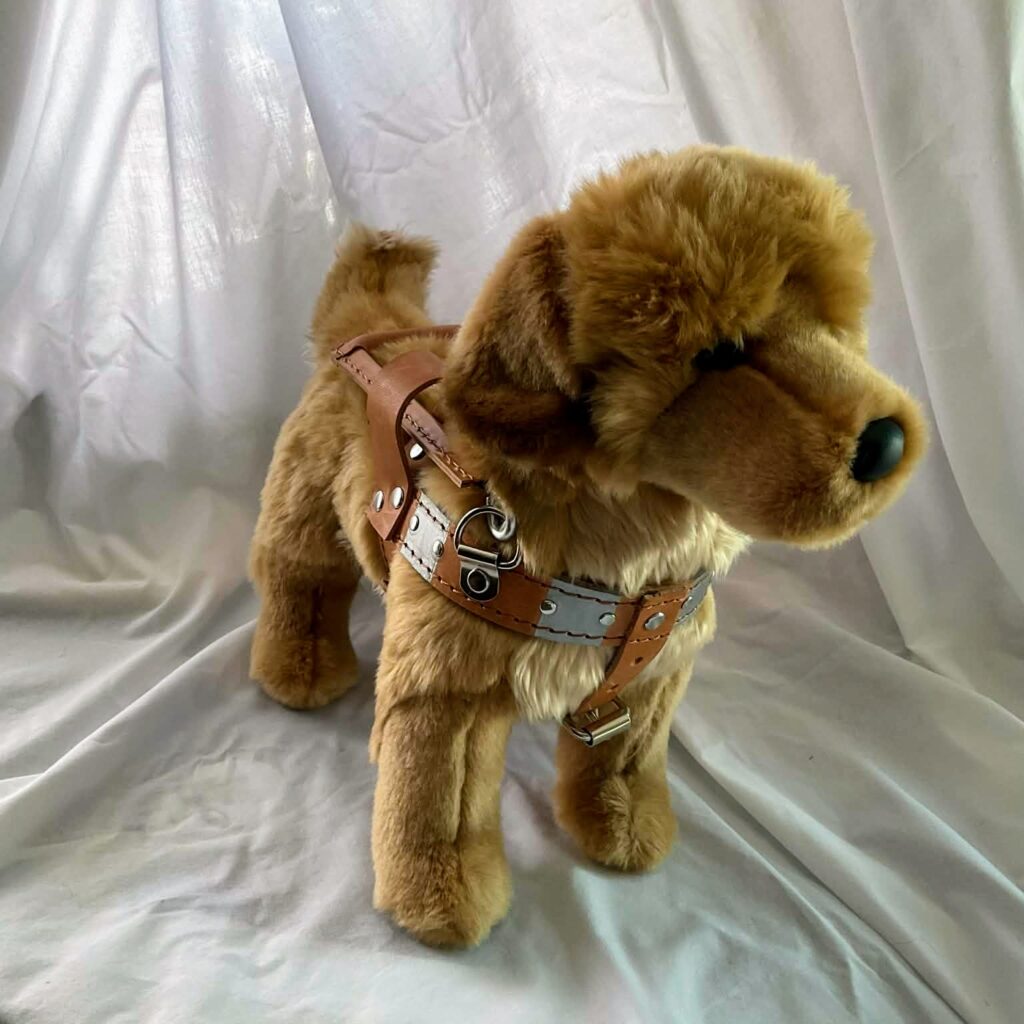
business+subscribe@guidedogusersinc.org

Welcome to Paws for GDUI News You Can Use! – VOL. V, NO. 3, June 2025 – A Publication of Guide Dog Users, Inc.

President: Sarah Calhoun

Editor: Andrea Giudice

Co-editor and GDUI Immediate Past President: Penny Reeder

Guide Dog Users, Inc. (GDUI) A special interest affiliate of the American Council of the Blind (ACB) since 1972

https://guidedogusersinc.org/

Toll-Free: 866.799.8436

From the editor- Hello fellow GDUISters

I begin with an apology for the late date upon which you are receiving this. Given the rapid approach of convention, and the shortness of time to complete and publish, I am making a unilateral decision to make this an issue dedicated to all things convention. A more comprehensive, typical issue of Paws will follow in July.

By way of explanation, not excuse, the reasons contributing to this tardiness include, but may not be limited to, sickness, moving, and broken refrigerators!

To assist with convention preparation, you will find GDUI, plus ACB, conference schedule information; helpful tips from guide handlers, and even guides themselves; hotel info for those attending in person; news of the 2025 plush guides drawing; and similar “conventional” topics. 

Sending cyber hugs and wags,

Andrea and Super T

****

From the President- 

Greetings members and friends!

Welcome to the June 2025 edition of PAWS News You Can Use! A big thank you to Andrea Giudice, Editor and Penny Reeder, Publications for making this newsletter a remarkable edition!

GDUI is gearing up for the 2025 convention in Dallas, Texas! We will have our Bark-A-Lounge, selling wonderful dog items, our harness signs and pouches, and more! 

Stop by and visit, relax with your dog, catch up with friends and make new ones! You can purchase drawing tickets for the three plush dogs in a handmade leather harness, graciously donated by Hava! The lineup is: Dallas, a beautiful boxer, Willie a playful chocolate labrador retriever and Ranger a handsome German Shepherd! Tickets are three for five dollars and seven for ten dollars! You can purchase your tickets now, online at: www.gdui. Org, or call our office manager at 866-799-8436.

If you will not be at the convention, be sure to register and join the GDUI programs virtually using the Zoom platform!  Maria Hansen, second vice-president and chair of programs has planned terrific events! Yes, GDUI has scheduled the guide dog school update organized by Maria Hansen and Ryan Hooey, guide dog school liaison!

The GDUI advocacy, membership committees and disaster assistance preparedness program are quite busy and working on new  information to share with members! Notices will be posted via the announce list!

Welcome to new partnerships! Please share your new adventures by submitting an update in this newsletter or on the chat list! Email to submit stories, articles or guide dog related news.

To email articles and other items for Paws, News You Can Use: dawgmawm@gmail.com

To post emails to: GDUI chat list: chat@guidedogusersinc.org

If you are not subscribed to the GDUI chat list, send a blank email to:  chat+subscribe@guidedogusersinc.org

As the summer days get hot, be sure to check the temperature of concrete, asphalt and other surfaces while working with your guide dog or pet! The method I use, if you can’t keep your fingers or the back of your hand on the surface for seven seconds, then the pavement is too hot for paws.

Wishing you all the best and enjoy traveling with your guide dog, or reflecting on the beautiful memories with past partnerships.

Kind regards,

Sarah Calhoun, GDUI President

Active guide Wren and Retired Lakota

****

****

POOPLESS PUPS!!!!!

Greetings,

This year GDUI is holding a drawing for 3 plush pups fitted out with handmade harnesses thanks to the extraordinary generosity of Hava. 

The GDUI pup house is filled with nervous excitement.  On July 9 our plush pups will learn about their “forever homes”.  You could be holding a winning ticket allowing you to welcome one of these plush guide dogs into your very own family!

Tickets for individual pups are 3 for $5.00 or 7 for $10.00.  You may purchase tickets via PayPal (does not require a PayPal account) via the following link:

GDUI 2025 Drawing for 3 Plush Pups in Harness – Guide Dog Users, Inc. (GDUI)

or you may contact GDUI’s Office Manager, Lynn Merrill, by phone: 1-866-799-8436 in the U.S.

These pups get along so well with one another and have even developed some “special friendships”.  Feel free to purchase tickets on more than one. 

Let me introduce them to you.

  1. Dallas, a boxer in a seated position measuring 12” to top of ears.  She is the youngest and loves to play.  However, when she is in harness, she is laser-focused on her job.  She looks up to the other guides and is eager to please.  She is very cute with the sweetest, soulful expression.    
  2. Willie, a chocolate Lab from F. A. O. Schwartz.  He is lying down and measures 23” from nose to tail.  He is very mellow (like his namesake Mr. Nelson) and his kisses leave a sugar high. 
  3. Ranger, a black and tan German shepherd from Prima Classics.  He is in a seated position and measures 15” to top of ears.  Able to multi-task.  While working, playing, or even at rest, he is vigilant and taking care of his “pack”.  Very loyal and loving.

Ticket sales will end at 10:00 AM central time on Wednesday, July 9 and winners will be announced during the 1:00 PM GDUI wrap-up and awards session.

***

GDUI 2025 Convention Program-

Thursday, June 26: (Zoom)

11:00 AM Eastern Time

10:00 AM Central Time

9:00 AM Mountain Time

8:00 AM Pacific Time

5:00 AM Hawaii Time

Guide Dog School Update: This is a double session lasting two and a half hours with no break between sessions. Thirteen U.S. schools and three Canadian schools will participate and a rep from IGDF will kick off the program. 

Friday, June 27, (Zoom)

3:30 PM Eastern Time

2:30 PM Central Time

1:30 PM Mountain Time

12:30 PM Pacific Time

9:30 AM Hawaii Time

Prison Puppies Programs: (co-facilitated with Paul Mimms, President, BVA) Vijay Joshi, Puppy Development Manager of Host and Raiser Experience, Leader Dogs for the Blind and Paula Giardinella, Prison Program Manager, GDF/America’s VetDogs will share information about these two prison pups programs.  

Monday, July 7, (hybrid)

2:00 PM Eastern Time

1:00 PM Central Time

12:00 PM Mountain Time

11:00 AM Pacific Time

8:00 AM Hawaii Time

Accessibility and Safety Within the Airplane Cabin: Leana McDougal, Disability Department of American Airlines, and three members of the American Airlines Inflight Team (Julie Rockaway, Rylee Romanko and Genesis Shinall) will do a hands-on presentation. 

Tuesday, July 8, (hybrid)

6:30 PM Eastern Time

5:30 PM Central Time

4:30 PM Mountain Time

3:30 PM Pacific Time

12:30 PM Hawaii Time

Emergency Preparedness: An educator from the Dallas Fire-Rescue Division of the Dallas Fire Department will do this presentation. 

Wednesday, July 9, (hybrid)

2:00 PM Eastern Time

1:00 PM Central Time

12:00 PM Mountain Time

11:00 AM Pacific Time

8:00 AM Hawaii Time

GDUI Wrap up and Awards: Tammy Robbins will speak about GDUI’s Disaster Assistance and Preparedness Program (DAPP).  GDUI Award winners will be announced.  Three plush pups in harness will find out about their forever homes.  (sale of drawing tickets closes at 10:00 AM Central Time.)

***

Article- Preparing to travel to a conference with your cane or guide dog

By: Kirsten French

(GDB Alumni News 2025, Volume 33:  Issue Number 2- https://communications.guidedogs.com/webmail/896181/1688145862/c8d17b9349873c8e50fefa7ccba4d23d2d186d25667ecebbf1943076198c617a)

Preparing to travel to a conference with your cane or guide dog begins well before you leave home. A bit of extra planning can make a big difference in ensuring a smooth experience for both you and your guide. Here are some helpful tips and tricks!

Packing

Food

Measure out your food using the same measuring cup you will be using during travel

It can be helpful to pack a bit extra in case there are any unexpected delays or other unforeseen events

Some people like to pack individual Ziploc bags of food for each day or meal so they won’t have to measure food while traveling.  

If you are traveling for an extended period of time, check with the hotel or wherever you are staying to see if you can order food online to have it delivered.

Medications

If your guide is on any medication, including flea/tick/heartworm if you will be traveling at the beginning of the month, make sure you bring these!

Pack a small first-aid kit including any as-needed medications.  You never know what might happen and it is best to be prepared!

In your first-aid kit, include a list of medications your guide is on, emergency contacts, and the information for a local emergency vet where you will be traveling

Save this information on your phone as well for easy access

It can be helpful to have your guide’s health information saved in a file on your phone as well just in case!

Equipment

When traveling to a new space, especially a conference during the summer, you may need to use equipment with your guide that you don’t normally use in your home environment including booties or gentle leader.  Make sure you have these packed just in case.

It can be helpful to incorporate this into your working routine a few times before traveling to reorient yourself and your guide in case you need to pull it out during travel or at your destination.

Make sure your cane is packed and ready to use if needed!  

Travel

If flying, contact your airline ahead of time to let them know what accommodations you might need, if you will be traveling with your guide, and ask any questions you might have.  Each airline has different requirements or paperwork to complete in advance.

Carry a paper copy of completed documents and have these in an easily accessed location

Keep electronic copies available on your phone

Some airlines will move you to bulkhead or other seating with additional space if available.  Call the airlines directly to ask about options

On the day of travel, you may need to change your guide’s eating and relieving schedule depending on length of travel, relieving opportunities, and individual circumstances.  If you have any questions, reach out to the support center for help!

Bringing a small mat for your guide to lay on in the plane can help them settle in a new environment.  A small bath mat is great because it is easy to pack, rolls up well, fits in the footwell space on a plane, and you can throw it right in the laundry when needed!

Bring a bone for your guide to chew on, this can help get some excited energy out when traveling

Keep a small clean-up kit in your back, accidents happen!  A small absorbent pad, a few wet wipes, and a bag help if the unexpected happens!

Keep in mind that travel can be a bit stressful for both you and your guide.  Remember to breathe, give yourself and your guide grace, and take it one step at a time!  Everything can be figured out, turning each challenge into an adventure!

Happy conference season!

***

Article- Pup’s Conference Perspective

Conference Season Ahead: Juno how to work it?

By Betty Nobel & Maia Scott 

(GDB Alumni News 2025, Volume 33:  Issue Number 2- https://communications.guidedogs.com/webmail/896181/1688145862/c8d17b9349873c8e50fefa7ccba4d23d2d186d25667ecebbf1943076198c617a)

It has been a long day at the conference and I am ready to relax.  After giving me cookies for targeting our odd smelling sleepy place, my person taps her plastic rectangle on the door with a beep and a click.  Both of us enter with a sigh and she smells like caffeine, french-fries and relief.  Ahead, the open swishers reveal the daytime light now the size of a tennis ball balanced atop the rolling hills.  Sadly, the thing will roll down the other side where I can’t see it for another eight hours or so. But that means I can turn around three times, tuck my nose under my tail and not worry about dodging smartphone zombies, white click sticks and other ambling bipeds for the length of a good night’s sleep. 

As both sets of eyelids grow heavy listening to my person calling the keen-eyes for help making the growly air puffer box play nice, I recall some fond memories of the day when I felt safe, relaxed and connected with my partner despite the loud conference energy. It’s not easy to lie down for so long without a break to play or get some attention. I don’t pay much attention to what’s going on because my eye is on the cookie sack that occasionally wobbles and yields a tender hand with yummies and a soft pet, but my person smells like she enjoys the meetings and sessions. 

The one thing about a conference that stresses me is the long slow visit to the exhibit hall. We stop and start so many times! My person talks to a lot of people, but when I try to socialize with another dog, she doesn’t like it. That hardly seems fair, but I guess it is part of my job to focus on my partner.

Just as my human needs breaks during her work day, I do too.  In fact, conferences are a lot of work for both of us.  Thankfully, there are lots of ways to change pace and refresh throughout the din and humdrum of conference activity:

DIY quiet spot:  Many hotels offer quiet spots where visitors can sit and relax out of the line of traffic.  My human has brought me to quieter spots such as a cluster of chairs in the lounge, a bench in a back hallway, a bit of floor in the corner of a conference room and, when we are staying at the conference hotel, up to our room.  The latter is my favorite, giving both of us a chance to unload and hydrate.  

Harness off, Game on:  For the best release of energy, I love a chance to get my uniform off, play tug and beat up a favorite squeaky toy.  I get to have my human’s full attention as both of us destress and take ourselves way less seriously.  Sometimes, when time is short, I enjoy getting undressed and flipping upside down to have a good back scratch with all my feet in the air.  I love how this makes others give off happy vibes as well.  

Cookies a-plenty:  Well, hay. If my human orders comfort food for yummies and collects treats from selling-things tables (which, incidentally, I am not allowed to do), I should have access to extra de-stressing tasties as well.  The best way to keep me focused in all the noise and clearly let me know that I am being a good dog doing my job well is ample array of kibble and high reward cookies.  While I want to suggest dumping the whole cookie sack out in front of me when I want it and repacking it several times, I don’t think your average well-trained human will believe me.  Just communicate with cookies.  I find an empty seat in the many chairs room, cookie.  I stay nicely waiting through five minutes of human mumble, cookie. I find the door to the selling-things room even though I’d like to pretend it’s not there, big special cookie jackpot.  

A little bodywork: Remember learning all the special ways to pet a dog?  I’m thinking of one that involves making little one and a quarter circle along my shoulders and sides, drawing gentle fingers down my ears and making slow passes from the tip of my sniffer to the tip of my wagger.  The repetitive motion is meditative and helps both of us center back in our bodies.  Even if the fancy petting isn’t your thing, just pet me and pay attention to me.  That works as well.

Scheduled Business Meetings: One of my favorite parts of the day is the walk to find the relieving area.  Sometimes I might need a bit of extra time or an opportunity to sniff and go in areas clear of other doggy business smells.  The fresh air smells great and there are so many interesting odors outside.  Yeah, I like my business meetings better than my human’s.  In fact, I might need extra ones because of all the extra smells and activity.

Cane and Canine: Seriously, I am not offended if my human chooses to break out the white click stick and use it to help us navigate the conference chaos.  So long as I don’t regularly get whacked with it, I am happy to share the workload or heel at my human’s side. Sometimes the crowds get so thick, the up and down thing bays get so impacted and waiting queues wind eternally leaving me over stimulated and feeling like I cannot keep my human safe. When nosing my human’s carry-things pack, I am happy to find a click stick ready for when we need it.

As the air puffer box settles into a big cat’s deep purr, my muzzle sinks deep into my rest pad and my human drops onto her bouncy block amidst an excess of packaged clouds under her head.  She reaches down to stroke my velvety ears and smooth her gentle finger down my back to my twirly-thumper.  My last thought as we both drift off is, “We’ve got this.”, knowing both of us will be fresh and ready when the sun pops up to rise again in full force, ready for the next day, just like we will be. 

****

Announcement from GDB to Alumni attending convention in person

Dear GDB Alumni,

This coming Summer, the ACB National convention will be held in Dallas TX July 4-11 and the NFB National Convention will be held in New Orleans LA  July 8-13.

Do you plan on attending either convention? If so, here is a wonderful volunteer opportunity to help GDB.

Our Outreach Department would like to extend an invitation to Alumni to assist GDB staff in the Exhibit Hall. Help us “Meet and Greet” convention participants as they visit our booths. A GDB staff member will be present at the GDB booths at all times however, we are looking for GDB Alumni who would like to share with participants about their personal experiences living and working with a guide dog and the wonderful programs and services provided by GDB. 

Each volunteer shift is 2 hours. Below are the dates and times for each shift.  If you are interested please respond to Amy Salger asalger@guidedogs.com with your time preferences as well as any times that would not work for you. A schedule will be set based on this information.

ACB National Convention 

Sunday, July 6: 9am-11am, 11am-1pm, 1pm-3pm, 3pm-5pm

Monday, July 7: 11am-1pm, 1pm-3pm, 3pm-5pm

Tuesday, July 8: 11am-1pm, 1pm-3pm, 3pm-5pm

Wednesday, July 9: 9am-11am, 11am-1pm

NFB National Convention 

Wednesday, July 9: 9am-11am, 11am-1pm, 1pm-3pm, 3pm-5pm

Thursday, July 10: 9am-11am, 11am-1pm, 1pm-3pm, 3pm-5pm

Friday, July 11: 12pm-1:45pm, 5pm-7pm, 7pm-9pm

Important notes to consider

*GDB will not provide reimbursement for travel, hotel accommodations, or any other expenses for Alumni to participate in this volunteer opportunity. 

*It is also possible that you may not be selected, depending on the level of response of individuals interested, changes in GDB schedule and needs, or any other unexpected factors.

If selected, you will be contacted by the GDB Outreach staff member who will also be your point of contact during the convention. 

Please feel free to let me know if you have any questions. We look forward to having the opportunity to share this experience with you!

Sincerely,

Amy Salger, Alumni Engagement Manager

asalger@guidedogs.com

800-295-4050

*****

ACB Convention Sneak Preview

On Sunday morning, July 6th, ACB will host four hybrid sessions. We are pleased to host a variety of sessions on various topics. Here’s a sneak preview of the Sunday hybrid sessions.

9:00 AM – 10:15 AM: BVA is Celebrating 80 Years

Explore the 80-year history and mission of the Blinded Veterans Association, where blinded veterans support one another. Engage with our Board of Directors and staff to learn about our diverse membership, including blind and low vision veterans. Discover eligibility criteria and how we help members access the benefits they’ve earned. Gain insights into our advocacy efforts for the rights of blind and low vision veterans. Join us to understand the impactful work of BVA and how you can be part of our empowering community by joining the BVA Auxiliary, a group of friends and family who support BVA.

 9:00 AM – 10:15 AM: Update on Legislation

Join ACB Director of Advocacy and Governmental Affairs, Claire Stanley, as she provides a look at 2025 federal legislation of concern to people with vision loss. She will cover not only those items in which ACB has been involved, but other legislative issues of concern to people with vision loss. Also, we urge attendees who are working on current legislation in their states to report on their progress.

Presenter: Claire Stanley, ACB Director of Advocacy and Governmental Affairs, Alexandria, VA.

Facilitator: Jeff Thom, ACB Advocacy Steering Committee, Sacramento, CA.

10:30 AM – 11:45 AM: The Color of Resilience: A Talk and Painting Demonstration with John

 Join internationally acclaimed blind artist John Bramblitt for an inspiring session, where he will share the remarkable story of his career. Hear how he overcame the loss of his sight to become a celebrated muralist, speaker, and author. Through heartfelt storytelling and personal insights, he’ll explore themes of creativity, resilience, and inclusion. The session will also feature a live painting demonstration, offering a unique look into John’s innovative techniques. Don’t miss the opportunity to ask questions during the Q&A at the end.

10:30 AM – 11:45 AM: Audio Description People’s Choice Awards Final Voting Kickoff 

The nominations have been counted, and it’s time to vote for the best audio description of the last year. Come experience clips of each nominated film and series, and then cast your vote during the convention or when you get home for the two you like most. Learn more about the awards at https://adawardsgala.org/

 ****

Order Some Community Swag

It’s time to order yourself some Community swag!

The Community Support Committee has teamed up with Blind Girl Designs to bring us an array of clothing to wear and share our beautiful Community with others.

The Design: This print is 9” by 12”. The outside of the white tactile print is a heart made of two hands touching each other to form the outline of the heart. The center of the heart is three different fonts that read: “Community is Framily.” Beneath the writing, the words are spelled out in tactile braille.

All garments come in the following colors: pink, royal blue, purple, or navy blue, and in the following styles: T-shirt, crewneck sweatshirt, hoodie, and zip hoodie. The print is on the front of each, except for the zip hoodie, where it is on the back.

On the left sleeve of the sweatshirts is a 3” x 9” white tactile print, which says “we are framily” in the same fonts as the front of the print and in braille underneath.

Black, navy, or royal tote: This tote is a 15” by 20”, full zip canvas bag with a folder bottom so it can sit upright. It has a zip pocket on the inside, and a good-sized shoulder strap.

To get some Community swag of your own, and support ACB in the process, visit https://blindgirldesigns.com/collections/community-of-framily, or call (862) 448-1011. 

**** 

Attached and pasted below is the 2025 exhibit hall guide listing all exhibitors with their booth numbers. Also listed are the Marketplace tables.

ACB Exhibit Hall

Landmark Ballroom

Dallas, Texas

EXHIBIT HALL HOURS

Saturday, July 5th: Vendor Set-up 12 p.m. – 6:00 p.m.

Sunday, July 6th:  9:00 a.m. – 5:00 p.m.

Monday, July 7th:  11:00 a.m. – 5:00 p.m.

Tuesday, July 8th:  11:00 a.m. – 5:00 p.m.

Wednesday, July 9th:  9:00 a.m. – 1:00 p.m.

  1. Non-24-Hour Sleep-Wake Disorder (Non-24)
  2. Genentech
  3. Dream Vision Group LLC               
  4. East Texas Lighthouse for the Blind
  5. EMVI.AI
  6. Guide Dogs for the Blind
  7. ViewPlus Technologies
  8. Vispero
  9. Guide Dog Foundation & America’s VetDogs
  10. Dot, Inc.
  11. Maggie Vision
  12. AGIGA, Inc.
  13. National Industries for the Blind
  14. Blazie Technologies LLS
  15. Palmer Vision
  16. Spectrum
  17. National Braille Press
  18. AI for the Blind
  19. AIRA
  20. Envision
  21. NuEyes Technologies Inc
  22. Wisdom 4 The Blind
  23. Islam By Touch
  24. JPMorgan Chase
  25. Guiding Eyes for the Blind
  26. National Library Service
  27. Dan’s Woodworking
  28. JBI Library
  29. US1 Supply
  30. Accessibility Officer
  31. ACB Mini Mall
  32. ACB of Texas
  33. Blind Information Technology Specialist
  34. Leader Dogs for the Blind
  35. Achilles International    
  36. Oregon State University
  37. Hadley
  38. American Printing House
  39. HumanWare
  40. Meta
  41. En-Vision America
  42. eSight By Gentex
  43. iBUG Today
  44. Midnight Storm LLC
  45. Case For Vision
  46. Guide Dogs of America
  47. Irie-AT
  48. New Vision Concepts
  49. The Seeing Eye
  50. Biped.ai
  51. VisualEyes Access
  52. Blind Travel Foundation
  53. Virtual Blind Lion’s Club
  54. Orbit Research
  55. Computers for the Blind
  56. JW.org
  57. WeWalk
  58. Blind Girl Design
  59. Blind Professionals Network
  60. Penny Forward
  61. Q & G Premium Products
  62. See Sea Trips
  63. Solar Grove Solutions
  64. MORF
  65. Selvas BLV
  66. Polara 
  67. Patriot Vision
  68. Charles Brady & Kevin LeRose ITAs
  69. Glidance
  70. US Blind Tennis
  71. OrCam            
  72. The Dented Puck Foundation

Marketplace Monday July 7 – Thursday 10, 7:30 – 10:30

Monday July 7

Keri Bishop – Crafts

Carolyn Covington – Insightful Visionaries

ACBDA

Nickie Coby – Blind Essentials

Sara Freeman-Smith – You Are Gem’s

Tuesday July 8

Keri Bishop – Crafts

Wilma Chestnut – Messin in the Kitchen

Wes Brown – Author

Custom Cards & Medallions

ACB MMS

Wednesday July 9

Carolyn Covington – Innovative Visionaries

ACBDA

Custom Cards & Medallions 

Colette Arvidson –Hellen Keller Challenge 

ACB MMS

Thursday July 10

Wilma Chestnut – Messin in the Kitchen

Haley Agers – Blind Essentials 

Keri Bishop – Crafts 

Deborah E Joyce – Author & Public Speaker

***

Convention Survival Tips

(compiled by ACB’s membership committee )

-All registrants will receive convention related announcements. Virtual registrants will receive ones pertaining to virtual only participants. In person attendees will receive additional announcements related to details such as restaurant menus, stores in the local area, transportation, medical information, hotel description, etc.

– All registrants  will receive daily Zoom links for all virtual and hybrid events.

– Pay attention to notifications of ACB business in your in box. All members will receive their voting code in email or snail mail.

– The hotel is cashless, so any purchases at the hotel must be made with a credit or debit card. Tap to pay is available in all outlets within the hotel, including any bars in meeting rooms. Cash tip for hotel staff is accepted.

– The Coffee’s Post is cheaper and faster than hotel restaurants.

– Convention Information desk services include: accepting announcements to be read on the convention floor; collecting lost and found; providing restaurant guides, hotel descriptions, daily convention Newspapers in alternate format and flash drive; keeping changes in program and event schedules and giving banquet table numbers. Phone: (888) 777-6730

– Volunteer desk services: gives directions and has limited volunteers to take people to activities, no personal volunteers. Will only take to elevator not room; volunteers and hotel staff are not able to be wheelchair pushers. 

– Exhibits are Sunday through Wednesday and   include the ACB Mini Mall. Lists of exhibitors are available in exhibit hall. There are limited volunteers to assist to tables.

– Check your Calendar of events right away to schedule your preferred activities. There are many special interest affiliates which have many events and free programs. 

– ACB Registration desk is for buying or selling tickets for any convention event or activity and accepting donations. 

– Tips for taking tours: Be on time with ticket in hand at the prescribed pick-up point for Tours- they won’t wait. Volunteers assist small groups so you need to be able to follow directions; volunteers are not wheelchair pushers. If you need more assistance, you must bring your own guide. 

– Religious services are available – check program for dates and times

– Use the prescribed Guide dog areas and if you have any accident, stay there until you get assistance. Call or text Scoop Masters (661)714-0049.

– Tipping: You should tip 15 percent at restaurants. You should tip bellmen and housekeeping.

– Remember that there are fun things to do at convention: many evening events such as CCLVI dance, sing-along, RSVA comedian, RSVA Karaoke,     Durward K McDaniel event,  and ACB banquet. All events except food functions will sell tickets at the door

– Some ACB Membership Committee members can be called for questions during the week. See numbers below:

Ardis Bazyn 818-209-8684

Peggy Garrett: 832-242-4941

Allison Smitherman (601) 331-8084

Janet Dickelman (651) 428-5059

janet.dickelman@gmail.com

For questions relating to virtual only sessions, Danette Dixon: (425) 238-4560

***

Hotel details

If you have not made your reservations the hotel cannot guarantee the convention rate since the cut-off date was June 9th. If you have difficulty making a reservation, please let Janet Dickelman (651-428-5059) know.  Also, if you find you cannot use an existing reservation, please reach out to Janet, do not cancel the reservation with the hotel.

Room rates at the Hyatt are $99.00 per night (single or double occupancy), $124.00 (triple occupancy) and $149.00 (quadruple occupancy)

plus, tax, which is currently 17.3%  

To make reservations online go to 

https://www.hyatt.com/en-US/group-booking/DFWRD/G-AMCB 

If you prefer to make reservations by phone call 800-233-1234, and use group code G-AMCB. If asked the Hyatt is located at 300 Reunion Blvd. 

*****

Announcement- Save your Pups from the Popo!

[From: Pine Tree Guide Dog Users- PTDGU- Monthly News Update: March2025]

Did you know that guide dogs are not exempt from local animal control or public health requirements? They’re also subject to the same licensing rules that are applied to all other dogs. However, in Maine, and in many other states, the licensing fee is waived for service animals. Check to see if your state provides an exemption- https://www.animallaw.info/topic/table-state-assistance-animal-laws

***

IMPORTANT Editor’s note-Content for GDUI News You Can Use is culled from a variety of sources; Hence inclusion herein does not imply GDUI endorses, supports or verifies said contents. Information, ideas, or expressed opinions are not advice, therefore should not be treated as such. Factual errors are the responsibility of the listed source.

Sincerely,

Sarah Calhoun, President

Guide Dog Users, Inc.

Andrea Giudice, Editor

Paws for GDUI News You Can Use

Visit our website: https://www.guidedogusersinc.org/

Call us, toll-free, at 866.799.8436

Access our Facebook page at https://www.facebook.com/GDUInc/.

Access our Facebook group at https://www.facebook.com/groups/GDUINC/.

Access our Twitter timeline at https://twitter.com/gduinc.

To subscribe to the GDUI Chat list, visit this link: chat+subscribe@guidedogusersinc.org.

To subscribe to the (members only) GDUI Business list, visit this link:

business+subscribe@guidedogusersinc.org

Welcome to Paws for GDUI News You Can Use! – VOL. V, NO. 2, April 2025 – A Publication of Guide Dog Users, Inc.

President: Sarah Calhoun 

Editor: Andrea Giudice 

Co-editor and GDUI Immediate Past President: Penny Reeder 

Guide Dog Users, Inc. (GDUI) A special interest affiliate of the American Council of the Blind (ACB) since 1972 

https://guidedogusersinc.org/ 

Toll-Free: 866.799.8436 

From the editor — Hello fellow GDUISters 

Spring has sprung and that means (supposedly): Warmer weather, gentler breezes, more sunshine, and a much larger variety of birds twittering outside the windows! While none of this could be believed by the evidence as I finish up this issue of Paws, I remain — like my sweet guide dog — ever hopeful! 

Grab your favorite snack and enjoy this issue! You will find helpful articles on canine health, wonderful new sources for shopping (just in time for the upcoming gift-giving events, like  Easter, Passover, Mother’s day, Graduations, Father’s day, and there are always birthdays and hostess/host/thank-you, and just-because gifts, — three  delicious recipes (as April is National Brunch Month)–  Prepare them all!, articles about dog behavior, news from ACB, Uber, Lift and other organizations, announcements about events happening in the next couple of months, and so much more … ! 

To those of you who are sending in items for publication, we thank you with heaps and piles of gratitude!! You are few, however, mighty! I encourage the rest of you to remember how easy it is to get involved- share a favorite podcast; blog; webinar ;an interesting, silly, absurd, or touching tidbit from your local paper; something you wrote yourself, or something written by someone else; a helpful app or other resource; even a yummy recipe. Remember, submissions about guide dogs, or blindness/visual impairment are not the only topics of interest to us GDUISters! 

Sending cyber hugs and wags, 

Andrea and Super T 

From the President 

Greetings, and happy spring!   

Unfortunately, in some areas of the country, spring is taken its good old   time to arrive! Hopefully, the weather will turn nice soon, and leave the cold days behind us! 

GDUI is aware of the terrible storms, tornados, wildfires, and other disasters that have occurred just since the beginning of this year that have so catastrophically affected so many people who have lost their homes and their jobs, and experienced other devastating consequences in their daily lives. We want to remind members and friends about our Disaster Assistance and Preparedness Program (DAPP) that can assist with financial help for people dealing with these kinds of disasters. 

For more information, please visit our website https://guidedogusersinc.org/ and tap on the DAPP link. You can also call our Office Manager, Lynn Merrill, at 866.799.8436, to discuss how our DAPP fund can be helpful to you. 

We are looking forward to our GDUI –ACB Convention in Dallas, TX. Once again, our convention will feature the Bark-A-Lounge where we will be selling all sorts of dog-related items and you’ll be able to purchase drawing tickets for a chance to win a plush dog in a handmade leather harness donated by Hava. Come by the Bark-A-Lounge to visit with friends, make new ones and let your pup relax a bit! 

If you attend our convention in person, there will also be on-site programming, and everyone knows that the best thing about attending a GDUI convention in person is the fun of meeting and spending time with other guide dog users and their dogs, as well as visiting all of the guide dog school representatives who come to share information about their training programs and to renew acquaintances with graduate teams! 

If you can’t come to Dallas, be assured that GDUI convention programming will also be available virtually. We will be sharing more information in the June issue of Paws.  

GDUI has heard through the kennel leash grapevine that many people have recently received successor guide dogs or have been partnered with their first dog! Congratulations to all of the new partnerships! Enjoy every mile and step you walk together! 

Thank you for stopping by to read the April 2025 edition of PAWS for GDUI NEWS YOU CAN USE! Enjoy the newsletter and keep in touch! 

Sarah 

For Your Calendar 

(Some of the items listed here are expanded upon later in this issue, others may be a ways off) 

4/1-30/25- Registration for ACVO/Epicur National Service Animal Eye Screening will be open 

4/9/25, 7:00 PM, ET: Info session, Blind Birder Bird-a-Thon (virtual) 

4/10/23, National Hug Your Dog Day!! 

4/22/25, April Showers Day 

5/7/25, 6:30 PM, ET:  PTGDU’s annual Membership Meeting (virtual) 

5/10/25, 7:00 PM, ET: NLS Many Faces of BARD program 

5/18/25, 12:01 AM – 11:59 PM, ET: 2025 Blind Birder Bird-a-Thon 

**** 

Calendar Event Description- 

PTGDU’s annual Spring Membership Meeting  

Spring is in the air. Mark your calendars for PTGDU’s annual Spring Membership Meeting to be held on Wednesday, May 7, 2025 at 6:30 PM via Zoom. Everyone is welcome. 

 *** 

Calendar Event Description 

The Many Faces of BARD, April 2025 

The National Library Service for the Blind and Print Disabled (NLS) has shared the details of its April 2025 Many Faces of BARD program.  This monthly program focuses on topics related to BARD, the Braille and Audio Download service from NLS.   

The event will take place on Thursday, April 10, 2025.  The program will start at 7:00 pm, ET, and will last for one hour.  The topic will be New Features in BARD Express, such as enhanced storage and speed settings. The program will begin with a presentation and demonstration. After the presentation, NLS staff will entertain questions about the presentation or anything else relating to BARD. The program will be recorded.  

Additional details and recordings of previous Many Faces of BARD programs can be accessed at the Many Faces of BARD web page.   

https://www.loc.gov/nls/news-and-updates/many-faces-of-bard/ 

Use any of the following methods to attend the April 2025 Many Faces of BARD program. 

Join by Computer 

To attend the Many Faces of BARD program by computer, use the Many Faces of BARD Zoom meeting link.  

Join Using One-Tap Mobile 

To attend the Many Faces of BARD using one-tap mobile links, use either of the following options:  +16692545252,,1616894181# or +16469641167,,1616894181#  

Join by Telephone 

To attend the Many Faces of BARD using a telephone, dial any of the following numbers: 

669.254.5252, 

646.828.7666. 

or, for Spanish language: 646.964.1167. 

When prompted, enter the meeting ID: 161 689 4181.   

*** 

Calendar Event Description 

2025 Blind Birder Bird-a-Thon 

We encourage all blind and visually impaired members of the Carroll Center community to participate in the first-ever Blind Birder Bird-a-Thon—a national event designed to celebrate accessibility and the joy of birding by ear! Whether you’re an experienced birder or brand new to birding, this is a wonderful opportunity to get outside, connect with others, and enjoy the magic of migration season.   

Event Details: 

Date: Sunday, May 18, 2025   

Time: At least a two-hour window between 12:01 AM. – 11:59 PM, ET 

Location: Anywhere in the U.S. you love to bird! Participate solo, with a team, or alongside a sighted assistant. Look below for more location options. 

Guests: Any legally blind individual living in the U.S. or its territories—any age and any birding experience level    

Cost: Free, in fact everyone who registers will be eligible for prize drawings.   

What You’ll Do as a Participant: 

✔️ Spend at least two hours birding on May 18   

✔️ Identify birds by ear or sight and record your observations   

✔️ Connect with fellow birders and share your love of nature   

Optional Groups to Join: 

Although you are welcome to bird in any location of your choosing, The Carroll Center has secured volunteers in various locations who are happy to welcome others! Please note space in each group is limited. You can join our volunteers at the locations below.  

  • Jared at The Mt. Auburn Cemetery in Cambridge, MA from 7:00-10:00 a.m.
  • Carla at The Arcadia Sanctuary in East Hampton, MA from 9:00 a.m. – 12:00PM
  • Marsha at The Broadmoor Sanctuary in Natick, MA from 7:00-10:00 a.m.

REGISTER & FAQ: 

https://www.birdability.org/blind-birder-birdathon 

Have questions or want to learn more? 

Join a virtual info session to hear from expert blind birders who will share helpful tips, tricks, and answer your questions. No registration needed for the info session, just click the link at the time of the session to join!     

Wednesday, April 9, 7:00-8:00PM, ET. 

Join Zoom Meeting 

For questions or more information, please contact Martha Steele at marthajs@verizon.net.   

Best,   

The Carroll Center for the Blind 

*** 

Calendar Event Description 

16th Annual ACVO/Epicur Service Animal Volunteer Eye Screening Event Registration now open! (41/25 through 4/30/25) 

*PLEASE REVIEW THE INFORMATION BELOW CAREFULLY. 

STEPS TO REGISTER- 

STEP ONE: Brush up on the Qualifications, Expectations, and Registration Information prior to submission to be sure that your Service Animal is qualified. 

https://www.acvoeyeexam.org/qualifications-expectations 

Register at- https://www.cognitoforms.com/ACVO1/ACVOServiceAnimalVolunteerEyeScreening 

STEP TWO: Be sure to add ServiceAnimal@ACVO.org to your safe senders list! 

STEP THREE: Once registered, an automatic confirmation will be sent to the email that you provided (please double check for accuracy before submitting). It will contain the link that will provide you with contact information for all participating clinics, organized by state (kindly check your spam/junk folder and wait at least 30 minutes before emailing us to request a duplicate confirmation).   

STEP FOUR: Call or email one of these locations near you to make an appointment. This step must be completed to secure a spot at the clinic you prefer. When calling the clinic plan to provide your registration number, name (yours and Service Animal), type of Service Animal, and know that the clinic may require you to bring written proof of Service Animal training to the appointment. Appointments are on a first come, first serve basis and some locations may have limitations.  

Please remember that locations/appointments may be limited in your area. We ask for patience and kindness to the clinics’ staff. Everyone participating is volunteering their time and resources, and we would love for this event to continue to be a positive experience for all involved! 

LOCATE A PARTICIPATING VETERINARY OPHTHALMOLOGIST NEAR YOU (small animals) 

This list of participating cities is being provided to help you learn if a doctor is participating in your area. Specific clinic names and contact information is not included here but will be provided in registration confirmation emails after you have registered your Service Animal for the event. Participating locations may change from year to year as participation is completely voluntary and is based upon the availability of each specialist and their resources. 

https://www.acvoeyeexam.org/participating-cities 

THANK YOU PARTICIPATING VETERINARY OPHTHALMOLOGISTS, THEIR STAFF AND OUR NAMESAKE SPONSOR, EPICUR! 

The ACVO/Epicur Service Animal Volunteer Eye Screening event is a philanthropic effort generously provided to the public by participating board certified Diplomates of the American College of Veterinary Ophthalmologists who donate their time, staff, and services to provide complimentary screening eye exams to qualified Service and Working Animals. 

This program would not be successful without the generosity of our Diplomates and the financial support of our namesake sponsor, Epicur Pharma. 

*** 

Announcement — Employment Survey 

Hello All, 

In pursuit of additional data around employment for people who are blind and low vision, a research project is underway through multiple entities. The information is provided below. 

There is no direct compensation for this particular study; however, I felt the adherence to the resolution passed at last year’s convention regarding employment as well as the benefit for future programming made it worth sending out to everyone. 

Thank you for your continued support of ACB and the time you take to read this information. 

Best, 

Scott 

Scott Thornhill, MPA 

Executive Director, American Council of the Blind 

CALL FOR RESEARCH VOLUNTEERS 

Workforce Engagement: Survey of Employment Decisions and Outcomes of Working Age, Legally Blind Adults  

  • Are you an adult under 65 years of age? 
  • Do you have a vision impairment that qualifies as legal blindness? 
  • Do you presently reside in the U.S?  

If you answered YES to these 3 questions, we invite you to participate in the Workforce Engagement Survey. 

We are an interdisciplinary team of researchers affiliated with the Envision Research Institute and the University of Wisconsin-Milwaukee, that is investigating how to enhance the labor force participation of working-age, legally blind Americans. Over 56% working age Americans living with vision loss are out of the labor force. However, why so many of them choose not to participate in the labor force is still a conundrum. 

To address this knowledge gap, we are conducting a nation-wide survey of working age, legally blind adults about the deterrence, motivations, and outcomes of labor force participation. Findings of the survey will guide the development of research strategies, best practices and programs to make the labor market more attractive and inclusive of Americans with vision loss. 

What does participation involve?  

Complete a questionnaire (including objective-type questions) independently or with assistance. Those who choose the independent option will receive step-by-step instructions. Those choosing the assisted option will be interviewed by a member of the research team. 

How much time is needed to complete the survey? 

Between 30 to 45 minutes. Actual time spent may vary depending on individual circumstances. 

What are the risks and benefits? 

There is no major risk or direct benefit for participating in the survey. Participant feedback will contribute towards enhanced labor force participation of working age adults with vision loss. Anyone completing the survey will have the option to enter their name into a raffle drawing to win prizes.  

The principal researcher conducting this survey – Dr. Rakesh Babu – is reachable by email: rakesh.babu@envisionus.com,  

And phone: 316.440.1519. should you have any question about this survey. 

I’m interested. What should I do?  

Express interest by completing the screening form available at: 

https://www.surveymonkey.com/r/59PQ6CX 

Thinking of Joining a Protest? Safety First! Effective Advocacy, Always! 

By Anthony Corona 

[From the Editors: No matter where you fall, on or off the political spectrum in America, you may find yourself moved to speak up, speak out, write a letter, join a community, and/or join in a public protest to exercise your right to express your opinion and speak freely. The time is right, we think, to share the good advice which Anthony Corona shares below, with anyone considering joining a public protest, especially if you will be relying on the guidance of your working guide dog.] 

Dear friends in the blind and low vision community,  

In these challenging and powerful times, the call to rise up and speak out rings louder than ever. Across the country, people are gathering to demand justice, 

dignity, and the change we know is long overdue. And we, the blind and low vision community, are not only welcome in this moment—we are essential to it.  

Whether you’re someone who’s been in the trenches of advocacy for years, or you’re just now feeling the spark to get involved, this letter is for you. 

It’s a call to action and a roadmap to ensure that your voice is heard, your power is honored, and your safety is always front and center. 

Showing Up In-Person: Safety First, Power Always  

Attending a protest can be a deeply moving and empowering experience. But it’s important to do so in a way that centers your access, preparedness, and 

peace of mind.  

  1. Make a Plan  •       Learn the route and timeline of the protest in advance.         •       Reach out to organizers to ask if accessibility support

or volunteer guides are available.      •       Wear comfortable clothes and sturdy shoes. Bring water, ID, emergency contact info, medications, and a 

mask.  

  1. Go with a Trusted Person or Group    •       Partner with someone who knows your needs.      •       Establish a meetup spot in case of separation and

use check-in tools like Find My iPhone or Life360.  

  1. Bring Tech That Works for You        •       Keep your phone charged and bring a power bank.         •       Use apps like Aira or Be My Eyes to assist

with navigation or reading signs.  

  1. Know Your Rights     •       Learn your legal rights as a protestor and a person with a disability.  •       Practice short scripts to communicate access

needs, like: “I’m blind and need space to move safely.” 

  For Guide Dog Handlers: Keeping Your Teammate Safe If you’re a handler and your guide dog is part of your protest experience, your bond is your strength—but 

preparation is key.     •       Know your dog’s limits. Loud noises, crowd energy, and high temperatures can be stressful. Trust your dog’s behavior to 

guide your choices.     •       Bring water and a collapsible bowl. Hydration for both of you is essential.     •       Use a cooling mat or vest if you’re 

in a hot area.      •       Be mindful of hazards like broken glass or dropped food—keep paws safe with booties if needed.  •       Know when to leave. 

If your dog seems overwhelmed, prioritize their well-being and step away. That doesn’t mean your protest ends—it just changes form.  Your guide dog gives 

you independence. Protecting their safety is another form of protest: a powerful act of love and solidarity. 

 Protest Isn’t One Size Fits All: 

Alternatives that Matter  

Not everyone can—or should—be out in the streets. That doesn’t mean your voice is any less important. In fact, it may be even more strategic.   •      

 Join virtual actions like online teach-ins, livestreamed rallies, and Twitter storms.   •       Write letters to your local newspaper, elected officials, 

or organizing groups.         •       Host or join Zoom-based discussions, advocacy trainings, or creative storytelling events.       •       Use your 

talents: whether it’s writing, art, speaking, music, or community outreach—let your gifts fuel your resistance. 

 You’re not alone. Organizations like the Human Rights Campaign, the American Council of the Blind, the National Federation of the Blind, and Blind LGBT 

Pride International, as well as countless grassroots organizers, are already paving the way. When you join their efforts—even from home—you’re not only 

advocating for your rights, you’re helping drive the entire movement forward. Your energy fuels change for our whole community and beyond.  Be Seen, Be 

Heard—In Your Way  

Marching on the National Mall, gathering outside courthouses, or standing on the steps of your city hall is unforgettable. If you have the time, stamina, 

and support, these moments can be life-changing. But protest doesn’t only happen in those places. It can happen in your kitchen, on your phone, through 

a letter, or behind a microphone.  You don’t need permission to be powerful. You only need a little passion, a little creativity—and your truth.  

In Closing: You Belong in This Movement Let no one tell you otherwise: this moment belongs to you, too. Whether you show up with a guide dog at your side, 

a screen reader in your hand, or your voice echoing through online channels—you are part of the heartbeat of change.  You don’t need to see the crowd to 

feel the power of collective action. You just need to be there, in whatever way is right for you.  

With strength, solidarity, and love, Your Community. Your Movement. Your Voice. Exercising your power to protest comes in many ways in many forms. Safety 

first… Passion always… Your story and your truth! Collective action it’s like a grand chorale performance. Every voice is unique and every voice is needed, 

but as every voice blends in the harmony, the power bills and the song cannot be ignored! 

Yours, 

Anthony Corona 

He/Him 

 Host and Producer of Sunday edition 

*** 

News from American Council of the Blind 

[From: Dots and Dashes-February3-2025.docx

Dots and Dashes, March 3, 2025) 

  • Get Up and Get Moving Has A New Facebook Page!

The Get Up and Get Moving committee (GUGM) is excited to announce we have a new Facebook page! On Facebook, search Get Up and Get Moving. There is NO ACB in front of it. That is an old group page. We will be sharing updates what the committee is involved with. Look for convention announcements. We want everyone to feel welcome and to come share their health and wellness stories. Let’s all support each other on our health journeys. Here is the link to our committee page on ACB’s website- https://www.acb.org/get-up-and-get-moving-committee 

Under the list of members, you will find the link that will take you right to our new page, https://www.facebook.com/people/Get-Up-and-Get-Moving/61570076463254/.  

•The Empowering Youth with Visual Impairment project is looking for adult community members to join our 2025-2026 Adult Advisory Board!   

 We are looking for adults with visual impairment who are familiar with various assistive technology devices and are willing to share their perspectives, both personally and professionally. Board members will provide personal and professional feedback on the priority issues and needs of blind and low vision individuals, with an emphasis on transition-aged youth in rural communities. Members will also have the opportunity to connect with each other to broaden their network. You can find more information in the Adult Advisory Board Interest Form   

**** 

Article- Introducing Loving Touch Connection 

by Lucy Edmonds 

(The ACB Braille Forum Volume LXIII • April 2025 • No. 8)  

Some of you may remember Loving Touch Connection and its proprietor, Kathy Keck, because she exhibited her products at the ACB convention in Rochester, N.Y. in 2019. Since 2011, Kathy has been hand-painting designs and custom braille words on coffee mugs, beer glasses, drink glasses, wine glasses, salt and pepper shakers, spice jars, magnets, soap and lotion dispensers, and many other cool braille products! I recently purchased a number of coffee mugs from her, and she put names on them, along with a cool saying and a hand-painted design with raised outlining and raised picture! 

Kathy has never formally learned braille, but she has developed a fascinating process of using paint to set raised-dot braille sayings and raised outlining to her hand-painted designs on her products. Here is an excerpt from her website: “Using a proprietary technique, each product is meticulously handcrafted with raised dots for braille words and beautifully painted designs. Each piece is designed to provide tactile and visual delight, bringing joy and practicality to everyday items. … Our unique approach involves hand-applying raised-dot braille messages onto the surface of each piece. The default braille used is uncontracted, but contracted is available upon request to cater to different preferences. Each message is not only applied in raised braille dots but is also hand-painted in an elegant, easy-to-read script below the braille word or message, ensuring both tactile and visual accessibility.” 

Kathy goes on to say: “For the past 14 years, Loving Touch Connection has been committed to providing products that are not only practical but also add a touch of artistry to daily life. Each item is crafted with care, ensuring that it meets our high standards of quality and design. … In keeping with my passion and desire to support and encourage the blind and visually impaired community, a percentage of profits from Loving Touch Connection (R) sales are donated annually to various non-profit organizations who assist the blind and visually impaired.” 

 If you’re looking for a unique braille gift for someone, or just want something for yourself, visit her website, https://www.touchedbyfantasy.com/braille-gifts.html, and you’ll see what I mean! There is also a video there which further explains her process, as well as some customer reviews. One customer’s review reads: “The Loving Touch Connection braille accented items are beautiful. It is wonderful to be able to read the inscription written on the glass and also to feel the outlined detail of the design pictured. The braille is raised enough to make it very easy to feel. The braille is also true to size and durable while touching. The raised edging of the outlined design depicted on the glass allows the visually impaired person to recognize the creative artwork. I’m pleased with the prompt delivery of my orders and the outstanding customer service I receive. I will continue to endorse the Loving Touch Connection – Braille and Art products for the visually impaired. Thank you, Kathy, for your amazing ability in creating and designing accessible glassware for the blind and visually impaired community.” 

Kathy provides wonderful customer service, as well as being a great person to get to know. I can’t wait to place my next order! 

 *** 

Announcement- Open Doors Organization to Host National Service Animal Summit – Coming August 2025 

Open Doors Organization (ODO) is proud to announce the development of a groundbreaking Service Animal Summit, set to take place in late August 2025. This multi-sector gathering will bring together Guide Dog schools, service animal organizations, legislators, and leaders from the airline, hotel, cruise, retail, and transportation industries—all with a shared goal: to improve education, advocacy, and enforcement around service animal access and rights.   

The summit will focus on the rights and responsibilities of legitimate service animal users, while also addressing the rising concerns around fraudulent service animal claims, particularly in the travel, hospitality, and retail sectors. Through dynamic panels, collaborative breakout sessions, and powerful speakers, we aim to strengthen the integrity of access laws and improve enforcement practices across industries.   

As many of you may know, Open Doors Organization is the provider of the service animal forms currently in use by several major airlines, with more partnerships on the horizon. Our expertise also includes ADA compliance, consulting, and training for more than 55 major airports, and we proudly collaborate with agencies such as the TSA, DOT, and DOJ. We are widely recognized as leaders in disability rights and advocacy across multiple sectors.  

 We’re also excited to offer customized speaking engagements, breakout sessions, and strategic trainings—including topics such as effective complaint strategies and how to follow your complaint through the appropriate processes, how to utilize the ODO Service Animal Portal, and broad education around ADA compliance in the travel, retail, and service industries. Whether for a local chapter, a state affiliate, or national event, Open Doors can tailor presentations to suit your organizational needs.   

Our founder, Eric Lipp, serves on numerous advisory boards across the travel and service industry sectors, as well as several key government compliance and accessibility committees. Both Eric and myself, Anthony Corona, Director of Communications and Outreach, are experienced, engaging speakers who are passionate about delivering real-world strategies and impactful education.   

We’ll be sharing more details about the Service Animal Summit in the coming weeks—including speaker announcements, registration info, and opportunities for collaboration. We invite Guide Dog Users, Inc. members to join us as subject matter experts, advocates, and leaders in this vital conversation.   

If you have questions about the summit, Open Doors’ services, or would like to schedule a speaking engagement or consultation, please reach out:  Anthony Corona Director of Communications and Outreach 

Anthony@opendoorsnfp.org  

We also encourage service animal handlers to register for the Service Animal Portal on our website. Once registered, your information is recognized by all U.S. airlines, as they are federally required to accept ODO’s version of the DOT service animal form.  As we navigate evolving policies and access challenges, remember: Open Doors is here to educate, advocate, and advise. We’re honored to support the work of Guide Dog Users, Inc., and we look forward to building a stronger, more inclusive future—together.   

** 

Article- Facebook Penalizes the Blind 

by Bob Branco 

(The ACB Braille Forum Volume LXIII • April 2025 • No. 8) 

Approximately three months ago, Facebook decided to eliminate their mobile site from desktop computers. The mobile site was very navigable and accessible for blind people. For 15 consecutive years, I had no problem doing all the things I wanted to do on that site. Now, the site is gone, and many blind people are forced to use a complicated Facebook platform. For those with iPhones, there are problems with Facebook as well. As a result of Facebook’s unpopular decision, I, and many other blind people, have to learn it all over again. 

I heard several explanations as to why Facebook removed their mobile site, but no matter what the explanations are, the blind have been penalized. The entire Facebook structure has changed dramatically, making the process extremely tedious and frustrating. While I relearn Facebook, I will try to keep it simple. There are only several aspects that I want to know about right now. I don’t do Marketplace. I don’t do video, and I don’t do other more sophisticated Facebook activities. With that said, many other blind people use those features, so I want to be fair to everyone and not just think of myself. While I am trying to be hopeful, it doesn’t lessen the problems that this decision caused. My entire Facebook environment has been disrupted, and something needs to be done about it. Advocates for the blind are working very hard to include us in the sighted world, but Facebook has done its best to disrupt that process. I heard that one of the consumer organizations of the blind is having conversations with Facebook, hoping to reach a fair solution to this problem. 

I asked my technical support specialist if he thinks we should talk to Facebook about reconsidering their decision to get rid of the blind-friendly mobile site. I will clean up my tech support person’s response. He told me that Facebook doesn’t give a poop. If that’s true, then it might be pointless for consumer organizations of the blind to negotiate with Facebook. However, if Facebook cares about the effect this is having on the blind, and is willing to listen, then I support every effort that the consumer organizations are making in order for Facebook to understand and correct this mistake.  

Facebook’s removal of their mobile site not only affects desktop computers, but iPhones as well. There are many accessibility issues with the app on phones. For example, adding posts and performing other Facebook tasks on iPhones is a nightmare. Facebook has a lot to be desired for accessibility. 

A friend of mine signed a petition which was created to convince Facebook to reconsider. If the issue has to do with advertisements on the site, I believe blind people wouldn’t mind the advertisements as long as we are able to navigate the site effectively without being bombarded with them.  

This is really inexcusable for a large company like Facebook. I don’t know what kind of noise is going to get through the static, and I hope they don’t have to be brought to court. If negotiations are truly going on between Facebook and the blind consumer organization, I hope they reach a solution very soon. As a last resort, I am willing to accept the main Facebook site as long as it is much improved. Nevertheless, I want Facebook to reconsider its decision to remove the mobile site. We had no problem navigating it before. Though many blind and sighted people use Facebook for trivial reasons, many of us use it professionally. This opportunity should never have been taken away from the blind. 

*** 

Article- The Word 

By- Ann M. Chiappetta 

[A note from the author: Here is a blog essay I wrote. It’s taken me just about an entire year to feel like I can finally bond with a new dog.  The new match is happening at the end of May.] 

The word for 2025: Doggedness 

Definition: persistence in effort; tenacity or perseverance. 

I have been reading essays and blog posts about choosing an action word for 2025. Being someone who doesn’t respond well to new year resolutions I decided to try a word of intent.  

Looking back on 2024, I accomplished many good things with my husband by my side. We also felt the strain of transition. Leaving our home of over thirty years and relocating to a different State and the death of my retired guide dog, Bailey left us reeling. Jerry and I occupied ourselves with managing the house and we both acclimated fairly well in this respect. But as we settled into our new home and routines, the pain of losing Bailey became almost unbearable for me. Not only did I miss him in a physical sense, but I missed the loss of independence he provided being my guide dog. His illness and death cut me off from pushing ahead and taking full advantage of our new life here and what the community offered. 

Bailey died on March 16, 2024. My heart has recovered enough to welcome my successor guide, though, only a few months ago I wasn’t ready and questioned if I was sufficiently healed to open my heart so soon. 

Parting with our lives back in New York and embracing Pennsylvania and the quieter lifestyle and less frantic pace we both longed for many years was the expected, watching Bailey suffer and pass from complications brought on by lung cancer was the unexpected.  

The depression and grief resulting from losing Bailey dragged me down, at times the light at the end of the tunnel dimmed to a pinprick. 

Losing Bailey was like losing my eyesight – again –And had doubts about the mental effort it would take to step out of the darkness into the here and now, to feel the warmth of the sun on my soul.  

Some days I wanted to sleep the entire day away but I didn’t. The motivation to get up and fight off the sadness kept me from giving up. I got back out using my white cane and regained some lost confidence. I am still avoiding going places on my own, though. The irrational fear of being dropped off in front of a strange building with no cell reception floods me with anxiety. I don’t have my dog to keep me safe if I get lost. I don’t know where I am. The entire geography is unfamiliar, unlike New York. In New York, if I didn’t know where I was, I still knew where I was.  

Yes, it is March, my birthday month. I’ve reached the tunnel’s end, evident by this post tapping my chest and telling my heart to get ready for dog three. Telling myself I will hold onto a harness and fly again. 

Here is where doggedness accents my life during 2025. I will be dogged about pushing past my fears, work towards training with another guide dog, and allow myself to remember Bailey, his big yellow labbiness, big personality and tongue, and honor him by taking a chance on another canine partner.  

***** 

From the Kennel Kitchen- Yummy! 

[This month you will find a main dish, a side dish and a dessert, and if any of you claim that a meal can’t, or shouldn’t, include both rice and potatoes, … you are completely misinformed … (just sayin’[!!!] 

  • Chicken Broccoli Casserole

[From Guide Dogs of the Desert] 

[From: Pine Tree Guide Dog Users- PTDGU- Monthly News Update: March2025] 

Tasty and satisfying, this wholesome meal can be prepared ahead of time. 

Ingredients 

3 – 4 cups cooked rice 

2-3 boneless, skinless chicken breasts, cooked and cubed  

4 cups cooked broccoli cut into bite-size pieces (fresh or frozen) 

4 cups grated cheddar cheese, divided 

1 cup sour cream 

1/2 cup mayonnaise 

1 tablespoon lemon juice 

1 (10 oz.) can cream of chicken soup 

1 tablespoon minced onion  

1 teaspoon Worcestershire Sauce  

3 tablespoons fresh parsley, minced  

2 tablespoons sherry 

1/2 teaspoon salt 

1/4 teaspoon white pepper 

Instructions 

  1. Preheat oven to 350 degrees.
  2. Lightly grease a 9 x 13-inch casserole dish and evenly layer with rice, broccoli, and chicken.
  3. Set aside 2 cups cheddar cheese and combine all remaining ingredients. Mix well and pour over rice mixture. Top with remaining cheese.
  4. Bake for 35-40 minutes until casserole is bubbly and browned 

•Slow-Cooker Garlic Mashed Potatoes 

[From: The Insight Scoop Newsletter, April 2025, centeroftheblind.org] 

Ingredients 

3 lbs. Yukon Gold or Russet potatoes, peeled and cut into chunks 

4–6 garlic cloves, peeled and smashed 

1 cup chicken broth (or vegetable broth for a vegetarian option) 

1/2 cup unsalted butter, cut into pieces 

1/2 cup sour cream (or cream cheese for extra creaminess) 

1/2 cup whole milk or heavy cream (more for a thinner consistency) 

Salt and pepper to taste 

Fresh herbs, like parsley or chives (Optional, for garnish) 

Directions 

Preheat the oven to 350˚F. 

Prepare the Potatoes: Place the peeled and chopped potatoes into the slow cooker along with the garlic cloves. Pour in the chicken broth and scatter the butter pieces over the top. 

Cook the Potatoes: Cover the slow cooker and cook on high for 3–4 hours or low for 6–7 hours, until the potatoes are very tender and easily pierced with a fork. 

Mash the Potatoes: Once the potatoes are cooked, use a potato masher or an electric hand mixer to mash the potatoes directly in the slow cooker until smooth or to your desired texture. 

Add Creaminess: Stir in the sour cream (or cream cheese) and milk or heavy cream. Mix until everything is well combined, adding more milk if needed to achieve your preferred consistency. 

Season: Taste and season with salt and pepper. Adjust seasoning as needed. 

Serve: Serve the mashed potatoes warm, garnished with fresh herbs if desired. You can keep the mashed potatoes on the “warm” setting in the slow cooker until ready to serve.  

•1-Minute Apple Mug Cake  

[From: bestmugcakes.com] 

Servings: 1 

Ingredients 

     4 tbsp all-purpose flour (or gluten-free flour mix) 

    2 tbsp sugar any kind: brown, coconut, erythritol or monk fruit for  

sugar-free 

    ¼ tsp baking powder 

    1 ½ tbsp oil or melted butter I used olive oil, any oil works 

    2 tbsp apple sauce 

    ¼ cup diced apple (I keep the peel on) 

    1/4 tsp cinnamon 

 Steps 

 Mix the flour, sugar, cinnamon, and baking powder in a small bowl. 

    Add the diced apple and stir to mix. 

    Measure out oil (or melted butter/melted vegan butter/melted  

coconut oil), and 2 tablespoons applesauce; pour into dry ingredients. 

    Stir until all mixed together. 

    Pour the batter into a sprayed microwave-safe mug or ramekin. 

    Microwave on high for 1 minute; if not fully cooked, add 15 second  

increments until a toothpick comes out clean. 

    Top with ice cream, whipped cream, coconut whipped cream, or just  

get a fork and dig in! 

**** 

Pod Casts/Blogs/ webinars: Check these out! 

Flying the friendly skies  

From navigating airports to making the most of airline assistance services, Hadley’s recent audio podcast offers ways to make air travel with vision loss a little easier. 

https://hadleyhelps.org/podcasts/hadley-presents-conversation-experts/air-travel-and-vision-Loss?utm_source=accessinformationnews&utm_medium=newsletter&utm_campaign=02242025&utm_term=editorial 

Sunday Edition with Anthony Corona- Tail-Wagging Hello from Boaty!   

Hey GDUI friends—Boaty here! I know, I know… usually it’s my handler Anthony Corona doing the talking, but today I’m stealing the mic (okay fine, I nudged it with my nose) to tell you about something paws-itively exciting that’s happening over on Sunday Edition!  

First up—have you heard about Ask Emily & Garth? It’s a brand-new advice segment where Barbara Hinske, the amazing author behind the Guiding Emily series, answers your real-life questions—live and in-character as Emily and her snack-obsessed guide dog, Garth. Trust me, that dog gets me on a spiritual level.  We just premiered the segment, and it’s already a hit! We’d love for GDUI members to get involved. Got a funny, relatable, or downright cheesy question? Send it to:  

SundayEditionAC@gmail.com 

 Use subject line: Ask Emily & Garth You might just hear your question answered on air!  And while you’re at it, please consider showing Barbara some love by leaving a positive review on Amazon or Goodreads, and don’t forget to email viewers@hallmark.com to help us fetch a second Guiding Emily movie from Hallmark!   

Now, here’s the other big news: Anthony and Barbara have teamed up to launch something super important—an employment advocacy effort called Hinske’s Crew.  It’s all about reducing that dismal 70% unemployment rate among blind and low vision individuals by spotlighting our skills, talents, and experiences. We’re building coalitions, educating businesses and HR departments, and sharing real stories from real professionals in our community.  If you’re: • A pro in human resources or management • A blind or low vision professional with a story to share or someone who just wants to help advocate for better employment access for our community,  we want to hear from you! Drop us a line at  

SundayEditionAC@gmail.com— 

even if it’s just to say, “Count me in!”   

And GDUI fam, if you haven’t checked out Sunday Edition with Anthony Corona yet, now’s the time! It’s thoughtful, it’s fun, and yes—I make occasional cameo appearances (you’re welcome).  

You can catch new episodes every Sunday at 1 PM Eastern by asking your smart device: “Play two-thousand-twenty The Beacon.” (Tip: Some devices work best if you enable the Get Me Radio skill first.) Or just search “Sunday Edition with Anthony Corona” wherever you get your podcasts!  Stay connected with all things Sunday Edition: • Join the Sunday Edition: Above the Fold Facebook group • Subscribe to our mailing list by emailing: SundayEditionNews+subscribe@groups.io 

There’s so much more ahead, and we’d love for our GDUI family to be part of it.  Nose boops and tail wags, Boaty (a.k.a. Boutique) Guide Dog, Cheese Aficionado, and Occasional Podcast Co-Star  

•Woof! Tune into the Central Bark podcast from Guide Dogs for the Blind and hear all about their plans for a new state-of-the-art Client Residence and Community Hub on the Oregon campus. 

https://www.guidedogs.com/podcasts/2025-annual-update-with-christine-benninger  

  • News Hound.

NFB-NEWSLINE is a free audio news service for anyone who is blind, low-vision, deafblind, or otherwise print-disabled. It offers access to more than 500 publications, including Whole Dog Journal! Sign up now and get the latest in dog health, care, and training. 

https://nfb.org/programs-services/nfb-newsline 

Courage and Compassion podcast 

Farewells & new beginnings 

Listen to guide dog handler Marcus Engel and his wife Marvelyne, co-hosts of the Courage and Compassion podcast, as they discuss their different perspectives regarding the early retirement of a Seeing Eye dog and the transition to the new one. 

https://www.youtube.com/watch?v=8pk2AQeH11o&list=PLKOWyVll8uL0f98KEqRGG3CP_0Il_Hiyn&index=2  

•Hadley Presents: A Conversation with the Experts (Audio podcast) 

Listen in as we get the inside scoop from experts on a wide range of topics unique to vision loss.  

Recent episode- The Aira App: On Demand, Expert Assistance Episode 129  

With the Aira app, people with vision loss connect to vetted, live, expertly trained assistants. Using the camera on your smartphone, they walk you through 

whatever task you’re struggling to see your way through. 

https://hadleyhelps.org/podcasts/hadley-presents-conversation-experts/aira-app-demand-expert-assistance;  

All episodes- https://hadleyhelps.org/podcasts/hadley-presents-conversation-experts#podcast-episodes 

  • Eyes On Success podcast

https://www.eyesonsuccess.net/

This half-hour weekly podcast and radio program discusses products, services and daily living tips for people with vision loss. It is available through radio reading services across North America, via several internet streaming services, and to everyone else as a podcast. To date, the show has been downloaded in all 50 states in the US and over 100 other countries on all the inhabited continents. Eyes On Success is hosted and produced by Peter Torpey and Nancy Goodman Torpey. 

Each episode is basically a success story. Some are human stories of visually impaired people’s accomplishments in academics, employment, sports or pastimes. Others are descriptions of adaptive aids that enable visually impaired people to achieve things. These include screen readers, magnifiers, navigation aids, and others. In all cases, the focus is on success. 

Eyes On Success has been airing weekly since January 2011. Prior to January 2013 the name of the show was ViewPoints. Other than the name, nothing has changed. 

Listening To Eyes On Success 

You can listen to Eyes On Success on your smart home device by saying “play the Eyes On Success podcast”, subscribe to the podcast wherever you get your podcasts, or listen on Apple Podcasts, iTunes, YouTube or your local radio reading service. Listeners can also follow the show on Facebook and X (Formerly Twitter)

Connecting with Eyes On Success 

Email: To contact us with questions, comments or suggestions for future shows send an e-mail to hosts@EyesOnSuccess.net

Weekly Announcements: If you would like to receive weekly announcements of upcoming episodes, you can join our low traffic “announcements only” list by sending an e-mail to: EyesOnSuccess+subscribe@GoogleGroups.com . 

Email Forum: If you would like to connect with other listeners and share your thoughts about what you’ve heard on the show, you can join our listener email forum by sending an email to: EOS_Discuss+Subscribe@GoogleGroups.com

*** 

Resources 

  • EyeSpy.org

The largest digital directory dedicated to empowering the blind and low–vision community, including modern resources like media, podcasts, apps, and more. We are here to make your low–vision journey a little bit easier. 

Check it out at- https://eyespy.org/  

• Accessible Pharmacy (AP) 

AP is dedicated to combining healthcare with accessibility, allowing you to manage your prescriptions according to your preferences—whether it’s how they’re packaged, delivered, or itemized—at no cost aside from any co-pay required by your insurance. Click here for more info about Accessible Pharmacy: https://accessiblepharmacy.com/  

•  Pet peeves! 

Looking for an etiquette tip sheet to share with pet owners in your apartment complex? Guiding Eyes for the Blind has put together a few safety tips for pet owners to follow when encountering guide dog teams. 

https://www.guidingeyes.org/graduate-center/guide-dog-etiquette-for-apartment-complexes/  

•  Updated educational flyer for healthcare professionals  

[From: Pine Tree Guide Dog Users- PTDGU- Monthly News Update: March2025] 

Take a peek. Our latest educational flyer for healthcare professionals just got a new look! Download a copy of our newly designed tip sheet and share it with your healthcare providers. 

https://pinetreeguidedogusers.org/what-healthcare-providers-need-to-know-about-patients-with-guide-dogs/  

•  Other Resources about Service Animals in Healthcare Settings 

*Environmental Infection Control Guidelines for Service Animals 

Section 3 of the CDC Environmental Infection Control Guidelines for animals in Healthcare Facilities specifically addresses the presence of service animals. 

It offers detailed guidance for safe practices concerning access for patients, visitors, and employees with service animals. 

https://www.cdc.gov/infection-control/hcp/environmental-control/animals-in-healthcare-facilities.html 

*ADA Revised Requirements: Service Animals 

This publication from the U.S. Department of Justice provides general information about the access rights of disabled people with service animals and the 

ADA. One example specifically references hospitals, stating, “In a hospital it usually would be inappropriate to exclude a service animal from areas 

such as patient rooms, clinics, cafeterias, or examination rooms. However, it may be appropriate to exclude a service animal from operating rooms or burn 

units where the animal’s presence may compromise a sterile environment.” 

https://www.ada.gov/resources/service-animals-2010-requirements/ 

*Frequently Asked Questions about Service Animals and the ADA 

This publication from the U.S. Department of Justice provides guidance on the ADA’s service animal provisions and should be read in conjunction with the 

publication, “ADA Revised Requirements: Service Animals. Questions 14 through 16,” which provide specific information about the presence of service animals in healthcare 

settings including whether or not a hospital has to allow an in-patient with a disability to keep a service animal in his or her room; what happens if 

a patient who uses a service animal is admitted to the hospital and is unable to care for or supervise their animal; and if a service animal must be allowed 

to ride in an ambulance with its handler. 

https://www.ada.gov/resources/service-animals-faqs/ 

*Service Animals in Veterans Affairs Facilities 

This publication from the U.S. Department of Veterans Affairs outlines access requirements for individuals with service dogs in VA health facilities, Vet 

Centers, regional offices, and other properties owned or leased by the VA.  

Download the Veterans Health Administration Directive 

 for more details about the access of animals on VHA property. 

https://www.va.gov/resources/are-service-dogs-allowed-in-va-facilities/ 

 LS&S, LLC- Talking Products of All Varieties 

The catalog of products for the visually impaired and hard of hearing. 

800-468-4789 

https://lssproducts.com/?utm_campaign=3-26-25%20Talking%20Products%20of%20All%20Varieties%20%2801JQ7DJSR4KGX1HAWETJ2MG0N1%29&utm_medium=email&utm_source=Test%20List 

*** 

Announcement- Innosearch AI – Empowering Independence, One Purchase at a Time

Innosearch AI: Your Ultimate Shopping Assistant (Find Best Deals & Top Products) 

We are an e-commerce platform focused on making online shopping easy and enjoyable, especially for those with internet access challenges like blind or 

low-vision users. Innosearch offers millions of products and deals, and our site is fully accessible, working seamlessly with NVDA, Apple Voiceover, and 

other popular screen readers. 

Email: info@innosearch.ai

Website: https://www.innosearch.ai  

Innosearch is an all-in-one shopping platform augmented with a cutting-edge AI-powered shopping assistant. This innovative feature mimics the experience of shopping in real life by allowing you to interact with the assistant using natural language. It aggregates millions of products from top US online retailers, bringing them directly to you. With this advanced generative AI, Innosearch offers personalized product recommendations, highlights the best deals, and provides comprehensive information including reviews, total prices, shipping options, and more. Innosearch delivers a seamless end-to-end shopping experience, eliminating the need to search and browse in multiple tabs across retailers.  

Anyone who finds current e-commerce platforms too complicated to navigate can use Innosearch to shop online effortlessly with just a few clicks. 

KEY FEATURES- 

*All-in-One Shopping Platform- Innosearch aims to deliver a seamless end-to-end shopping experience, eliminating the need to search and browse in multiple tabs across retailers. 

*Research Products- Easily compare products across retailers, or weigh pros and cons of similar products to make informed decisions. 

*Uncover the best deals- Never miss a doorbuster, coupon, or clearance sale again. Get notified about the best prices and offers. 

*AI Summarized Trusted Reviews- See what others are saying and make confident purchases. 

*Accessible, All in One- Never experience glitches or feel lost on an e-commerce page again. Innosearch brings millions of products from top online retailers directly to you, allowing 

you to shop the best products and deals easily. 

*Shop with confidence- Rest assured, Innosearch has you covered with free shipping and returns on every purchase. 

*Know before you buy- Innosearch equips you with expert buying guides, empowering you to make well-informed decisions. 

Start Shopping Smarter Today! Trusted by the accessibility community 

Shopping on the computer not your speed… not a problem! 

Innosearch AI Introduces Shop by Phone! 

Have you ever wanted a digital experience to feel like an in-person conversation? 

Innosearch AI is excited to announce our new, 100% free “shop by phone” experience! 

Shop using only your voice via your phone line. Browse billions of products, search from over 500,000 retailers, and compare products—all through simple dictation! 

How It Works 

*Find products easily – Just say, “Find me a blue water bottle.” 

*Get instant details – Ask about size, materials, reviews & more. 

*Add to cart & checkout – Complete your purchase seamlessly using secure payment processing. 

Example Voice Commands- 

Product Search 

*“I am looking for a USB-C charger.” 

*“Tell me more options from the search result.” 

*“Add the second item to my cart.” 

*“What is the rating of the Anker USB-C charger?” 

Cart Management- 

*“What are the items in my cart?” 

*“Remove the Anker USB-C charger from my cart.” 

*“Change the quantity of the Anker USB-C charger to 2.” 

*“Empty the cart.” 

Order History- 

*“What was my most recent order?” 

*“What was my order in December 2024 with 2 items?” 

*“I am looking for a USB charger from a past order.” 

Check Out- 

*“What is my shipping address on file?” 

*“I’d like to proceed to check out.” 

Why Shop by Phone?- 

*Effortless accessibility – Ideal for blind and low-vision users, seniors, and anyone who prefers voice interactions.  

*No screens, no hassle – Shop hands-free, anywhere, anytime. 

*AI-powered convenience – A seamless, conversational shopping experience tailored to your needs. 

Give It a Try- and talk with our AI shopping assistant today! Depending on your location, call one of the numbers listed below. 

*US: 855.746.7478 (855-SHOP-GPT )  

*Canada:  +1 782.222.7467 

*UK: +44 7727 247467 

Innosearch AI – Empowering Independence, One Purchase at a Time. 

YouTube Review By Sam Seavey: https://youtube.com/watch?v=-rjL-HAwaZY

[Editor’s Note: (spoiler alert- the next article gives more in-depth info about this awesome new source for shopping for all the things, including airline tickets!!] 

*** 

Article- Accessible online shopping with Innosearch  

[From: Life of a Blind Girl – Sunday, February 9, 2025, https://lifeofablindgirl.com/2025/02/09/accessible-online-shopping-with-innosearch-ad/

*This post is a paid collaboration with Innosearch, but as always, all thoughts and opinions are my own. 

I’d seen a few fellow disabled bloggers and content creators talk about Innosearch, so when the team reached out to me to ask whether I’d be interested in working together, I was keen to find out more. 

I’m all too familiar with inaccessible online shopping experiences, regularly sticking to my much-loved, accessible places. When Innosearch told me that they’ve created an accessible online shopping platform, I was ready to put it to the test. 

Some context about Innosearch 

If like me, you’d never heard of Innosearch until recently, or perhaps this post is the first time you’re finding out about the platform, let me tell you some more. 

Innosearch* are revolutionizing online shopping for people with access requirements, including blind and vision impaired people. They’re on a mission to empower confidence and independence for disabled people when online shopping. 

Innosearch is an e-commerce platform which aims to make online shopping a seamless experience for everyone. They’ve created an innovative platform where users can enjoy a clutter-free, accessible shopping experience. It has features like AI-generated image descriptions and streamlined navigation, for millions of products across 500,000+ retailers. 

The site eliminates the need to switch between tabs or multiple webpages, enhancing the user experience. One of their goals is to give people the information they need while finding the best deals, ultimately helping people save money. Who can say no to that? 

My experience of online shopping as a blind person. 

Like I previously mentioned, online shopping can be a frustrating experience for disabled people. Inaccessible websites and the lack of commitment from retailers both for disabled customers and accessibility as a whole can make it a pretty terrible experience, rather than an enjoyable one. We therefore don’t have the freedom to use any website we want, taking away our luxury of finding the best deals on the market. I know I’m not the only person who tends to stick to my comfort blankets because I know they won’t let me down. 

As a screen reader user, the inaccessibility I find myself up against time and time again includes unlabeled links and buttons, poor use of headings, images with no alt text, vague descriptions of items, inaccessible payment methods and web forms that aren’t accessible. That’s only scratching the surface – the list of barriers I find myself up against would be a blog post in itself. 

Whilst platforms like Innosearch seek to make online shopping a more accessible experience for disabled customers, it doesn’t mean that brands, businesses and organizations should disregard accessibility. There’s no excuse for them not to make their websites accessible. 

Embedding accessibility into everything you do means that you’re creating an inclusive, welcoming environment for disabled customers. That speaks volumes, let me tell you. 

Innosearch is a brilliant example of how it can be done. There’s lots that can be learned from them. 

Online shopping using Innosearch 

When Innosearch loaded, my screen reader announced the platform’s tagline which is “your ultimate shopping assistant.” It was a promising start. 

The first time I visited the site, there were two things I did: have a browse of the website and create a free account. 

Tapping away at my keyboard, I was met with all links and buttons that were labelled, along with a great use of headings. Navigation felt like a breeze. 

Creating an account only took a couple of minutes thanks to all fields being labelled correctly. Once done, I was ready to start exploring! 

When the site first loads, you’re met with a landing page that presents you with the latest flash deals, along with some bestselling items. The deals are updated all the time, so there’s always something new whenever you visit. One thing that struck me straight away was how I could scroll the deals quickly in any way that I chose, whether that was via links, headings or my cursor keys. There was no cumbersome navigation or loss of focus on the page. 

I also liked how my screen reader didn’t get distracted by constant pop-ups, which always force me to navigate away from what I’m looking at. 

Innosearch has a handy search function that’s easy to find which is also labelled correctly. I decided to put it to the test, typing in the keywords for some AirPods, an item that had been on my Wishlist for a while. 

The results loaded quickly, my screen reader announcing how many results were on the page. Scrolling through, I was presented with options from an array of retailers including Amazon and Apple. I was given the relevant information I needed at first glance like the price, cost of delivery and whether there were any discounts. I also had the option to bookmark items for later if I wished. 

Clicking on the one I wanted, I was met with the product information and customer reviews. There were also product images – hold tight for more on that. 

One cool feature about the platform is the ‘Ask Innosearch’ button. It’s a feature that acts as your virtual shopping assistant, answering your questions. This is a real time-saver, coming in extremely useful when I was looking for some new jeans. It gave me a feeling of independence and autonomy because I was able to use the feature to ask questions I’d otherwise have to get sighted assistance with. 

Something I particularly love is how you can ask the feature to describe the product images. It comes back with very detailed descriptions, something that’s never available on retailers’ websites themselves. It ought to be. 

Businesses, if you happen to be reading this – add decent image descriptions, please. 

Once I decided the product I wanted and the retailer to purchase from, I easily found the ‘add to cart’ button. The payment was simple, and most importantly accessible. 

The free delivery I received was a bonus! 

Final thoughts 

The most stressful part about online shopping for me as a blind person can be the distinct lack of accessibility. When a website is accessible, it makes for an enjoyable experience. When it isn’t, the levels of stress and frustration are heightened. 

The accessibility also dictates whether I’ll return again. 

Now that I’ve tried Innosearch, I’ll most certainly be visiting more. 

Having an accessible and easy to use platform that makes the process far quicker than navigating a site that isn’t, means that I can actually enjoy the experience. What’s more, it gives me the independence I want. 

As a disabled person, I’d much rather spend my time (and money) somewhere that values disabled customers. 

Have you tried Innosearch for yourself? I’d be keen to hear your thoughts. 

For you, which retailers are leading the way when it comes to accessibility? Share your thoughts in the comments. 

Thank you to the team over at Innosearch for collaborating with me on this post. Not only did I enjoy testing out the platform for myself, it was fun to turn those thoughts into a blog post. 

Holly x 

*** 

Announcement- Save your fuzzies from the Fuzz! 

[From: Pine Tree Guide Dog Users- PTDGU- Monthly News Update: March2025] 

Did you know that guide dogs are not exempt from local animal control or public health requirements? They’re also subject to the same licensing rules that are applied to all other dogs. However, in Maine, and in many other states, the licensing fee is waived for service animals. Check to see if your state provides an exemption- https://www.animallaw.info/topic/table-state-assistance-animal-laws 

*** 

Announcement- MGM+ Now Offers Audio Description 

[From: Dots and Dashes, American Council of the Blind’s newsletter, 3/24/2025] 

Joining our list of many streaming services offering audio description is MGM+, owned by Amazon. For some time now, Amazon’s Prime Video has been offering MGM+ original programming and other titles with audio description, but the AD tracks were not available on the MGM+ streaming service itself. That has now changed, and we are able to list 101 movies and series with audio description on MGM+. The streaming service costs $7/month, or $59 per year, with a 7-day free trial. You can subscribe to the standalone app or purchase it as a channel subscription through Prime Video or various other places. The link to our MGM+ listing is now a main navigation link, but here is the direct link: https://adp.acb.org/mgmad.html.  

*** 

Article- Paws Down on Severance! [From: Why your dog freaks out during ‘Severance’ – The Washington Post] 

From: https://www.washingtonpost.com/entertainment/tv/2025/03/10/severance-dogs-reaction/

Is ‘Severance’ making your dog freak out? 

Forget about Lumon’s baby goats for a second. We need to talk about our pets. 

March 10, 2025 

By Herb Scribner 

When it comes to  

“Severance,” 

there’s a lot we don’t know. What is Cold Harbor? What are all of those goats for? Why does Adam Scott’s hair look like that? 

But here’s another mystery: Do dogs hate this show? 

Some fans of the  

hit Apple TV Plus series 

 — a surreal workplace thriller that is fast approaching the conclusion of its second season — have noticed their pets getting worked up when “Severance” 

is on in their homes. Dogs have barked at the elevators or at the sound of key cards being swiped. One Reddit user described how her dog, who is normally 

calm at night, will pace around the home and whimper whenever “Severance” is on TV. On TikTok, several viewers reported that their dog went into hiding 

after they watched the show. 

“My biggest concern was thinking something was wrong with my dog, and then feeling guilty when I realized it was the show,” says Mikayla Souza. She said her golden retriever, Knox, typically only gets scared of smoke detectors. But when she watched “Severance,” the dog was “pacing, whining, crying, unable 

to settle and hiding in the other room.” 

“I still love the show,” she said in an interview, “but only watch with AirPods or subtitles now so Knox doesn’t get scared.” 

It was a similar case for Chris Padgett. Normally, Padgett’s dog, Rosco, cuddles up next to him when they watch TV. But after watching a few episodes of 

“Severance” one night, Padgett noticed his dog was lying on the floor on the opposite side of the house. The next night, Rosco did the same thing. 

“I didn’t piece it all together until the third night, when he climbed into my lap and shook,” Padgett told The Washington Post. “I paused the show and 

patted him until he calmed down and eventually fell asleep.” 

“We’ve only ever seen him shake when getting into the bath or going to the vet,” he said. 

John Hickey, a creative director from Palm Springs, California, says his dog, Payton, who rarely freaks out when the TV is on, would act oddly during her 

owner’s nighttime “Severance” viewings: She cuddled up next to him. “I thought it was a little strange,” Hickey told The Post. “She likes to normally sleep 

on the couch or on the ground.” 

The series follows the workers and overlords at Lumon, a company that straddles the line between dull corporate behemoth and sinister religious cult. The 

main characters work as data “refiners,” staring at numbers and sorting the ones that seem scary into virtual bins to some unknown end. They and others 

working on the same floor (including members of a goat-raising department called Mammalians Nurturable) are “severed” — meaning they’ve had a medical procedure 

that divides their consciousness between their work-selves (“innies”) and non-work-selves (“outies”). The elevators at Lumon serve as portals between these 

different selves, with characters transitioning from one consciousness to another between floors. 

During the second season’s second episode, when the characters go up and down the elevator in quick succession, Hickey says all the beeping triggered Payton. 

“My dog freaked out, and she leaped off her bed, leaped to me, was trying to hide behind me,” he says. He went online and saw that he and Payton weren’t 

alone. 

What in the name of Kier is going on here? 

Like a rogue data refiner in Lumon’s subterranean hallways, The Post went looking for answers. 

Britt Lower, left, and John Turturro in Apple TV Plus’s “Severance.” (Apple TV Plus) 

Unable to contact the Mammalians Nurturable department at Lumon, we asked some pet experts on this side of the screen to help us out. According to them, 

there are certain sounds that might come from a TV show that will stand out to dogs: Dogs look for any instinctual sounds — such as the sound of another 

dog or a wolf. “A loud, low-pitched sound may instinctively tell a dog that a predator is nearby, causing them to be naturally fearful,” said Jennifer 

Skiff, the director of international programs for the anti-animal cruelty group Animal Wellness Action. 

Canines also pick up on environmental noises, such as cats meowing or birds chirping, according to Courtney Campbell, a veterinary surgeon. “It can be 

very stimulating,” he said. And our canine friends can also hear sounds that we can’t. 

“We all know from having a dog whistle when we were younger that they can hear … in higher frequencies. They’re way too high-pitched for us to hear, 

but dogs can hear that,” Campbell said. 

Jacob Ribicoff, the rerecording mixer for “Severance,” said he did not mix any sounds like that in the show — at least, not intentionally. But the sounds 

he did use offered some clues about what dogs might be responding to. 

“Even though [executive producer] Ben Stiller and the team tend to favor low-end sounds, I consistently used some high-pitched sounds,” Ribicoff said via 

email. 

“These would happen around the elevator transitions, the high-pitched beep for the card scan, the elevator dings (which are airplane alert dings), and 

the fritzy sound you hear when you see the characters’ eyes fluttering at the moment of transition [between selves],” he explained. “That sound is a combination 

of crackly static and tiny, sharp, high-pitched tones.” 

Aha! 

The sounds of “Severance” aren’t the only aspects of the show that could be getting dogs’ attention. The visual language might also speak to them. Many 

writers and critics have noted how often “Severance”  

uses blue, 

and show cinematographer Jessica Lee Gagné  

has confirmed the blue palette 

 is used to show off themes of calmness and order at Lumon. Blue is a color that dogs have a tendency to notice above others, according to multiple experts. 

Freya Mowat, a veterinary ophthalmologist and professor at the University of Wisconsin at Madison’s School of Veterinary Medicine, has done research on 

visual perception for dogs. She said a show displayed on older televisions would appear like “old movie screens” to dogs, with individual flickers and a low refresh rate. Modern televisions, though, offer more flow and smooth projection. 

In fact, television refresh rates have gotten so good that dogs might not know that what they see on TV is fake, she said. “We totally know it’s a virtual 

space and we’re just enjoying it,” Mowat said. “Whereas, I would say for the most part, dogs don’t make that strong reality versus virtual differentiation.” 

Whether it explains what’s going on here, that last dog fact feels very “Severance.” 

On the other hand, your dog’s reaction to “Severance” may have less to do with the audiovisual effects of the show than its effect on you. 

Ribicoff, the sound mixer, described the ways in which its aural landscapes are designed to work on humans. “The key in this show is to go from the ordinary 

to the surreal, which can be creepy and unsettling,” he told The Post. 

This is especially true in scenes set at Lumon, where “we go from ordinary room tones, fluorescent-light hums, and computer whirring sounds to menacing 

environmental sounds drawn from breathing and other pulsating tones,” Ribicoff said. 

Watching can be stressful for humans. And dogs can smell cortisol, a hormone produced from stress, experts said — which might make them feel anxiety, too. 

In other words, if “Severance” makes you anxious, you might make your dog anxious, too. 

“Your actions as the human in the room are often way more salient to the dog than anything else that’s going on,” Mowat said, “because you have an extremely 

strong social bond with your animal, and you may be somewhat unaware of that.” 

At The Post, while our innies write about the news, our outies are “Severance” watchers who own dogs. I’ve seen my dog bark at Adam Scott’s face during the show and start to howl into the night once the episode gets underway. (That might be the coyotes a few blocks away, but who knows!) The Post’s own 

Emily Eng tells me her dog, Scooter, leaves the room to hide and quietly cries whenever she watches the show. 

“Scooter will be happy to know that other dogs also react this way and that he’s not just a big baby,” Eng says. 

But like the mysteries surrounding Lumon, operation Cold Harbor and the Eagan family, we may never know the answers to why some people’s dogs are so averse 

to the show. All we can do is keep refining the data and pointing out which numbers scare us — or our pets. 

*** 

Trivia: This Issue’s Publication month! 

[From: www.nationaldaycalendar.com

April is the fourth month of the year and consists of 30 days. In the Northern Hemisphere, April is a part of the growing season. The sun warms the earth, awakening the plants and blossoms. It is named after the Greek goddess, Aphrodite (Aphros). It wasn’t always the fourth month. Originally, the Roman calendar placed the month second, though it still had 30 days. It became the fourth month around 450 BC. April is the second month of spring and is oft associated with the saying, “April showers bring May Flowers!” This Month’s full moon is called the Pink Moon and represents the pink phlox flower that blooms in April. When the Pink Moon is also the first full moon of spring it is called the Paschal moon. 

April is also a terrific month for sports- The official baseball season begins; Golf gets into the swing of things; basketball and hockey are in the midst of their regular season; and professional soccer is heading toward season finales. 

Five Fast April Facts 

  1. What’s Your Sign?

Those born in April are either an Aries (the Ram) or Taurus (the Bull).  

  1. A diamond is April’s best friend…we mean birthstone. 
  2. The birth flowers are daisy and sweet pea.
  3. Spring cleaning is associated with several cultures but its place in April comes from the Jewish tradition to prepare the home for Passover. It’s also part of the Christian tradition in preparation for the first day of Lent.
  4. How many people do you know named April? 

In the United States, the name is ranked 453rd most common. 

The United Kingdom ranks the name slightly higher at 278th most common. 

Is April your, or your Pup’s, birth month? If so, you share birthdays with- 

  • Lon Chaney
  • Susan Boyle
  • Buddy Ebsen
  • Marvin Gaye
  • Emmylou Harris
  • Billy Holiday
  • Francis Ford Coppola
  • Jackie Chan
  • John Madden
  • Booker T. Washington
  • Clarence Darrow
  • Barbara Streisand
  • Chipper Jones
  • Duke Ellington
  • Willie Nelson
  • Andre Agassi
  • Eddy Murphy
  • Robert Downey Jr.
  • Paul Rudd
  • Russel Crowe
  • Patricia Arquette
  • William Shakespeare
  • Jamie Chung
  • David Letterman
  • Adrien Brody
  • Emma Watson
  • Martin Lawrence
  • America Ferrera
  • Ashley Judd
  • Jack Nicholson
  • Kal Penn
  • George Lopez
  • Djimon Hounsou
  • Al Pacino
  • Jay Leno
  • Uma Thurman
  • Kirsten Dunst 

*** 

Article- How a new arm of guide dog training is giving wheelchair users fresh independence 

[From: ABC News, 3/21/25- https://www.abc.net.au/news/2025-03-22/seeing-eye-dog-wheelchair-users-guide-dog/105075930

By Ruth Brook 

[Editor’s Note- Please be aware, the school called “Seeing Eye” referred to in the news article below refers to a guide dog training program in Australia.] 

Lily Alford says she and her seeing eye dog Prince navigate the world as a “team”.  (ABC News: Ruth Brook) 

Lily Alford lives a rich and busy life — heading to TAFE, swimming, dropping in to see friends and travelling quite a bit. 

The 24-year-old, who was born legally blind and uses an electric wheelchair to get about, says none of that would be possible without Prince by her side. 

“He’s allowed me to become independent,” she says. 

Ms. Alford and her guide dog Prince were matched in 2021, initially as a walking team. 

A close up of a yellow Labrador’s face. 

Prince adapted well to wheelchair training, according to Lily Alford. (ABC News: Ruth Brook) 

But in late 2021, following the progression of a separate neurological condition, Ms Alford started using a wheelchair. 

She feared she would lose Prince, but the wheelchair training program at Seeing Eye Dogs meant she could continue working with her furry friend. 

“He did really well, he was really adaptable,” she says. 

“[We] went from being a walking team to a wheelchair team really easily. He was never afraid of the wheels … he was just always really adaptable in that 

way.” 

Extra training for dogs to be wheelchair-ready 

Vision Australia says its seeing eye dog wheelchair program is an Australian first and part of its efforts to reach more parts of the blind and low vision 

community. 

Development of the program began in 2019 after the organisation was approached by a person who uses a wheelchair and was looking to be matched with a seeing 

eye dog. 

Lily Alford, who uses a wheelchair, enters a brick building with seeing eye dog Prince. 

Prince is part of a push to widen accessibility for seeing eye dogs. (ABC News: Ruth Brook) 

The first client was eventually matched with a seeing eye dog in 2022. 

The program is now available Australia-wide and there are five wheelchair users across Australia who have been matched with a seeing eye dog, along with 

one more on the waiting list. 

Seeing Eye Dogs senior instructor Brooke Anderson says dogs were trained to help their wheelchair-using handlers navigate day-to-day obstacles like road 

signs, bins and different footpath terrains. 

“Before using their dog guides, they [handlers] were using the cane,” she says. 

 ”So, the ability to smoothly travel along a footpath, rather than being stopped every couple of meters because the cane is getting stuck or be able to 

navigate around obstacles is quite a big thing for a wheelchair user.” 

Brooke Anderson smiles, kneeling down and patting a black dog in a harness. 

Seeing Eye Dogs senior instructor Brooke Anderson says specific training is required to support wheelchair users. (ABC News: Matthew Holmes) 

The dogs go through a standardized program, which runs for about 16 to 20 weeks, followed by a further four to eight weeks of training to teach the dogs 

wheelchair-specific tasks. 

Ms Anderson says while the majority of the tasks were universal, there were some unique tactics dogs needed to master for wheelchair-using handlers. 

“The distance that they allow for obstacles, so that the gap is a little bit wider for the person to get through, and also how to work alongside the wheelchair 

and the sounds that they make as well,” Ms Anderson says. 

Program backed by donations 

Vision Australia’s training program is funded entirely through donations from the public. 

“That’s a huge sort of advantage that we have, is the generous support we have … there’s no other funding streams at the moment, so donations are running 

the program,” Ms Anderson says. 

She says government support is something the organisation is looking into. 

Lily Alford smiles, wearing sunglasses and a grey woolen jumper. 

Ms Alford says access to a seeing eye dog has transformed her life. (ABC News: Ruth Brook) 

Ms Alford says she was relieved when she learnt that Vision Australia would use donations to fund Prince’s training. 

“It was just really exciting for me because I was going to be able to get out in the community again with Princey-bum,” she says. 

“I think it would be really good that people who are blind and have low vision and who have mobility impairments know that there is that opportunity to 

be independent.  

“You can only go so far with a cane as a power chair user.” 

Growing with ‘goofball’ Prince 

Ms Alford knows she’ll eventually have to find a successor dog, once Prince retires. 

“He is the most funny and sensitive dog … and he’s a goofball,” she says. 

Lily, who uses a wheelchair, and seeing eye dog Prince, photographed outdoors from behind. 

Ms Alford says Prince has empowered her to live an independent and active life. (ABC News: Ruth Brook) 

But for now, the pair will continue navigating through life as a team. 

“Prince and I are going to finish TAFE and then hopefully we’re going to move into employment in the community services sector,” Ms Alford says. 

“I feel like he is perfect for me, we’ve made lots and lots of life changes together and he is just a very good dog.” 

*** 

Announcement- BITS Unleashing RIM Support 

[From: Dots and Dashes, American Council of the Blind’s newsletter, 3/24/2025] 

Hey ACB Family: 

Get ready to be blown away — because we’ve got some epic news! Ever find yourself wrestling with a tech glitch, wishing for a friendly expert by your side? Whether you’re diving into assistive technology challenges or exploring new horizons with BITS education, we’re here to help you crush those issues!   

We’re taking things to the next level by unleashing our RIM support — now with absolutely no restrictions on time limits. That’s right: forget the old one-hour cap. With our unlimited RIM access, along with support from our all-star education, mentoring, and IT teams, you have a tech-savvy superhero on call, ready to swoop in and save the day whenever you need help (volunteer availability permitting, of course).   

We’re all about empowering you, sharing our knowledge, and unlocking your full potential. It’s like having a pro right beside you, so you can keep reeling in success on your accessibility journey.   

Not part of the BITS family yet? Now’s the time to jump in or renew your membership and keep the magic alive! Check it out at http://www.bits-acb.org/join. A huge shoutout to Microsoft Corporation for making this incredible service possible!   

And if you think this is as far as we go — hold onto your hats, because we’re just getting started. Stay tuned for even more excitement! 

*** 

A Poem 

Submitted by GDUI Member Patty L. Fletcher 

Hello, it’s Chief Seeing Eye® dog Blue reporting on behalf of my human mother Patty L. Fletcher who I will admit is typing my every word. 

Most of you know by now that Mother and I picked up my crate, tote bowls and bags, and moved to Bristol, Virginia, which you can drive to from our old territory in just fifteen minutes by riding in one of those car monsters across the line in the fall. 

Winter hit with a big, sneeze in late December and up until the last few days of weather in the 50s and low 60s it’s been nothing but snow and slickness.  

 We were glad to get a break. Let me tell you. It’s right in the nick of time too, because Mother and I had our first lesson with our O&M (Orientation and Mobility) instructor human, Andrew, to work on memorizing the route to the bakery up the street and back home, which we first began learning when our human trainer, Chris, visited from The Seeing Eye®. 

“A piece of doggy cake if you please?”  

On Tuesday, the morning of February 4, 2025, while pawing through email, my human mother and I found this poetic treat both dogs and humans can enjoy. 

We hope you like it too.  

A Mail Carrier’s Narrow Escape  

[Copyright 2021 by Abbie Johnson Taylor 

https://abbiescorner.wordpress.com/2025/02/04/a-mail-carriers-narrow-escape-tuesdaytidbit-poetry-inspiration/

As she trudges up the snowy walk to the mailbox, 

something in the bushes catches her eye. 

Growling, a huge dog lunges across her path. 

Skin and bones with black, matted fur, 

sunken gray eyes, ears back, teeth bared, 

he snarls, as if to say, 

“Make my day.”   

Her heart pounds. — Her gloved hands feel clammy. 

“Good boy,” she stammers, stepping back.   

In a flash of inspiration, 

she remembers a rawhide bone she’s been saving for her own pooch. 

Removing it from her pocket, 

she tosses it in the snow in front of the dog, 

watches, as he snatches it up, 

lies down, chews contentedly. 

Better the bone than me, she thinks, 

as she steps around the dog, through the snow, to the mailbox.   

Back Story 

When I was a teenager in the 1970s, my family had Clancy, an adorable Irish setter, and a mail carrier who either didn’t like dogs or was afraid of them. One warm summer afternoon, as the mail carrier approached our house, Clancy, who was with me on the porch, rushed to meet her, barking, tail wagging in welcome. I’m not sure what happened next, but I heard the mail carrier utter a few choice words I learned from my daddy before hurrying away. 

She complained to the postal authority. We had to get rid of the dog or put a mailbox on the curb. We couldn’t appeal this decision. Of course, we did the latter. 

Fast forward to 2021. When I wrote the above poem, I had one of those “what if” moments I get as a writer. What if a mail carrier who loved dogs encountered a dangerous one on a cold winter day? This poem appears in the winter issue of The Avocet, and you can download that here. Thank you for reading. 

Photo Courtesy of  Tess Anderson Photography 

—Team Blue back to say, We hope you enjoyed reading as much as we enjoyed putting it together for you. 

“Remember, you can put the guide in the dog but you can’t take the dog out of the guide. 

Don’t pet.”  

Team Blue in VA.  

*** 

Announcement- ACB Launches Accessibility & Training Services Program 

 Dear ACB Members,  

We are excited to share news of a new initiative that will strengthen our collective impact: the launch of ACB’s Accessibility and Training Services program. This new program is designed to promote equal access and greater inclusion for people who are blind or have low vision across all aspects of life, including workplaces, websites, applications, products, services, and more.  

Your involvement will be key to our success and growth. As ACB members, you bring invaluable real-world experience and insights that will help shape the accessibility solutions we provide. We can work together to ensure that accessibility is not just a requirement, but a fundamental standard.  

The program is also designed to help overcome accessibility challenges on an individual level. If you are experiencing an accessibility issue, such as not being able to equitably use a website, application, product, or service, we want to hear from you.  

To get in touch, contact Accessibility and Training Services Coordinator, Kolby Garrison, at accessibility@acb.org. You can also learn more on our webpage at https://www.acb.org/accessibility.   

Thank you for your support of this exciting new program area!   

Scott Thornhill, ACB Executive Director 

*** 

Announcement- Ask Emily & Garth – A New Advice Column 

From Sunday Edition and Barbara Hinske! 

That’s right, folks! Friend to Sunday Edition and acclaimed author Barbara Hinske—creator of the Guiding Emily series—is bringing something special to our readers.   

Twice a month, Emily or Garth will answer your questions in their unique and insightful voices!  We’re looking for questions about:  

Guide dogs & the guide dog/handler partnership  

  • Writing & storytelling  
  • Advocacy & empowerment  
  • Decor tips & home hacks  
  • Food advice & fun recipes …and more!   

Let’s keep the topics light, fun, and full of personality!  

Disclaimer: we are not mental health professionals and cannot provide professional advice. This column is for fun and lighthearted advice, tips and questions. 

Send your questions for Emily or Garth to: SundayEditionAC@gmail.com   

Subscribe to the Sunday Edition news email list to stay updated on all of Emily & Garth’s witty and entertaining advice!  

Subscribe: SundayEditionNews+subscribe@groups.io 
We can’t wait to hear from you!  
Yours, 
Anthony Corona, Host and Producer of Sunday edition  
sundayeditionac@gmail.com 

*** 

Article- Think You Understand Your Dog? Think Again. 

People interpret a dog’s emotions based on its situation and have “a big blind spot” for the actual animal, a new study found. 

[From: https://www.nytimes.com/2025/03/10/science/dogs-pets-emotions.html?smid=nytcore-ios-share&referringSource=articleShare&sgrp=p&pvid=2A3A8900-78C9-4628-AAA6-C090A16E5D19

[Editors’ Note: We wonder: Are people who are actually “blind” more in tune with how their guide dogs feel than people who rely on visual cues for understanding? Perhaps a different research study is worth considering!]  

By Emily Anthes 

March 10, 2025 

Dogs can’t talk, but their body language speaks volumes. Many dogs will bow when they want to play, for instance, or lick their lips and avert their gaze when nervous or afraid. 

But people aren’t always good at interpreting such cues — or even noticing them, a new study suggests. 

In the study, the researchers presented people with videos of a dog reacting to positive and negative stimuli, including a leash, a treat, a vacuum cleaner 

and a scolding. When asked to assess the dog’s emotions, viewers seemed to pay more attention to the situational cues than the dog’s actual behavior, even when the videos had been edited to be deliberately misleading. (In one video, for instance, a dog that appeared to be reacting to the sight of his leash had actually been shown a vacuum cleaner by his owner.) 

“When it comes to just perceiving dog emotions, we think we know what’s happening, but we’re actually subconsciously relying on a lot of other factors,” said Holly Molinaro, who is a doctoral student at Arizona State University and the first author of the new paper, which was published on Monday in the journal Anthrozoös. 

That bias could mislead owners about their dogs’ well-being, Ms. Molinaro said. People who want to be attentive to their dog’s experiences and emotions need to “take a second or two to actually focus on the dog rather than everything else that’s going on,” she said. 

The idea for the study was born in 2021, when Ms. Molinaro was just beginning her doctoral work in canine emotions but the Covid-19 pandemic had sharply limited her ability to do in-person research. 

She was inspired by studies that explore how context clues affect people’s perceptions of others’ emotions. She was also inspired by a distinctly pandemic-era technology: Zoom. The video conferencing software has a feature that blurs out workers’ backgrounds. Ms Molinaro and her adviser, Clive Wynne — a canine-behavior expert at Arizona State — began to wonder if they could do something similar, creating videos that allowed people to see a dog’s behavior without seeing what was unfolding around it. And so, while visiting her parents in Connecticut, Ms. Molinaro began recording videos of her family dog, Oliver, a 14-year-old pointer-beagle mix, interacting with her father. In some of the videos, Ms. Molinaro’s father did things that Oliver was likely to respond to positively, such as show him his leash or 

a toy. In others, he did things that were likely to elicit more negative reactions, such as gently scold Oliver or present him with Ms. Molinaro’s cat, Saffron. (“He was not a fan,” she said.) 

Then, after a crash course in video editing, Ms. Molinaro made versions of each video that removed all of the situational context, leaving footage of Oliver, alone, on a black background. The researchers asked hundreds of undergraduates to watch both sets of videos and assess Oliver’s emotional state in each clip. When the subjects evaluated the original videos, they rated Oliver’s emotions as more positive in the positive scenarios than in the negative ones. But when the context was removed, 

they rated Oliver’s emotions as equally positive in both types of situations. 

Then, the scientists took things a step further by splicing together footage from different situations — showing, for instance, Ms. Molinaro’s father presenting 

a vacuum alongside footage of Oliver’s response to seeing his leash. 

Viewers seemed to be swayed more by the context than by Oliver’s behavior. When Ms. Molinaro’s father was depicted doing something positive, subjects judged 

Oliver’s emotions to be positive, even if he had been filmed reacting to something negative. 

“There’s no evidence at all that people actually see the dog,” Dr. Wynne said. “They seem to have a sort of a big blind spot around the dog himself.” 

The study has limitations, including that it was based on the behavior of just a single dog. People might also perform better when asked to evaluate the 

emotions of their own dogs, Dr. Wynne said, and probably would have noticed signs of intense terror or trauma. (The scientists did not subject Oliver to 

any extremely negative experiences.) 

Still, he hoped that the study would be a wake-up call for pet owners. “I’m taking it to heart in my own life,” said Dr. Wynne, who recently adopted a 

retired racing greyhound. 

“I’m making it a project to learn how she expresses herself,” he added. “Because if I know what makes her happy and unhappy, well, then I can guide her 

life toward greater happiness.” 

Sadly, Oliver did not live long enough to see the study published. “But it’s sweet that he’s memorialized in this research,” Ms. Molinaro said. 

*** 

Article- Look who’s in the news! 

From: Pine Tree Guide Dog Users- PTDGU- Monthly News Update: March 2025) 

PTGDU’s Vice President Pauline Lamontagne was featured in the Iris Network’s 2025 Winter Newsletter. Read on to learn of her lifelong work as a strong advocate for individuals with disabilities.] 

Meet Pauline Lamontagne 

Born in Sanford, Maine, Pauline attended public schools, which was highly unusual at that time, and graduated as the Valedictorian of her Senior class. She 

has been legally blind since birth, with no vision in her left eye and limited vision in her right eye. Five years ago, she lost all of her sight in both 

eyes.   

Pauline started using reel-to-reel tapes in 7th grade, although it was sometimes a challenge to get her schoolbooks recorded on time. After her Junior 

Year of high school, The Iris Network had a staff member work with her to learn braille, as she believed it would be important for her to know.  

Pauline had to work very hard academically, and while in high school, she began to use a white cane for mobility. She loved sports, and even though her 

high school football team lost every game her senior year, she made sure she attended all of them. As a child growing up, she always tried to participate 

in everything she could; a counselor from the Division of Blind and Visually Impaired encouraged her parents to allow her to do anything she wanted to, 

although she was not allowed to ride a bicycle.  

Pauline knew she wanted to attend college and was accepted at the University of Maine at Farmington as one of only 3 students with a severe visual impairment 

in its history. Her parents were very supportive, and she was the first generation in her family to attend a post-secondary school. She exceled at college 

with a 4.0, majoring in Rehabilitation work. Pauline wanted other visually impaired individuals to know they could achieve a college education. 

After college she worked as a Rehab Teacher at The Iris Network, then as a visual handicapped child counselor for the Division for the Blind and Visually 

Impaired and next as a consultant with the Bureau of Mental Health and Mental Retardation. In 1981, she was accepted by the University of Maine School 

of Law, where she hoped to help empower others and perhaps change some laws. Pauline studied hard and graduated in 1984, making her the first legally blind 

student to graduate from the University of Maine School of Law. She passed the bar and was admitted in 1985. 

After graduating from law school, she worked as an advocate for the Department of Corrections and then as an attorney with Advocates for the Disabled. From 

1989 to her retirement in 2016, Pauline worked for the Department of Education as a certification attorney and then as a Due Process Coordinator for special 

education.  

Pauline has been a strong advocate for accessibility for individuals with disabilities. She knows there are more employment options and opportunities now 

for students with disabilities, however, she states, there needs to be equal pay and not a “sub-wage” for those with disabilities. She believes that transportation 

for those with visual impairments is a huge need, and she will continually advocate for improvements. 

Pauline served on The Iris Network Board of Directors from 1985-1994 and has rejoined as of 2021.   

Pauline met her husband, Gil, at the Department of Education in 1989 and they were married in 1992. They live with their dog, Ava, in Portland.  

Thank you for all you do, Pauline! 

(The Iris Network Winter 2025 Newsletter 

905-2025 – Celebrating 120 years!) 

**** 

Article- Man’s Best Friend plus 2 
By Anthony Corona, Host and Producer of Sunday edition 

sundayeditionac@gmail.com 

Each year, as part of my advocacy, I spend several days in our nation’s capital, preparing for and then walking the hallowed halls where our representatives and senators shape the policies that govern our lives. This year, however, the weight on my heart, mind, and soul felt heavier than ever. Still, I arrived with a purpose.  For the first time, I also wore a new professional hat, a role that filled me with pride even amidst the storm of dark and difficult news. In an era where so many voices are stifled or dismissed, I recognize how fortunate I am—at least for now—to still have the opportunity to speak with the offices of my elected officials. While I didn’t feel that our direction this year was as focused on the urgent challenges facing the blind and low-vision community, the broader disability community, civil rights, and, fundamentally, humanity itself, I remain steadfast in my belief that advocacy remains essential. Even when progress feels slow, the fire of advocacy must continue to burn, igniting others to step forward for the future of our children, our grandchildren, and generations to come.   

But advocacy is exhausting. Fighting for what is right takes energy, and I have learned that balance is not a luxury—it is a necessity. That’s why, each year, after the long days of preparation and advocacy, my partner Gabriel and I, along with our guide dogs, take time to recharge. Just outside of Washington, in Maryland, we visit the extraordinary people who raised Boaty—my guide dog, my partner, my steadfast companion.   

Holly and Eric were Boaty’s first family. They are volunteer puppy raisers for the guide dog foundation, and Boaty was the first puppy they trained. Now, they are raising their eighth future service dog: Rogue, a beautiful, smart, and affectionate black Lab who is already showing signs of greatness.    

Coming here after the intensity of advocacy is more than just a break; it’s a homecoming. It’s a reunion with people who have given me one of the greatest gifts I have ever received—Boaty. Over the years, they have selflessly raised seven puppies, preparing them to go out into the world and change lives. Some became guide dogs, some became service dogs, and every single one has brought love, independence, and dignity to the people they now serve.    

For us, these puppy raisers are more than just volunteers—they are family.  Every year, I witness the sheer joy in Boaty’s reunion with Holly and Eric. He remembers them, he loves them, and he shows his gratitude in the way only a dog can—tail wags, nuzzles, and boundless affection. And then there’s Puppy Gabe, our other guide dog, who has spent these days in absolute heaven—surrounded by toys, treats, a spacious yard to run in, and an endless supply of love.  It’s in these moments that I am reminded of the beauty of service, of sacrifice, and of selflessness. The work Holly and Eric do—and the work of countless puppy raisers across the country—is what makes independence possible for so many of us. They invest their time, their love, and their energy into raising these incredible dogs, only to let them go when the time comes, sending them forward to fulfill their destinies. That level of dedication and generosity is something I will never take for granted.    

Later today, I will board a plane and return to the real world—the responsibilities, the advocacy, the fight that never ends. But I do so rejuvenated, renewed by the love and kindness of those who have given me so much. As I dictate these words, I send out a call to all of my fellow guide dog handlers: take a moment today to reach out to your puppy raisers. Send a picture, a short video, a story—anything to remind them why they do what they do. Let them know how much their work means, how their sacrifice has granted us independence, and how the love they poured into our dogs continues to shape our lives every single day.  Because while a guide dog may be a man’s best friend, there are always more hearts behind the scenes, loving them first so they can love us forever. 

Yours, Anthony 

*** 

Crucial Health Information for our pups! 

From: Pine Tree Guide Dog Users- PTDGU- Monthly News Update: March2025] 

Hidden danger. From chewing gum to peanut butter to baked goods to toothpaste, Xylitol is a common ingredient in many foods. While considered safe for humans, this sugar substitute, also known as birch sugar, birch extract, and wood sugar is highly poisonous to dogs. Find out what you need to know about this toxic ingredient. 

https://www.amcny.org/pet_health_library/xylitol-poisoning-in-pets/ 

Xylitol Poisoning in Dogs 

Updated: 3/3/25 

Xylitol is a sugar substitute that is found in everything from chewing gum to peanut butter to ice cream to toothpaste. It’s often listed under other names, including birch sugar, birch extract, or wood sugar. While considered safe for humans, xylitol is highly poisonous to dogs. If a dog consumes xylitol, blood sugar can drop dangerously low, resulting in seizures, liver failure, and even death.    

Common signs of xylitol poisoning include: 

Vomiting 

Lack of coordination 

Weakness 

Collapse 

Seizures  

Treatment- If you think your dog has ingested a product containing xylitol, take them to your veterinarian or an animal hospital immediately.  

Prevention- The prevalence of xylitol and a lack of consistent labeling can make it difficult for pet owners to determine which products are safe. Be careful when purchasing products advertised as “sugar-free” or “low sugar,” and keep all questionable items out of your pet’s reach.   

*** 

Bad breath?  

Stinky dog breath isn’t just unpleasant—it could be a sign of serious dental disease in your dog. Learn the signs and how to make dental care part of your everyday routine. 

Healthy Mouth, Healthy Pet: How to Prevent Dental Disease – AAHA 

https://www.aaha.org/resources/healthy-mouth-healthy-pet-why-dental-care-matters/?utm_campaign=Your%20Pet&utm_medium=email&_hsmi=345926080&utm_content=345926080&utm_source=hs_email 

Healthy Mouth, Healthy Pet: How to Prevent Dental Disease  

As a conscientious and loving pet parent, you pamper your furry pal and ensure they have all they need for a long, happy, and healthy life. But do you 

prioritize your pet’s dental care? You should! Oral issues can significantly impact your pet’s quality of life and lead to severe pain, difficulty eating, 

and systemic illness. 

Published Feb 21, 2024 

By Jenny Alonge, DVM, FFCP 

Periodontal disease in pets 

Periodontal disease, also known as dental disease, is the most common dental issue in pets, with the majority suffering some degree of disease before 3 

years of age. It is caused by bacterial deposits (i.e., plaque) on the tooth surface, which, if not removed, can advance under the gum line and damage 

the supporting structures of the teeth. The condition has several stages: 

list of 4 items 

Stage 1 — The first stage is gingivitis, which begins when the bacteria in plaque accumulate on the tooth surface and release toxins that irritate the 

gums, causing redness and inflammation. Pets with gingivitis typically have bad breath and sometimes swollen, bleeding gums. 

Stage 2 — If not addressed, gingivitis progresses to early periodontitis. This occurs when the infection advances under the gumline, forms periodontal 

pockets, and damages bone and soft tissue structures that help stabilize the teeth. At this stage, less than 25% of the tooth’s attachment is lost, but 

the periodontal pockets trap more food debris and attract more bacteria, and the condition worsens. 

Stage 3 — As periodontal disease progresses, periodontal pockets deepen, and bacteria reach the tooth roots and surrounding bone. This weakens the attachment between the tooth and its supporting structures, leading to loose teeth and possibly tooth root abscesses. At this stage, 25% to 50% of tooth attachment 

is lost. 

Stage 4 — Pets with advanced periodontitis (i.e., greater than 50% attachment loss) have extensively damaged tissues, ligaments, and bone supporting 

their teeth, resulting in tooth loss and serious infection. During this stage, periodontal bacteria can enter the bloodstream, affect major organs, such 

as the heart, liver, and kidneys, and cause systemic health issues. 

list end 

Most pets show no signs in the early stages of dental disease, and bad breath may be the only indication your furry friend is affected. As the condition 

progresses, signs may include excessive drooling, red and swollen gums, discolored teeth, nasal or ocular discharge, dropped food, and eating on only one 

side of the mouth. 

Dental disease treatment in pets 

To stage your pet’s periodontal disease and determine the best treatment course, your veterinarian will thoroughly evaluate their mouth and oral structures. 

They will also take dental X-rays because a significant portion of each tooth is below the gumline and not visible. Treatment will depend on the stage 

of periodontal disease. 

list of 4 items 

Stage 1 — Treatment is relatively uncomplicated and involves dental scaling to remove plaque and tartar from the tooth surface and below the gumline, 

polishing the teeth to help prevent future plaque accumulation, and irrigation to flush out bacteria and debris. 

Stage 2 — For early periodontitis, treatment includes dental scaling, polishing, and irrigation. It also involves scaling below the gum line and applying 

local antibiotics if periodontal pockets are present. 

Stage 3 — If your pet has moderate periodontitis, your veterinarian may refer your pet to a dental specialist for advanced restorative procedures to 

save the affected teeth. If this is not an option, tooth extraction and systemic antibiotics are recommended. 

Stage 4 — At this stage, affected teeth are too diseased to save and cause your pet significant pain. 

Extraction is the only treatment option. 

list end 

Resorptive lesions in pets 

Resorptive lesions are a common problem for cats and can also occur in dogs. The condition involves the progressive breakdown of the tooth’s hard tissue, 

leading to tooth destruction or loss. Pits or erosions are often seen on the tooth surface, typically near the gumline. The exact cause is unknown, but 

contributing factors may include irritation from periodontal disease, tooth damage, and excess vitamin D intake. 

Signs of resorptive lesions 

In the early stages, pets usually don’t show signs, but the condition is typically painful once resorption progresses above the gumline. Signs include 

increased drooling, bleeding from the mouth, difficulty eating, teeth chattering, and behavioral changes such as hiding. 

Diagnosis of resorptive lesions 

Like other cases of dental disease, diagnosis will start with a trip to your veterinarian. X-rays are required to diagnose resorptive lesions, and your 

pet will need anesthesia so your veterinarian can take clear images. 

Treatment of resorptive lesions 

Treatment depends on the extent and severity of resorption and the specific tooth affected. If resorption is mild and your pet is not in pain, your veterinarian 

may recommend monitoring. Advanced cases require root canal therapy and removing part or all of the affected tooth. 

At-home dental care for your pet 

Preventative care 

 is the best way to avoid illness and disease. Every pet should have a professional veterinary dental exam at least annually, and most pets need a dental 

cleaning every year. These visits are vital to keeping your pet’s mouth healthy, but at-home dental care is also crucial because plaque starts accumulating 

soon after your pet eats. This means you need to intervene daily  

to promote your pet’s dental health. 

Recommendations include: 

Toothbrushing 

Daily toothbrushing is the best way to help prevent plaque and tartar buildup on your pet’s pearly whites. Use a pet-specific toothpaste since human dental 

products often contain ingredients toxic to pets and go slowly, so your pet adjusts to the idea of their teeth being cleaned. 

If your pet is uncomfortable using a traditional toothbrush, consider using a finger toothbrush. This silicone brush slides onto the tip of your finger, 

eliminating the handle and making the process less intimidating. 

Dental treats  

Dental treats are specially formulated to help remove plaque and reduce bacterial accumulation. Choose products approved by the  

Veterinary Oral Health Council 

 to ensure the treat is safe and effective. 

There are different options to suit each pet’s needs, including harder chew treats for dogs who are heavy chewers and soft treats for young puppies, senior 

dogs, and those who may be experiencing dental pain. You can also purchase bite-sized dental treats specifically for cats. 

Dental diets  

Some pets benefit from prescription dental diets. Ask your veterinarian if one is appropriate for your furry pal. 

Neglecting your pet’s oral health can result in serious health consequences. 

**** 

Article- Teacher making hockey more accessible for visually impaired 

[From: Access Information News for Monday, March 31, 2025 – Volume 1008) 

By Gabriella Galati Mar 23, 2025   

https://www.wxow.com/news/teacher-making-hockey-more-accessible-for-visually-impaired/article_5a1ce653-ef97-54c1-aabb-1d8cbe448e7d.html?utm_source=accessinformationnews&utm_medium=newsletter&utm_campaign=12232024&utm_term=editorial 

Teacher making hockey more accessible for visually impaired] 

PHILADELPHIA (WPVI) — A Horsham, Pennsylvania, native is making hockey more accessible for the visually impaired. 

In 2022, Kelsey McGuire founded Philadelphia Blind Hockey, the first and only blind hockey team in Philadelphia. 

Combining her background as a teacher of the visually impaired with her favorite sport, hockey became accessible to everyone. She trains all the coaches to understand each child’s needs so they have the tools to make their experience seamless. 

“This is how we accommodate this. This is how you’re going to describe this skill, this drill,” McGuire explains. “So then they have a better idea of how to picture what they need to be doing, what their feet should feel like, where their body, where their head, where their shoulders need to be to be able to get them all up and moving.” 

Missy Jones’ son, Isaac, is a hockey player in the program. She feels so much joy when Isaac takes the ice. 

“His coaches understand how to direct him based on things he’ll understand,” Jones said. “It’s been really great to see that he can excel at something, and feel good about himself, and build that confidence.” 

McGuire has built this program from the ground level. It’s been a labor of love as she watches these athletes grow and evolve. 

“It’s a cool experience because all these kids have never skated before a day in their life,” McGuire reflected. “So to see them be so scared and wobbling all over the place, now they’re doing drills, practicing. It’s so cool to see in a short three years that huge change and difference.” 

Philadelphia Blind Hockey has become a community where kids and their families feel embraced. 

“It’s so nice because everyone has the same kind of baseline of understanding,” Jones said. “Our kids have some challenges, but we all want our kids to try, and do their best, and they don’t have to be held back because of their challenges.” 

The program is set to compete for the first time this week at the Canadian National Blind Hockey Tournament. It’s a milestone for Philadelphia Blind Hockey.  

*** 

Announcement- RideShare Updates 

  • Uber update. If you use Uber’s new voluntary Self-ID feature, drivers that attempt to cancel the ride after being notified about your guide dog will automatically receive a second alert that says, “Do you want to cancel your trip? It is your legal obligation to transport riders with service animals. Canceling a ride because of a service animal is against the law.” If drivers proceed with the cancellation, riders will automatically receive an in-app and email message asking if they want to report the incident.
  • Another Uber update. For those who select Uber’s self-ID option to notify drivers about the guide dog’s presence, realize that the alert only shows up when the driver is arriving at your pickup location. For some riders who previously messaged drivers earlier in the trip, the delay in notification has caused an increase in face-to-face confrontations with drivers who refuse to transport service animals, plus additional time spent waiting for a replacement driver. If your ride experience has been negatively impacted by the timing of the notification, Let Uber know what’s going on.
  • Lyft updates. Lyft is now offering a self-disclosure option. Unlike Uber, however, Lyft drivers receive the service animal notification right after the ride has been accepted. Lyft does not proactively reach out to the rider after a denial so the rider must initiate the complaint.

*** 

Article- Surprising Household Pet Poisons  

[From: Schwarzman Animal  Medical Center PET HEALTH WEEKLY NEWSLETTER- 3/20/2025] 

 In recognition of National Poison Prevention Week (March 16-22, 2025) our friends at the ASPCA Animal Poison Control Center (APCC) have released their annual list of the Top 10 Pet Toxins. 

  1. Over-the-counter medications (human)
  2. Human food
  3. Prescription medications (human)
  4. Chocolate
  5. Veterinary products
  6. Plants & Fungi
  7. Rodenticides
  8. Household products
  9. Insecticides
  10. Recreational Drugs

This year, APCC fielded more than 451,000 calls, marking a nearly 4% increase in cases involving toxic substances, plants, and poison exposures in animals. 

Common signs of poisoning include- 

  • Vomiting
  • Diarrhea
  • Collapse
  • Lack of coordination
  • Weakness/lethargy
  • Excessive drooling
  • Excessive drinking/urination
  • Unusual behavior

If you think your pet has ingested something toxic, go to your nearest veterinary ER or call the ASPCA Animal Poison Control Center at 1-888-426-4435 (fee applies) or Pet Poison Helpline at 1-800-213-6680 (fee applies). 

Learn more about poisoning in pets at- https://www.amcny.org/pet_health_library/poisoning-in-pets/ 

Poisoning in Pets 

Poison: A Definition 

A poison is defined as a substance that, when ingested or absorbed by the body, causes illness or death. In preparation for National Poison Prevention Week, I have been tracking pets admitted to the Schwarzman Animal Medical Center for poisoning. Reviewing these cases can help pet owners recognize common 

hazards and emerging risks—some of which you might never expect your pet to encounter. 

Top Five Pet Poisons Treated at AMC 

  1. Chocolate
  2. Marijuana
  3. Carprofen
  4. Illegal / illicit drugs
  5. Raisins
  • Dogs and Chocolate Remain a Toxic Combination- Every patient on my list of poisonings was a dog—perhaps because cats tend to be more discriminating eaters than dogs. Dogs also have a sweet tooth, 

unlike cats, which may explain why chocolate remains the most frequent toxin we see at AMC. Two dogs had double poisoning after eating both chocolate and marijuana, a particularly dangerous mix. 

Remember: the darker the chocolate, the more hazardous for your pet, as it contains higher levels of theobromine, a stimulant that causes hyperactivity, 

vomiting, muscle tremors and seizures. 

  • Medications Mishaps- Medications, both human and veterinary, remain perennial top toxins. Inadvertent medication consumption was sometimes a team effort, involving multiple poisoned dogs from the same household for the same medication, highlighting the importance of safe and secure storage. Carprofen, a non-steroidal anti-inflammatory (NSAID) medication group used to treat arthritis in dogs, was the most common medication resulting in admission to our hospital. Some NSAIDS come as very tasty chew tabs for dogs, which might explain their appeal to our canine friends.

Surprising Toxins 

Two recent cases demonstrate how unexpected items can pose serious dangers: 

  • Construction Glue: One dog ate construction glue a couple of weeks before admission to AMC. Some of the solidified glue passed in the stool, but an ultrasound

showed some still in her stomach. Our surgeons removed the remaining hardened pieces of glue, and the dog will be ok. We don’t know the exact glue this 

dog ate, but it is similar to studies that describe Gorilla Glue ingestion in dogs. 

The study describes how Gorilla Glue hardens and expands when it comes in contact with moisture in the stomach, causing vomiting and abdominal pain. 

  • Bread Dough: Another dog was hospitalized after eating bread dough. You may be thinking, people and dogs eat bread every day, so why did eating bread dough land this dog in the hospital? Well, inside a dog’s warm stomach, the yeast in the bread dough metabolizes the flour and sugar from the dough. Yeast metabolism produces ethanol and carbon dioxide. Ethanol intoxication, or alcohol poisoning, can cause coma and death. Production of carbon dioxide gas inflates the stomach like a balloon. The recently admitted dog came to AMC because her family noticed a distended abdomen, and she seemed weak. Her stomach got pumped to relieve the distension and she was discharged from the hospital a day later.

Other Common Pet Poisons- 

  • Lily ingestion in cats
  • Xylitol poisoning, especially in dogs

By staying informed about these common and emerging toxins, you can take proactive steps to keep your pets safe from accidental poisoning. 

If you think your pet has ingested something toxic- 

  • Call your veterinarian OR Go to your nearest emergency veterinary hospital
  • Call the ASPCA Animal Poison Control Center at 888-426-4435 (fee applies) 
  • Call the Pet Poison Helpline at 800-213-6680 (fee applies).

***** 

Article- ACB Advocacy Handout 

[From: ACB- 202-467-5081, https://www.acb.org/home

Sustaining Federal Policies and Programs Empowering People Experiencing Vision Loss to Continue Contributing to America  

Blind individuals contribute to society in countless meaningful ways, just like anyone else. We are taxpayers, business owners, employees, consumers, homeowners, veterans, students, and seniors. We excel in various fields such as education, arts, technology, science, sports, and so much more.  

However, specific federal policies and programs must be sustained by Congress to empower all Americans experiencing vision loss to continue contributing to our economic and social life. These laws and programs provide education, rehabilitation, employment, and opportunities for a healthy, fulfilling, and independent life.   

Essential Laws and Programs for the Independence of People with Vision Loss:  

The Rehabilitation Act of 1973 

This law provides rehabilitation services for people with disabilities. It also prohibits disability discrimination by the federal government, federal contractors, and recipients of federal funds. This law has historically opened the door to countless employment and other opportunities for people with disabilities, including people who are blind or who have low vision.  

The Americans with Disabilities Act of 1990 

This law provides equal opportunity by prohibiting discrimination against people with disabilities by private and public employers, state and local governments and public accommodations. It enables blind and low vision people to participate equally and fully in all areas of our economy and society.  

Individuals with Disabilities Education Act  

School districts receive federal funding to provide special education and services that blind school-age children need to learn and compete in employment and to access higher educational opportunities.   

The Older Individuals Who are Blind Program  

This program provides funding to each state for targeted services to seniors experiencing vision loss. These services enable seniors to remain in their own homes and to avoid unwanted, unnecessary, and costly institutionalization in nursing homes.  

The National Library Services  

The program provides funding for audio and Braille books and other reading material to state and regional libraries for distribution to people who are blind or have low vision. Together with the Free Matter for the Blind privilege under the U.S. Postal Service, students can receive needed materials that set them up for remarkable success.  

The Department of Transportation 

Provisions of the Americans with Disabilities Act and other related laws enforced by DOT enable the blind and low vision community to travel independently to places of employment, public accommodations, and other social events. 

***  

Announcement –  ACB to Provide Advisory Services to NFL 

FOR IMMEDIATE RELEASE 

The American Council of the Blind to Provide Advisory Services to the National Football League Regarding Accessibility for Fans Who Are Blind or Have Low Vision  

Alexandria, Va., March 25, 2025 — The American Council of the Blind (ACB) and the National Football League (NFL) are pleased to announce that ACB will now provide advisory services to the NFL in support of its longstanding commitment to accessibility for people who are blind or have low vision. This collaboration underscores the NFL’s ongoing efforts to provide all fans with a full and equal experience when enjoying the excitement of the game of football.  

As a leading national advocacy organization with more than 8,000 members and 65 affiliates, ACB has long championed equality and accessibility for people who are blind or have low vision. ACB has played a key role in expanding audio description services, improving digital accessibility, and influencing public policy to ensure that people who are blind or have low vision can fully participate in all aspects of life.   

In its advisory capacity, ACB will provide expert guidance and feedback to the NFL regarding special events and its ongoing efforts to continually enhance the accessibility of its digital platforms, including the league’s website, mobile applications, and other digital assets.  

“We’re excited to join forces with one of the most iconic sports organizations in the world,” said ACB Executive Director Scott Thornhill. “We applaud the NFL’s commitment to accessibility, and we look forward to working together to create a more inclusive fan experience.”  

“We are excited to work with an organization as highly esteemed and knowledgeable as ACB to support our longstanding efforts to provide all fans, including those with disabilities, with the best overall experience when engaging with the NFL,” said NFL Senior Vice President of Social Responsibility Anna Isaacson.  

This initiative marks another step forward in the NFL’s commitment to ensuring that fans who are blind or have low vision can enjoy the game with the same level of access as everyone else.  

ACB Contact: Scott Thornhill, Executive Director 

(202) 467-5081, sthornhill@acb.org   

NFL Media Contact: Ian Martin 

Ian.Martin@nfl.com  

*** 

IMPORTANT Editor’s note-Content for GDUI News You Can Use is culled from a variety of sources; Hence inclusion herein does not imply GDUI endorses, supports or verifies said contents. Information, ideas, or expressed opinions are not advice, therefore should not be treated as such. Factual errors are the responsibility of the listed sources. 

Sincerely, 

Sarah Calhoun, President 

Guide Dog Users, Inc. 

Andrea Giudice, Editor 

Paws for GDUI News You Can Use 

Visit our website: https://www.guidedogusersinc.org/ 

Call us, toll-free, at 866.799.8436 

Access our Facebook page at https://www.facebook.com/GDUInc/

Access our Facebook group at https://www.facebook.com/groups/GDUINC/

Access our Twitter timeline at https://twitter.com/gduinc

To subscribe to the GDUI Chat list, visit this link: chat+subscribe@guidedogusersinc.org

To subscribe to the (members only) GDUI Business list, visit this link: 

business+subscribe@guidedogusersinc.org 

Welcome to Paws for GDUI – News You Can Use! – VOL. V, NO. 1 – February 2025 – A Publication of Guide Dog Users, Inc.

President: Sarah Calhoun

Editor: Andrea Giudice

Co-editor and GDUI Immediate Past President: Penny Reeder

Guide Dog Users, Inc. (GDUI) A special interest affiliate of the American Council of the Blind (ACB) since 1972

https://guidedogusersinc.org/

Toll-Free: 866.799.8436

From the editor- Hello fellow GDUISters

Welcome to 2025 and the first issue of Paws for GDUI News You Can Use! It is tradition to do some rethinking at the beginning of a new year and institute changes as a result. While I eschew the over-used concept of New Year resolutions (so grandly, and loudly trumpeted, yet so quickly and quietly forgotten) I readily admit to taking a step back, while hanging the  new calendar, and charting  the course of the next 12 months by viewing the past 12 through  clear and honest lenses. Having said that, here’s how that will manifest vis time in “Paws.” I have recommitted to timeliness in getting this publication to all of you. Time will tell if I am successful… <slightly sheepish smile>

Additionally, thanks to the brilliance of GDUI’s Board secretary, I am adopting the practice of separating each item in “Paws” with ***. This means, even if you never learned how to navigate with your screen-reader from one heading to the next,  you can move from one topic to the next simply by searching for *** to find yourself right at  the beginning of the next topic. “Thanks Lynn, that is brilliant, and made reading through the Board packet so very much easier for me!

The content of this issue contains, but is not limited to… health information about and for your dog; details of a contest for blind students;  an extensive list of braille/large print calendars (very last item for easy finding, or avoiding *smile*); breaking news about convention 2025; book announcements for adults, and kids; gift ideas; shorts about love; a new take on an old tune;  and much more!

I encourage everyone to remember how easy it is to get involved in our publication: Share a favorite podcast; an interesting, silly, absurd, or touching tidbit from your local paper; something you wrote yourself or written by someone else; a helpful app or other resource; even a yummy recipe. Remember, submissions about guide dogs, or blindness/visual impairment are not the only topics of interest to us GDUISters!

Alright, enough reflection/instruction, read and enjoy!

Sending cyber hugs and wags,

Andrea and Super T

*****

From the President 

Hello GDUI members and friends, Happy 2025! 

I hope you all celebrated a very nice holiday season with your family, friends and pups! I have learned through the kennel grapevine that there are many new guide dog teams! Congratulations to those who have their first guide dog and to all of you with successor guides! I wish you many happy miles and smiles! 

In January 2025, GDUI held our first board and retreat

meeting. During the first portion we handled the usual business items. Then we adjourned the board meeting and began our retreat, where we covered our governing documents, code of conduct, goals for the year, our chat and other email discussion lists and much more. The retreat provided a wonderful opportunity for current and incoming board members and committee chairpersons to get to know

each other. 

I want to welcome GDUI’s new board members, Terrie Terlau, Patty Fletcher and Andrea Conner. And, GDUI’s new committee chairpersons,

Don Brown, Chair of Advocacy; Patty Fletcher, Chair of Membership; and Tammy Robbins, Chair of the Disaster Assistance and Preparedness Program (DAPP).

We are so fortunate to have these wonderful people join the GDUI team! 

Hopefully, we are on the down side of winter and can look forward to spring! This

winter has been quite cold — actually freezing! —  making us less active and keeping us from getting out and about with our guide dogs.  

As the new year dawns, we are looking forward to the 2025

ACB and GDUI Conventions in Dallas, Texas, and anticipating some well-deserved time spent with old and new friends! Enjoy this issue of Paws!  If you have any articles,

stories or something fellow GDUI members would enjoy, please submit them to Andrea Giudice, Editor, for publication in the April issue, by mid-February.

Email to:

dawgmawm@gmail.com 

Sincerely,

Sarah Calhoun, GDUI President,

And (retired) Lakota, and Wren

***

The Hidden Cost of “Voluntary” Self-Identification: A Critical Analysis of New

Ride-Share Policies for Guide Dog Handlers

By Don Brown

Editor’s Note: Don Brown is the newly appointed Chair of GDUI’s Advocacy and Legislative Committee. The “Paws” editorial team welcomes Don and wishes to express our gratitude for his commitment to the civil rights that all of us who partner with guide dogs  rely upon for safe and independent travel.

 The analysis below reflects Don’s thoughts in light of Uber’s recently announced effort to persuade service animal users to identify their intention to ride in Ubber vehicles with their service animals, in exchange for presumably less discriminatory transit by Uber drivers. 

Don shared these thoughts with the GDUI Advocacy Committee  after he, and many guide dog users from across the country, attended a January 30, town hall meeting co-sponsored by Uber and the National Federation of the Blind, where Uber described their plan of action.] 

Recent changes in ride-sharing policies have introduced a troubling new dynamic in the fight for

guide dog handlers’ rights. Under the guise of improved service, major ride-sharing platforms have implemented or are piloting “voluntary” self-identification

programs for guide dog handlers. While marketed as optional, these programs create a concerning two-tiered system of justice that undermines fundamental

civil rights. Notably, these companies have failed to provide any empirical evidence demonstrating the effectiveness of such programs in reducing discrimination.

Understanding the New Policy Framework

The new self-identification programs allow guide dog handlers to voluntarily flag their accounts, indicating they travel with a

service animal. What makes this policy particularly concerning is its connection to complaint resolution: handlers who choose to self-identify receive

access to an expedited investigation process if they experience discrimination, while those who don’t self-identify face a standard, slower complaint resolution

process.

Despite implementing these programs, ride-sharing companies have not released any data showing whether self-identification actually leads to fewer

instances of discrimination or improved outcomes for guide dog handlers.

The Legal Context and Rights Erosion

Under the Americans with Disabilities Act (ADA),

in addition to many state and local non-discrimination provisions, guide dog handlers have an unequivocal right to access transportation services. This

right exists without any requirement for pre-notification or special identification. The creation of a “voluntary” system that offers better protection

only to those who self-identify effectively undermines this fundamental legal protection.

The False Choice

While ride-sharing companies present self-identification

as a voluntary choice that enhances service, they have provided no substantive data to support this claim. The complete absence of efficacy metrics raises

serious questions about whether these programs represent genuine good-faith efforts to address discrimination or merely serve as public relations measures.

By offering expedited complaint resolution only to those who self-identify, these policies create an implicit pressure to surrender privacy rights in exchange

for better enforcement of existing legal protections. This is not a genuine choice – it’s a false dilemma that shouldn’t exist under current civil rights law.

Why This Matters

The impact of this two-tiered system extends beyond individual ride denials. According to recent surveys, guide dog handlers already

face systematic discrimination in accessing ride-share services. Creating different levels of protection based on willingness to self-identify only compounds

this problem, particularly when there is no evidence that such identification actually prevents discrimination.

Consider the implications

  • Privacy Compromise: Handlers must choose between maintaining their privacy and receiving prompt investigation of discrimination complaints.
  •  Unequal Protection: Two guide dog handlers could face identical discrimination, yet receive dramatically different response times and attention levels based solely on whether they pre-registered their disability status.
  • Normalization of Discrimination: By creating “special” handling for self-identified users, these policies implicitly suggest that discrimination against non-registered handlers is less serious or urgent.
  • Lack of Accountability: Without transparent data on program effectiveness, there is no way to assess whether these policies actually improve outcomes for guide dog handlers or simply create additional barriers.

The Broader Civil Rights Implications

This policy approach sets a dangerous precedent for disability rights more broadly. If successful, other service providers

might adopt similar “voluntary” identification systems that provide enhanced protection only to those willing to pre-disclose their disability status.

This could gradually erode the fundamental principle that civil rights protections should apply equally to all.

A Better Path Forward

Rather than implementing tiered complaint systems based on self-identification, ride-sharing companies should:

  • Ensure all discrimination complaints receive equally urgent investigation and response
  • Strengthen driver education about legal obligations regarding service animals
  • Implement consistent consequences for access denials
  • Develop complaint systems that protect privacy while ensuring swift resolution
  • Partner with guide dog handler organizations to create truly inclusive and meaningful policies
  • Provide transparent data on discrimination incidents and resolution outcomes
  • Demonstrate measurable improvements in guide dog handler access through evidence-based solutions

Conclusion

The introduction of “voluntary” self-identification programs, despite their purported benefits, represents a concerning shift in civil rights

protection for guide dog handlers. While expedited complaint resolution is valuable, it should be available to all handlers who experience discrimination,

not just those who agree to pre-disclose their disability status.

Transportation access with a guide dog is not a privilege to be earned through registration

– it is a fundamental right protected by federal law. The guide dog handling community must remain vigilant against policies that, however well-intentioned,

create unequal protection under the law or pressure individuals to surrender their privacy rights in exchange for proper enforcement of existing legal

protections. Any system that provides different levels of protection based on willingness to self-identify ultimately undermines the core principles of

disability rights legislation and must be challenged, regardless of its voluntary nature or promised benefits. Without clear evidence demonstrating the

effectiveness of these programs in reducing discrimination, they appear to serve more as a mechanism for deflecting criticism than as a genuine solution

to a persistent civil rights issue.

GDUI, through our affiliation with the American Council of the Blind (ACB), remains committed

to working collaboratively with ride-sharing companies to develop meaningful solutions to address the pervasive and potentially traumatizing discrimination

that the vast majority of guide dog handlers unfortunately face on a far too regular basis. We stand ready to lend our expertise and experience to help

create truly effective and equitable policies that protect the rights of all guide dog handlers. 

For Your Calendar

(Some of the items listed here are expanded upon later in this issue, others may be a ways off. For more in-depth information search for “Calendar Event Details”)

National Pet Dental Health Month:  2/2025.

Stargardt Summit (Virtual OR In-Person): 2/22/2025, 10:00 AM/ET

Multi-State Auction! (Virtual): 3/29/2025, 7:00 PM/ET.  

****

Announcement- Get your print/braille Valentines today! 

Time may be short! (A special announcement from NBP indicates: Due to very slow delivery times via Free Matter this year, please  consider opting for paid UPS delivery.)

Our print/braille Valentines are the perfect way to promote braille among family, friends, and classmates.

We have three remaining card designs still available. 

New valentines for 2025: You’re One in a Melon! 

Set of 20 print/braille Valentines and envelopes, $15.00

Our “punny” print/braille card is a perfect way to tell your friends how special they are!

This year’s Valentine features a green-striped watermelon with a slice taken out and resting in front, and the words “Valentine, You’re One in a Melon!” in watermelon-red across the top. Little red hearts also float around the watermelon and the slice. On the back of the card is a “braille decoder” to help friends and family read the message in braille.

https://shop.nbp.org/products/valentines-2025?se_activity_id=151153705156&syclid=cucgg7k6u9ss739sbavg&utm_campaign=Get+your+print%2Fbraille+Valentines+today%21_151153705156&utm_medium=email&utm_source=shopify_email

Valentines 2024 (Pie Like You…)

Set of 20 print/braille Valentines and envelopes

This playful print/braille card is a perfect way to tell your friends how special they are! This year’s Valentine features a hot, fresh-out-of-the-oven, traditional pie with crust floating on a light blue background above the words “Pie like you berry much!” The point in the exclamation point is a red heart. To the right of the pie is a vertical column with a blueberry, a strawberry, and a purplish blackberry.

On the back of the card is a “braille decoder” to help friends and family read the message in braille.

https://shop.nbp.org/collections/valentines-day-cards-gifts/products/valentines-2024

Valentines 2021 (Chimply The Best) 32 Count

Don’t monkey around! This delightful print/braille card is a perfect way to tell your friends how special they are. This year’s Valentine features a cute turtle telling his adorable chimp friend, “You’re chimply the best!” On the back of the card is a “braille decoder”

to help friends and family read the message in braille.

https://shop.nbp.org/collections/valentines-day-cards-gifts/products/valentines-2021-chimply-the-best-32-count

Valentine gift ideas for classmates, friends, colleagues, or that someone special! Check out our entire Valentine Cards & Gifts collection.

https://shop.nbp.org/collections/valentines-day-cards-gifts?se_activity_id=151153705156&syclid=cucgvjrbfoic73d9kb9g&utm_campaign=Get+your+print%2Fbraille+Valentines+today%21_151153705156&utm_medium=email&utm_source=shopify_email

****

Calendar Event Details: Stargardt Summit

Please join us at the Carroll Center for the Blind’s second annual Stargardt Summit on Saturday, February 22, 2025! Sponsored by Alkeus Pharmaceuticals and hosted in collaboration with Foundation Fighting Blindness and The Blind Life, this event will bring together the Stargardt community for a day of discovery, connection, and empowerment.

  • Date: Saturday, February 22, 2025 
  • Time: 10:00 AM – 4:00 PM, ET. Note that Virtual attendance ends at 1:00PM. 
  • Location: Virtual OR In-Person at Newton Country Day School of the Sacred Heart, 785 Centre Street, Newton, MA 02458

Program Overview:

  • 10:00 AM- 1:00 PM: Speaking Program (virtual and in-person)
  • Keynote speech from Kenyetta McCurdy-Byrd, followed by three panel discussions filled with expert speakers.
  • 1:00 PM – 2:00 PM: Lunch with a chance to network and explore exhibit tables featuring resources and innovations from our event supporters (in-person only).
  • 2:00 PM – 4:00 PM: Speaker-facilitated breakout sessions and small group discussion (in-person only).

Deadline to register for the in-person session is Friday, February 14th. 

Click the link below to read more about the day’s events, speakers, and to register:

https://carroll.org/events/stargardt-summit-2025/

*****

Calendar Event Details: Multi-State Auction!

[From: The ACB Braille Forum Volume LXIII • February 2025 • No. 6]

We invite all to have a fun evening with us at 7:00 PM, ET,  on March 29, 2025, to enjoy a night of fun on ACB Media Channel 8 as we gather to bid on great items such as electronics (including a Versa Slate), and two top-of-the-line Bose speakers, but wait … there’s more! You will also find exquisite jewelry, fine wine, delightful food items and a wide selection of restaurant gift cards. 

A registration form will be posted in March as people must register to bid.

Please join us on ACB Media Channel 8 as we look forward to enjoying an evening of fun and excitement. All proceeds will strengthen our affiliates. 

On behalf of affiliates of Connecticut, Indiana, Michigan, Mississippi, Ohio, Oklahoma, South Carolina, South Dakota, and Wisconsin. We can’t wait to see you there! Thank you from the Steering Committee of the Interstate Auction of March 29, 2025.

*****

Book Announcement: The extraordinarily ordinary kittens: a true story told by a rascally, rescue dog named Sneakers

[From the GDUI Chat list] 

Happy New Year To All!

The book below is available on BARD.  It is, not only delightful, but may also help the ‘Littles’ you love learn about blindness and you.

Safe Travels in 2025!

Shirley & Bonnie

The extraordinarily ordinary kittens: a true story told by a rascally, rescue dog named Sneakers DBC28171

Damato, Nina. Reading time: 38 minutes.

Read by Nina Damato. A production of Library for the Blind and Physically Handicapped, Carnegie Library of Pittsburgh.

Animals and Wildlife

Introduce your primary grade kiddos to the captivating and heartwarming, TRUE tale of Bocelli and Big Louis Braille, two blind kittens adopted from the shelter, in “The Extraordinarily Ordinary Kittens.” Narrated by the resident rascally, rescue dog, Sneakers, the story unfolds as the kittens explore their new home, showcasing their remarkable ability to thrive without sight. Engaging banter with Mom adds humor, as she insists each new accomplishment is EXTRAORDINARY.

To the contrary Sneakers rebuts with – “They seem like ORDINARY kittens to me.” This captivating book delicately broaches the complex topic of blindness, providing a positive and gentle introduction to it. The book is an ideal tool for preparing children for encounters with individuals with disabilities, offering a real-life portrayal of the message that we are much more alike than different. 2023. For grades K-3.

***

Announcement: The Seeing Eye Advocacy App

Know Your Rights

The Seeing Eye has developed a free app for Apple/iOS and Google/Android to provide information about the U.S. and Canadian laws that ensure guide dog handlers have access to public places and protect them from interference from people and other dogs. The app also contains some educational materials The

Seeing Eye has developed on these topics including the 

Guide Dog At Work

campaign and our taxi and rideshare flier.

To download the app from Apple’s App Store, go to this link: https://apps.apple.com/app/the-seeing-eye-advocacy/id6446094763

From the Google Play store for Android, the link is: https://play.google.com/store/apps/details?id=com.thegrandscheme.theseeingeyeadvocacy

If you want to locate the app by using the search function, we recommend you type “The Seeing Eye Advocacy” into the search box for best results.

We hope this will be a useful resource for those of us who are guide dog handlers; guide dog instructors who want to know the laws when they are traveling with dogs and working in the field with students and graduates; business owners; dog owners who want to know how to manage their pet dogs around guide dogs; and anyone else who might need or want the information. We could not have done this without the hard work and determination of staff and the developer we contracted with to design the app. The support and encouragement from our Seeing Eye graduate community has been invaluable during this process.

We will need to make periodic updates to fix bugs and to update information about the laws as they change, so we appreciate your feedback! You can reach

out to us at

advocacy@seeingeye.org.

***

Article: Traveling Blind

By DeAnna Quietwater Noriega

We are in the season when people travel to visit family, or leave winter weather behind to find a bit of sunshine somewhere warm. Here are some of the travel tips I have learned over the years. 

If your journey is of short duration, pack light. If you can fit everything in to a small enough bag to carry on with you, then you won’t have to struggle to describe your luggage to a person who doesn’t speak good English. 

If you absolutely need a bag that must be checked, mark it in a distinctive way. You could paste on a bright bumper sticker, tie a wide colorful ribbon or scarf through the handle, or purchase luggage that is an unusual color. I have had a friend paint a design on the canvas side of one case and marked another with hearts and flowers meant to be stuck on the bottom of a bathtub to prevent slipping. Be creative and make that travel companion stand out!

In your carry-on luggage, place anything you can’t afford to be without should your checked bag get lost. This might include such things as medications, jewelry, comb, toothbrush and some extra articles of clothing that mix and match with your travel outfit. you might include a change of underthings, a matching vest, blouse, and long skirt. 

Many fabrics can be rolled up and jammed in to a small bag and don’t wrinkle. My favorite travel outfits don’t have zippers, metallic buttons or decorative features. Sportswear is designed for comfort and can be surprisingly adaptable to fit the occasion. You might consider something like yoga pants, topped with a soft tunic length sweater, and slip on walking shoes. I like Birkenstock sandals or moccasins. 

Wear this outfit with a light jacket or raincoat with zippered pockets Are you wondering why I specified zippered pockets on that jacket? They come in handy for stowing things like your ID, a handful of dollar bills to tip sky caps or people who assist you in making your connections or get you to the hotel shuttle or cab. I also like to keep copies of my travel itinerary in an accessible format in one of those pockets, along with print copies of any required travel forms for my guide dog. Speaking of traveling with a guide dog, consider fitting a couple of servings of dog food in zip lock bags, a collapsible dog dish, pick up bags, a few folded paper towels, a travel size pack of wet wipes and dog treats, in your carry-on bag. That way, you can cope with your luggage missing its connecting flight or wandering off in a completely different direction than you.

Some of these things could fit in to a fanny pack to free up space in your carry-on bag. I use a lanyard pouch for some of these items which has zippered sections for papers, cash and a pocket to hold my cell phone. You can easily put your shoes, lanyard with cell phone and fanny pack together in one tub. My audio book reader also has a lanyard and these small items that you wear aren’t counted as luggage. Nor are special needs medical equipment counted even when they require a dedicated small bag of their own.    

Another way to lighten your load is to mail ahead things like dog food. Or gifts for the people you are visiting. If you are going to check a bag anyway, then you don’t need to worry about making sure you have travel sized containers of liquid toiletries. Just pack what you need in the checked bag. 

Some of the other things to consider bringing—a raincoat that can double as a robe; a sun visor cap or sun hat that folds up; A small bottle of dish liquid to rinse out lingerie; a mesh laundry bag or basket. There are ones that fold flat and take little or no space in a suitcase and make handling dirty laundry a breeze. 

The best thing you can bring is a sense of humor and a determination not to sweat the small stuff. 

Flights can be delayed, connections can be missed, and guide dogs can get ill. Keeping a positive attitude and explaining clearly what assistance  you require can smooth out some of the inconveniences of travel. If the meet and assist folks show up with a wheelchair you don’t need, use it to carry your bag and explain what help you need calmly with a smile. If the airline personnel try to move you to a different seat than the one you booked, because they think your dog won’t fit in the space you prefer, stay calm. Offer to demonstrate how this works and assure the stewardess that your dog understands the procedure and is comfortable using it. Whatever the snag in your travel might be, remain friendly but firm about what you want and need. Enjoy the adventure and travel safely.

****

Awesome “guide dog song”!- Walk Like a Guide Dog Team (to the tune of “Walk Like an Egyptian”)  

By Anthony Corona

Host and Producer of Sunday edition

sundayeditionac@gmail.com

🎵 All the people see us glide, Moving smooth, with my pup as my guide. We’re dodging cracks, we’re dodging poles, Navigating life with 

some serious goals.  Crosswalk’s clear? My pup knows the drill, Finds 

the curb with precision and skill. We’ve got the rhythm, we’ve got the 

stride, With a wagging tail, we take it in pride.

(Chorus) Walk like  a guide dog team, oh-oh-oh, Glide through the streets like a dream, 

oh-oh-oh, Find the stairs, the door, the chair, With my happy pup, we go anywhere. 

🎵 Every obstacle’s just a game, Big, bright puppy eyes are never to blame. He stops at stairs, he waits at the line, Wants to make sure his handler’s fine.  The city’s buzz can’t break our groove, With a nose to the ground, we’ve got the moves. He’s a pro at work and 

full of heart, Every step we take, it’s a work of art.

(Chorus) Walk like a guide dog team, oh-oh-oh, Navigate the world like a dream, oh-oh-oh, Finding the way with a wag and a grin, With my pup by my side, we always win. 

🎵 There’s no better joy, no brighter light, 

Than a pup who works with all their might. The world’s a puzzle, a fun little quest, With my guide dog, I’m feeling blessed.  So if you see us strolling along, Know every step is a dance, a song. We’re a team, 

we’re a bond so tight, With my big happy pup, life’s just right.  

(Final Chorus) Walk like a guide dog team, oh-oh-oh, Glide through the streets like a dream, oh-oh-oh, Finding crosswalks, stairs, and chairs, With my partner, we’re conquering the squares! 

🎵 Walk like a guide dog team… 🎵

****

Announcement: Link to the Blessing of the Animals, 2024

For those who were unable to listen to this wonderful annual event or for those who wish to listen to it again, here is the direct link to the recording within the ACB Community podcasts:

20241229 Blessing of the Animals 

Article: Why some Bay Area blind people say Waymos are changing their lives

By Maliya Ellis

[From: The San Francisco Chronicle,

Jan 2, 2025. Source: https://www.sfchronicle.com/bayarea/article/blind-people-waymos-changing-lives-19965037.php]

Jerry Kuns, 83, takes public transit as much as he can, but like many San Franciscans, he’ll opt for an Uber or a Lyft if he’s running late. But for Kuns, who is fully blind, ride-hailing is like flipping a coin: At least half the time, Kuns said, his Uber or Lyft drivers won’t identify themselves clearly, even though he messages ahead of time asking them to. The car might be sitting across the street for minutes, but he won’t know it. So increasingly, Kuns turns to a transit option he said is more accessible and makes him feel more independent: Waymo. At the push of a button on the Waymo app, Kuns can honk the robotaxi’s horn or play a melody through its speakers, taking the guesswork out of locating the vehicle, he said. “I call it ‘my ride, my car,’” Kuns said of the autonomous vehicle company. “I don’t have to interact with anybody, it’s gonna take me basically where I want to go, when I want to go there, and it’s all about my choice and I’m not dependent on your eyes to see what’s around me.” Kuns is one of the many Bay Area blind or visually impaired people who say they’re increasingly choosing Waymo over traditional ride-hailing services. While the robotaxis can feel like an unsettling loss of control for some sighted people, many blind riders say the opposite: that Waymos restore a sense of control and agency they thought they’d never experience, or never experience again. The Mountain View company and Alphabet subsidiary, which opened up rides to the public in San Francisco in June and now has nearly 500,000 paid trips a month statewide, has accessibility features that ride-hailing competitors don’t have. During the ride, users can opt in to audio cues that describe when the car is stopping at a light or yielding to pedestrians. And after drop-off, the app offers turn-by-turn walking directions to a rider’s exact destination. Perhaps most importantly, calling a Waymo means certainty that the ride won’t be canceled — a frequent gripe some blind people, especially those who use guide dogs, have with Uber and Lyft. “I’ll get denial after denial, five or six times,” Sharon Giovinazzo, 55, said of her experience using Uber and Lyft. Giovinazzo, the CEO of San Francisco nonprofit Lighthouse for the Blind and Visually Impaired, uses a guide dog, a sticking point with some drivers. “They say, ‘We don’t want a dog in our car.’” In October, the National Federation of the Blind protested these service denials in front of both ride-hailing companies’ San Francisco headquarters. “Uber and Lyft provide a service that is of tremendous benefit to blind people, but these companies are failing to address discrimination against us that often leaves us stranded,” federation President Mark Riccobono said in a statement at the time. Uber’s and Lyft’s policies prohibit drivers from canceling rides because a rider has a disability or travels with a guide dog, and both companies are piloting a feature for people with service animals to disclose their animal when requesting a ride, according to company spokespeople. “Discrimination of any kind is not tolerated, and our Community Guidelines make this clear,” an Uber spokesperson said in a statement. “Discrimination has no place in the Lyft community,” a Lyft spokesperson said in a statement.  Waymo has a partnership with Lighthouse and occasionally sponsors events there, Giovinazzo said. Lighthouse was an inaugural member of the Waymo Accessibility Network, a group of disability advocates and nonprofits that has met semi-regularly since 2022 to give the company feedback on accessibility features, according to Rachel Kamen, a spokesperson for Waymo. For some blind people who lost their sight later in life, Waymos give them a taste of a freedom they never thought they’d experience again: the feeling of being alone in a car. Kevin Chao, 33, who is blind, still remembers the thrill of learning how to drive — before he lost his vision as a teenager. Riding a Waymo, he said, is “just super empowering and liberating. I was like, ‘This is cool — a blind person in the car without anyone else.’” Giovinazzo says giving up driving was one of the most difficult consequences of going blind at 31. Now, with Waymo, “I can go wherever I want, whenever I want, and I have full control over that,” she said. Plus, she can even play her favorite music through the car’s speakers, toggling from K-pop to country to R&B.

Blind advocacy organizations also say that Waymo and other autonomous vehicle companies could help solve systemic issues that blind and low vision people face, like isolation and unemployment. The unemployment rate for working-age people with visual impairments is double that of sighted people, according to the American Foundation for the Blind. “I see it as a game-changer for our community when it comes to linking people to employment and community,” Giovinazzo said.

Karae Lisle, CEO of the Vista Center for the Blind and Visually Impaired, which operates three offices in the South Bay, said blind people are often late to their appointments, or wait hours in the lobby for a ride home afterward, because ride-hailing drivers often cancel rides and government services such as paratransit can be slow or unreliable. Though Vista Center’s offices are outside of Waymo’s service area, Lisle said her blind patrons and staff are eager for the robotaxis to expand. “It’s a ‘no fear, we can’t wait’ kind of feeling,” Lisle said. “This is going to change their lives.”

Still, some blind people have accessibility features they’d like to see Waymo add, such as a play-by-play audio tour of sights passing by during the ride or a sighted assistant on-demand for emergencies. And Waymo’s limited-service area and high price point mean it’s not an everyday transit option for most blind people. Chao, who lives in the East Bay, uses Waymo only when he’s in San Francisco. Sometimes, he said, Waymo’s price is two or three times that of a traditional ride-hail, so he’ll go for an Uber or Lyft instead.

Besides offering rides in San Francisco, Waymo is available in Daly City, Broadmoor and Colma. The company has offered rides in Phoenix since 2020 and began limited service in Los Angeles in April. Waymo has expressed its intent to expand to the East Bay and San Jose but has not disclosed a timeline for that expansion. Waymo is the only autonomous vehicle company offering public rides, after General Motors’ Cruise left the robotaxi market in December. The company faced a $1.5 million fine after failing to fully report an October 2023 crash in San Francisco, when one of Cruise’s autonomous vehicles dragged a pedestrian 20 feet after she was hit by a human driver. Amazon-owned Zoox began operating its pill capsule-shaped robotaxis in the South of Market neighborhood in November, but the vehicles are not yet open to the public. Giovinazzo, the Lighthouse CEO, said the nonprofit has already made contact with Zoox and will be one of the company’s community partners when it rolls out its rides. Giovinazzo said she is excited about more companies entering the robotaxi market, though Waymo has set a high bar for accessibility

As for Kuns, he is still a fan of riding Muni and taking long walks in the city he loves. But when it comes to the future of autonomous vehicles, he’s gung-ho. “If there were autonomous scooters,” he said, “I’d be on one.”

Reach Maliya Ellis: maliya.ellis@hearst.com; X: @EllisMaliya; Bluesky: @maliyaellis.bsky.social

****

Story- adventures of a skilled professional guide dog: Adventures in shopping 

By: boutique, the brave

(As shared with, and by, Anthony Corona)

The whoosh of the automatic doors welcomed us as we entered the superstore. My tail swished once — just once — to show my excitement. Another day on the job,

guiding Anthony, my human and partner, through the world. His hand rested on my harness, steady and confident.  Anthony had a list on the phone in in his

pocket and his heart set on something sweet. I knew from experience that the bakery aisle held his favorite treat: store-baked chocolate chip cookies,

which he’d enjoy later with a glass of ice-cold milk.  As we navigated the bustling aisles, I was focused. My ears perked up, and my nose scanned the air,

but my steps were steady. Everything was going smoothly—until it wasn’t.  

The sharp, rapid barks hit me first. Then came the sound of a leash snapping

taut and a voice, shrill and frantic, yelling, “Stop! Stop it!” 

A fake service animal.  Anthony paused. I could feel him assess the situation, his hand

tightening slightly on my harness. The barking grew louder as the other dog dragged its handler closer, lunging and snarling. I planted my feet, calm and

unmoving, keeping my human safe. 

 “Excuse me, ma’am, can you control your dog?” Anthony said, his voice calm but firm.  

The woman waved a hand dismissively.

“He’s fine! He’s just excited!”

He wasn’t fine. The dog lunged again, barking wildly. The woman’s panicked yelling only made the situation worse.  

A store employee rushed over, looking frazzled. “Uh, maybe both dogs should leave? This is causing a scene.”

Anthony’s jaw tightened. “We’re not leaving,” he

said evenly. “My guide dog and I have every right to be here, under the Americans with Disabilities Act. That dog,” he gestured toward the lunging animal,

“is not a service animal. Your store is required by law to allow us to shop in peace.”

The employee stammered, glancing back and forth between Anthony

and the barking dog. “I-I’ll get a manager,” he said before scurrying off. 

Meanwhile, bystanders were watching. Some looked at me with sympathy, others

at Anthony with uncertainty. I caught sight of a little girl standing nearby, her wide eyes fixed on me. 

“Mommy,” she whispered, “can I say hi to the nice

doggy?”  

Her mother hushed her, but Anthony overheard. He smiled gently and said, “Thank you for asking politely. It’s not always possible for a guide

dog to meet and greet, especially when they’re working, but I can tell you’re a smart, sweet girl. I hope you’ll tell your friends that it’s important

not to talk to or distract a working dog.”

The girl beamed, her tiny hand reaching out carefully to pat my head. “Hi, Boaty,” she whispered.

I wagged my tail softly, letting her know I appreciated the kindness. 

The manager arrived, his tone clipped as he said, “What seems to be the problem here?” 

Anthony explained again, calmly but firmly, that we were lawfully allowed to shop while the other dog, clearly not a trained service animal, was causing the disturbance.

“This is unacceptable,” Anthony added. “Please deal with her and let us go about our business.”

I felt his frustration bubbling beneath the surface,

but Anthony never raised his voice. With a quiet command, he urged me forward. “Boaty, let’s go.” 

I led him away from the chaos, keeping my stride confident

and steady. Behind us, the manager was trying to calm the shrieking woman, who was still insisting her dog was “emotional support.” The barking faded as

we moved deeper into the store, leaving the employee and manager to handle the situation.

By the time we reached the bakery aisle, Anthony’s tension had

eased. He picked up a pack of chocolate chip cookies and dropped them into the cart. “Good boy, Boaty,” he said, crouching down to scratch behind my ears.

I leaned into his touch, knowing I’d done my job well.  A few aisles later, we found the toys. Anthony let me sniff a squeaky bone before placing it in

the cart, a reward for staying calm under pressure.  At the checkout, the little girl passed us again, her eyes lighting up when she saw me. I wagged my tail once, a silent hello.  As we walked out of the store, the chilly breeze hit my fur, and I let my shoulders relax. I knew I’d handled the situation perfectly, staying calm and focused for Anthony. But deep down, I couldn’t help thinking about how lucky I was. I’ve heard stories from my fellow skilled

professional guide dog friends who weren’t so fortunate. Some have been lunged at, hurt, or scared so badly by fake service animals that they became too afraid

to work. It’s heartbreaking because I know how much our humans rely on us. I just wish more people understood the importance of what we do, and the harm

that fake service animals can cause.  But not everyone misunderstands. I thought about the little girl and how calm and kind she had been. It’s rare for

someone her age to ask so politely before approaching a working dog. Even with all the chaos, she stayed friendly and composed. That impressed me. Maybe,

just maybe, she’ll grow up to share what she learned today — that working dogs like me need focus and space to do our jobs. And if more people understand that, the world will be a little safer for teams like mine.

Anthony Corona

[Editor’s note: The following items are taken from The ACB Braille Forum Volume LXIII • February 2025 and are included because, while I realize many of you also receive that publication, they are wonderful stories of joy and love. I firmly believe we can all use large doses of both, not just month, but all months!]

I Found My True Love in a Newspaper Article

by Tammy Robbins

In late October 2005, my boss sent me an article from our local newspaper about a man who had lost his sight in a motorcycle accident in 1996. 

The article focused on the fact that even though he lost his sight, he wanted to go back to work as a mechanic because he felt that he was still perfectly capable of doing that job as a blind person. 

After reading the article, I was very impressed with the fact that this man had not given up on himself and was willing to fight for what he wanted. 

Having been blind since birth myself, I always admired others who did not give up when they lost their sight. I found myself really wanting to talk with this man and see if there was anything I could do to help him with his goal. 

Unfortunately for me, finding him turned out to be a bit more difficult than I thought it would be. At the time he did not have a phone of his own, and there was no easy way to get his address. However, I was not one to give up. 

With the help of my 12-year-old son and some resourceful friends, we were finally able to connect after nine long months. When we talked on the phone for the first time, we introduced ourselves. I was very nervous. 

After he said, “Hi, I’m Bob,” my first question was, “How’s life in the witness protection program?” After he giggled, we went on with our chat and eventually planned for him to come spend the weekend so we could get to meet in person. At the time, this was the best thing to do as we needed help with transportation and the busses didn’t go to the town where he lived.  

When he finally got to my house, it was like we’d known each other forever. We talked all night and into the following morning, and we only went to sleep because we were absolutely exhausted. As the weekend came to a close, we tried to figure out how we could date like normal people, but with transportation and other issues, we knew it wasn’t going to be easy. 

At that point, I suggested that maybe we should give living together a try, and Bob agreed with me. We discussed our decision with my son, and he thought it was the right thing to do. So Bob moved in, and we were married less than one year later. 

We got married in a rented hall in a little town in Connecticut with our faithful guide dogs by our sides, and we were surrounded by our family and friends. After we said our vows, I sang “The Rose” and everyone cried, including me. 

Some people thought we were crazy, and maybe we were, but we celebrated our 19th year together on July first of this year and we’re still very happy and very much in love.  

I guess you can never know where love will come from. I certainly never expected to find my soulmate in a newspaper article.

A Conventional Couple

by Anthony Corona and Gabriel Lopez Kafati 

Anthony:

I was so new in my blindness journey when I received an unconventional plea from a friend from my recent guide dog class: Please share a room with me for ACB convention. Having had a not so pleasant experience with the other organization, I was not really stoked to go, but with a little convincing, off to Rochester I went… 

Gabriel:

I was getting ready for another busy convention, packed with BPI events that I would have to manage, and filling my calendar with general session commitments, workshops, and social gatherings. I had received a text message from a friend telling me that someone was interested in joining BPI, and that if I could please look out for him. 

Once in Rochester, I received another text message from this Anthony Corona, asking me all sorts of questions about BPI and our events. I replied to a few of his messages, but then asked him if he had access to the convention calendar, and reminded him that he could find all BPI and other valuable convention information there. 

Anthony: The Meet

Picture it, an AIRA break-out session, and I am in the back of the room giving the poor AIRA representative a hard time over access offers when the next questioner stands and introduces himself! My heart literally skipped beats as this hypnotic, melodic voice begins to build so much more succinctly and intelligently on the point I was trying to get across. In that moment I just knew I had to meet this guy.  

Now let me digress a bit and fill you all in on the fact that unbeknownst to me I was already texting with the velvety smooth voiced gentleman when I was hit with the lightning bolt of love at first sound!! I had been seeking information from him with varying degrees of success, LOL. So to my surprise when I reluctantly paid my entrance fee at the door of the BPI mixer later that weekend, when what should nearly cause a stroke in my already rapidly beating heart were the words I will forever hear in my mind and heart. “Good evening, welcome to BPI. I am Gabriel, president.” Could this velvet smooth voice be both the hottie from the AIRA session and the guy avoiding my texts? Oh, it would be a night to remember.  

Gabriel:

I remember hearing his voice at an early Saturday morning AIRA session. I said to myself: “He sounds interesting;” however, my predominant thought was: “This guy is stealing my questions!” As it was a very busy time for me, I left the meeting room rather quickly so I could pick up my registration packet next door. 

The following evening, during the BPI mixer, I was greeting folks around the room and introduced myself to this gentleman who was sitting in one of the couches at the BPI hospitality suite. I noticed he was confused, perhaps a bit befuddled. After a few minutes into our conversation, I felt intrigued by him. We let our guide dogs, Posh and Boaty, say hi to each other; and then, noticing that there were other guests that required or wanted my attention, I asked him: “Can you hold Posh for a minute?” He happily agreed. As president of an affiliate, I made my rounds and made sure everyone was having a good time, while occasionally checking on him, and on my pup, of course. During one of those check-ins, he told me he needed to take Boaty out, and I said to myself: “Yeah, he won’t be back, but oh well; his loss.” 

Anthony:

As the evening progressed, I was treated to a high level of attention from president Gabriel, to my delight. However, there were a few other gentlemen vying for my attention, and suddenly I was overwhelmed. This guy Gabriel was so charming, smart, and boy, did his voice and flirting hit me in all the right spots. Having no idea how much responsibility it is to carry a convention program at that time, I was also wrestling with his lackluster text performance and what that said about him as a person. That and these other guys wanting to help me make the most of convention and my head was spinning. I had to get out for a little fresh air and time to plot my next move.  

Gabriel:

As I continued working the mixer, I was multi-tasking with last-minute arrangements for some of the other BPI events, and probably driving Janet Dickelman crazy along the process. Since I had noticed that Anthony was getting some attention from another gentleman, I said to myself: “I really like him, but I am not competing for him, and I am definitely not lapsing on my duties for him!” I guess something in my heart was telling me that I did not want to let him get away, so I decided to take the rest of my planning calls out in the hallway, where I could hear him, in case he decided to make his way back as he had promised. 

My mind and attention were split between arranging grocery runs for wine tastings and thinking how long he was taking to come back. I also thought to myself, perhaps he has already made plans with someone else? I had made it clear that my time was all tied up for the following week. I also thought that perhaps it was best for him to spend his first convention with someone who could dedicate more time to go on tours with him and just having typical convention fun. Something in my heart kept telling me that I shouldn’t give up; that this guy had really sparked an interest in me; that I really wanted to get to know him better. 

Anthony:

This is as honest as I can get, there really was no decision to make. I was already head over heels for the guy. I just had to go back into that suite and play it cool. I would maximize the flirt and end the night with the goose flesh-inducing Gabe. So I stepped off the elevator and turned into the hall towards the suite and to my utter surprise and delight there was my crush waiting nervously outside the party pacing the floors. Were you waiting for me, I asked. He was!! Nervous chatter and banter led to what has been the very best first kiss of my life!! I was already so hooked on the guy, and bonus I was crazy in love with his perfect princess of a guide dog, Posh. Double Bonus: My guide Boaty was already snout over paws for her and Gabe too! This marked the beginning of a week to remember. Great nights talking, laughing and of course kissing. A little jealous plotting from one of those other gentlemen and the realizing that there was something real to capture and hold onto if we’re both brave enough to do so. Was it really love at first sound? No one will ever convince me otherwise, but I digress… Take it from here, honey.  

Gabriel:

I was pacing up and down in front of the BPI suite when I heard that voice! I heard him saying, “Boaty, right, right.” My heart skipped a beat. I started wrapping up my call and tried to sound more surprised to see him back. We engaged in conversation around various topics; I talked about fashion and described my attire to him. The conversation grew more personal, and at that moment it struck me: I liked him! A lot! I had so many commitments and I did not want to make any promises I couldn’t keep, but I wanted to give him a token of my interest, so I said to myself: “Why not?” Before we went back into the suite, I wrapped my right hand around the back of his neck and gave him the sweetest of kisses. 

From that moment on, I felt like we were a couple. We stuck together throughout every part of each other’s convention experience. He helped me clean up the BPI suite; he took care of Posh while I took care of organizational business; I introduced him to folks. We had meals together, and we spent endless evenings together. Many times, I was so tired that I simply fell asleep on his shoulder or chest. By the end of the week, it was clear that we could not go back to our respective homes without making plans for the future. Love had indubitably arrived! 

Anthony and Gabriel:

Five years and counting, we still reminisce of that night in Rochester. We always think of what we both felt on that moment of our first kiss. We always laugh at how we were both pretending to be less interested in each other than what we really were. Our hearts are filled with tenderness when we remember how we fell in love with each other’s dogs, before falling in love with each other. We have grown and learned so much from each other. One of us has developed a taste for red wine and the other one of us has… developed a hard-to-achieve enthusiasm for performing during karaoke. Together, we have welcomed new members into our family, both human and canine. We are so connected that, as we write this article, we are both noticing the use, or overuse, of the word “we” in this paragraph. We may have even started planning to come back to a convention and have a certain convention coordinator become a wedding officiant. Most importantly, we will always tell this story with the fullest of hearts and the utmost fondness towards a not-so-glamorous yet charming of places as is Rochester, N.Y. We will always remember that we are indeed a “Conventional Couple!”

Meeting Ed

by Toni Eames

While attending the ACB convention in Philadelphia in 1984, I ran into a friend who told me about Ed Eames, a newly blind professor researching guide dog schools. Apparently, he was unaware that not all guide dogs were trained at schools. My dogs Flicka and Ivy had been trained privately. My convention friend Cindy told me I would be doing a disservice to guide dogs if I didn’t educate Ed about dogs not trained by schools.  

Guide dogs were my hobby, and I was familiar with most of the CEOs at that time. Not wanting to do a disservice to guide dog owners, I reluctantly contacted Ed. 

Ed was a professor of anthropology at Baruch College in New York City, and I was a rehab counselor at a Long Island psychiatric center. Traveling to Manhattan to attend my uncle’s memorial service, I reluctantly agreed to meet Ed. What an incredible meeting it turned out to be! Ed treated me to Chinese food and took me home in a taxi. The attraction was overwhelming, and the conversation was unending! 

Since my knowledge base was far superior to Ed’s, he invited me to co-author his book, “A Guide to Guide Dog Schools” (available on BARD). I was partnered with my first guide dog in 1967, and Ed, newly blind, was very new to the guide dog lifestyle. While Ed and I discussed issues for the book, our dogs Perrier and Ivy romped and played.  

Our friendship grew into a romance, and we moved into my Queens apartment several months after we met. Traveling together, we attended conferences in Israel, Canada, Japan and England. In June 1987, we were married at the home of our veterinarian. Several months after the wedding, Ed retired and I left my job for our move to Fresno, California. We traded big city life with great transportation for a quiet suburban lifestyle. I delighted in a less stressful way of life, while Ed felt he was not using the hard-earned blindness skills he most recently acquired.  

The most fun for me as a professor’s wife was teaching a sociology course in disability awareness. Ed, who was so reluctant to retire, involved us in so many projects that he turned down the offer of additional courses.  

Our lives were magical, as we traveled, lectured and wrote articles for dog, veterinary and medical journals. Our second book, “Partners in Independence” (available on BARD), was another bonding time for us. We began working with people of differing disabilities working with service dogs.  

Sadly, in 2009, I lost Ed to a massive stroke. The ACB convention was meeting in Fresno, and folks were surprised I attended. However, I attended in memory of my beloved Ed, and to thank ACB for bringing us together!

***

Announcement: Partnership Creates Accessible Home Appliances

[From: The ACB Braille Forum Volume LXIII • February 2025 • No. 6]

 American Printing House has partnered with General Electric (GE) Appliances in the creation of stickers to ensure accessible home appliances and greater independence for those who are blind or low vision. 

 Last year, GE reached out to APH with an idea for a product after attending an accessibility workshop put on by staff members of APH.

GE appliances had not only learned the importance of workplace accessibility but saw an opportunity to fill a need within their own products.  

 After learning about APH’s selection of tactile stickers and overlays, GE felt there was an opportunity to solve this problem. The process consisted of developing an idea, producing prototypes, and creating a lot of surveys for the redesign. APH agreed to produce the stickers in-house as efficiently as possible to keep the products at a low price. It was important to GE to ensure the product was not only available, but attainable.  

 For more information, visit https://www.aph.org/new-partnership-creates-groundbreaking-product/

To check out the overlay kit, visit- https://www.geapplianceparts.com/store/parts/spec/WX01X48726

***

Article: Emergency Planning for Pets

[From: Schwarzman Animal Medical Center, PET HEALTH WEEKLY NEWSLETTER- 1/16/2025, usdaninstitute@amcny.org]

Our hearts are with everyone affected by the devastating wildfires in Los Angeles. These events remind us how quickly life can change, and how valuable it can be to have an emergency plan in place that includes your pets.

Key Reminders:

  • ID Collars and Microchips: Make sure your pet’s ID collar and microchip registration have your current contact information.
  • Know Where to Look: Pets often hide in familiar places during stressful situations.
  • Plan Your Evacuation: Research pet-friendly shelters, hotels, and boarding facilities in advance. Share your evacuation plan with everyone in your household.
  • Carriers and Leashes: Keep them accessible for quick transport. Practice getting your pet into carriers to reduce stress.
  • Assemble a Pet Emergency Kit: See our graphic for a checklist of essentials, including, food, water, medications, first aid supplies, and documents. Go through your kit periodically and swap out expired items.
  • Arrange for Backup Support: Identify a trusted friend, neighbor, or family member who will step in and care for your pets if you’re unable to do so.

***

Article- GDUI’s Disaster Assistance and Preparedness Program (DAPP)

[Editor’s note: The article above caused me to think of our DAPP and the GRAB AND GO KITs available on our website. I certainly can’t speak for any of you, and wouldn’t even if I could, but I can speak for me- and I know that regardless of my best intentions (yes the ones currently paving that storied road) I will never purchase my own bag and get this preparedness ball rolling! So, I am all about purchasing a GRAB AND GO KIT and supporting the GDUI DAPP at the same time!]

Because we know that adversity can befall any one of us, leaving us with few resources and even fewer places to turn for help, Guide Dog Users Inc. offers the Disaster Assistance and preparedness Program (DAPP). The Disaster Assistance and Preparedness Program is available to GDUI members who are teamed with a guide dog. The DAPP fund was created in June 2011 with the funding provided by a private donation.

GDUI members with working dogs recovering from a catastrophic event can apply for a stipend to purchase dog food and other essential supplies on behalf of their working dogs.

We encourage all GDUI members, who are currently working with guide dogs, to carefully read the instructions outlined on our website- https://guidedogusersinc.org/resources/disaster-assistance-preparedness-program-dapp/

If you find yourselves facing financial crisis in caring for your dog as a result of a natural disaster or catastrophic event, please call or e-mail and ask us for help.

866.799.8436or  info@GuideDogUsersInc.org

Note- Now for those GRAB AND GO KITS I was mentioning…

This bag is a great item to help you keep everything prepared in case you need to get out at the last minute. 

It is also a nice size to use for packing for your dog’s needs on a weekend away. 

  • This bag has 2 zipper containers for food or treats. 
  • A towel
  • A Shamy cloth
  • A collapsible water bottle
  • 2 collapsible bowls
  • Zipper bags for protecting important documents- The zipper bags are nice to have packed and ready to go at a moment’s notice.

Fill one bag with your guide’s dry food so it is ready to grab & go.

Be sure to change out the food every few months so it is always fresh. The same holds true for your guide’s medications, heartworm, flee & tick, etc.

GRAB AND GO KIT $75 (price includes shipping within the United States.)

Choose from backpack only or backpack/tote combination bag styles.

https://guidedogusersinc.org/shop/#GRAB%20AND%20GO%20KIT%20$75

****

From the Kennel Kitchen- Yummy! Crockpot Chili!

From: February 2025 Insight Scoop Newsletter- Center of the Blind

75R Granite St., New London, CT 06320

860.447.2048

https://centeroftheblind.org/]

Ingredients:

  • 1 lb. ground beef 
  • 3 cloves of garlic, minced
  • 1 – 28 oz can diced tomatoes, undrained
  • 1 – 15 oz tomato sauce 
  • 1 lg onion, diced
  • 1 – 15 oz can black beans, rinsed/drained 
  • 1 – 15 oz can kidney beans, rinsed/ drained 
  • 3 T chili powder 
  • 1 T cumin
  • 1 t paprika 
  • 1/4 t cayenne pepper 
  • salt n pepper to taste 
  • 1/2 c beef broth or water if you like it thinner 

Preparation:

In a skillet, cook the beef with the onion and garlic till browned. Drain excess fat. 

Transfer beef to crockpot. Add diced tomatoes, tomato sauce, beans, and spices. Stir to combine. 

Cover and cook on low for 6-8 hours or 3-4 hours on high. 

Once done, stir and add more spices if needed. 

Serve with your choice of toppings such as; shredded cheese, sour cream, chopped green onions, cilantro and Fritos! Enjoy!

Now… for dessert…Chocolate-Dipped Strawberries!

Add a taste of decadence to your Valentine’s Day with these quick and easy chocolate covered strawberries.

[From: Pine Tree Guide Dog Users(PTGDU) February 2025 Monthly News Update]

Ingredients:

1-quart large strawberries with fresh green leaves

1 1/2 cups high quality milk chocolate, semisweet chocolate, or bittersweet chocolate chips

Instructions:

  1. Wash strawberries, pat dry, and leave out until they reach room temperature.
  2. Cover a large baking sheet with a piece of parchment paper, foil, or waxed paper. 
  3. Heat chocolate chips in a microwave-safe bowl for about 1 minute, just till it looks soft and shiny. Gently stir chips until melted and smooth.
  4. Hold a strawberry by its stem and swirl it in the chocolate. Be sure to coat all sides. Place on the pan. Repeat with the remaining berries, spacing them so they don’t touch.
  5. Refrigerate the berries for 20 minutes. Then remove them from the refrigerator, and let them harden completely at room temperature. Best if served the same day.

***

Joke: Dog V. Human on Valentine’s Day

Some call it a Hallmark holiday while others just call it hell.  Valentine’s Day brings high-stakes expectations no matter your relationship status. If Cupid’s arrow has left you feeling more peeved than passionate this year, why not look to another species to find your Valentine?

Ten reasons dogs make better valentines than humans do.

  1. Dogs don’t need flowers

If you’ve ever been walking your dog when they’ve stopped to smell the roses, you know that while humans see these flowers as a symbol of love, dogs see them as just another thing to pee on. If your Valentine is of the canine variety, consider yourself (and your bank account) lucky. No dog is sitting at home waiting for their human to come bursting in with a dozen overpriced, long-stemmed toilets.

  1. They won’t buy you chocolate

If your New Year’s resolution involved cutting extra calories, a heart-shaped box of sugary chocolates isn’t exactly welcome a month and a half later. Some of us are still working off the results of the junk-food frenzy also known as the holiday season and would really rather get some puppy kisses than chocolate kisses at this point. Even if our pups could walk to the store to purchase a V-Day present, they wouldn’t pick out something we’ve repeatedly told them is poison.

  1. They’re easy to please in the kitchen

Attempting to get to a human Valentine’s heart through their stomach can be a recipe for disaster. A home- cooked meal can be the highlight of the night, but it’s so hard to get right, especially if you’re used to cooking for canine companions with less discerning tastes. Not all of us have the culinary skills to wow a human date, but it’s guaranteed our dogs will love us even if the can opener is the only kitchen tool we’ve mastered.

  1. No reservations required

If you’re the kind of cook only a dog could love, restaurant reservations are definitely required to impress a human date. It doesn’t matter if you’re going to spend 20 bucks on a heart-shaped pizza or drop some serious dough at a fancy five-star restaurant — you need to book way ahead or risk ending up in the drive-thru. Of course, if your dog is your date this V-Day, don’t stress. they’ll totally love a car ride(Totally could be Uber, or public/para transit) and a value menu cheese-burger.

  1. Pups don’t care what you wear

Choosing a dog as your date this Valentine’s Day also means you can say you’re going to slip into something more comfortable and actually mean it. Forget about lingerie or silk ties — your pup loves it when you wear your fur-covered sweat pants. To add extra excitement to your evening, pull your dog-walking jacket out of the closet, and you’ll have your pooch panting in no time.

  1. You know what they want

Your dog’s expectations on Valentine’s Day are the same as they are any other day of the year — they want you to come home, feed them, play with them, walk them, and cuddle them! Having a doggie date is so much simpler than dealing with a human honey. You never have to worry that your heartfelt but inexpensive gift will be met with an extravagant present and a disappointed date. Dogs know that J.Lo was right — love don’t cost a thing (but that doesn’t mean your pup wouldn’t appreciate a new chew toy).

  1. Their presents aren’t pricey

Bones and balls are so much cheaper than diamonds and wristwatches, and thanks to the billion-dollar pet industry, dog lovers have near infinite choices when it comes to showing low-cost love for a canine Valentine. From blinged-out collars to heart-shaped satin beds, there are limitless ways to pamper your Valentine on a limited budget. Best of all, no dog is going to ask for a gift receipt.

  1. They’ll definitely go to bed with you

For many, the big question on a Valentine’s Day date is this: Will I be spending the night alone? Many people in long-term relationships have found themselves in the proverbial dog house after picking up a last-minute Valentine’s Day card at the gas station, but a dog would never banish you to the couch just because you bought their treats at the last minute. They’re just happy to be in the bed in the first place.

  1. Dogs don’t see red — or pink

If the typical Valentine’s Day color scheme of red and pink makes you want to puke, don’t worry — a doggie date won’t care if you choose to forgo the traditional hues on your night together. After all, our pups can’t even perceive pink, so go against tradition, and consider getting your best friend something in shades of blue or brown. I guarantee you they didn’t have their little doggie heart set on a color they can’t even see.

  1. They just love us unconditionally

Dogs are everything a good Valentine is supposed to be. They’re devoted, adoring, and never late for a date. While a dog won’t be Instagramming your romantic Valentine’s Day carriage ride or popping the question over champagne, their commitment to you can’t be questioned. They say diamonds are forever, but the love of a dog is even stronger and worth more than the fanciest sparkler in the jewelry store.

***

Books with BARDCT:

LAB  Eager: The Surprising, Secret Life of Beavers and Why They Matter 

By Ben Goldfarb. Award-winning environmental journalist, Ben Goldfarb, examines the role of the beaver in ecology and conservation efforts. It’s a powerful story of how one of the world’s most influential species can help us fight drought, flooding, wildfire, extinction, and climate change. Ultimately, it’s about how we can learn to coexist, harmoniously and even beneficially, with our fellow travelers on this planet. Book# DB 91831

***

Pod Casts/Blogs/ webinars- Check these out!

  • EyeSpy.org  –  The largest digital directory dedicated to empowering the blind and low-vision community, including modern resources like media, podcasts, apps, and more. We are here to make your low-vision journey a little bit easier. 

Webinar- Seizures in dogs and cats

[Schwarzman Animal Medical Center, PET HEALTH WEEKLY NEWSLETTER- 1/16/2025, usdaninstitute@amcny.org]

Our latest webinar is now available to watch online! Seizures in dogs and cats, whether caused by epilepsy or other conditions, can be challenging and distressing for both pets and their families. Watch as Dr. Daniel Cimino, a board-certified neurologist and Senior Veterinarian at the Schwarzman Animal Medical Center, discusses the causes, diagnostic approaches, and treatment options for seizures in pets. This webinar is designed to help owners feel more confident and prepared to support their pet’s health and well-being. 

Watch Seizures and Epilepsy in Dogs and Cats- https://www.youtube.com/watch?v=r9kYdAsykmQ

https://seeingeye.org/webinars/

Seeing Eye Webinars

https://seeingeye.org/webinars/

Check out these webinars from The Seeing Eye’s Advocacy and Government Relations Department on hot topics for guide dog handlers. The focus of these webinars

is on specific access barriers and tools for overcoming them.

If you’re a guide dog handler and want to suggest a webinar topic, email 

advocacy@seeingeye.org.

******

Announcement: A great gift for yourself, or any dog lover in your life!

[From: Pine Tree Guide Dog Users(PTGDU) February 2025 Monthly News Update]

The key to your heart! 

German Shepherd solid bronze Key Ring. Made of solid bronze and attached to a brass key ring, this German Shepherd 3D mini-sculpture is beautifully textured and sealed to preserve the glossy finish and the fine detail. The approximate size of the mini shepherd standing on its base is 3/4 inches by 3/4 inches. The inner diameter of the key ring is 1 1/4 inches. Made in the USA by The Hunting Horn Jeweler. $19.95.

https://www.huntinghorntoo.com/product/solid-bronze-german-shepherd-dog-key-ring/

Key rings with other breeds are also available. 

Solid Bronze Golden Retriever Key Ring $19.95

https://www.huntinghorntoo.com/product/solid-bronze-golden-retriever-key-ring/

For more information contact

(203) 733-2793

kathy@huntinghorntoo.com

*****

Announcement- Can a dog catch the bird flu? 

[From: Guide Dogs for the Blind’s blog No Bones About It, Friday January 17, 2025

https://www.guidedogs.com/blog/bird-flu

A message from Guide Dogs for the Blind Medical Director, Dr. Kate Kuzminski: Over the past few years, we have heard quite a bit about the highly pathogenic avian influenza (HPAI) H5N1 virus.  Since 2020, when today’s HPAI H5N1 was

created through gene-swapping between poultry and wild bird viruses, we have seen this disease spread from a small corner of Europe to a worldwide threat, resulting in the death of over 300 million birds worldwide.  As the disease has crossed species barriers, we have seen it move into commercial dairy operations

and wildlife.  H5N1 has now been found in 70 mammals, including badgers, lynx, otters, polar bears, elephants, cows, foxes, coyotes, skunks, raccoons, and seals.  This leads us to the question – can a dog catch the bird flu?

As with any emerging disease, our knowledge grows over time as new and changing pathogens reveal themselves.  We know now that this HPAI H5N1 avian influenza

can impact dogs.  We first learned about H5N1 and dogs back in 2004 when a dog died after eating an H5N1-infected duck during an outbreak in Thailand. 

Since 2022, we have had a couple of reported cases in the UK and Canada after the consumption of affected meat and wildlife.  What is important to note is that even though we are seeing a global outbreak of the disease, reports of confirmed cases in dogs are scant. This suggests that dogs are less susceptible to the current H5N1 virus.  At the time of this publication, H5N1 infections in dogs are rare and restricted to dogs with high exposure to an infected bird (e.g., eating a dead bird). Clinical signs of avian influenza in dogs include fever, lethargy, and severe respiratory distress.  Dogs can die from

H5N1, but some can also recover. Some may get and eliminate the virus, but we may not even know.  A couple of studies have identified antibodies to H5N1

in healthy hunting dogs working with waterfowl.  At this time, there is no evidence to suggest dog-to-dog transmission occurs, and no cases of dog-to-human

transmission have been reported. 

Overall, the risk of people catching HPAI H5N1 from dogs or cats is currently considered extremely low. To date, there have been no reports of humans acquiring

HPAI from a mammalian pet, and overall, the risk of infection with avian influenza is low for the general public, which has limited contact with infected

birds.  What we also know is that avian influenza viruses modify over time.  This can impact how a virus spreads and to whom it spreads, and it can also

change the severity of the clinical illness.  So, while dogs seem less susceptible to H5N1 than cats, they can still get very sick.  We will see more work

done to understand better the potential impact of HPAI on dogs and cats.  In the meantime, here are some suggestions to keep you and your dog and cats

safe:

Tips to reduce the spread of H5N1 to dogs and cats:

list of 7 items

  1. Don’t feed raw or undercooked food products.
  2. Don’t feed raw milk.
  3. Keep your dogs away from areas with wild birds and poultry.  
  4. Keep dogs away from sick or dead birds.
  5. Wash your hands when handling raw animal products.
  6. Report dead/sick birds to your local public health department.
  7. And obviously, don’t let your dog eat dead birds.

****

Article: Remembering Karen Pryor. A true pioneer in the fields of animal behavior and positive reinforcement training. Her groundbreaking work with clicker training, a method now used by many guide dog schools around the world, helped to bridge the communication gap between humans and animals.

[From: Pine Tree Guide Dog Users(PTGDU) February 2025 Monthly News Update]

REMEMBERING KAREN PRYOR: THE LEGACY OF A TRAILBLAZER WHO IGNITED A GLOBAL TRAINING REVOLUTION

——————————————————————————–

With profound sadness and immense gratitude, we honor the life and legacy of Karen Pryor, a true pioneer in the fields of animal behavior and positive

reinforcement training. Karen’s groundbreaking work revolutionized how we communicate with animals—and each other—leaving an indelible mark on science,

education, and the lives of countless species around the world.

Karen was born on May 14, 1932, and from a young age she exhibited a boundless curiosity about the natural world. Having spent her childhood summers collecting

and observing butterflies and minnows, Karen’s innate curiosity and keen observational skills would shape her future work, creating the foundation for

a lifetime of innovation and discovery. After earning her degree in biology from Cornell University, Karen began her career in marine mammal training at

Sea Life Park in Hawaii, where her revolutionary methods first took form.

In the 1960s, Karen’s work with dolphins became the cornerstone of what would eventually be known as modern clicker training. Using a small handheld device

to mark desired behaviors, she refined techniques rooted in operant conditioning, transforming these scientific principles into humane and effective training

methods. Her groundbreaking book Don’t Shoot the Dog: The New Art of Teaching and Training remains a seminal work, widely regarded as essential reading

for trainers, educators, and anyone interested in behavior change.

Karen’s seminars and writings had a profound impact on how we understand and interact with animal intelligence. She challenged traditional views, presenting

animals not as creatures that merely react to stimuli, but as sentient beings capable of complex learning, creativity, and problem-solving. As Karen put

it, “When you see an animal’s eyes light up, when you see an animal that comes zooming out to do its clicker work—and it’s an octopus or a shellfish—it’s

remarkable, really. We just set them up and let them show us.”

When you see an animal’s eyes light up, when you see an animal that comes zooming out to do its clicker work—and it’s an octopus or a shellfish—it’s remarkable,

really. We just set them up and let them show us.”

Karen’s work in writing and publishing led to the creation of Karen Pryor Clicker Training (KPCT) in 2000 with business partner, Aaron Clayton. With Karen’s

inspiration, the organization catalyzed a community of positive reinforcement enthusiasts dedicated to teaching Karen’s principles and methods and advocating

for their adoption across various settings—from companion animal training to competition environments and working animals, including assistance and guide

dogs. KPCT became a leader in effective positive training methods, publishing books and other training resources, offering training products, hosting ClickerExpo

conferences, and establishing the Karen Pryor Academy for Animal Training & Behavior (KPA). 

The ClickerExpo conferences were the first training and behavior conferences of their kind, bringing together trainers, educators, and behavior enthusiasts

to share knowledge, techniques, and innovations in positive reinforcement training. The conferences have inspired countless collaborations and continue

to attract attendees from around the globe. 

The Academy’s flagship Dog Trainer Professional education program has certified more than 2,600 canine trainers worldwide, establishing a network of professionals

who continue to uphold Karen’s vision. Through her championing of education and innovation, Karen empowered thousands of trainers and educators, leaving

an enduring legacy. Thanks to Karen, positive reinforcement isn’t just another way to train animals—it is THE way. You’ll find a clicker in almost any

pet store, and a treat pouch on almost every pet guardian. She set the wave of change in motion, and it’s bigger than she ever envisioned.

Thanks to Karen, positive reinforcement isn’t just another way to train animals—it is THE way.

Karen’s influence extended beyond the animal training community. She was a consistent advocate for the benefits of positive reinforcement in many areas

of life, from parenting and teaching to corporate training. Through KPCT, Karen helped launch TAGteach, which extended the principles of clicker training

into more areas of human education and training.

Karen’s work proved that kindness, clarity, and consistency foster trust and understanding across species. She taught us that even the smallest moments

of communication—a click, a treat, a shared understanding—can lead to profound connections. She reminded us to celebrate every step of progress, no matter

how incremental, and to approach each interaction with empathy and curiosity. Karen showed us that we can overcome challenges by finding something to reinforce,

however small, and building from there. Through her example, we learned that when we observe life through the lens of a positive trainer, we are always

seeking, discovering, and learning from the good in this world. Perhaps most importantly, Karen showed us that the world is a much better place when we

choose empathy, kindness, and respect over conflict and division.

Perhaps most importantly, Karen showed us that the world is a much better place when we choose empathy, kindness, and respect over conflict and division.

Karen’s love for the world around her endured throughout her later years, even as she lived with dementia. She spent her days collecting stones, observing

cloud formations, and marveling at the natural beauty that surrounded her. Her children affectionately referred to these moments as her “dementia poetry.”

“Look,” she once said to her son, “the clouds are inventing themselves.” Even in her final years, Karen found positivity in the simplest moments, embodying

the wonder and creativity she had always embraced.

Karen’s parting words in an interview about her retirement from Karen Pryor Clicker Training resonate deeply: “I’m not done yet.” Truly, she is not. Her

teachings and vision continue to inspire the way we communicate, connect, and find joy. Karen is with us—always—in our moments of discovery, in the harmony

we create with our animals, and in the beauty that surrounds us. She is with us when we experience those “aha” moments with our animals, when we walk through

the woods and pause to observe a songbird or appreciate a beautiful cloud formation, or when we appreciate a sunset in its full glory. Her teachings can

be found in the fields, the mountains, the trees, and the clouds. They are beneath stones, in the depths of murky ponds, and within one another. Karen’s

legacy lives on in every wagging tail, every joyful click, and every moment of connection shared between people and animals.

Karen’s legacy lives on in every wagging tail, every joyful click, and every moment of connection shared between people and animals.

Her influence is everywhere, always present.

Karen is survived by her children, grandchildren, and a global community of admirers who will forever be inspired by her wisdom and generosity

In memory of Karen Pryor: May 14, 1932 – January 4, 2025

——————————————————————————–

ABOUT THE AUTHOR

Julie Gordon is a seasoned writer and editor with more than 30 years of experience creating impactful content. During her 15 years with Karen Pryor and

KPCT, she collaborated on numerous articles and on Karen’s final book, On My Mind: Reflections on Animal Behavior and Learning. Julie’s expertise in crafting

and promoting educational content has reached wide audiences, including hundreds of articles for Karen Pryor Clicker Training. A passionate advocate for

animal welfare and the human-animal bond, her work continues to inspire pet guardians and dog trainers.

https://karenpryoracademy.com/remembering-karen-pryor-the-legacy-of-a-trailblazer-who-ignited-a-global-training-revolution/

****

Article: How to Take a Dog’s Temperature

By Melissa Boldan, DVM 

[From: https://www.petmd.com/]

When they are sick, dogs can run a fever just like people. If your dog is acting like they’re not feeling well, it may be useful to take their temperature to find out whether they are running a fever and need to see their veterinarian.

What Is a Normal Temperature for a Dog?

The normal temperature of a dog runs much warmer than a human’s; their classic “normal temperature” is 101.5 F instead of the 98.6 F in humans. There is a range of normal that can vary among dogs, which has a lot to do with hair coat and what climate that particular breed thrives in.

Additionally, your own dog can experience a change in their normal temperature depending on how excited or worked up they are and what the temperature and humidity are outdoors. Generally, a temperature anywhere from 99–102.5 degrees can be normal.

Sometimes dogs can be hotter when they’re really worked up with excitement or anxiety, like at the veterinary clinic. It’s not unusual for an excited dog who is high-energy and panting to run a temperature of 102.5 after spending time barking at other dogs in the lobby before they make it to the exam room.

Temperatures over 103 degrees may be considered a fever or hyperthermia.

  • A fever occurs when a dog has an underlying illness that is forcing their immune system to respond. An infection is a common cause of a fever. This can be bacterial, viral, or even fungal. Inflammation (swelling) and autoimmune diseases are other common causes of fevers.
  • Hyperthermia occurs when a dog’s temperature is high from overheating or overexertion. This occurs with heat stress and can be very serious. 

When a dog is running a fever over 103 degrees, they will often pant as they try to cool themselves. Just like people, dogs do not feel well when they have a fever. You may notice them acting lethargic or sad, and they may not eat. Temperatures over 106 can have serious, life-threatening effects on the dog’s body as their organs overheat and begin to shut down.

How To Tell if a Dog Has a Fever

Unlike with humans, touching a dog’s forehead is not helpful to figure out if they have a fever. Contrary to popular belief, the temperature and moisture of their nose is also no help in showing if they are ill. Many people may assume their dog is sick if their nose is warm and dry, but the weather and environmental conditions can alter the temperature of a dog’s nose, ear tips, and forehead.

The best way to figure out a dog’s temperature is with a thermometer. Because your dog’s temperature can vary greatly throughout the day, collecting multiple readings after waking up, going outside to play, and during down time can be helpful in determining your dog’s normal range.

When dogs are running a fever, they may also show some of the following symptoms:

  • Weakness and lethargy
  • Acting quiet and depressed
  • Decreased appetite or refusing to eat
  • Being uninterested in walking, playing, or things that they normally enjoy
  • Panting
  • Glossy eyes
  • Shivering

Depending on what is causing the fever, a dog may also experience vomiting, diarrhea, urinary issues, ear or tooth pain, lameness, or generalized discomfort.

How To Take a Dog’s Temperature

The most accurate way to take a dog’s temperature is to place a thermometer in their rectum. While there are several commercial temporal (forehead) thermometers labeled for pets, the dog’s forehead is covered in hair, and this method is usually inaccurate.

Step 1: Make sure your thermometer works and is on.

Step 2: Apply a lubricant to the tip of the thermometer. This is not required, but it can make it more comfortable for your dog.

If you do not have any water-soluble lubricant at home, petroleum jelly, Vaseline, or coconut oil will all work just as well.

Step 3: Ideally, have someone else help you hold your dog. Most dogs will find the thermometer surprising, and some do not like having their temperature taken. It is safer to have someone help to hold your dog so that they do not turn around and bite you if taken by surprise.

Step 4: Lift your dog’s tail and insert the tip of the thermometer into the anus approximately 1 inch. When the thermometer beeps (if using digital) or after 60 seconds (if using mercury), remove the thermometer and read the temperature.

Thermometers for Taking a Dog’s Temperature

Although the best way to check your dog’s temperature is with a rectal thermometer, there are several products on the market made for taking a dog’s temperature elsewhere, like the ear or forehead. However, they are much less reliable and readings can be variable. One degree makes a huge difference when figuring out whether a dog has a fever.

Any thermometer can be used, whether it’s specifically marketed toward dogs or is marketed for people. Digital readings are preferred, as they tend to be quicker.

It is a good idea to keep your dog thermometer clearly marked and separate from the thermometer you use for people in your household.

My Dog’s Temperature Is High. What Should I Do?

If your dog has a mildly high temperature but is still eating and drinking normally, going to the bathroom normally, and has good energy, you can likely wait and speak with your normal veterinarian during regular office hours.

If your dog has a high temperature and is lethargic, depressed, not eating, or vomiting, seek emergency care for them right away.

If your dog develops a high temperature following exposure to heat, it is important to seek emergency veterinary care right away. High temperatures can lead to multi-organ failure and potentially death when not treated correctly.

You can try to cool your dog at home using a cool bath, cold wet washcloths, and fans. Allow them access to small amounts of cool water often, but do not force them to drink.

Do NOT give any over-the-counter anti-inflammatory medications without speaking with a veterinarian.

Never give human medications to dogs without being directly told to do so by a veterinarian. Many human fever medications can have serious, life-threatening side effects in dogs, leading to ulcerations (tears) and perforations (holes) in the bowels, liver or kidney failure, and even death.

The following guide can be helpful to determine next steps:

  • Temperatures between 101.5–103 can be considered normal.
  • If your dog has a temperature of 103–104.5 and is acting otherwise normal, you can apply home cooling methods (cool washcloth, fan, small frequent amounts of water offered) and recheck their temperature after 30 minutes.
  • If your dog’s temperature is over 105 or their temperature is between 103–105 and they also have lethargy, shivering, vomiting, or other signs of severe illness, contact a veterinarian right away to seek treatment.
  • If your dog’s temperature is over 105 degrees, seek emergency care

*****

Announcement- Introducing the BADIE Blog!

[From: The ACB Braille Forum Volume LXIII • February 2025 • No. 6]

No one knows the importance of audio description (AD) better than students who rely on it to make filmed media accessible. The Benefits of Audio Description in Education (BADIE) blog and essay contest is an exciting chance for students on the blindness spectrum to share their thoughts about AD.

 The Audio Description Project (ADP) and the Described and Captioned Media Program (DCMP) encourage students who are blind or have low vision to engage with audio description. We’ve expanded our essay contest into the BADIE Blog, with multiple opportunities to be published and win great prizes.

 The BADIE Blog will accept entries from January through June 2025. Every month, selected submissions will appear on the blog. We’ll all enjoy a summer holiday in July and August, and winners (chosen from the published essays) will be announced at the beginning of the next school year.

 How Students Can Submit Their Essays:

  1. Browse the free DCMP library at https://dcmp.org/.
  2. Watch any audio-described film (there are more than 6,000 educational titles to choose from!).
  3. Write an evaluation of the film’s audio description, commenting on the ways the audio description enhanced or detracted from your experience.
  4. Visit https://dcmp.org/learn/595-badie-contest-blog to read award-winning essays and submit your own entry. You’ll also find guidelines and prize details, tips on writing a good review, and information about how audio description is created.

 Timeline and Prizes:

  • Winners will be chosen from the essays submitted and published between January 1 and June 30, 2025.
  • There will be first-, second-, and third-place winners in each category, as well as a grand prize winner who will be awarded an iPad mini and invited to record an award presentation for the Audio Description Awards Gala.
  • Teachers of first-place winners also receive prizes.
  • Entries are accepted throughout the school year, so don’t delay! The last chance to be considered for publication and a prize for the 2024-25 school year is June 30, 2025.

Categories:

Alternate Assessment – students with non-traditional matriculation records

Sophomore – ages 7–10

Junior – ages 11–15

Senior – ages 16–21.

For complete details and to submit your entry go to- https://dcmp.org/learn/595-badie-contest-blog

*****

Big Dreams, Bold Ideas

by Janet Dickelman

[From: The ACB Braille Forum Volume LXIII • February 2025 • No. 6]

The theme for the 2025 American Council of the Blind Conference and Convention is “Big Dreams, Bold Ideas!” It was developed by the Convention Steering Committee. Thanks to all of you who took the time to submit themes. There were some great ones, but the committee felt this best reflected ACB and Texas. 

We are thrilled to once again partner with the Blinded Veterans Association. What does this mean to convention attendees? Our exhibit hall will feature all your favorite exhibitors along with new vendors who attend BVA’s convention. ACB members will be able to attend sessions hosted by BVA, and we will share volunteer resources. This is a great opportunity for both groups to get to know each other and work together! 

Virtual Convention Dates

The following is a list of events that will be held virtually prior to the in-person portion of the convention. All times listed are Central time.

Wednesday, June 11, 7 p.m.: Candidates’ Forum 

Saturday, June 21, you won’t want to miss our hugely popular virtual summer auction, proceeded by two days of appetizer auction! 

Monday, June 23

7 p.m.: Call to order, reading of standing rules, first credentials report, and other ACB business. 

8:30 p.m.: Nominating Committee meeting (room will open at 8 p.m.) 

Tuesday, June 24 through Thursday, June 26th at 7 p.m., resolutions will be read and discussed. On Friday, June 27th we will discuss constitution and bylaws changes. Voting on resolutions and constitutions and bylaws will be held on Monday, June 30.

Wednesday, June 25

10 a.m.-noon: Exhibitor open house

Thursday, June 27 through Saturday, June 29: 

Virtual-only programming, including affiliate business meetings, ACB committee, special-interest affiliate and business partner sessions 

In-Person Convention Information 

Committees, special-interest affiliates and business partners may hold events in Dallas Friday, July 4 through Wednesday, July 11. We will have two hybrid rooms, offer two Zoom-only sessions, and provide space for other sessions that are in-person only. In-person-only sessions (excluding mixers and other purely social events) can be recorded by ACB and will be available as podcasts, but they will not have Zoom capability.  

General Sessions

This year, opening general session will be held on Saturday, July 6 at 7 p.m. On Sunday, July 7 at 9 a.m. and 10:30 a.m. there will be two breakout sessions. We don’t know the topics yet, so stay tuned! 

Daily general sessions will be held Monday through Wednesday, 8:30 a.m. to noon, and Thursday from 8:30 a.m. to 2 p.m. Our banquet will be held Thursday evening. 

Exhibit Hall

Based on recommendations from our 2024 convention survey and reaching out to our exhibitors, this year the exhibit hall will open on Sunday, July 7 to allow exhibitors to travel to Dallas. Exhibit hall hours will be 9 a.m. to 5 p.m. on Sunday, 11 a.m. to 5 p.m. Monday and Tuesday, and Wednesday from 9 a.m. to 1 p.m. 

Touring Dallas: Our first tours will be on Friday, July 4th and final tours on Friday, July 11th. For a listing of tours, visit the January ACB Braille Forum.  

Hotel Details 

Room rates at the Hyatt are $99 per night (single or double occupancy), $124 (triple occupancy) and $149 (quadruple occupancy) plus, tax, which is currently 17.2%. To make reservations online, go to https://www.hyatt.com/en-US/group-booking/DFWRD/G-AMCB 

If you prefer to make reservations by phone call (214) 651-1234, and use group code G-AMCB. The Hyatt is located at 300 Reunion Blvd. The cutoff date to make reservations is Monday, June 9, so don’t delay, make your reservations today! 

Staying in Touch 

The convention announce list will be filled with information. To subscribe to the list, send a blank e-mail to acbconvention+subscribe@acblists.org. If you received updates for the 2024 convention, you do not need to re-subscribe. 

For any convention-related questions, please contact Janet Dickelman, convention chair, (651) 428-5059 or via e-mail, janet.dickelman@gmail.com.

*****

Compendium of Available Braille Calendars for 2025 For English Speaking Countries

[Editor’s note: I am especially grateful to Robin for undertaking such research as I am always seeking good, functional, and portable braille calendars. I was so excited to find this list and am sharing it here even though 2025 is underway. It is simply never too late to find that perfect calendar or calendars!]

[From Robin Frost via ACB-Conversation@acblists.org 

Hi,

One of my favorite things about this time of year is the arrival of various braille calendars either available for free or for a nominal purchase price.

I personally choose to have more than one because I am always interested in how each presents information and which special days each emphasizes. I also like to support braille products whenever possible.

So, for anyone else who’s interested in such I offer the following in case it may be helpful.

This year I’ve also included offerings for our friends in The UK, Australia and Canada too.

More information is below my signature.

Take good care,

The National Library Service for the Blind and Print Disabled 

(NLS) will provide print/braille calendars to NLS patrons.

Calendars are available in two sizes. The larger wall-type calendar will be print/braille. The smaller pocket-sized calendar will most likely be

braille only. To obtain calendars, patrons must contact their network library to receive calendars much like they do for a magazine subscription. Once

patrons are subscribed, they will receive the calendar each year unless they stop their subscription. 

Contact your network library for more information.

Calendar  codes are as follows:

Pocket-sized calendar CAP1 (C A P 1) 

Wall sized calendar caw1 ( c A W 1)

  • National Braille Press offers

2025 Peanuts Happiness Is Calendar

https://shop.nbp.org/products/2025-peanuts-happiness-is-calendar

SKU: 2025PEANUTS

$17.00

The gang’s all here! All your favorites: Snoopy, Woodstock, Linus, Lucy, Sally, and Charlie Brown. This full-color wall calendar is 12”x12” (hanging on

the wall it’s 12” wide and 24” tall). The braille is included on clear plastic labels that go right over the print pages. 

•JBI Library

110 E. 30th St.

New York, NY 10016

212-889-2525

800-433-1531

admin@jbilibrary.org

www.jbilibrary.org

Large-print  11″ × 17″ 16-month calendar  in English and Hebrew. The calendar indicates secular and Jewish holidays and includes the weekly candle-lighting

times. Free to eligible individuals. 

 Braille  11″ × 17″ 16-month calendar  in English and Hebrew. The calendar indicates secular and Jewish holidays and includes the weekly candle-lighting

times. Free to eligible individuals. 

•Xavier Society For The Blind

https://xaviersocietyfortheblind.org/

offers a braille calendar featuring important days for Catholic worshipers.

  • Lutheran Braille Workers

PO Box 5000

Yucaipa, CA 92399

800-925-6092

lbw@lbwloveworks.org

https://www.lbwloveworks.org/

Braille 8.5″ × 11″ scripture calendar . Features a Bible verse and tactile graphic for each month. Free. 

 Large-print (18-point) 8.5″ × 12.5″ calendar . Free. 

  • American Action Fund for Blind Children and Adults

1800 Johnson St.

Baltimore, MD 21230

410-659-9315

410-685-2340 fax

https://www.actionfund.org/

https://www.actionfund.org/resources/braille-calendars

Braille 6″ × 6.5″ calendar . Features one page per month, a personal day page, and a listing of major holidays. Free. Patrons can request up to three

braille calendars. 

•American Printing House for the Blind

1839 Frankfort Ave.

Louisville, KY 40206

800-223-1839 toll-free

502-899-2284 fax

cs@aph.org

https://shop.aph.org

https://www.aph.org/product/aph-insights-art-calendar-large-print-braille-2025/

Catalog Number: 5-18971-25

$12.00

Print/braille (36-point) 8.5″ × 11″  2024 APH InSights Art Calendar . Includes holidays and moon phases. Features the work of artists with visual impairments.

•Maxiaids.com

Braille Wall Calendar

https://www.maxiaids.com/product/2024-braille-wall-calendar?gclid=Cj0KCQiAwP6sBhDAARIsAPfK_wZnjbVZNGkAYgmw7dF46Enoe0eH5V9T8Q7U4VdECVxkN0Yi9waCRU4aAst2EALw_wcB

SKU: 151816 

Availability: Usually ships within 1 to 2 business days

List Price: $18.99, Our Price: $15.99, You Save: $3.00 (15%)

Keep track of dates and appointments by touch

13-month wall calendar

Raised braille markings for touch reading

Full-size calendar grids

PVC spiral-bound

Measures 8.5 x 11 in. (opens to 17 x 11 in.)

This tends to be the calendar offered by Braille Works and the process of ordering through this vendor is a bit more straightforward than from its actual producer.

•Braille Works

942 Darby Lake Rd.

Seffner, FL 33584

813-654-4050

800-258-7544 toll-free

813-689-8628 fax

info@brailleworks.com

https://brailleworks.com 

https://brailleworks.com/braille-calendars/

Braille 11″ × 17″ wall calendar  with images. Spiral-bound. Contact vendor for price. 

This year it features images of flowers and their descriptions. 

•Tactile Vision Graphics

https://tactilevisiongraphics.com/

2025 Braille Calendar and Pocket Calendar Bundle – Tactile Vision Graphics

https://tactilevisiongraphics.com/product/2025-braille-calendar-and-pocket-calendar-bundle/

Original price was: $30.99.$26.00Current price is: $26.00. CAD

Enjoy the luxury of our 2025 Braille Calendar and Pocket Calendar Bundle

Features of the 2025 Braille Calendar and Pocket Calendar Bundle

Our 8.5″x11″ calendar hangs on the wall beside your desk while the pocket calendar fits handily in a purse or briefcase. This year, the wall calendar features SEASONAL IMAGES. Each page shows the raised image of a scene or object: a sculpted frieze with a heart; a Veteran’s medal and some poppies; falling raindrops, and falling snowflakes. The images are simple yet beautiful, seasonal and descriptive. The calendar also includes moon phases at the bottom of each page. As usual, the pocket calendar lists holidays from many traditions. We hope it will be entertaining and informative. Please let us know if there’s a holiday you would like to see included next year and we’ll do our best, space permitting.

  • Calendars in Braille for the Blind | Braille Superstore

http://www.braillebookstore.com/Braille-Calendars

2025 Mini Calendar 

HTTP://WWW.BRAILLEBOOKSTORE.COM/2025-MINI-CALENDAR.1

Item Number: 1205

Price: $5.95SHIPPING: FREE FROM OUR DISTRIBUTION CENTER

12-Page Braille Booklet Good for Backpack or Perse

Product Features

Measures less than 6 inches long.

Each month is on its own page.

Special dates are included at the bottom of each page.

Measures about 7-1/2 in by 5-1/2 in.

Package Weight: about 1.2 ounces.

Product description

This simple, lightweight calendar is easy to take with you. Measuring less than 6 inches long, it is perfect for a backpack, purse, school binder or briefcase.

Even though it’s small, this little booklet still has all the information you’ll need. Each month’s calendar is on its own page, and US special dates are included at the bottom. It’s a real lifesaver in any meeting, being small enough to whip it out whenever you need it. Planning your entire year just got a whole lot easier!

2025 Desk Calendar (Full-Sized Calendar, Complete with Important Dates)

http://www.braillebookstore.com/2025-Desk-Calendar.1

Item Number: 3001

This book for the blind is offered in Original or Unified English Braille.

Original contracted Braille $13.95

Unified English Braille $14.95

Product Features

Easy-to-use full-sized Braille calendar.

A durable spiral-bound book with vinyl plastic covers.

Calendar presents one month per page.

Important dates are listed at the bottom of each page.

Bonus month of January, 2026 included.

Package Weight: about 8.1 ounces.

Product Description

Here’s the perfect gift for anyone on your list! Just about everybody needs to refer to a calendar now and again to plan their week and figure out what’s happening when. And what better way to dive right into the upcoming year than with one of our brand-new calendars?

Each of our Braille calendars is a full-sized, spiral-bound book, complete with attractive sturdy vinyl-plastic covers. Every month has a page all its own, and features a table at the bottom of the page showing all the important dates, holidays and occasions you won’t want to miss. Plus, we’ve included a page for January, 2026, giving you a whole extra month before you’ll need a new calendar.

2025 Day Planner (Comes in 3-Ring Binder – With a Page for Each Week)

http://www.braillebookstore.com/2025-Day-Planner.1

Item Number: 4001

This book for the blind is offered in Original or Unified English Braille.

Original contracted Braille $19.95

Unified English Braille $21.95

Product Features

Elegant three-ring binder with one week per page.

Each page sports a quick-reference date chart, and lists important dates if applicable.

Lots of room provided on each page for you to add important dates.

Removable pages facilitate brailling your own appointments.

A unique, modern design for people on the go.

Package Weight: about 1.5 pounds.

Product Description

Got a busy year ahead? What you need is one of our Braille Day Planners.

Each month is divided onto four separate pages. At the top of each sheet, you’ll find a quick chart showing which date lands on what weekday. Below this, we’ve started a table which you can use to write down all your doctor’s appointments, meetings, study groups, and other important dates. But don’t worry: we’ve specially designed our Braille day planners to give you every line possible to record the date, time and particulars for each appointment.

Your day planner comes in an elegant three-ring binder, which means it’s easy to remove any page you like. Then, using a Braille-writer or a slate and stylus, you can quickly write down each appointment as you book it. Having a day planner to help you keep track of your busy schedule while on the go really comes in handy!

•Michigan Braille Transcribing Fund

3500 N. Elm Rd.

Jackson, MI 49201

517-780-5096

517-780-5448 fax

cindymbtf@gmail.com

http://mi-braille.org

https://www.mi-braille.org/programs.php

Print/braille 4.5″ × 6″ spiral-bound calendar . Includes a separate listing of major holidays. Free (two calendars per person).

Please note multiple people have reported to me a difficulty in contacting and receiving this calendar this year.

•The Adaptations Store from the San Francisco Lighthouse For The Blind

Though they featured a popular calendar in years past none is offered this year. Perhaps they’ll consider bringing it back in the future if requested.

For our friends in Canada, we found the following:

•CNIB

Braille Pocket Calendar 2025 – CNIB SMARTLIFE

WRI-023-000-0250

Regular price

$9.95

Description

This cerlox-bound compact 2025 braille calendar lies flat, making it especially easy to use.

Unique to CNIB

Includes all Canadian public holidays and most days of religious observance

Brailled in Interpoint (double-sided)

Holidays are listed on the left side of the calendar with calendar dates on the right side 

Extra blank page for writing notes

32 pages in total

Available in English only

7 inches by 3-1/2 inches (17.7 centimetres by 9 centimetres)

For our friends in the UK, we found the following:

•RNIB Shop

Calendars and Diaries

https://shop.rnib.org.uk/house/stationery/calendars-and-diaries

Braille Pocket Date Calendar 2025  RNIB

https://shop.rnib.org.uk/braille-pocket-date-calendar-2025-94716

Barcode BB1025

Price ex VAT: £7.50

Price inc VAT: £9.00

Overview

Always have your important dates close to hand with this pocket-sized date calendar. Each month is on one page and important dates, such as bank holidays, are listed on the next page. 

As well as bank holidays and other national days, we’ve added dates that are of note for braillists, including International guide dog day, and white cane safety day. 

Pages are hole punched and held together with two treasury tags to form this pocket-sized book. Braille is contracted UEB (Unified English Braille).

Specification

Pocket-sized.

Two treasury tags secure pages together.

One month per page.

Contracted UEB.

Bank holidays/significant dates listed after each month where applicable.

Size: 137 × 103 × 12mm (5.39 × 4.06 × 0.47 inches).

Weight: 68g (2.4oz).

Recycling information: Paper fully recyclable once treasury tags are removed; plastic packaging not yet recyclable.

This item is eligible for VAT exemption. 

Barcode: BB1025

Price ex VAT: £7.50

Price inc VAT: £9.00

Braille Desk Diary 2025  RNIB

https://shop.rnib.org.uk/braille-desk-diary-2025-94714

BB0825

Price ex VAT: £10.50

Price inc VAT: £12.60

Overview

Keep track of events, appointments and other commitments with our A4 braille desk diary – ideal for home or work.

Each page in the blue A4 PVC padded ring binder shows one page per week, with room for notes and appointments. You can also plan ahead using the important dates list for the following year. As well as bank holidays and other national days, we’ve added dates that are of note for braillists, including International guide dog day, and white cane safety day. 

Braille is contracted UEB (Unified English Braille).

Or choose the refill-only option (BB08R25) so you can reuse your existing ring binder.

Specification 

A4 PVC blue ring binder.

Contracted UEB.

Loose leaf internal pages.

One week per page.

Bank Holidays or significant dates listed.

Room for notes.

Refill pack of plain paper available (BP57).

Size: 265 × 315 × 45mm (10.43 × 12.4 × 1.77 inches).

Weight: 1.092kg (2.41lbs).

Recycling information: Paper fully recyclable; binder reusable; plastic packaging not yet recyclable.

Important 

This is the full diary and ring binder set; for the refill pages only please order BB08R25. 

This item is eligible for VAT exemption. 

Barcode: BB0825

Price ex VAT: £10.50

Price inc VAT: £12.60

Braille Desk Diary Refill 2025  RNIB

https://shop.rnib.org.uk/braille-desk-diary-refill-2025-94715

Barcode: BB08R25

Price ex VAT: £6.00

Price inc VAT: £7.20

Overview

If you already have one of our A4 ring binders from a previous year’s braille desk diary, simply insert these 2025 diary pages and you are all set for the new year.

One page per week, with Bank holidays and significant dates listed; there is also information about Bank Holidays and significant dates for future years. As well as bank holidays and other national days, we’ve added dates that are of note for braillists, including International guide dog day, and white cane safety day. 

Braille is contracted UEB (Unified English Braille).

Specification 

Refill pages for the Braille desk diary.

Contracted UEB.

Loose leaf refill internal pages.

Cover card.

One week per page.

Bank Holidays or significant dates listed.

Room for notes.

Compatible with A4 PVC blue ring binder.

Size: 241 × 203mm (9.5 × 8 inches).

Weight: 573g (1.26lbs).

Recycling information: Paper fully recyclable; plastic packaging not yet recyclable.

Important 

This is a refill product and the ring binder for the diary is not provided; for the full diary and ring binder set please order BB0825. 

This diary can only be returned if it is in “as new” condition and has not been written in, or if it is faulty. 

This item is eligible for VAT exemption. 

Barcode: BB08R25

Price inc VAT: £7.20

Braille Pocket Organiser 2025  RNIB

https://shop.rnib.org.uk/braille-pocket-organiser-2025-94717

BB1125

Price ex VAT: £8.75

Price inc VAT: £10.50

Keep on top of events and appointments with this sturdy braille pocket organiser.

This small, blue PVC padded ring binder with a month-per-page calendar also has 60 blank pages for your notes and appointments. As well as bank holidays and other national days, we’ve added dates that are of note for braillists, including International guide dog day, and white cane safety day. 

Braille is contracted UEB (Unified English Braille).

Or choose the refill-only option (BB11R25) so you can reuse your existing ring binder.

Specification

PVC blue ring binder.

Contracted UEB.

Loose leaf internal pages.

One month per page.

Refill-only option available (BB11R25).

Size: 152.4 × 114.3mm (6 × 4.5 inches).

Recycling information: Paper fully recyclable; binder reusable; plastic packaging not yet recyclable.

Important 

This is the full organiser and ring binder set; for the refill pages only please order BB11R25. 

This calendar can only be returned if it is in “as new” condition and has not been written in, or if it is faulty. 

This item is eligible for VAT exemption. 

Barcode: BB1125

Price ex VAT: £8.75

Price inc VAT: £10.50

Braille Pocket Organiser Refill 2025  RNIB

https://shop.rnib.org.uk/braille-pocket-organiser-refill-2025-94718

Barcode: BB11R25

Price ex VAT: £4.50

Price inc VAT: £5.40

If you already have one of our pocket organiser ring binders from a previous year, simply insert these 2025 calendar and blank pages and you are all set for the new year.

Calendar is one month per page. Also included are 60 blank pages for your notes and appointments. As well as bank holidays and other national days, we’ve added dates that are of note for braillists, including International guide dog day, and white cane safety day. 

Braille is contracted UEB (Unified English Braille).

Specification

Refill pages for the Braille pocket organiser.

Contracted UEB.

Size: 139.7 × 101.6mm (5.5 × 4 inches).

Weight: 219g (7.72oz).

Recycling information: Paper fully recyclable; plastic packaging not yet recyclable.

Important 

This is a refill product and the ring binder for the pocket organiser is not provided; for the full organiser and ring binder set please order BB1125. 

This diary can only be returned if it is in “as new” condition and has not been written in, or if it is faulty. 

This item is eligible for VAT exemption. 

Barcode: BB11R25 Price ex VAT: £4.50

Price inc VAT: £5.40

For our friends in Australia, we found the following:

•Vision Australia

2025 Braille Calendar

https://shop.visionaustralia.org/2025-braille-calendar.html?srsltid=AfmBOooVqb5WN_GW7MyQW3CAKSJKCyQMwe5iYp6Lh4Huy4HxQeP2Ygh0

Product code 

ESC25BC

$24.00

Description

Braille and standard print on high-quality paper makes this calendar great for capturing all your important dates.

Features

The braille calendar is A4 in size.

In a portrait format and has 12 months, from January 2025 to December 2025.

Benefits

Always keep on schedule.

Keep track of meetings and events.

Allows you to keep on track.

Specification

Dimensions

Product Dimensions

Length 42 cm

Width1 cm

Height 29.7 cm

Package dimensions

Weight 0.14 kg

In the box

1x Braille Calendar

2025 Braille Diary

https://shop.visionaustralia.org/2025-braille-diary.html?srsltid=AfmBOorOj7m2TjsZiFnoB9cAlFZMOg5eHC21Xct5oGStKQ0NjI1c2FHN

Product codeESC25BD

$32.00

Description

Braille with standard print on high-quality paper makes this diary great for capturing all your important dates.

Features

The braille calendar is A5 in size.

In a portrait format and has 12 months, from January 2025 to December 2025.

Benefits

Always keep on schedule.

Keep track of meetings and events.

Allows you to keep on track.

Order for you or your loved ones today.

Product Dimensions

Length 42 cm

Width1 cm

Height 29.7 cm

Package dimensions

Weight 2 kg

IMPORTANT Editor’s note-Content for GDUI News You Can Use is culled from a variety of sources; Hence inclusion herein does not imply GDUI endorses, supports or verifies said contents. Information, ideas, or expressed opinions are not advice, therefore should not be treated as such. Factual errors are the responsibility of the listed source.

Sincerely,

Sarah Calhoun, President

Guide Dog Users, Inc.

Andrea Giudice, Editor

Paws for GDUI News You Can Use

Visit our website: https://www.guidedogusersinc.org/

Call us, toll-free, at 866.799.8436

Access our Facebook page at https://www.facebook.com/GDUInc/.

Access our Facebook group at https://www.facebook.com/groups/GDUINC/.

Access our Twitter timeline at https://twitter.com/gduinc.

To subscribe to the GDUI Chat list, visit this link: chat+subscribe@guidedogusersinc.org.

To subscribe to the (members only) GDUI Business list, visit this link:

business+subscribe@guidedogusersinc.org

Paws for GDUI – News You Can Use! – VOL. IV, NO. 6 – December 2024 – A Publication of Guide Dog Users, Inc.

President: Sarah Calhoun

Editor: Andrea Giudice

Co-editor and GDUI Immediate Past President: Penny Reeder

Guide Dog Users, Inc. (GDUI) A special interest affiliate of the American Council of the Blind (ACB) since 1972

https://guidedogusersinc.org/

Toll-Free: 866.799.8436

From the editor 

Hello fellow GDUISters

It is that most amazing of all month’s, the one that has my very favorite holiday… National Candy Cane Day!!! Okay, seriously, I truly love Christmas! It is not for the gifts received (although I do love giving presents), and not for the religious themes (sorry Daddy)- rather it is the traditions of my family! They revolve around music, food, gatherings, inside jokes (where is that mince pie anyway?), shared memories, a tree decorated with ornaments that span 5 generations and all 7 of my guide dogs, and of course, the magic of the season!! It is true that stress, frustration, irritation, and anxiety also try to finagle invitations to all the holiday events I find myself at, however, they can’t dim the delight I take in all things Christmas in Andrea World! Okay, I am never able to completely deny their siren call, but the abundance of joy, love, fun, yumminess, and appreciation for what and who I have in my life is so much bigger than they (“they being stress, frustration, irritation, and anxiety) will ever be!

The hustle of this season and the extreme emphasis on gift giving can overshadow other features of this time of year. Everything is moving faster, demanding more of our time and attention, insisting on being bigger and better (and more expensive), and more automated! The joy of playing with a wooden truck, a simple doll or stuffed toy, sitting together and reading an actual book- these things seem lost in the fray. Yes, I sound like my grandmothers did when talking about the innerwebs! *smile* The point, for me, is to try to slow down, take a deep breath, and truly unplug for a bit. To really recognize the people(family and friends)  who make my life  rich and my heart full!

Well, now that I have gone all philosophical, enjoy this issue and stay safe this holiday season!

I encourage everyone to remember how easy it is to get involved in the publication of “Paws.” Please, share a favorite podcast; an interesting, silly, absurd, or touching tidbit from your local paper; something you wrote yourself or something written by someone else; a helpful app or other resource; even a yummy recipe. Remember, submissions about guide dogs, or blindness/visual impairment are not the only topics of interest to us GDUISters!

Sending cyber hugs and wags,

Andrea and Super T

From the President

Greetings GDUI Members and Friends!

Thanks to everyone who supported the GDUI Holiday fundraiser! What a terrific way to cross lots of names off your shopping list, support GDUI, and not even have to leave the comfort of home!!

As we all navigate the joys and sometimes complicated emotions of this season, remember to be kind to yourselves and give extra pats to your pups!

Happy Holidays,

Sarah and Wren

For Your Calendar

(Some items listed here are expanded upon later in this issue, others may be a little further OFF in the future)

12/10/24, 10:00 PM, ET: Submission deadline for Blessing of the Guide Dogs

12/12/24, 7:00 PM, ET: Many Faces of BARD

12/15/24, 11:59 PM, ET: submission Deadline for Sunday Edition and FIA Holiday show

12/19/24,12:00 PM – 1:00 PM, PT: Heart of Influence webinar (Live Stream Virtual Event)

12/22/24, 6:00 PM, Et: GDUI Holiday Tales, ACB Community event (virtual)

12/29/24, 5:00 PM, ET: Blessing of the Guide Dogs (virtual)

Announcement: Many Faces of BARD

The next edition of the Many Faces of BARD will be held Thursday, December 12, 2024. The topic will be “Advanced Searching: A Deep Dive into the NLS Catalog.” The program will begin with a presentation by Dominick Spinelli, head of the NLS Collection Development Section. After the presentation, we will entertain questions about the presentation or anything else relating to BARD.

The program will begin at 7:00 p.m. Eastern time and last for one hour. NLS will record this program. The session can be joined by going to https://loc.zoomgov.com/j/1619779493?pwd=ATouY0yZdgcnFyoUtqHT43HkSoJwGc.1 

If you’re using your telephone to participate in the call, dial

1.669.254.5252 and use meeting ID 161 977 9493. 

For Spanish, dial 1.646.964.1167, and use the same meeting ID.

The passcode is 7323464.

Announcement:  Heart of Influence With Dr. Kirk Adams:

Live Stream Virtual Event,  December 19, 2024

Join us for another inspiring episode of the Heart of Influence With Dr. Kirk Adams Show Date:  December 19, 2024

Time- 12:00 PM – 1:00 PM, PT

Where-Live Stream Virtual Event

Don’t miss this opportunity to hear from integrity-based leaders in-

  • Disability-Owned Businesses
  • Corporate Supplier Diversity
  • Disability Advocacy
  • Disabled Entrepreneurship
  • Assistive Technology Innovation

Dr. Kirk Adams, former CEO of the American Foundation for the Blind, and Sean Callagy, founder of Unblinded Sales Mastery, will host an engaging discussion on disability inclusion and innovative business practices.

This monthly event brings together visionaries who believe in creating collaborative solutions and advancing opportunities for people with disabilities.

Tune in to expand your network, gain valuable insights, and be part of the conversation shaping a more inclusive future!

To watch the show, visit: 

https://drkirkadams.com/webinars/heart/ 

We post each show here shortly after it airs live.

To learn more about this, or a future show, visit this Website: https://drkirkadams.com

Announcement: Welcome the Holidays with Sunday Edition and Friends in Art!

The holidays are almost upon us, and Sunday Edition host Anthony Corona is inviting Friends in Art back on Sunday, December 22 from 1 to 3 p.m. Eastern time. The show will be dedicated to musical or spoken word holiday themed content.

How to submit your recording:

The deadline to submit is December 15. The family-friendly contribution must be five minutes in length or less. Performances can be: spoken word, a cappella, piano or guitar accompaniment; all other musical performances must contain the required meta-data in order to be played at the holiday showcase. The file name must include your last name and the title of the piece, i.e., “Santa song jones.” 

Send your submission to showcase@friendsinart.org

and include “submission for Sunday Edition” in the subject line.

Deadline for submissions is midnight Eastern time on December 15, 2024. Late submissions will not be included.

 Here’s Ho-Ho Hoping to hear from you.

Questions or comments? Contact FIA president Annie Chiappetta, president@friendsinart.org.

Announcement: GDUI Holiday Events, Fun, Community building and virtual!!

Hello, I’m Patty Fletcher, your new membership committee chair. I’d like to personally invite every member and friend of GDUI to the following two events.

These events are open to everyone member or not.

Please mark your calendars and join us as we celebrate the holidays with joy and remembrance.

SAVE THE DATES! Guide Dog Users Incorporated – GDUI HOLIDAY GATHERINGS WITH THE ACB COMMUNITY!

Guide Dog Users Incorporated. (GDUI Holiday Tales – Tails Sunday December 22, 6 PM eastern

Join Guide Dog Users Incorporated for a virtual fun-filled hour of storying as we share our favorite Guide Dog Holiday Tales – Tails.

Guide Dog Users Incorporated – GDUI 2024 Blessing of the Guide Dogs Sunday December 29, 5 PM eastern

 Guide Dog Users, Inc. (GDUI), along with two lovely and generous long time GDUI members who created and recorded the Blessing, Audrey Gunter and Laurel Jean Walden invites you to the 2024 Blessing, scheduled to be held virtually on Sunday, December 29, 2024, beginning at 5:00 p.m. eastern time.

Please join us as we offer a general blessing for all current and future guides and honor by name those who have retired within the past two years. We will also feature our much-loved “Audible Candlelight” memorial, calling out the names of those guides who have passed on into Glory.

Many thanks and tail wags to all who have submitted names for our 2024 Blessing via Zoom. US Eastern Time. We want to be sure that everyone has had an opportunity to submit names, so we’re extending our deadline to Tuesday, December 10.

In addition to our general blessing, we will be honoring individual names of the following.

  • Newbies (teams newly matched within the past two years)
  • Retired guides
  • Guides in Glory (who have crossed over “Rainbow Bridge”)

Also, if you would like to remember someone whose life represents a significant contribution to the blindness community in general or the guide dog movement specifically, we will take time to remember these names during “The Blessing.”

Feel welcome to submit these names by Email to retired51837@msn.com or phone (between 9:00 AM and 10:00 PM US Eastern Time) at 843.571.073 7. We are grateful for your participation and look forward to seeing you on Zoom.

If you’re reading and you’re not a member of any of our ACB or GDUI email groups, you may write to: community@acb.org to receive the schedule for events.

Or if you’d rather not receive that daily email you may write to me: patty.volunteer1@gmail.com for that information.

*I’m looking for people who would like to serve on the membership committee with me. 

This year, as a member of the board, and membership chair my goal is to strengthen and grow our organization so we may band together and eradicate discrimination against those who choose to walk with a guide by their side forever.

We can’t win if we don’t stand together.

Announcement:  Behind Our Eyes Writers with Disabilities launches third addition of their anthology

Behind Our Eyes 3: A Literary Sunburst

From the back cover:

the third anthology of its kind, six sections comprised of memoirs, fiction, and poetry share slices of life from the perspectives of those living with disabilities. While unique challenges are incorporated into some of the works, this compilation speaks to universal themes and common experiences, involving loss and grief, adversity and fear, love and passion. Tantalizing recipes accompany several works; such as those for edible salad bowls, lemon herb bread, cinnamon rolls, and frozen yogurt pops for dogs. This engaging collection promises three enriching opportunities: readers are challenged to question outdated notions of disability; invited to appreciate perspectives that differentiate us from one another; and encouraged to embrace the threads that make up the fabric of our collective human experience. Readers, disabled and not, will be inspired to hold up a mirror to their own experiences, and recognize that, reassuringly, we are all in this together.

Kelly Sargent, Creative Nonfiction Editor, The Bookends Review and author of Seeing Voices: Poetry in Motion

Editor bios:

  • Kathryn G. (Kate) Chamberlin, B.S., M.A., and her husband have lived and raised three children plus two grandchildren atop the drumlin in Walworth, NY, since 1972. With the assistance of computer screen reader software, this former Elementary teacher, developed a Study Buddy Tutoring Service, presented her Feely Cans and Sniffy Jars Workshop, became the published author of three children’s books, edited a literary anthology featuring 65 writers with disabilities, and is a free-lance writer. As empty nesters, Kate and her husband enjoy having lunch out, country walks, and mall cruising or walking on their side-by-side treadmills during inclement weather.

Visit her website at: www.katechamberlin.com

  • Marilyn Brandt Smith worked as a teacher, psychologist, and rehabilitation professional. She has edited magazines and newsletters since 1976, and was the first blind Peace Corps volunteer. She lives with her family on a southern Kentucky farm. Her first book, Chasing the Green Sun, published in 2012, is available from Amazon and other bookstores and in audio form. She loves writing flash fiction stories, and was the primary editor for the first Behind Our Eyes anthology, as well as “Magnets and Ladders” from 2011 through 2013. She enjoys college basketball, barbershop harmony, and adventure books.

Visit her website: http://www.marilynspages.com.

  • Mary-Jo Lord writes poetry, fiction, and memoirs. A selection of her work was published in Almost Touching, a Plain View Press anthology. Her work can also be found in the anthologies Behind Our Eyes, Behind Our Eyes: A Second Look, and in past issues of “Magnets and Ladders.” She was also published in “Dialogue Magazine,” on the blog, “Walking by Inner Vision,” Mary-Jo has been the Coordinating Editor of “Magnets and Ladders” since 2014. She has a master’s degree in counseling from Oakland University, and is retired from Oakland Community College. Mary–Jo lives with her family in Rochester, Michigan. She has been blind since birth.

Announcements: News from ACB

[Retrieved from “Dots and Dashes,” The American Council of the Blind’s newsletter, December 2, 2024]

Exercise Your Creativity and Help Make National Park Brochures Accessible

Join the 2025 Descriptathons and help make national parks more accessible! ACB, the National Park Service, and UniDescription (UniD) are recruiting volunteers on the blindness spectrum to create audio descriptions for selected national park brochures. Teams are composed of people who are both sighted and blind or have low vision, all of whom will collaborate to describe maps, paintings, and visual images within park brochures. All meetings are held remotely, so you might find yourself learning about a park in your state or across the continent. 

The Descriptathon will take place February 25–27, 2025. Volunteers are expected to attend all three full-day sessions. Participants will likely spend ten hours of prep time in the five weeks before the kick-off on February 25 (approximately two hours a week). During this prep time, team members will learn about audio description, how to use the UniD tool to describe their brochure, and get to know their teammates. Four to six hours might be needed to finalize the brochure description after the three-day event. Volunteers should have solid computer skills and be comfortable learning new technology.

This is a unique opportunity to participate in the creation of accessible materials and demonstrate the power of “nothing about us without us.” It’s a chance to meet new people, develop technical and communication skills, learn about national parks and audio description, build confidence, and have fun.

If this sounds great and you’re ready to commit and join a team, please complete this short online form- D11 Registration form

or email brett.oppegaard@hawaii.edu

and tell him ACB sent you!

California Elects First Legally Blind Representative in 12th District 

Lateefah Simon is the first legally blind woman to be elected to Congress representing California’s 12th Congressional District, which is home to over 750,000 people across Alameda County, and includes Alameda, Albany, Berkeley, Emeryville, Oakland, Piedmont, and San Leandro. You can find her biography here: https://www.lateefahsimon.com/about

Disabled Americans rely on rideshare apps but say they still face discrimination

Kenya Hunter

[From: https://apnews.com/article/uber-lyft-disability-blind-rideshare-fad7cce25f60721d5fb679815f796a4e]

[The Editors of Paws for GDUI News You Can Use wish to thank Ron Brooks for sharing the article which appears below with us. Ron Says:

I’m sharing the text and link to an Associated Press article, from the AP’s Health Reporter,

Kenya Hunter. It’s a good discussion of the challenges those of us who travel with service animals often face when attempting to use services like Uber

and Lyft. As one of those disabled Americans who travels with a service animal, and who has spent time in front of my home, in airport rideshare pick-up

areas, in parking lots, and elsewhere, trying to figure out transportation options after being illegally denied because of the presence of my Seeing Eye

Dog, York, I’m grateful for the light that Hunter has shed on this important and ongoing challenge. I’m also grateful to her for highlighting UZURV – The

Adaptive TNC, where service animals are always welcome, and where drivers who deny them are not. My personal life experience as a blind traveler, who chooses

to travel with a  guide dog, is a big part of why I chose to join UZURV, and it’s just one reason of many, that motivates me to show up and give my best

each day. Please check out Hunter’s story, and share it. And if you want more information on UZURV’s approach for ensuring a welcoming environment for

service animals, you can find our Service Animal policy at the following link: 

https://uzurv.com/service-animal-policy/

Ron Brooks,

Phoenix, Arizona]

Disabled people who use rideshare apps Lyft and Uber say their experience is not a seamless task of pressing a few buttons and being whisked to their destination minutes later. Instead, people who use wheelchairs and guide dogs have watched drivers cancel rides, charge cleaning fees for guide dogs or outright refuse

to take them where they need to go. The rideshare companies plan to push app updates soon to address cancellations and misunderstandings, but advocates

and disabled users say they want to see drivers be better educated about how to comply with the Americans with Disabilities Act and want the companies

to put in stricter discrimination policies. The new app features are just “window dressing,” said Lynn Dubinsky. “This option puts the burden back on the

client rather than on the companies themselves to directly address (discrimination) with their drivers,” said Dubinsky, who works for a guide-dog training school in San Rafael, California.

Uber and Lyft have been the target of past federal lawsuits that allege they didn’t follow ADA laws; Uber settled its suit in 2022 and Lyft settled a separate one in 2020.

While rideshare apps aren’t the only option for disabled people across the U.S. — public transit

agencies must also have ADA-compliant buses and trains and offer paratransit options like shuttles — the disabled community relies on rideshare more than

others, according to 2022 U.S. Bureau of Transportation statistics. That’s the case for Amber Sherrard, who is blind and has a guide dog named Della. The

32-year-old Denver resident has grown accustomed to drivers refusing to transport Della, whom she prefers to bring along instead of using a cane, which

she says is less safe. Once, she ended up getting a ride from strangers at Denver’s airport because a rideshare driver wouldn’t allow Della in the car. Uber’s

app update will give users a way to identify as blind or deaf. Lyft will allow users to tell a driver they have a service animal — something that Uber

launched as a small pilot program earlier this week in the U.S. and Canada. Both rideshare companies have hotlines for people to report drivers who refuse

to allow them into their cars with a service animal. Sherrard said she’s skeptical that the new app features will help, since she usually informs drivers

about her guide dog and figured out how to add that she’s visually impaired to her profile name to cut down on cancellations.

“Just like every other person in America working multiple jobs, trying to survive, I don’t have the time,” she said of drivers who’ve denied her rides. “I have just as many bills as

anyone else. I have just as many working hours as everyone else. I have just as many errands and things to do to survive as anyone else.”

Robert Silva has had issues with rideshare drivers because of his folding wheelchair, which he has used since losing his right leg in a car accident. The 34-year-old from

Alameda, California, said he once tried ordering a rideshare five times in an hour and a half to go to Disneyland before a driver accepted his request.

“They just see me in a wheelchair, first thing, and they’re expecting that there’s going to be a lot of baggage there,” said Silva, who usually can get into

a vehicle without assistance. “I’m sure when they see me they think it’s going to be a lot more work than it actually is.”

Uber and Lyft said their disability policies include following the ADA and not denying rides to people solely because they have a guide dog. The companies also said new drivers are made aware of the policies during onboarding, and that established drivers get occasional reminders of disability policies. If drivers wrongfully decline to accommodate

riders because of a service animal, they face a potential ban. 

Under the ADA, U.S. cities that have public transportation must provide paratransit at a

comparable cost to the regular transit system.

Cathy Johnston, 70, uses Atlanta’s MARTA Mobility paratransit program so she doesn’t have to leave her power wheelchair behind for a foldable wheelchair like she does when using Uber or Lyft. It’s not as timely as rideshare; Johnston said she’s had to wait up

to 45 minutes — even after scheduling it at least 24 hours in advance.

“It makes me mad because hey, I have things I have to do,” she said. 

In recent years, 36 transportation programs in 15 states and Washington, D.C., have bolstered paratransit offerings with Uzurv, a rideshare company that specializes in

door-to-door service for people with disabilities. The company says it immediately bans drivers who discriminate against disabled riders.

Portland, Oregon, lost a third of its cab fleet because of a drop in demand during the COVID-19 pandemic. Soon after, TriMet, the city’s public transit operation, signed

a contract with Uzurv.It’s been an “out-of-the-box” solution that Eileen Collins Turvey, TriMet’s director of accessibility programs, is satisfied with

— so much so that she hopes to make it an on-demand service next year.

But first, she wants to be able to expand all paratransit contractors’ ability to

serve wheelchair users.

Everyone Needs a Little Dark Chocolate in Their Day (Or, The Almond Joy team for Christmas!)

By DeAnna Quietwater Noriega

Author of Fifty Years of Walking with Friends

[From: https://www.dldbooks.com/dqnoriega/]

On November 29, 2009, I was driven two hours to St. Louis to board a plane to Newark and was taken to a place that had welcomed me seven previous times. I was just out of high school when I first traveled to New Jersey. Having never flown on a jet plane before, I thought of the journey as a fabulous adventure. Numerous pet dogs had been a part of my childhood, so it only made sense to join my steps with a canine friend as I set off to conquer the world.

Now I was a grandmother who still found it hard to believe that she had actually become a grownup. I didn’t let myself get excited. I dwelt on the here, this minute, telling myself to get it done, and tried not to think about the pain that was with me. Sweet Olsen! We walked in tandem for only two years. I fought the empty feeling of your absence at my side. It was like a yanked wisdom tooth, leaving a bloody hole where a tooth should have been.

This last class of the year was limited to those who had already trained with a dog from The Seeing Eye. There were 17 people who had come from all over the country to train with new guide dogs.

Sue M., my instructor, said my new dog had a name that started with the letter R. She said that four of us had dogs with names ending in the letter A. One dog’s name ended in an O. When Sue kept saying “he” when telling me things about my prospective dog, I guessed the chances were that the O was mine. She said he was unusual. I teased her that she was planning to give me a Sharpei named Rambo. Rollo? Roscoe? (Okay, so that name ends with an E.) Reno and Rondo were possible, too.

Sue brought me Reno! I wondered if he would take a gamble on me. He was a little Labrador Retriever with eyes of gold and dark chocolate fur. Who wants milk chocolate when you can have rich, dark chocolate? It’s loaded with antioxidants to keep me young.

Our first walk was different. He was smaller, but had a nice pace and pulled into the harness. He wanted to play with his leash and chew his tie–down cable. It takes time for new dogs to decide if they can take you on as a friend. I struggled to find my balance and to synchronize my steps to match his.

I knew we could adjust to each other, but I sensed he was worried. Sue was still behind us. I needed him to trust me, and I had to try to trust him back. At first, I wasn’t doing it right. My shins were stiff and ached with each step. I was unconsciously walking tentatively, with tense muscles. I instructed myself, “Put more enthusiasm in your voice, please. Don’t step out in front of him; let the boy move first.” I didn’t remember it being this hard to learn to dance before, but I knew it must have been.

On our first night, I got up once to go to the bathroom. Reno beat the heating register with his tail. The Cocoa Puff puppy was no sleepy Labby boy.

Lukas who was an apprentice in my second class in 1978 , taught us the concept of clicker training, which uses a clicker to signal good behavior, followed by a treat as reinforcement. Leash corrections were still a tool for dealing mistakes, but now there was more emphasis on positive techniques. As usual, Lukas made me laugh and feel like I was in the presence of one of my insane brothers. Love and friendship never dimmed by time and distance are a part of returning to this enchanted Shangri–La, where human and canine animals learn to combine forces to become greater than they would be separately.

 This time, there was dark chocolate and one nut to make an Almond Joy team. I caught my heel on a raised slab of sidewalk and took a sliding header on our second day together. Poor Chocolate was worried and wasn’t pulling into his harness. I asked my husband, Curt, to send my walking shoes instead of the boots with heavy treads. I didn’t need snow boots, since the sidewalks were clear. I had to get my act together to make progress. It felt as if I was doing the soft–shoe shuffle while Reno was trying to waltz.

A few days later, we were still choppy in our movements, but I managed to follow and let Reno lead without rushing him. It wasn’t perfect, but at least we were finding the beat, and if we weren’t quite in step, we were hearing the same tune. My class picture, of the five of us working with Sue, was interesting, since we had one Black Lab, one Golden Retriever, one Yellow Lab, one dainty Shepherd, and the dark chocolate truffle.

Sue, my instructor, said she understood the difficulty of going from a Lab to two Shepherds and then back to a Lab. I think my biggest issue was the change in size. There is also a difference in how the two breeds move, but my last three dogs were close in height. After three large dogs, I was working with one who was at least three to four inches shorter. He did have a bouncy walk, rather than the flowing walk of my two Shepherds, but the shorter height was also matched with a decrease in body length. Sue gave me a shorter handle, which brought me closer to his shoulder when we walked, and that was helping. At least it felt more like the usual “two left feet” issues that you have whenever you have to learn to read the body language of a successor dog.

Reno didn’t have the confidence to be decisive when I needed to move over to make a straight street crossing, but he was beginning to be happy in his work. I tried a simple modification on the harness handle to take some of the play out of it until we got our new harnesses. In addition, we were issued our dog boots and a collar bell. The boots were to be put on the dogs if they needed to walk across hot tarmac during hot days and to protect their paws from salt and snow–melting chemicals in winter.

After dinner, we worked on food distractions. Sue walked past each of us, tossing garlic bread sticks down on the floor in front of us. One pup caught it in midair. Others dived after the treat and were corrected until they could remain sitting quietly beside their handlers. It’s important that our dogs learn to ignore anything we don’t give them. Scavenging for dropped food can lead to inattention, upset stomachs, or surfing tables and counters for unauthorized snacks. My pup wanted to hide. He pressed his forehead against the back of my calf and was drooling. He wanted the food but also wanted to avoid the temptation.

We started a longer route and did some freelance work to practice escalators, revolving doors, and narrow, crowded aisles. I had a chance to buy some lightweight socks to make my street shoes more comfortable and some bath salts to do some hot soaks for sore muscles. I needed to work on my voice when giving commands. Reno was happier with a more forceful style than I had used with the timid Shepherd boys.

I was having some trouble getting the pup to find the down curb and to stop at the up curb. We did some nice work around barriers, and he was not at all dog distractible. We went to the courthouse and worked on lots of twisty turns through people and up and down stairs. I was still off on my following and reading his body language. At this point, most of the problems were mine.

Reno and I took the train a short way. He trembled while we waited inside the station, and I wondered if his tight, short coat was not enough protection in the cold. We went to PetSmart. This gave us a chance to work on sniffing, dog distraction, and close aisle work. I bought Reno a collar tag, which was a brass bone with his name and my phone number on it, a propeller squeak toy for Christmas, some oatmeal and baking soda shampoo, and ear and teeth wipes. He did beautifully with all the challenges, including sitting quietly near the cat enclosures and walking past hamsters and birds. Actually, all of Sue’s dogs did a great job, with only one dog sniffing dog food bags and one breaking a sit when a large Lab charged him.

We got our vet lecture, and I sandwiched in some boot practice and obedience. Reno acted as if the boots held his paws glued to the floor. I put them on him and he lay on his side, claiming to be in force–field restraints and unable to stand. When I fixed his dinner, he clomped in slowly and started to eat. I was able to lift each foot and remove the boot while he ate standing on three legs. Later, he walked slowly and carefully to and from the lounge three times. I returned empty feed pans to the counter. Reno seemed to think the boots were magnetized, for walking on the outside of space ships. In the afternoon, Chris Sutton came over with a power wheelchair, and we were able to give Reno some time to get used to it. Later, Sue used a manual chair in the lounge to try to get his unease down some more. This was part of my freelance work, because my employment at an Independent Living Center demanded that my dog get used to being around wheelchairs. emphasis was placed on freelance work to fit the dogs for the varied situations they were going to experience once they went home.

The Christmas trees went up. It appeared that the staff had brought toys and food items in for distribution to the community. The toys went under the tree, but Margaret kept the food in her office. I think there was also some sort of book drive going on. Click and treat techniques were being taught as an optional tool. One of the instructors taught some of us how to play with a dreidel, and we participated in a lighting of the Hanukkah candles.

After breakfast, Sue, Tom, and I worked with Reno on wheelchair de–sensitivity. We made good progress. Then it was off to New York city, where we practically walked our feet off. There were crowds, subways, and city buses, and walking past as many notable city locations as our feet could stand. There was Penn Station for escalators, Times Square, Columbus Circle, 34th Street, and Fifth Avenue. We walked past Tiffany’s, Bergdorf’s, Macy’s, and the NBC and ABC studios. We did some Christmas shopping in the kiosks at the edge of Central Park. We encountered rolling racks, street vendors selling soft pretzels or hotdogs, and Broadway ticket scalpers. We heard Christmas music and singers, and there were horse-drawn carriages giving us a traffic check. We stopped for lunch before tackling the eight blocks to the Port Authority to find the car for the drive back to the school.

On the last day before we were to go home, I walked a bit in the country, but it was really cold. I started packing. Dr. Cohen sent Reno a goodbye card and a box of homemade dog biscuits. He also got a series of drawings from one of the children in his puppy raiser home. This wonderful dog had obviously imprinted several hearts on his way to me. In the afternoon, there was a trip to town and some walking for Reno and me to work on curbs, followed by hot chocolate and buying funny pasta for presents. The shop had a rack of packages of pasta in the shapes of dog bones and paw prints.

Shannon wanted us to have our packing done so she could weigh bags. Naturally, my big case was too heavy, and my small one was light. We worked to even them out. I had to get a box to mail home the snow boots and extra jacket so the rest would fit in the suitcases. I got Karen to check my bags online and print out the boarding pass. I had my exit interview, which gave me a chance for goodbye hugs for old friends Jim and Ginger and a kiss on the cheek from Lukas. It was time for this ladybug to fly away home.

I was up early to finish jamming things in the smaller of my two cases, since that was the one that was under the weight limit. I sat on it to get the zipper to close. I had a last breakfast with four of my classmates. Then there was the trip to the airport with an apprentice named Kaylin. I was the first to leave.

I was in the bulkhead row with no one else; Reno sat up or rested his head on the seat beside me. He trembled and drooled a bit. I carefully ignored his unease and tried to seem calm and assured. When we landed, I slipped his harness on and accepted my carry–on bag from the stewardess. We quickly left the plane, and I sat at the gate, waiting for a meet–and–assist person to arrive. My cell phone let me talk to Curt, and when I was finally allowed out of the secured area, he found us. We collected my bags and left for the two–hour drive home.

Reno met the family, and we began the rest of our lives with a slow, gentle introduction to my grandchildren, two family dogs, and the cat. The next day, we were off to the office for a half day, ending with a restaurant meal with co-workers for our office party. Except for one friend who was still smarting on my behalf for the loss of Olsen, all were impressed with the Reno puppy. Jill said he wasn’t as pretty as Olsen. She loved German Shepherds, too. Reno and I were still slightly out of step, but we had only each other, now, to try to make the communication flow easily and naturally. The magical door to the safe zone that The Seeing Eye provided with its trainers had closed, and the world awaited. We stepped off together to discover what it held for our Almond Joy team.

From the Kennel Kitchen- Yummy!

All of the following would make a terrific addition to any holiday event you are hosting or attending, or a delightful treat for yourself! 

EASY Homemade Chocolate Truffles 

Christina Marsigliese 

[From: https://scientificallysweet.com/easy-homemade-chocolate-truffles/]

Silky smooth and luscious dark chocolate truffles are perfect for the holidays or to satisfy that chocolate craving!

Prep Time, 10minutes

Cook Time, 3minutes

Chill Time, 2hours

Servings, 35 truffles

Ingredients  

8 oz 227g dark chocolate (60-70% cocoa solids)

¾ cup 180ml heavy 35% whipping cream

½ teaspoon instant espresso powder (optional)

½ cup unsweetened cocoa powder for rolling

assorted sprinkles for rolling

Instructions

Step 1. Finely chop the chocolate and place it in a heatproof bowl.

Step 2. Combine cream and instant espresso (if you choose to use it) in a small saucepan and heat over medium heat until it just comes to a simmer. Small bubbles

will begin to form around the edges of the pan.

Step 3. Remove from heat and pour immediately over chopped chocolate. Cover the bowl and let stand without stirring for 2 minutes.

Step 4. Gently stir mixture in a circular motion using a rubber spatula, starting from the center and working your way out to the sides, until it transforms

into a smooth and glossy mixture. Let the ganache cool at room temperature for about 30 minutes, and then cover and refrigerate for 2 hours or until firm.

Step 5. Scoop up heaping teaspoons of ganache, roll them into smooth balls between the palms of your hands and then roll them around in cocoa powder or

sprinkles to coat them evenly. Store in the fridge but serve at room temperature.

(The following three just require the microwave. That makes them your editor’s choice! Yes, all three!)

Easy Chocolate Mousse 

[From: https://www.thekitchn.com/chocolate-mousse-22949276]

Prep time, 15 minutes

Cook time, 1 hour

Serves, 4

Ingredients

1-1/2 cups cold heavy cream, divided

1 cup good-quality chocolate chips or coarsely chopped chocolate (6 ounces)

Garnish options: grated chocolate or crunchy toppings, such as chopped nuts, toffee, or brittle

Instructions

step 1. Heat 1/2 cup of the cream in a microwave-safe bowl for 1 minute. Add 1 cup chocolate chips and stir to combine. Set the bowl aside for 5 minutes for the chocolate to melt.

step 2. Whisk the contents of the bowl together until smooth. Set aside to cool while you whip the remaining cream.

step 3. Place the remaining 1 cup cold cream in a medium bowl. Beat with an electric hand mixer or with a whisk by hand until soft peaks form. Transfer

1/2 cup of the softly-whipped cream to a small bowl and refrigerate to use as topping the finished mousse before serving. Continue whipping the remaining cream until stiff peaks

form.

step 4. Use a large rubber spatula to fold the whipped cream into the cooled chocolate mixture. Do this in three additions. Work swiftly and gently, and don’t stress if there

are streaks of cream in the chocolate mousse.

step 5. Divide the mixture between 4 ramekins or cocktail glasses. Refrigerate at least 1 hour and up to 4 hours, before serving, topped   with a Dollop with the reserved softly

whipped cream and sprinkle with grated chocolate or chopped hazelnuts, if desired.

Note: While it isn’t mandatory, adding something a little crispy or crunchy to the top of chocolate mousse (think: crumbled toffee or brittle, even crispy

breakfast cereal) really sends it over the top flavor-wise, and cements its status as the only dessert recipe you need, ever!

These next two are submitted by the retirement Mom of, Anders, this Editor’s last guide and former member of the Paws editorial team! (You big Lummox, you are so missed!)

NO-COOK FUDGE

Prep time: 5 minutes

Cook time: 2 minutes

Ingredients:

2 cups / 12 ounces semi-sweet or milk chocolate morsels

1 can / 14 ounces sweetened condensed milk

1 teaspoon vanilla extract

Garnish options: grated chocolate or crunchy toppings, such as chopped nuts, toffee, or brittle

Instructions:

Line an 8-inch baking pan with foil or parchment paper, to make it easier to remove the fudge

Combine morsels with condensed milk in a microwave-safe dish, cook on high for 30-second intervals, stirring each time until melted smooth. 

Stir in the vanilla extract, and chopped nuts if desired.

Spread into prepared baking pan, add any desired toppings

Refrigerate for 2 hours, then lift from pan and cut into pieces

Store in refrigerator.

NO-COOK BARK (Toto says this is his choice because it is in his “language”!)

Serves, 1 or more (you won’t want to share!)

Prep time: 5 minutes plus an hour for it to chill 

Cook time: 2 to 3 minutes per chocolate flavor

Serves: depends on how well you share

Ingredients:

Chocolate – 2 or more ounces per chocolate flavor (I use the whole bag of chips)

Garnish options: almonds, crushed candy canes, chopped nuts, candy sprinkles, toffee, or anything else you like

Instructions:

Line a rimmed baking sheet with parchment paper 

Put chocolate in a microwave-safe bowl and heat for 30 second intervals, stirring each time until chocolate is melted smooth

Pour the chocolate onto the baking sheet and sprinkle with nuts, candy, sprinkles, etc. 

Get creative! Add a second color of chocolate, or a third! Use various toppings for different flavor combinations

Allow the bark to cool fully – ideally in the fridge or freezer for an hour or more – then break up into pieces and place in airtight container(s) for gifting.

Pod Casts/Blogs- Check these out!

Eyes on Success

Website: https://www.eyesonsuccess.net/

This half-hour weekly podcast and radio program discusses products, services and daily living tips for people with vision loss. It is available through radio reading services across North America, via several internet streaming services, and to everyone else as a podcast. To date, the show has been downloaded in all 50 states in the US and over 100 other countries on all the inhabited continents. Eyes On Success is hosted and produced by Peter Torpey and Nancy Goodman Torpey. Each episode is basically a success story. Some are human stories of visually impaired people’s accomplishments in academics, employment, sports or pastimes. Others are descriptions of adaptive aids that enable visually impaired people to overcome barriers. These include screen readers, magnifiers, navigation aids, and other assistive devices. In all cases, the focus is on success.

Eyes On Success has been airing weekly since January 2011. Prior to January 2013 the name of the show was Viewpoints. Other than the name, nothing has changed.

Listening To Eyes On Success

You can listen to Eyes On Success on your smart home device by saying, “play the Eyes On Success podcast.” 

Subscribe to the podcast wherever you get your podcasts, or listen on Apple Podcasts, iTunes, YouTube or your local radio reading service. Listeners can also follow the show on Facebook and X (Formerly Twitter)

Connecting with Eyes On Success

Email: To contact us with questions, comments or suggestions for future shows send an e-mail to hosts@EyesOnSuccess.net.

Weekly Announcements: If you would like to receive weekly announcements of upcoming episodes, you can join our low traffic “announcements only” list by sending an e-mail to: EyesOnSuccess+subscribe@GoogleGroups.com.

Email Forum: If you would like to connect with other listeners and share your thoughts about what you’ve heard on the show, you can join our listener email forum by sending an email to: EOS_Discuss+Subscribe@GoogleGroups.com

podcast@email.hadleyhelps.org

New- Managing the Holidays with Vision Loss

The holiday season can bring added stress when adjusting to vision loss. Navigating get-togethers and interacting with family and friends may be a bit trickier this year. We have some tips for you to consider as you plan.

https://hadleyhelps.org/podcasts/hadley-presents-conversation-experts/managing-holidays-vision-loss

In case you missed these other episodes-

Losing Vision, Reconnecting to Nature and the Spirit of Giving

Join us as we chat with Ron Peterson, a retired scientist and Hadley community member, who found a way back to doing what he loves, nature walks and volunteering after losing his sight to glaucoma.

https://hadleyhelps.org/podcasts/hadley-presents-conversation-experts/losing-vision-reconnecting-nature-and-spirit-giving

Emotions, Mental Health, and Vision Loss

Vision loss can be emotionally overwhelming. In this episode, we chat with a clinical psychologist who is legally blind herself, Dr. Ann Wagner. She shares how learning from and connecting with our emotions can bring about healing and transformation.

Disaster Preparedness with Vision Loss

Preparing for a disaster is important for everyone. But for people with vision loss, it requires some extra thought and planning. In this episode, we share some ideas on how you can prepare.

https://hadleyhelps.org/podcasts/hadley-presents-conversation-experts/disaster-preparedness-vision-loss

To Find All Episodes

https://hadleyhelps.org/podcasts/hadley-presents-conversation-experts#podcast-episodes

  • The mission of Hadley is to create personalized learning opportunities that empower adults with vision loss or blindness to thrive — at home, at work, and in their communities. With classes like- Learn the basics of NVDA. From getting started with the program to customizing the speech to learning helpful shortcuts- Hadley’s workshops have you covered.

Founded in 1920 by William Hadley, an educator who lost his eyesight later in life, Hadley offers practical help, connection and support free of charge to anyone with a visual impairment, their families and professionals supporting them. With Hadley, you can discover new ways to do things that have become more difficult due to vision loss and connect with a network of peers who “get it.” And you don’t need to come to Hadley. Hadley’s help comes to you; online, on the phone or through the mail.

Since relaunching in July 2020, more than 70,000 people have signed up with Hadley, registering more than 200,000 workshop interactions. And our workshops have 98% satisfaction ratings. We reach all 50 states and more than 100 countries. And more people learn braille from Hadley than from any other organization worldwide.

Hadley is a proud partner of the National Eye Institute and the National Eye Health Education Program.

Hadley’s help conveniently meets learners where they are. Free of wait lists. Free of office visits. Free of charge.

(800) 323-4238 

info@hadleyhelps.org 

https://hadleyhelps.org/

Ready to get started? Get Started- https://hadleyhelps.org/learn 

Announcement: If you missed the fireside chat with Judge David Tatel, luckily it was recorded!

The Carroll Center for the Blind 

https://www.carroll.org 

This special event was hosted by our Carroll Alumni and Carroll Families programs. It was truly memorable to witness Judge Tatel’s reflections on resilience, career, and personal journeys. If you weren’t able to attend or would like to listen again, we’ve provided the recording here.

https://www.youtube.com/watch?v=MKLEi1c-9j4

If you haven’t had a chance to read Judge Tatel’s memoir yet, you can purchase the Kindle, Audible, or Hardcover version here

https://www.amazon.com/Audible-Vision-Memoir-Blindness-Justice/dp/B0CKNKPQT5?crid=1JT8IJ5GVKAOX&dib=eyJ2IjoiMSJ9.96uGXET6QHCU9VPP3aQSCoOGLyAgG0Xq6Ci9sXzIBh2hPofvj4GHBti-EoNmsk-ZyCg6Okmz8rEGZ5t0zt8AHrALzbGkNxQC78zHzRIMWKP_NUVurqCDAr81iGUGI7GBoNULLPv1GLjYKd4aHUn9Xg.SzOnE18S8z7eakYCBLkcAQsezxpNQcTBUH2_mN1-1BE&dib_tag=se&keywords=david+tatel&qid=1721667568&sprefix=david+tatel%2Caps%2C97&sr=8-1

The book is also available through BARD. To find it on BARD, search for: DB 122023, or contact your local Braille and Talking Book Library for assistance.

Snippets from Access Information News. The world’s #1 online resource for current news and trends in access information

(Access Information News for Monday, December 2, 2024 – Volume 991)

Wicked Star Marissa Bode Encourages People To Be Kind About Her Character’s Disability | DigitalTrends.com | December 1, 2024

Marissa Bode, who portrays Nessarose in the film adaptation of ‘Wicked,’ addressed ableist comments about her character’s disability, urging audiences to practice kindness and understanding.

How A Cousin’s Disability Inspired A Drive For Inclusive Housing | FT.com | December 1, 2024

Micaela Connery co-founded The Kelsey, a non-profit creating disability-inclusive and affordable housing, inspired by her cousin Kelsey Flynn O’Connor. The organization has developed inclusive communities and advocates for broader systemic change, aiming to transform housing accessibility for people with disabilities.

The Tactile Times Online, Fully-Accessible Advent Calendar Is Back For 2024 | TactileTimes.org | December 1, 2024

The Tactile Times has relaunched their fully-accessible, online advent calendar for braillists worldwide, featuring 24 surprises such as Christmas jokes and classic festive music. This screen reader-friendly calendar also includes a live countdown to Christmas day, spreading holiday cheer to all users.

‘Out Of My Mind’ Review: Disney+’s Faithful Adaptation Of Sharon Draper’s Novel | Variety.com | November 27, 2024

Disney+’s ‘Out of My Mind’ faithfully adapts Sharon Draper’s novel, offering a heartfelt portrayal of a young girl with cerebral palsy navigating a world that often underestimates her capabilities.

Cyber Safety: Some Considerations Worth Our Attention

[Editor’s note: The following two items seem to naturally ‘go together,’ the first in case you work in the field of assistive technology and therefore may find your privacy negatively affected, and the second because cyber safety is a concern that all of us must address!]

macOS Sequoia Complications: VoiceOver Issues Could Affect Technicians’ Privacy 

[From: Pneuma Solutions]

Recent changes in macOS Sequoia have created some challenges for our Remote Accessibility Module, which allows seamless assistance without revealing the technician’s disability. Due to changes in how VoiceOver settings are managed in macOS Sequoia, visually impaired technicians may experience issues that disrupt their ability to perform tasks discreetly. We’ve identified these problems and are working with Apple to find a long-term solution, but we need your help to make sure this issue is prioritized. If you’ve experienced difficulties using RIM on Sequoia, we encourage you to contact Apple’s Accessibility department — accessibility@apple.com — and politely but firmly advocate the prioritization of an API that allows for safe, controlled adjustments to VoiceOver. Together, we can push for better accessibility and maintain the tools that empower visually impaired professionals, while fully preserving their dignity by preventing non-consensual disclosure of disability.

https://pneumasolutions.com/

For Support, call: 650.249.1000

Online Safety for Blind Computer Users: Staying Secure in an Ever-Changing Digital World

New Book By Kim Nova and Chris Nova,

Available from National Braille Press,

In one braille volume, or BRF and Word download: $15.00

In this important and timely book, the folks from Mystic Access tackle the scarier side of the internet, showing blind computer users how to increase their security online. They cover a wide range of dangers, such as online scams and malware, and offer solutions to help you protect your identity, your personal information, and your finances. Chapters explore the ins and outs of antivirus programs, VPNs, password managers, multi-factor authentication, and much more! Stay safe out there!

iOS 18 Reference Card

By Anna Dresner, Updated by Paul Martz

Available from National Braille Press,

In one braille volume, or BRF and Word download: $12.00

Don’t miss this quick, handy guide to VoiceOver gestures (including touch and tap gestures, 3D Touch and haptic touch, flick gestures, and iPhone X and iPad slide gestures); iDevice buttons; typing and editing with a Bluetooth keyboard; and using a braille display — all in one handy booklet. Keep it within reach.

National Braille Press is the expert for producing high-quality, accurate braille. Whether you need ADA signage, accessible documents, or B2B solutions, NBP has what you’re looking for.

With almost 100 years of experience and a forward-thinking vision, we’re ready to solve your braille needs to the highest standard.

617.266.6160 

b2b@nbp.org 

https://www.nbp.org 

Magnifiers & More

Established in 2002 by Deborah Kogler, is Northeast Ohio’s only retail store dedicated to providing products and consultations for individuals with low vision, blindness, and vision disabilities. With over forty years of experience in eye care, Deborah founded the company to create a one-stop shop for vision aids, including specialized tools for managing conditions like macular degeneration, glaucoma, diabetic retinopathy, and cataracts.

The store offers a wide range of over seventy-five magnifiers, talking items, large print products, special lights, electronic aids, Braille items, glare control solutions and More.

A key figure in the company’s story is Murphy, Deborah’s Golden Retriever and original CEO, “Canine Executive Officer,” who was the store’s mascot and greeter for 15 years. Today, Jeffrey, another Golden Retriever trained as a service dog, serves as the CFO, “Canine Fun Officer,” delighting customers and supporting Deborah.

Deborah’s journey into vision rehabilitation was inspired by her grandmother’s experience with macular degeneration, sparking her passion to make vision aids accessible. She continues to advocate for and educate those living with vision disabilities, both locally and internationally.

Magnifiers & More is committed to helping people improve their quality of life through practical solutions and compassionate support.

Magnifiers & More

7775 Mentor Avenue, Mentor, Ohio 44060

Phone: 440.946.3363

Fax: 440.946.8899

info@magnifiersandmore.net 

https://www.magnifiersandmore.net

Innosearch.ai

Innosearch is an all-in-one shopping platform augmented with a cutting-edge AI-powered shopping assistant. This innovative feature mimics the experience of shopping in real life by allowing you to interact with the assistant using natural language. It aggregates millions of products from top US online retailers, bringing them directly to you. With this advanced generative AI, Innosearch offers personalized product recommendations, highlights the best deals, and provides comprehensive information including reviews, total prices, shipping options, and more. Innosearch delivers a seamless end-to-end shopping experience, eliminating the need to search and browse in multiple tabs across retailers.

YouTube Review By Sam Seavey: https://youtube.com/watch?v=-rjL-HAwaZY.

Key Features of the Innosearch All-in-One AI Shopping Platform include:

Research Products: Easily compare products across retailers, or weigh pros and cons of similar products to make informed decisions.

Uncover the Best Deals: Never miss a door buster, coupon, or clearance sale again. 

Get notified about the best prices and offers.

AI Summarized Trusted Reviews: See what others are saying and make confident purchases.

All in One: Innosearch brings millions of products from top online retailers directly to you, allowing you to shop the best deals with easy checkout and personalized AI assistance.

Shop with Confidence: Rest assured, Innosearch has you covered with free shipping and returns on every purchase.

Know Before You Buy: Innosearch equips you with expert buying guides, empowering you to make well-informed decisions.

How To Shop: Simply create a free account and start shopping today!

https://www.innosearch.ai

Here’s a Fun Holiday Song about Guide Dogs

https://www.youtube.com/watch?v=ricVxZHFe-4

Article: How to Pet-Proof Your Christmas Tree

[From Usdan Institute for Animal Health Education- PET HEALTH WEEKLY NEWSLETTER- 12/5/2024- usdaninstitute@amcny.org]

[The editors want to thank Janet Ingver for faithfully sharing these very informative items with us and with GDUI’s email discussion lists whenever they appear. Janet makes this valuable information accessible for those of us who rely on screen-readers and screen magnification, and we are very grateful. Thank you, Janet!!]

As fun and festive as the holiday season may be, it can be a confusing and dangerous time for our pets. Decorations pose unique risks and that includes Christmas trees.

If your celebration includes setting up a tree, be sure to take precautions to keep pets safe. Here are 8 tree-trimming tips to keep in mind-

  • Skip the tinsel: It’s dangerous if ingested.
  • Choose sturdy ornaments: Fragile glass baubles can break and cause injury.
  • Sweep pine needles: Prevent upset stomachs or blockages.
  • Cover the tree stand: Keep pets away from water that may contain harmful chemicals or bacteria.
  • Anchor the tree: Prevent tipping accidents caused by playful pets.
  • Skip edible decorations: Treats like popcorn garlands are too tempting for pets.
  • Place lights wisely: Keep them out of reach to avoid shocks or burns.
  • Don’t put gifts under the tree: Ribbons, bows, and food-filled packages can be tempting—and dangerous—for pets. Store gifts securely until Christmas morning.

Follow these simple steps to keep your Christmas tree festive and pet-safe!

IMPORTANT Editor’s note: Content for Paws for GDUI News You Can Use is derived from a variety of sources. Hence inclusion herein does not imply GDUI endorses, supports or verifies said contents. Information, ideas, or expressed opinions are not advice, therefore should not be treated as such. Factual errors are the responsibility of the listed source.

Sincerely,

Sarah Calhoun, President

Guide Dog Users, Inc.

Andrea Giudice, Editor

Paws for GDUI News You Can Use

Visit our web site: https://www.guidedogusersinc.org/

Call us, toll-free, at 866.799.8436

Access our Facebook page at https://www.facebook.com/GDUInc/.

Access our Facebook group at https://www.facebook.com/groups/GDUINC/.

Access our Twitter timeline at https://twitter.com/gduinc.

To subscribe to the GDUI Chat list, visit this link: chat+subscribe@guidedogusersinc.org.

To subscribe to the (members only) GDUI Business list, visit this link:

business+subscribe@guidedogusersinc.org.